Skip to content

Amid Ukraine, keep watching Belarus. That might be Putin’s real sleight of hand

Article by Professor Rick Fawn

February 23, 2022

Amid Ukraine, keep watching Belarus. That might be Putin’s real sleight of hand

We are all rightly focused on massive Russian military build-ups around Ukraine. The most recent, and potentially most menacing, is in Belarus. Grabbing control of Belarus in the process makes sense as a Putin objective. Five reasons point that way, especially when our gaze is locked on events south of this post-Soviet dictatorship.


First, Putin craves regional order and stability. That means having leaders who reliably maintain domestic autocratic order, and comply with building ever-closer working relations with Russia, including Putin’s pet regional project of the Eurasian Economic Union. We know Putin’s fear and revulsion at the (peaceful) removal of previous friendly regimes in other post-Soviet regimes.


The biggest example of that came in 2014 when Ukraine’s Viktor Yanukovych failed to keep order and fled to Russia, where the Putin regime gives refuge to other flunked post-Soviet leaders.


Belarus’s President Alexander Lukashenko, clinging to power for almost 30 years, failed that essential Putin test following falsified elections in 2020. Despite violent repression, mass protests continue. Worse, an effective government-in-exile under Sviatlana Tsikhanouskaya functions with Western support. Belarus is an embarrassment and a political risk for Putin. That is intolerable already. The fears of Western political contagion that contributed to Russia’s current mobilisation against Ukraine applies to Belarus.


From the Kremlin’s perspective Lukashenko cannot be trusted to run his country. Worse, he could be ousted, with a credible, Western-focused elite ready to take over. Western institutions would embrace Belarus, the only country in Europe still not even a member of the Council of Europe. The Foreign Office’s disclosure in January of a Russian-planned coup in Ukraine, and a similar claim by the Ukrainian Government in November 2021, is a scenario that makes greater sense in Belarus.


Second, despite Lukashenko’s failures, Russian military and security penetration of Belarus is immense. Russian control, even annexation, was easy before, and is simpler with the new Russian presences. It is inconceivable that those Russian deployments and exercises come with no additional control over Belarusian military-security systems. Lukashenko’s inflammatory offer to host nuclear missile tests is belated and nightmarish pandering to his Russian handler. And the Russian forces in Belarus, initially scheduled to depart on 20 February after the live-fire exercises, remain.


Applicable to Belarus is US Secretary of State Antony Blinken’s quip, in that case regarding Kazakhstan, that once present Russian troops tend not to leave. Moldova and Georgia had Russian ‘peacekeepers’ on parts of their territory that grew from Soviet-era basing, despite international efforts to curtail them. In Georgia’s case, after 2008, even more Russian personnel and hardware were moved in – with those new Russian deployments in South Ossetia being but a 45-minute drive to Georgia’s capital. While Russia sought to interject its ‘peacekeepers’ into Karabakh as part of its brokered ceasefire between Armenia and Azerbaijan in 1994, Moscow had to wait until 2020 – and then moved so swiftly that its forces deployed as the proverbial ceasefire ink was drying. Now Russian forces are set to stay for five years, and with provisions for extension.


Third, Putin may not win over Ukraine. No Western government has given him a shred of his demands, despite his moments of prestige gained from securing exclusive bilateral talks with the US. If current pressure on Ukraine delivers Putin no meaningful outcome, or even some face-saving measure, then Belarus could also perform as a consolation prize.


Fourth, direct control and even annexation of Belarus affords Russia important strategic advantage. Ukraine would be permanently pressured from its north, and within closest reach of Ukraine’s capital. A Russian-operated Belarus also closes the painful land gap between Russia’s Kaliningrad and the rest of Russia. Additionally, it gives Russian control over the tiny land bridge of the Suwalski Gap, between NATO’s eastern members of Poland and Lithuania; Russia would render those countries even more vulnerable to future threats.


The annexation of Belarus would also bring further political and economic destabilisation to these NATO and EU member states – ones whose political and economic reforms made them role models of transformation in the post-communist world. Better still, this would also be comeuppance for Latvia and Estonia, roughly 40 per cent of whose populations are Russian-speaking and whom Moscow claims were mistreated and that that flagrant abuse of rights was ignored by the double standards of NATO and the EU. Righting seeming historical injustice is important to Putin.


Fifth, as with Ukraine so with Belarus, the Kremlin can claim that it is regaining lost lands and peoples. Belarussians are “small Slavic brothers” in the same, dismissive way that Putin personally has designated Ukrainians. The phrase “two states one people” is used, even on banners in the current Belarusian-Russian joint exercises – but if so, why would one people need two states? The strategic gains of reintegrating Belarus would go hand-in-hand with saviour-like claims that Moscow is heroically reassembling historic brethren and providing ever-lasting protection from the frightful West.


At least the current, brazen Russian military build-up against Ukraine generated relatively consistent Western unity and armed responses. But Putin has masterfully wrongfooted the West, when also not dividing it. The Belarus opportunity would fit among the strategic magic tricks that the Kremlin has engineered in the post-Soviet space. Events in Crimea in 2014 at first seemed a distraction from the revolutionary events in Ukraine’s capital. Kyiv is now settled. Eight years on, Crimea, and Donbas too, remain core theatre.


The Russian leadership certainly feels aggrieved by the post-Cold War order. It wants vengeance and to gain compensatory strategic advantages. It may still be that diplomacy can work. On the Russian side, on 14 February Foreign Minister Sergei Lavrov confirmed that publicly to his President. A week later prospects increased for another US-Russian presidential meeting, subject by the US to no war having started. Within hours the Kremlin seemed to retreat from the idea, and Putin thereafter recognised the breakaway entities of Donetsk and Luhansk. Putin’s longer-term ambitions are unlikely to be satiated by small pieces of Ukraine.


But while we are all necessarily focused on Ukraine, other sinister and destabilising measures may be underway. Let’s hope none occurs with Belarus. European security has been upended enough.


At time of writing, Russian forces supposedly deployed in Belarus for temporary joint training remain in place, formally extended beyond their initial departure. The Kremlin’s logic, past behaviour, and its skills of distraction and of surprise are warnings enough to make the Belarusian scenario worryingly credible.


(A version of this article appeared in The Sunday Post on 20 February 2022.)


Rick Fawn is Professor of International Relations at the University of St Andrews. Among his books are Managing Security Threats along the EU’s Eastern Flanks.


Image by Homoatrox under (CC).

Footnotes
    Related Articles

    Power-Sharing: Why is it still central in the efforts to end the wars in Syria and Yemen?

    Article by Professor Simon Mabon and Professor Allison McCulloch

    February 14, 2022

    Power-Sharing: Why is it still central in the efforts to end the wars in Syria and Yemen?

    As the war in Syria heads into its second decade, the search for a comprehensive peace settlement remains elusive. This is not for want of trying. The United Nations, backed by the United States and the European Union, have convened multiple rounds of peace talks, as have the Russians. All – so far – have come up empty handed. A key proposal floated at different stages of the process has been some kind of power-sharing, either between the country’s diverse range of ethno-sectarian communities – Alawites, Kurds, and Sunnis among them – or between the opposition and the Assad regime. In Yemen, too, power-sharing remains a central plank of attempts to build peace and end the country’s protracted war. According to the former UN special envoy to Yemen, Jamal Benomar, “power-sharing is the only way to end the war in Yemen.”[1]


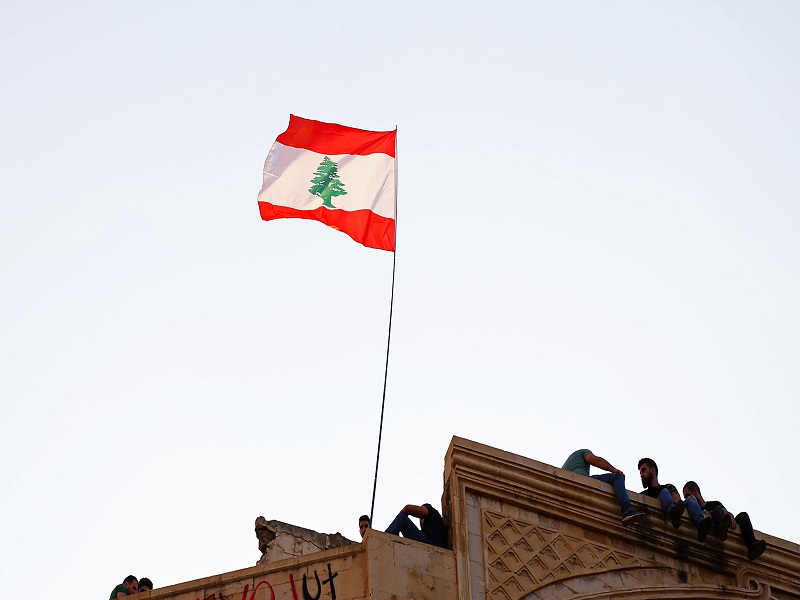
    Yet, a glance around the neighbourhood might suggest that power-sharing is not the quick fix it is often presumed to be. In Lebanon, where a power-sharing settlement helped to end that country’s civil war in 1989, citizens collectively took to the streets in record numbers in 2019, demanding greater accountability from a political elite notorious for its clientelistic and often corrupt style of political decision-making.[2] From an unprecedented financial crisis – characterised by hyperinflation, an exodus of young people, gas and electrical shortages, and the loss or dramatic devaluation of life savings – to the devasting Beirut Blasts, which killed more than 200 people in August 2020 and the impact of the global COVID-19 pandemic on the country’s failing infrastructure, Lebanon seems a country on the brink.


    Iraq is faring no better.[3] The agreement to share power amongst Sunnis, Shi’as, and Kurds, as per the terms of the 2005 constitution, remains contentious and the political situation unstable. Starting in 2019, widespread insecurity and unemployment, the failure to deliver basic public services, and ongoing endemic corruption gave rise to street protests and other forms of civil disobedience. The lack of government responsiveness in the face of such protests elicted calls from protesters to boycott the elections held in October 2021. In both Lebanon and Iraq, the political situation is more tenuous than at any other point in their post-war histories.


    With power-sharing performing so poorly in the neighbourhood, why is it still a central plank in efforts to end the wars in Syria and Yemen?


    In the years following the end of the Cold War, power-sharing came to be a go-to response of international actors, who positioned it as a mechanism by which to end deadly ethnic or sectarian violence. During this time, power-sharing processes have been implemented not just in Lebanon and Iraq, but in a diverse range of places around the world. Comprehensive power-sharing settlements helped to end protract conflicts in Northern Ireland, Bosnia & Herzegovina, and Burundi. Temporary power-sharing pacts helped to mediated between political parties in the wake of contested elections, quelling outbursts of election-related violence, in Kenya, Zimbabwe, and Afghanistan. It remains a core aspect of the negotiations to reunify Cyprus.


    The prospect that power-sharing can bring about an immediate end to violence makes it a particularly desirable proposal in several hotspots around the world, not least of all Syria and Yemen. As the toll of human suffering continues to mount in these countries, power-sharing mechanisms are touted as the means by which to end their respective wars. Drawing lessons from Lebanon and Iraq, we argue that power-sharing continues to have a critical role to play in ending war and building peace in Syria and Yemen, but a number of challenges must first be addressed in order to facilitate a lasting peace.


    Power-sharing in operation 

    Power-sharing brings actors previously involved in conflict into coalition government with one another, often in direct proportion to the share of the population they purport to represent. Those same actors are given veto powers – thereby allowing them to thwart any proposed legislation that may harm their vital interests – and, often, a significant degree of autonomy, either territorially where they are tasked with heading up regional governments or by having sole decision-making powers in their own cultural affairs, including language, education, and religion. Such a system is designed to give voice to minority groups who may have previously lacked access to the political system and ensures that political power is not the sole domain of a single ethnic community. It is predicated on the ability to end communal violence by assuaging any grievances held by the different communities.


    In Lebanon, armed groups involved in the fighting transformed into political parties. Many of those same militia leaders – or their kin – continue to head up the political system to this day, more than 30 years since the end of the war. In Iraq, ethno-sectarian divisions prompted international state builders to implement a system that distributed power across the three major communal groups (Arab Shi’a, Arab Sunni and Kurd). The nature of communal representation made have changed, but many of the underlying grievances did not.


    While power-sharing had initial successes in granting political access to the different communal groups and encouraging groups to settle disputes through institutional channels rather than on the battlefield, the system of power-sharing in operation in Lebanon and Iraq have, of late, been met with vociferous opposition, most notably in the form sustained protest movements in both countries since 2019.[4] As it turns out, a system of government which brings together groups who remain distrustful of one another and requires their consensus to move policies forward, has a hard time getting things done. Public service provisions languish – as the 2015 You Stink protests in Lebanon over the government’s failure to adequately handle waste management contracts vividly detail – and corruption appears rife. A carve-up of power, rather than its sharing.


    A central issue here pertains to ideas of peace. For Johan Galtung, the founding father of the discipline of Peace Studies, peace should not merely be viewed as the absence of war, a condition best thought of as ‘negative peace’ but rather the absence of all structural impediments which impact on an individual’s ability to achieve their full potential, what Galtung referred to as ‘positive peace’.[5] Whilst philosophically challenging, Galtung’s idea has merit, particularly in the context of power-sharing.


    The systems in Lebanon and Iraq may have facilitated negative peace but they have struggled with creating the conditions of positive peace in which people can thrive and reach their ‘potential’. Herein lies the crux of the problem with power-sharing: the inability to secure positive peace jeopardises the gains of negative peace, risking political instability and even a lapse back into violence. If power-sharing is to stand a chance of not only ending war but also building (positive) peace in Yemen and Syria, there are three broad lessons constitutional designers may wish to learn from the experiences of Lebanon and Iraq.


    Issue 1: Process design and power-sharing adoption

    As experiences in Syria and Yemen suggest, power-sharing arrangements can be hard to adopt. They require a particular set of conditions for parties to even begin to entertain dialogue over power-sharing. Ethnic or sectarian majorities neither want – nor often need – to share power and any party gaining on the battlefield will be reluctant to make any kind of deal that might threaten those advances. Typically, then, the parties to a conflict must be roughly equal in terms of their relative power – neither able to govern on their own nor vanquish their enemies on the battlefield – otherwise there is little incentive for those in positions of strength to concede power. That is, the best hope for power-sharing comes at the moment at which parties reach a mutually hurting stalemate.[6] Assuming such conditions are met, the first set of issues emerges over the adoption, implementation, and perhaps, imposition of a deal. How that deal is struck will tell us something about its life chances, with decisions on process design having lasting repercussions for political, social and economic life through privileging particular groups over others.


    War, of course, is messy. Who is invited to the peace table, when to hold talks, what issues to put on the agenda (and in what order), as well as any linkages between issues all require careful consideration and are not always adequately captured within power-sharing processes. This risks leaving key actors locked out of the negotiation room and underlying grievances kept outside of the system. A key question emerges here as to whether power-sharing is seen as a mechanism solely for ending war (getting combatants to lay down their arms) or as building peace (establishing a government system for all of society). While the first clause is essential for the enactment of the second, the second does not necessarily flow from the first.


    In Lebanon, the Ta’if Accords brought about an end to the country’s 15 year civil war but enshrined erstwhile warlords – the zu’ama – in positions of power within the political fabric of the state. This provided them with both personal and political justifications for reproducing the sectarian status quo while weaving the logic of power-sharing into ‘every nook and cranny’ of state power.[7] In contrast, some political figures who refused to take up arms during the civil war were excluded from the political settlement due to their lack of involvement in the war. When protestors in the streets of Beirut and Tripoli chant “all of them means all of them” it is this sectarian status quo, first entrenched in the negotiations which led to the Ta’if Accords, which they hope to expunge.[8]


    The constitution-making process in Iraq highlights the importance of getting the timing right.[9] The Sunni boycott of the 2005 elections meant that they were then severely underrepresented – holding initially only two of 55 seats – in the Temporary National Assembly tasked with writing a democratic constitution. The rushed timeline of that process – from elections in June to a referendum on a draft constitution in October – did little to assuage Sunni concerns. Starting out on such unstable footing, where one of the key constituencies meant to share power feels disconnected from the system, in turn sets the new agreement on a difficult course to functional politics.


    For those advocating power-sharing as a a solution to conflict in Syria and Yemen, the lessons are stark: power-sharing must be designed in the most inclusive possible way, as a means of ending conflict but also addressing the structural factors preventing the emergence of positive peace.


    Issue 2: Functionality/Evolution

    A second major issue concerns the ability of power-sharing systems to adapt to changing political contexts. The establishment of short-term electoral pacts – while commendable in bringing an end to violent conflict – needs to be supported with institutional mechanisms to ensure oversight, accountability and a degree of flexibility to address future problems. Ending war is not the same thing as building peace.


    Power-sharing agreements are negotiated in the fraught context of war, where distrust between the parties runs deep. In such conditions, parties will often seek strong guarantees of their share of power rather than leaving it to chance in democratic elections. Yet locking in a group’s share of power can complicate the implementation process.


    Different models of power-sharing reflect the complexities and contingencies of identity and political life.[10] Corporate models of power-sharing suggest that identities are fixed, internally homogenous and externally bounded, guaranteeing the rights of communal groups. The risk of such models is that they may entrench the temporary power configuration present at the moment of power-sharing adoption and that they are resistant to fluctuations in demographic trends and evolving political party preferences over time. In contrast, liberal power-sharing rewards the emergence of salient political identities, both along ethnic and trans-communal lines, in free and fair elections. The liberal model is often heralded as helping society move beyond fixed communal cleavages and providing opportunities to ameliorate divisions.


    In Lebanon, where sectarian quotas in the legislature and the reservation of the top posts of president, prime minister, and speaker of the house for Maronites, Sunnis, and Shi’as, respectively, the legitimacy and influence of elites has begun to wane, prompting calls for a shift towards a more ‘issue based’ approach to political engagement. Yet the rigidity of the power-sharing system has prevented this from occurring, mounting citizen frustrations with the state of politics. Despite the economic collapse coming after years of financial mismanagement and the Beirut Blast, elites maintain their position of influence beyond formal politics, (re)turning to service provision as a means of retaining support from their communities. Central to this, of course, is rampant corruption.


    Similarly, in Iraq, the ethno-sectarian power-sharing arrangement – described as a “light” form of consociationalism focussed on temporary measures – resulted in the dominance of Shi’a, Kurdish and Sunni elites, mapped onto a federal and decentralised state.[11] However the years that followed the establishment of Iraq’s power-sharing model were beset by state weakness, stemming institutionalised corruption, ongoing debate over the nature of decentralisation, and political inertia, prompting widespread protests in which hundreds have been killed. Frustration at the political system prompted a call to boycott the 2021 elections as a means of denying ruling elites of political legitimacy.[12]


    What this means for Syria and Yemen is any negotiated power-sharing settlement needs to account both for the conditions in which it is agreed while simultaneously keeping an eye on the future. Introducing institutional reforms in the face of changing demographic, political and social conditions is necessary not only for keeping the deal alive between the original actors but also to ensure that those groups who may not be the main or original beneficiaries of power-sharing can also find a way into democratic politics.


    Issue 3: The complicated role of international actors

    Since the end of the Cold War, international actors have come to play a prominent role in mediating and implementing power-sharing agreements in a variety of divided settings, including Bosnia & Herzegovina, Burundi, Sudan, and Northern Ireland. In the contemporary Middle East, external actors, including neighbouring states, have also significantly shaped the course of domestic politics. Here, two issues emerge: penetration and oversight.


    Power-sharing works best when local political actors have willingly agreed to work together for the good of the country. Ensuring that these local actors retain political autonomy is of paramount importance. Yet the penetration of political contexts by members of the international community seeking to propagate power-sharing agreements risks undermining and eroding the local credibility of the agreement. An agreement imposed on local actors by external actors is unlikely to lead to stable and functional politics. External actors can help to support power-sharing by exerting leverage, facilitating or mediating resolutions to power-sharing stalemates, convening or chairing inter-party talks, providing technical expertise, conducting shuttle diplomacy or even helping to draft the text of agreements.[13] Taking more assertive or coercive measures, superseding local decision-making in the process, may provide a quick fix but sets up long-term perverse consequences, sending a message to local actors that they need only wait out tough decisions until such time as the international community will make for them instead. This deprives power-sharing of one of its main benefits: the ability to induce inter-elite cooperation.


    A secondary form of penetration stems from transnational relationships between local actors and regional (or international) states who previously offered material or ideational support.[14] The interplay of local, national and international issues adds an additional set of challenges for peace builders to address. In such conditions, local actors can be empowered by international actors when their interests coalesce, as is the case in Lebanon and Iraq, where Iranian support has given Hizballah and PMUs disproportional influence across national politics, much to the chagrin of others.


    Oversight is key to these issues. Yet implementing a form of oversight that leaves political agreements accountable to the electorate rather than donors is a challenge in its own right. This issue is especially evident in Syria, where Bashar Assad was recently re-elected as President with 95% of the vote, prompting serious questions about electoral integrity and accountability.[15] With ongoing support from Russia and Iran, there is little opportunity of the President ceding any kind of accountability to the people.


    In contrast, the absence of a centralised state in Yemen complicates peacebuilding efforts. Amid deep division and widespread fragmentation, there exist only pockets of peace building, which may be isolated from one another. While civil society actors continue to undertake important peace building work across these domains, the absence of an overarching state makes broader collaboration between these actors, as well as the distribution of international humanitarian assistance, increasingly difficult.


    Moving forward, what can be done? 

    The failure to bring an end to conflict in Syria and Yemen comes at a devastating price. In Syria, some estimates place the death toll at over 600,000 with 13.3 million people displaced. A power-sharing agreement will do little to assuage anger at those who lost loved ones or whose lives were decimated by the war. Similarly, it will do little to provide the necessary support for those displaced from their homes. In Yemen, the death toll is over 230,000 with over eight million people in dire need of humanitarian assistance. Power-sharing alone does little to address basis needs or human security. But what it does do is provide the launchpad from which human security can begin to be established and democratic politics can begin to take root.


    As a consequence of shared histories, identities, ideologies, and religions, the actions of regional actors resonate deeply in the day to day politics of the state across the Middle East. In divided societies, this leaves the state open to the interference of others, as has been seen in Lebanon and Iraq and as continues to play out in Yemen and Syria. The residue of such penetration can exacerbate existing divisions, prolonging conflict or it can serve to create new grievances, threatening the gains of peace offered by power-sharing.


    Ultimately, power-sharing agreements must be holistic in their approach. This necessitates avoiding ‘one size fits all’ templates and instead acknowledging the complexity and contingencies of local politics. Similarly, quick fixes such as the Stockholm Agreement must also be avoided, in favour of more considered – or creative – strategies. This may, in the short term, require an acknowledgement that a state-wide power-sharing agreement may not be viable and, instead, necessitate creating localised areas of peace and stability supported by humanitarian aid. Alternatively, this may involve supporting – or creating – localised forms of governance which may (not) include a state-wide power-sharing dimension. From these starting points, a carefully designed process of power-sharing on a larger scale can be crafted, one that not only helps to end war but also to build (positive) peace for all of society.


    [1][1] Jamal Benomar, Power-sharing is the only way to end the war in Yemen – if the US supports it, The Guardian, March 2021, https://www.theguardian.com/commentisfree/2021/mar/26/power-sharing-war-yemen-us-houthi-peace

    [2] Ibrahim Halawi and Bassel F. Salloukh (2020) ‘ Pessimism of the Intellect, Optimism of the Will after the 17 October Protests in Lebanon’, Middle East Law and Governance, 12:3, 322-334, doi: 10.1163/18763375-12030005

    [3] Toby Dodge (2021) ‘The Failure of Peacebuilding in Iraq: The Role of Consociationalism and Political Settlements’, Journal of Intervention and Statebuilding, 15:4, 459-475, doi: 10.1080/17502977.2020.1850036

    [4] Bassel F. Salloukh, Here’s what the protests in Lebanon and Iraq are really about, The Washington Post, October 2019, https://www.washingtonpost.com/politics/2019/10/19/heres-what-protests-lebanon-iraq-are-really-about/

    [5] Johan Galtung (1969) ‘Violence, Peace and Peace Research’, Journal of Peace Research, doi: 10.1177/002234336900600301

    [6] Eric Brahm, Hurting Stalemate Stage, Beyond Intractability, September 2003, https://www.beyondintractability.org/essay/stalemate

    [7] Bassel F. Salloukh (2020) ‘Consociational Power-Sharing in the Arab World: A Critical Stocktaking’, Studies in Ethnicity and Nationalism, Volume 20, Issue 2, p. 100-108, https://onlinelibrary.wiley.com/doi/10.1111/sena.12325

    [8] Daniel Hilton, ‘All of them means all of mean’: Who are Lebanon’s political elite?, Middle East Eye, October 2019, https://www.middleeasteye.net/news/all-them-means-all-them-who-are-lebanons-political-elite

    [9] Joanne McEvoy and Eduardo Wassim Aboultaif (2020) ‘Power-Sharing Challenges: From Weak Adoptability to Dysfunction in Iraq’, Ethnopolitics (formerly Global Review of Ethnopolitics), doi: 10.1080/17449057.2020.1739363

    [10] Allison McCulloch (2014) ‘Consociational settlements in deeply divided societies: the liberal-corporate distinction’, Democraization, Volumer 21, Issue 3, doi: 10.1080/13510347.2012.748039

    [11] Matthijs Bogaards (2019) ‘Iraq’s Constitution of 2005: The Case Against Consociationalism ‘Light’’, Ethnopolitics (formerly Global Review of Ethnopolitics), Volume 20, Issue 2, doi: 10.1080/17449057.2019.1654200

    [12] Jassim Al-Helfi, The Case for Boycotting the Iraqi Elections, LSE, June 2021, https://blogs.lse.ac.uk/mec/2021/06/15/the-case-for-boycotting-the-iraqi-elections/

    [13] Allison McCulloch and Joanne McEvoy (2018) ‘‘Bumps in the Road Ahead’: How External Actors Defuse Power-Sharing Crises’, Journal of Intervention and Statebuilding, Volume 13, Issue 2, doi: 10.1080/17502977.2018.1526994

    [14] Simon Mabon (2019) ‘Sectarian Games: Sovereign Power, War Machines and Regional Order in the Middle East’, Middle East Law and Governance, 11: 3, 283-318, doi: 10.1163/18763375-01201001

    [15] Ali Aljasem, Syrian election: Bashar al-Assad wins with 95% of votes as world watches in disbelief, The Conversation, May 2021, https://theconversation.com/syrian-election-bashar-al-assad-wins-with-95-of-votes-as-world-watches-in-disbelief-161704

    Footnotes
      Related Articles

      Does Russia want a new Berlin Wall?

      Article by Dr Beata Martin-Rozumilowicz

      January 29, 2022

      Does Russia want a new Berlin Wall?

      When the Berlin Wall fell in 1989 it was a great victory for democracy. Experts purported the end of history and many anticipated that a linear progress away from authoritarianism and dictatorship was all but assured.


      Yet, 30 some years on, is a new Berlin Wall just outside of Kyiv what Russia is again pushing for? The current circumstances seem to indicate that the answer to this question is yes.


      While the Yeltsin years gave some hope of an incipient democracy in Russia, this soon started to dissipate in the early 2000s with Putin’s victory. As an election observer in Russian in 2003, I saw first-hand how fraudulent votes were being cast by election commissions to assure Putin’s continued success. Yet the West did little to call him on these early infractions.


      Later, as countries (including Ukraine) fell to ‘so-called’ colour revolutions, Moscow’s response became more belligerent and recalcitrant. Some claimed that antagonistic Western forces were to blame, all the while touting self-determination and national sovereignty.


      The initial successes in Poland and other Eastern European countries in the early 2000s, however, gave people in places like Ukraine a real hope for a different way of life. This was so much a threat that it caused Moscow to bankroll a Party of Regions and a Viktor Yanukovych to tow the Moscow line and to prevent democracy from taking root in the country.


      Yet Ukrainians again decided in 2014 that they wanted representative democracy and a road to Europe. This Revolution of Dignity underscored that Russia had again miscalculated its strategy towards Ukraine (as they had in 2004 during the previous Orange Revolution).


      While Russia’s geopolitical strategy in the region is not only about Ukraine, it does continue to hold a Cold War, bipolar view of the world where the focus is about Russia playing a global role again, sitting at the same table with the US, and calling the shots. With recent developments in Kazakhstan and Belarus, these former Soviet republics have become closer to the Russian orbit, but Ukraine continues to keep slipping away.


      Russia has lost the hearts and minds of Ukrainians (as well as of Belarusians, and many Kazakhs, Armenians, and others) and is seen as the protector of authoritarian regimes, using its political and military means to stymie genuine sovereignty, democratisation, and further development. While this may currently be enough in Belarus or Kazakhstan, it has not worked in Ukraine.


      With Yanukovych having fled to Russia, Moscow shifted focus and resources to new technologies, influence campaigns and hybrid warfare. The taking of Crimea and the false-flag operations in Donbas, and the attempt to attack the Ukrainian electoral system in 2014 to produce a Moscow-favourable Ukrainian president (in the shape of unlikely and unknown Dmytro Yarosh) was a prelude to documented Russian meddling in the 2016 US elections.


      With the somewhat surprising win of Trump over Clinton, Moscow likely calculated that their new strategy had succeeded. Yet with Biden winning in 2020 and democracy and good governance firmly back on the agenda (albeit with focus initially on China), the Russians must have realised that they had overplayed what they considered to be a winning hand. This came on top of dashed hopes of gaining US respect and recognition during the George W. Bush administration, which came to naught with Iraq, colour revolutions and, later, the Arab spring under the Obama administration.


      And so, we are where we are now. With smear campaigns against the Biden family and top officials within Ukrainian circles not gaining traction, the Russians have decided to hunker down and re-focus on previous Cold War strategies. Top amongst them is a buffer zone to surround Russia and insulate it from the debilitating democratic influence, particularly in Ukraine, where its size and proximity to Russia mean that it is a danger of becoming an example and a call to Russia’s own citizens to question why they live in the conditions they do. Staunch the wound before they bleed out.


      And those questions are becoming ever more insistent, both within Russia itself, as well as within the independent states surrounding Russia. The excesses of the Yanukovych regime, when his lavish estates and golden toilets were exposed for the world to see by protestors in 2014 also caused Russians to question similar presidential holdings in Sochi. Ukraine, Georgia, and increasingly Armenia, have become examples to other autocratic states in the region of what democratic change can achieve. It gives impetus to opposition movements in Russia, itself, with the advent of Navalny, and even in countries like Belarus during the last elections.


      The Berlin Wall had insulated Russia for some thirty years from this debilitating democratic contagion. Their hope is that a new barrier will serve the same role for the next thirty and assure authoritarian continuity. Will the current political circumstances in the region lead to the formation of a new Berlin Wall approach? We’re likely to know that answer very soon.

      Footnotes
        Related Articles

        Levelling up: Six key takeaways from the Basque experience of regional competitiveness and inclusive growth

        Article by Dr Caroline Gray

        December 15, 2021

        Levelling up: Six key takeaways from the Basque experience of regional competitiveness and inclusive growth

        Citing the Basque Country as an example of inclusive economic growth may, at first, seem to many rather a paradox. In the context of Spain’s model of devolution, the Basque Country, one of Spain’s 17 regions known as ‘autonomous communities’, is more often accused of lacking in solidarity with the rest of the country, given the way the region’s financing model works. For historical reasons, the Basque Country, along with the neighbouring region of Navarre, raises almost all its own taxes under a model of near fiscal autonomy. This system has ended up allowing it to keep more of its wealth within its own region when compared to some of Spain’s other regions with broadly similar levels of GDP per capita like the Madrid Community or Catalonia, which come under a different, revenue-sharing model of devolved funding known as the common financing system.[1]


        While acknowledging this, however, it is also possible to recognise that the eternal, often heavily politicised debate about regional financing levels in Spain has obscured awareness of other significant factors about the Basque experience of economic development.


        Firstly, within the Basque region itself, economic growth has in fact proved highly inclusive. The region features among the top in Europe not only in terms of GDP per capita, but also in having a low percentage of population at risk of poverty or social exclusion.[2] The Basque Nationalist Party (PNV), which has almost consistently governed the region since the first regional elections of the democratic period in 1980, combines a broadly centre-right stance on economic policy with a broadly centre-left one on social policy. It has long treated economic competitiveness and social inclusion as mutually re-enforcing objectives, as have other key actors and institutions involved in shaping the region’s economic strategy. The latest Basque Competitiveness Report published by the Basque Institute of Competitiveness, a research centre linked to the University of Deusto, exemplifies this dual approach with its focus on ‘Constructing Competitiveness for Wellbeing’.[3]


        Secondly, fiscal autonomy is not a panacea. While the relatively generous settlement that the region receives under its different financing model inevitably goes some way towards explaining its ability to finance its social spending, that is not the only contributing factor. Effective governance has also played a role. The Basque region was a pioneer in areas such as the creation of a very successful cluster policy in the 1990s, and it has developed a strong system of multi-level governance and network of public-private collaboration over the decades that helps to explain its success. Throughout this process, it has devoted considerable time (and resources) to learning from other models and experiences – for example, the region was one of the first to work with American academic Michael E. Porter in the late twentieth century.[4] While no place-based territorial strategy can ever simply be copied elsewhere, examining the Basque experience can still offer interesting insights for other contexts.


        What, then, might we draw from the Basque experience that’s relevant to the UK ‘levelling up’ agenda? This was the subject of a recent Aston Centre for Europe and Foreign Policy Centre event that I chaired, with the participation of four speakers: Dr Edurne Magro, Senior Researcher at Orkestra-Basque Institute of Competitiveness; Bill Murray OBE, adviser on the Spanish economy at Global Counsel; Dr Igor Calzada, Senior Researcher at the Wales Institute of Social and Economic Research and Data (WISERD), Cardiff University; and Henriette Lyttle-Breukelaar, Director of Economic Strategy at Greater Birmingham and Solihull Local Enterprise Partnership. Six key takeaways that emerged from the discussion are as follows:


        • Stable, predictable financing for local and regional authorities is critical. This is what has enabled the Basque region to engage in a forward-looking type of economic thinking over years and to take forward a whole series of initiatives on social policy and on inclusion. It is also what has allowed it to develop a longstanding network of partnerships between different actors and institutions within the region working towards the goal of inclusive regional competitiveness. This contrasts with the UK experience of short, competitive funding cycles for local government that don’t tend to facilitate longer-term planning and the formation of robust partnerships.


        • Local input and distributed leadership are fundamental to strategy design and implementation. The heavily centralised nature of the UK is often cited as one of the main contributing factors to the level of regional inequality.[5] In this regard, the Basque region is an example of how a multi-stakeholder approach to strategy design and implementation at local and regional level can underpin inclusive growth and territorial competitiveness. While the Basque government steers the region’s overall economic and social strategy, input also comes from other tiers of government within the region (local and provincial) and from a network of other relevant public and private institutions, such as the cluster associations and the Basque technology centres. The result is a web of multi-level and multi-layer processes that shape the design and implementation of Basque regional strategy.[6] This is not without considerable coordination challenges that require innovative governance solutions.


        • Local and regional empowerment must go hand in hand with accountability. In the Basque Country, accountability stems first and foremost from the region’s fiscal autonomy model, which puts the onus on the Basque authorities to collect taxes. While that level of substate revenue-raising power is specific to the Basque Country (and neighbouring Navarre) for historical reasons and not easily translatable to other contexts, accountability and good governance can be fostered via other mechanisms to promote the effective use of public funds.


        • Focus on area-specific strengths and deepen and diversify from that basis. The Basque Country’s economic success stems in no small measure from its decision, back in the 1980s, to build on its existing strengths in industry by pursuing an industry-focused economic transformation at a time when the wider political and academic climate did not look favourably on such a focus. That decision, and the commitment to a positive industrial strategy ever since, has consistently paid dividends.[7]


        • A degree of cross-party collaboration is crucial to avoid short-termism. Competition between the Conservatives and Labour has consistently prevented a longer-term, cross-party vision to address the UK’s place-based inequalities. Even within and between some governments of the same colour, studies have shown a lack of institutional and policy stability in this area.[8] Meanwhile, within the Basque region, a degree of cross-party buy-in on the region’s economic and social strategy has been possible, which has contributed to facilitating longer-term planning. In part, this stemmed from a need for parties of different colour to stick together on economic and social policy during the difficult first decades of the democratic period when Basque terrorist group ETA was active. However, coalition politics have also played a role both then and since, favouring more consensual politics in certain areas. Although the Basque Nationalist Party has governed almost consistently in the region since the first elections of 1980 and has therefore dominated policy making, it has never won an outright majority and has almost always had to govern in coalition, usually with the Basque Socialists. While it would be naïve to expect any change in the degree of competition between Conservatives and Labour over inclusive growth strategies, the levelling-up white paper, which is now expected in early 2022, [9] needs to provide the basis for a longer-term framework that goes well beyond the current government term to have a meaningful impact in tackling inequalities.


        • A wide diversity of potential stakeholders should be included in the design and implementation of inclusive growth strategies. Civil society has long played a role in shaping the Basque ethos of combined economic and social policy and the region is renowned for its longstanding cooperative tradition. The small size of the region and its level of social cohesion have undoubtedly helped to give an overall coherence to Basque strategy design and implementation. Even the Basque Country, however, cannot rest on its laurels. Transformative alliances between the public sector, the private sector, academia and civil society could evolve to incorporate additional stakeholders and afford a greater role to social innovation.[10]


        Caroline Gray is a Lecturer in Politics and International Relations at Aston University. She specialises in the politics of Spain and wider Europe, focusing on territorial politics and party systems. She is the author of Territorial Politics and the Party System in Spain: Continuity and Change since the Financial Crisis (Routledge, 2020).


        [1] For more information about how the different regional financing systems work, see Caroline Gray, Nationalist Politics and Regional Financing Systems in the Basque Country and Catalonia, Bilbao: Diputación Foral de Bizkaia (Doctoral Thesis Collection), 2016, https://conciertoeconomico.org/wp-content/uploads/2021/03/tesis_gray_nationalists_politics.pdf

        [2] Mari Jose Aranguren Querejeta, Patricia Canto Farachala, Edurne Magro Montero, Mikel Navarro Arancegul, James R. Wilson and Jesus Mari Valdaliso, Long-term Regional Strategy for Inclusive Competitiveness: The Basque Country Case, 2008-2020, Orkestra-Basque Institute of Competitiveness, Cuadernos Orkestra 05/2021, Bilbao: Deusto University Publications, p. 1, https://www.orkestra.deusto.es/images/investigacion/publicaciones/informes/cuadernos-orkestra/210008-Basque-Country-Territorial-Strategy.pdf

        [3] Susana Franco and James Wilson (eds.), 2021 Basque Country Competitiveness Report. Constructing Competitiveness for Wellbeing, Orkestra-Basque Institute of Competitiveness, Bilbao: Deusto University Publications, 2021, https://www.orkestra.deusto.es/en/research/basque-country-competitiveness-report

        [4] Jon Azua, The Competitive Advantage of Nations. A Successful Experience, Realigning the Strategy to Transform the Economic and Social Development of the Basque Country, Orkestra-Basque Institute of Competitiveness, Cuadernos Orkestra 2015/12, Bilbao: Deusto University Publications, https://www.orkestra.deusto.es/images/investigacion/publicaciones/informes/cuadernos-orkestra/Competitive-advantage-nations-Jon-Azua.pdf

        [5] Luke Raikes, Arianna Giovannini and Bianca Getzel, Divided and connected: Regional inequalities in the North, the UK and the developed world – State of the North 2019, Institute for Public Policy Research (IPPR), November 2019, https://www.ippr.org/research/publications/state-of-the-north-2019

        [6] Jesús M. Valdaliso, The Basque Country: past trajectory and path dependency in policy and strategy-making, in Jesús M. Valdaliso and James R. Wilson (eds.), Strategies for Shaping Territorial Competitiveness (pbk), London and New York: Routledge, 2020 [2015], pp. 113-130

        [7] Mari Jose Aranguren Querejeta, Patricia Canto Farachala, Edurne Magro Montero, Mikel Navarro Arancegul, James R. Wilson and Jesus Mari Valdaliso, Long-term Regional Strategy for Inclusive Competitiveness: The Basque Country Case, 2008-2020, Orkestra-Basque Institute of Competitiveness, Cuadernos Orkestra 05/2021, Bilbao: Deusto University Publications, https://www.orkestra.deusto.es/images/investigacion/publicaciones/informes/cuadernos-orkestra/210008-Basque-Country-Territorial-Strategy.pdf

        [8] Andrew Westwood, Marianne Sensier and Nicola Pike, Levelling Up, Local Growth and Productivity in England, Productivity Insights Paper No.005, The Productivity Institute, December 2021, https://www.productivity.ac.uk/publications/levelling-up-local-growth-and-productivity-in-england/

        [9] Alex Forsyth, Levelling up: Government white paper likely to be delayed to 2022, BBC News, December 2021, https://www.bbc.co.uk/news/uk-politics-59541369

        [10] Igor Calzada, Democratising Smart Cities? Penta-Helix Multistakeholder Social Innovation Framework, Smart Cities, 3(4), 1145-1172, October 2020, https://doi.org/10.3390/smartcities3040057

        Footnotes
          Related Articles

          A summit for democracy or building a bloc to counter China and Russia?

          Article by Dr Alex Folkes

          A summit for democracy or building a bloc to counter China and Russia?

          President Joe Biden’s Summit for Democracy took place virtually at the end of last week. Attended by a large number of nations whose leaders made a slew of welcome policy commitments aimed at showing their democratic and human rights credentials; however, both the purpose and outcome of the event remain unclear.


          The principle divide is between those who see this as a Summit for Democracy as the name implies or those, such as the UK, who see it as a meeting of many of the world’s largest democracies and semi-democracies who want to use the might of these countries to counter the threats posed by Russia and China. A large number of events on the fringes of the main summit also concentrated on the idea of bringing states together in opposition to autocratic menace.


          Ted Piccone has analysed the 112 strong guest list in great detail and found that some of the countries excluded are ranked higher by the World Justice Project’s Rule of Law index than some who were round the table.[1] That was probably always going to be the case. As Piccone points out, other metrics are available, direction of travel is also key and there are geopolitical considerations to be accounted for (which is probably why Pakistan makes the cut alongside India). But his key point is this: If the aim was a summit to strengthen democracy and the rule of law around the globe then inviting those with a worse ranking is not a problem. We hope they will learn from the experience and make improvements in future. But if the summit is being set up as the lead in to a club of democracies to counterbalance the authoritarian states then it very much matters that those around the table are the ones who can genuinely point to their rule of law and human rights as being in the top tiers.


          President Biden has strong credentials in this field. He has championed democratic values for many years and this event was a key plank in his election manifesto. That it had to be downgraded due to the pandemic is understandable, but it is laudable that it still went ahead. The world has seen many summits based on economics, military and environmental matters, but this is the first time in many years that the focus has been (or should have been) on human rights.


          Much of the event took place behind closed doors, but the opening statements by world leaders were released publicly.[2] These leaders took a variety of approaches. Some simply lauded their own achievements whilst others made commitments to improve in various areas. Notable were the approaches of Poland, which concentrated on the problems in Belarus, and of the Czech Republic who were the only country to specifically mention the need for election observation and democratic assistance.


          But it is the behind the scenes deals which matter most. Was this an event that aimed to shore up democratic principles in countries which are backsliding and encourage moves in the right direction among others? Or was it an event where a new bloc could be formed of the big democratic powers to stand in opposition to authoritarian states, particularly as Russia builds forces on the border with Ukraine?


          President Biden, in his opening address, suggested it should be the former and he mentioned a number of changes he wanted to see in his own country. The idea that no nation is a perfect democracy was important to establish from the outset and Biden’s references to the challenges his country faces were cautionary.


          In the latter camp firmly stands UK Prime Minister Boris Johnson. His idea is for a D10, a small group of the biggest nations based on the G7 but expanded to include South Korea, Australia and (most controversially) India. His idea is to use this group, selected for their size and economic might, to stand against Russia and, particularly, China.


          Others have proposed similar mechanisms with the same goals, but are slightly more inclusive. The Alliance of Democracies group sees a congregation of 30 or so states.[3] But again, their focus would be on countering Russia and China rather than promoting freedom of the media, more democratic elections, and equal rights for women and national minorities or unbiased courts.


          The Summit is being followed by a so-called ‘year of action’ before another event (hopefully in person) at the end of 2022. Key to deciding which camp has won will be the list of actions that are envisaged.


          Thomas Pepinsky, writing for the Brookings Institution, said:[4]


          “The Summit for Democracy will be most effective if it remains focused on strengthening and defending democracy rather than constructing a dichotomy between the world’s democracies and their authoritarian counterparts. It would also be a mistake to focus on corruption, economic performance, and material prosperity as areas in which democracies can outperform authoritarian regimes.”


          The same organisation has updated its ten commitments for enhancing democracy, and these address some of the key issues both in established democracies such as the US, and in countries where democratic values are newer.[5]


          The two ideas, of an alliance of democracies and a summit for better democracy around the world are not mutually exclusive, of course. But if improvements in human rights really are going to be made then it is important that the two approaches are not confused.


          Image by The White House under (CC).


          [1] Ted Piccone, The awkward guests: Parsing the Summit for Democracy invitation list, Brookings, December 2021, https://www.brookings.edu/blog/order-from-chaos/2021/12/07/the-awkward-guests-parsing-the-summit-for-democracy-invitation-list/?utm_campaign=Foreign%20Policy&utm_medium=email&utm_content=193679263&utm_source=hs_email

          [2] It has been reported that the address by the Leader of Taiwan was not made public due to potential conflict with the USA’s ‘One China’ policy.

          [3] Ash Jain, Matthew Kroenig, and Jonas Parello-Plesner, An Alliance of Democracies: From concept to reality in an era of strategic competition, Atlantic Council, December 2021, https://www.atlanticcouncil.org/in-depth-research-reports/report/an-alliance-of-democracies-from-concept-to-reality-in-an-era-of-strategic-competition/

          [4] Thomas Pepinsky, Biden’s Summit for Democracy should focus on rights, not economics and geopolitics, Brookings, November 2021, https://www.brookings.edu/blog/order-from-chaos/2021/11/22/bidens-summit-for-democracy-should-focus-on-rights-not-economics-and-geopolitics/?utm_campaign=Foreign%20Policy&utm_medium=email&utm_content=190756738&utm_source=hs_email

          [5] Susan Corke, Norman Eisen, Jonathan Katz, Andrew Kenealy, James Lamond, Alina Polyakova, and Torrey Taussig, Democracy Playbook 2021: 10 Commitments for Advancing Democracy, Brookings, December 2021, https://www.brookings.edu/research/democracy-playbook-2021-10-commitments-for-advancing-democracy/

          Footnotes
            Related Articles

            A ‘Force for Good’? – Executive Summary

            Article by Tim Molesworth and Adam Hug

            December 6, 2021

            A ‘Force for Good’? – Executive Summary

            The nature of conflict in the world is shifting, along with the challenges they present for the UK. The number of violent conflicts today is as high as at any point since the end of World War II and they are lasting longer due to complex transnational dynamics and increasing internationalisation. Fragile and conflict affected countries (FCACs) pose threats to international peace and security, undermining the stability of neighbouring countries, provide opportunities for transnational terrorist networks and criminal groups to operate, drive displacement of populations and provide opportunities for the UK’s geopolitical competitors to exploit for strategic advantage.


            The UK has significant experience and expertise engaging in FCACs. However, the UK’s approach to the world and its capacities to do so are changing. The 2020 Integrated Review of Security, Defence, Development and Foreign Policy outlines a strategic framework for how the UK engages with the world. It calls for a more joined up and strategic approach between the foreign policy tools which the UK has available. Recent institutional changes, including the merger of the Foreign and Commonwealth Office (FCO) and the Department for International Development (DFID) into the Foreign, Commonwealth and Development Office (FCDO), provide an opportunity to more explicitly develop that joined up approach – particularly when dealing with complex, multidimensional problems such as those driving conflict in FCACs.


            This essay collection looks at how various aspects of the UK’s foreign policy engagement in FCACs is adapting to these changes and the impact these may have on peace and conflict in FCACs. It makes several key recommendations to inform how the UK undertakes future engagement in FCACs. The UK should:

            • Embed consideration of conflict sensitivity across all government actions in FCACs;
            • Ensure that its approach to engaging in FCACs puts peacebuilding and peacemaking in a central role, not in competition with other UK policy priorities;
            • Use a wide range of tools to achieve its peace goals in FCACs including: diplomacy, sanctions, aid, trade, military engagement, peacebuilding, mediation and private sector regulation;
            • Find the right balance between efforts aimed at promoting stability, for example through elite bargains and political deals, and addressing the structural drivers of violent conflict;
            • Strengthen its peacebuilding capacity by bringing in more specialist expertise from the peacebuilding sector; improving coordination and information sharing across government and with external experts; enhancing embassy and FCDO operational capacity to support local peace actors; enabling local programming to become more responsive to evolving local situations; providing more settled guidance to the CSSF; and enabling longer project timelines for peacebuilding work;
            • Leverage its convening power to shape international aid efforts towards peace;
            • Address the gender gaps in its policies and plans, ensuring that it mainstreams gender, women, peace and security priorities in all government commitments;
            • Push for greater community accountability for peacekeeping missions and prevent resource diversion into counter-terror operations and other forms of warfighting;
            • Strengthen private sector conflict sensitivity with an enhanced modern slavery act, new legal responsibilities for companies fuelling conflict and improving public procurement;
            • Strengthen due diligence checks on both the direct use of arms sold and on the indirect consequences of the arms trade with clearer red lines on conflict actors;
            • Prioritise partnership, both locally and internationally, in its engagement on FCACs;
            • Understand the link between climate change and peace, ensuring that its work on climate change is conflict sensitive so that climate transformation does not embed the structural drivers of conflict; and
            • Address its role, and that of its Overseas Territories, as facilitators of international corruption.
            Footnotes
              Related Articles

              A ‘Force for Good’? – Introduction

              Article by Tim Molesworth and Adam Hug

              A ‘Force for Good’? – Introduction

              The foreign policy of the United Kingdom (UK) is undergoing a period of evolution and adaptation, responding to: a changing geopolitical context; a different set of relationships with allies and partners due to Brexit; shifting priorities and resources due to the COVID pandemic; and institutional changes within Her Majesty’s Government (HMG). At the heart of this adaptation is the Integrated Review of Security, Defence, Development and Foreign Policy, which has provided a framework for thinking about how the UK engages overseas moving forward.[1] While providing a significant sense of direction, the Integrated Review does leave a lot of the operational detail to be worked out. This includes looking at how the UK engages with, and responds, to countries facing instability and war.


              This essay collection looks to explore the implications of the Integrated Review, and the UK’s changing place in the world more broadly, for the ways the UK engages with and in fragile and conflict affected countries (FCACs). The term ‘fragile and conflict affected countries’ is used, for the purposes of this publication, to denote countries experiencing, or at risk of experiencing, violent conflict. While there are a number of different frameworks and indices available for assessing fragility and risk of conflict, each of which focus on different aspects of fragility leading to conflict, the term is used here more as a catch-all to think about the particular set of priorities, needs and challenges involved with working around, working in, or working on, conflict related issues in terms of the UK’s foreign policy engagement.[2]


              The UK has established expertise engaging in FCACs on conflict related issues, but this engagement is shifting, as the nature of conflict evolves globally, as a response to Britain’s changing place in the world, and in response to institutional changes. This essay collection looks to explore this changing engagement further. It examines a number of the different ways in which the UK writ large, both at governmental level and more broadly, engages in FCACs, including: its strategic intent; how it works with UN peace structures; its peace-focused mediation and peacebuilding work; humanitarian and development assistance; private sector involvement; its work on gender in conflict; how the UK’s work on climate change interacts with peace and conflict; and the changing role of the military.


              This introduction aims to set the scene by outlining some of the ways in which conflict has been evolving. It then looks at why the UK engages in FCACs – what it gains and what it gives through its involvement. It looks at the tools it has available to have an impact in FCACs, the challenge of trying to make a positive difference within the resource and strategic limitations placed on the UK.


              Fragile and conflict affected countries in a changing world

              Globally, the last decade has been a conflicted one, with historically high levels of conflict-related casualties and an increasing number of armed conflicts. According to the Uppsala Conflict Data Program, the year 2018 saw a peak in the numbers of armed conflicts globally, 52, matched since 1946 only by a peak in the early 1990s when the Cold War settlement unravelled.[3] However, while there has been a rise in humanitarian ceasefires over that period, there has not been a corresponding rise in peace agreements (unlike in the early 1990s) – with the number of conflicts stabilising at a high level.


              Worryingly, over the last five years there has been a growing internationalisation of internal conflicts.[4] This not only represents a greater number of conflicts within national borders in which external international actors are involved, but also how a wider range of international actors, both state and non-state, are involved – including regional actors. A greater number of international conflict actors significantly increases the complexities of conflict in FCACs, risks embedding international competition into national and local conflicts, and makes the job of promoting sustainable peace more difficult. Motivations for foreign intervention are informed by broader geopolitical considerations, ideological and economic interests, or based on an intent to disrupt. Foreign involvement may be direct, as in the case of Yemen or Syria, through proxies such as private security/mercenaries, in Libya or Mozambique for example, or by providing meaningful diplomatic, financial and material support to national conflict actors.


              Many familiar drivers of conflict lay the heart of the problems in FCACs, including political, social and economic inequalities, non-inclusive governance, historic grievances and the legacies of past conflicts. The drivers of conflict in each country, and opportunities to transform that conflict towards sustainable peace, need to be considered in nuanced ways. However, a long-term trend is also the increasing significance of transnational dynamics to fragility and conflict. The direct impacts of climate change, including extreme weather events, are contributing to environmental, economic, humanitarian and social pressures in the most vulnerable countries, exacerbating conflict dynamics. Transnational crime, particularly around drugs and human trafficking, fuels conflict related economies and creates incentive for instability. Despite the efforts of the last 20 years, transnational terrorism and violent extremism remain an evolving threat, embedded within countries experiencing violent conflict, but also significant in countries under social and economic pressure. While having conflict effects within FCACs, none of these problems can be addressed solely at country level, requiring regional or global strategies and cooperation.


              Why does, or should, the UK engage in promoting peace in FCACs?

              There are a number of different reasons why the UK has historically engaged in promoting peace, building on its complex legacy of engagement around the world. The UK is a member of the UN Security Council, the fourth highest military spender, until recently the world’s fourth largest aid donor and a country possessing both an experienced diplomatic network and an internationally recognised cluster of peacebuilding expertise both in civil society and academia.[5] It has a long-standing desire to show leadership on the world stage, currently embodied in the Government’s concept of ‘Global Britain’. This stated desire for continued leadership has been somewhat tempered by a sense that policy in recent years has tended to take the form of firefighting and ad hoc responses to crisis, the UK public’s understandable fatigue towards further military engagement and the recent reductions in the aid budget. For much of the last two decades the UK’s involvement in FCACs has often been driven by its counter-terrorism objectives and an increasing interest in stemming the source of potential refugee and migrant flows. Beyond government, British business, notably but not exclusively in the extractive sector, retains economic interests in fragile and conflict affected countries around the world that both directly shape conflict dynamics and potentially influence the UK Government’s political interests in these countries.


              When examining the Integrated Review for signs of the UK’s priorities in this field it is worth noting that while the term ‘peace’ is used generically, neither peacemaking or peacebuilding are mentioned explicitly. The primary section on ‘Conflict and instability’ falls within the framework of ‘Strengthening security and defence at home and overseas’, highlighting the security rather the development lens through which this agenda is often seen by Government. This framing is likely to lead to changes in the UK’s approach, such as narrowing the focus of the Conflict, Stability and Security Fund (CSSF) to ‘the foundational link between stability, resilience and security, and work with governments and civil society in regions that are of greatest priority to the UK’. However, on a more values focused note the Integrated Review has committed the Government to acting as a ‘force for good’ in the world, with ‘conflict resolution’ identified a number of times as a part of this agenda.[6]


              Engaging in FCACs poses significant challenges for the UK. Conflict dynamics are complex and murky, making it difficult to know what to do or with whom to engage; the positive, sustainable impacts of interventions cannot be guaranteed; interventions may inadvertently fuel conflict in unexpected ways; and significant operational challenges make it difficult to ensure the safety and wellbeing of staff and partners, while increasing costs. In certain country contexts today’s conflicts may have their origins in the UK’s colonial legacy or where more recently the UK (or its business interests) may be a party to a conflict (both directly or indirectly), complicating the scope for current and future engagement. Providing support to both governments and peoples in FCACs to transform conflicts and promote sustainable peace is challenging and complex work, that requires a level of policy integration that the UK Government aspires to but has not always achieved in the past.


              This publication seeks to set out a number of reasons why the UK should persevere with engaging with FCACs. It is clear that there are a number of benefits of the UK doing so, both as a broader value given by the UK and as value to the UK.


              The first is the importance of contributing to international peace and security. Where successful, investing in conflict prevention, conflict reduction and peacebuilding reduces uncertainty in the international peace and security landscape, reducing threats to the UK and to other states from instability, transnational terrorism and geopolitical competition, while strengthening international norms around governance, human rights and international relations.


              Promoting peace in FCACs is important in terms of improving sustainable development outcomes for vulnerable people in FCACs. This is directly true for reducing conflict related deaths and development outcomes related to the UN Sustainable Development Goal 16: Peace, Justice and Strong Institutions – of which the UK has been a champion.[7] However, it is also true of the other Sustainable Development Goals generally. Violent conflict has a staggering impact on development outcomes including gender, health, inequalities, poverty reduction, education and economic opportunity.[8] It has a huge macroeconomic cost for affected countries: on GDP; on infrastructure; and access to global markets.[9] For the UK as an actor continuing to be committed to the Sustainable Development Goals and reducing poverty, supporting governments and communities in FCACs to prevent or respond to conflict must be a priority.


              UK engagement in FCACs also has direct benefits to its ability to act through ‘soft-power’. The UK has developed an important reputation for engaging constructively in FCACs, particularly through the former Department for International Development (DFID) and the CSSF which, together with other areas of aid assistance, has strengthened its moral weight and norm-shaping capacity relating to conflict within the international community. Engagement within FCACs provides UK with a ‘place at the table’ alongside other international actors when shaping the international response to conflicts, especially important when dealing with conflicts with geopolitical significance or of direct importance to UK security. Support to FCACs also facilitates relationships between the UK and the governments and communities within those countries, with the potential to bolster the UK’s reputation and encourage partnerships. These are important components of the UK’s ability to project its influence and support its interests globally.


              The moral and prestige cases for engagement may persuade different politicians of the importance of the cause but are unlikely to persuade the treasury, whose control of the purse strings (and at times the political narrative) is often decisive. Investing in reducing conflict and promoting peace has the potential for significant savings to treasury. Rt Hon. Andrew Mitchell’s essay in this collection quotes the maxim that if you do not invest in diplomacy you have to buy more ammunition, however the cost of conflict is not only measured in the direct costs to the UK of intervention but in managing the wider shocks to the global economy and the impact of instability on sensitive issues like refugees and migration.


              Quite rightly, as a ‘force for good’, the UK shoulders a significant portion of the burden relating to the global humanitarian response. In 2019, the UK provided £1.5 billion towards humanitarian assistance, the vast majority to countries experiencing violent conflict or dealing with displacement due to violent conflict.[10] In 2021, the UN appealed globally for $35 billion USD to address humanitarian needs, again the vast majority of which are related to conflict.[11] Conflict prevention, conflict reduction and peacebuilding efforts cost a fraction of the amount needed for humanitarian response and have the potential to significantly reduce the humanitarian needs arising out of conflict.[12] This ‘invest to save’ approach to conflict work is only likely to become more relevant as climate change intensifies competition for access to resources including water and arable land in areas at risk of conflict. While it is often hard to prove a counterfactual, and most peacebuilding work is incremental and long-term, peacebuilders need to be able to cite successful examples of potential crises averted wherever possible to strengthen their case to government.


              In terms of the wider economy also conflict prevention, conflict reduction and peacebuilding also have a direct impact on the sustainability of previous and concurrent UK investments in FCACs, both through aid assistance and the private sector. It does this by reducing risk and facilitating an enabling environment for the long-term institutional and economic support that can help FCACs achieve sustainable peace. Ultimately, however, the UK does and should support governments and communities in FCACs to work towards sustainable peace because it is the right thing to do, and because not doing something to mitigate or respond to conflict would be unthinkable. A UK which sees itself as a ‘force for good’, which advocates for an international system based on rules and norms, and which promotes ‘British values’, would not be able to stand by and shirk its moral responsibilities.


              How does the UK engage in fragile and conflict affected countries?

              The first question relating to UK engagement in FCACs is what can the UK meaningfully do? Firstly, it is necessary to stress that the UK as an actor, can only do so much. In few contexts will the UK be able to play a determinative role in addressing conflict on its own. To have an impact, the UK must consider the complementarity of its work within broader national and international efforts, improve the coordination and integration of its actions, and focus on partnerships with likeminded countries and groups in local and global civil society.


              Nevertheless, the UK is able to deploy a relatively impressive (compared with many other states) range of capacities to have an impact on peace and conflict. Furthermore, after its withdrawal from the EU the UK has new tools that it is able to use independently to support its foreign policy objectives, albeit at the expense of being able to draw on the EU’s institutional weight, and new partnerships – notably with Canada – that can respond to emerging conflicts in more flexible ways.[13] While the UK’s capacities in each context are different, a common set of tools exists, including:


              • Diplomacy – At a bilateral level, the UK is able to leverage its broad diplomatic presence and relationships to influence and encourage governments and elites in FCACs to abide by international norms, though this is most effective where the UK has strong ties or relationships already in place. Perhaps more significantly, the UK has a strong convening power, both through its wide diplomatic engagement globally, its strong engagement in multilateral institutions, and through its permanent membership of the Security Council, which allows it to influence and shape international diplomatic responses to conflict situations. The UK’s role as a convening power has been shown in its ability to bring together development actors, both governmental and philanthropic, to coalesce around specific solutions, with the work of Gavi – the Vaccine Alliance being a prominent example. Using its role at the UN and membership of groupings, such as the Commonwealth, the UK has scope to further facilitate and support South-South dialogue and collaboration.


              • Sanctions –The UK’s Magnitsky-style personal sanctions (asset freezes and travel bans) on human rights abusers and those involved in corruption have begun to be gradually deployed since their first use in summer 2020.[14] As has been highlighted in previous FPC publications and elsewhere, these have the potential to make a significant contribution to the UK’s role as a ‘force for good’ in the world.[15] However, it has been made clear by peacebuilding practitioners involved in this project, that the potential use of sanctions in a conflict context is more contested, given the need to maintain lines of dialogue with potential parties to the conflict.[16] So these sanctions, and the threat of their use, are a tool that should be deployed but will need to be used selectively in a conflict context – when a stick may be needed to push a key actor to the negotiating table or into compliance with an agreement – with thought given to how such sanctions may be toggled on and off to incentivise cooperation in order to meet the UK’s peacebuilding objectives in a given context.


              • Peacemaking and political settlements – The UK has not historically been an actor directly involved in mediation activities at a state level, however the Integrated Review commits the UK to place a greater emphasis on the UK’s role in mediation and ‘dispute resolution’.[17] The UK has clear assets that would assist it in this endeavour: its diplomatic network, soft power attractiveness, deep academic and civil society resources that can be drawn upon and a fine selection of stately homes available to host peace talks.[18] However, the UK is not a Norway, Switzerland or Kazakhstan and its ambitions to act as a mediator in the future may be complicated by colonial legacies and perceptions of its geopolitical interests. In many parts of the world it has been, and in some cases still remains, a significant figure in current events. In certain country contexts the UK may fall between two stools, too involved to be seen as a neutral arbiter but not powerful enough to enforce its will. However, the stated desire to play this role may be related to developing the UK’s ‘offer’ in the Indo-Pacific, where the previous withdrawal from East of Suez for the last half century may have dulled some of the rougher edges of the UK’s historic legacy in areas without a direct colonial past, as compared to the more active presence (with both benefits and drawbacks) in Africa and the Middle East in recent decades. Either way the UK does play important roles in support of international peace processes, particularly those led by the UN, where it is able to use its position as a P5 member to influence and shape outcomes at the Security Council level, while also providing diplomatic, technical and financial support for peace processes at an operational level.


              • Peacebuilding – Targeted support for institutions and communities to address the root causes of conflict and to build capacities for peace is an area in which the UK has significant expertise – both within FCDO and among the broader UK peacebuilding community of experts and NGOs. The UK’s CSSF has been a strategic source of funding for such activities, though it will be important to recognise the impact on the sector of their reduced ability to access substantial EU project funding.


              • Aid – The UK is a significant aid donor by any measure. This gives it significant influence in terms of its ability to engage with governments in countries receiving support, while also allowing it to target structural drivers of conflict, including poverty, governance and inequality. Perhaps equally significantly, the size of the UK’s aid contribution compared to other donors in many countries, gives it the ability to influence and lead the coordination and strategic prioritisation of international assistance. This has the potential to allow the UK to help shape the way international aid is delivered more broadly.[19]


              • Trade – The UK’s newly independent trade policy, in theory at least, enables it to incorporate the ideas of conflict sensitivity into its future agreements and strategy. However, it has been clear in the initial post-Brexit phase of negotiations that the need for speed in mirroring the provision of previous EU trade deals and desire to take new economic opportunities to show progress has taken precedence over using trade more strategically. In practice, however FCACs represent a very small portion of the UK’s foreign trade. As a result, the UK is rarely able to use trade policy to influence peace and conflict in FCACs directly. Nonetheless, where the UK has trading relationships with other states which may be involved in conflicts, it has the potential to apply conditions to trade to influence behaviour. As a result of the UK mirroring existing EU trade deals it now has trade deals with a number of FCACs either individually or as part of regional groupings that may be of potential relevance in future.[20] Even in circumstances where there would be limited scope to use trade relations for the purposes of leverage, a conflict sensitive approach to trade policy would see it be more responsive to human rights and conflict concerns (for example the UK was slow to amend its trade guidance for Myanmar even after the expulsion of the Rohingyas). However, the most obvious example of where the UK applies conditional trade relates to arms and military equipment, though the extent to which this has an impact has been called into question in relation to the conflict in Yemen.


              • Private sector – Trading with FCACs poses risks that many private sector actors are often reluctant to take. However, as addressed in more detail in the essay by Phil Bloomer, the UK also has a role to play in ensuring the relatively small group of its firms, often in the extractive sectors, that do operate in FCACs abide by international best practice including the Ruggie principles for business and human rights.


              • Military engagement – Depending on political will, the UK military can be deployed in a variety of ways with respect to FCACs, including provision of training to national partners, deployment as advisors, monitors or peacekeepers under the auspices of the UN, provision of technical and operational support, and deployment in direct combat roles.


              These tools are separate and are often the responsibilities of different parts of HMG. The challenge is to bring them together to ensure that their deployment is strategic and complementary. For this, a key strength is the way HMG is able to draw on cross-government resources and tools such as the Joint Assessment of Conflict and Stability (JACS), to identify key drivers of conflict and target interventions by different areas of government. Cross-government approaches are never perfect, however, the need to enhance joint approaches to foreign policy, and by extension to dealing with conflict, is a key message of the Integrated Review.


              Few of the tools at the UK’s disposal in FCACs are coercive in nature, the (rare) combat deployment of troops, sanctions and, possibly, the use of UK supported UN Security Council resolutions being the exceptions. This highlights the importance of soft power to the UK’s ability to address conflict. Indeed, the UK is well known for its soft-power, from the attractiveness of its cultural assets to the good will generated by its aid spending – with positive perceptions globally – and the Integrated Review states the ambition for the UK to leverage this as a ‘soft-power superpower’.[21] The challenge, however, is that soft-power depends largely on perception. For the UK, using its soft-power necessitates consistently matching language around British values and being a ‘force for good’ with its actions and behaviour.


              To be at its most effective with the resources it has the Government needs to find ways to further build conflict expertise within its ranks. The merger of the FCO and DFID has blended two quite different organisational cultures. While some of the benefits of the merger have been addressed elsewhere, the rotation system of postings and roles inherited from the FCO risks limiting the build-up of institutional knowledge on conflict-related issues and country contexts.[22] Part of the response could include bringing in more specialist expertise from the peacebuilding sector into government, building on the existing secondment systems for senior academics and opening up recruitment channels. The FCDO, Cabinet Office and other relevant departments could take further steps to improve ongoing coordination and information sharing with external experts through improved ongoing stakeholder engagement, reducing reliance on ad hoc and informal consultation with existing partners.


              As part of efforts to improve integration across government more work can be done to improve coordination and cohesion between the analysts and policy setting departments and those responsible for project implementation and day-to-day work on country ‘desks’ work. The UK’s recent reliance on delivering aid spending through multilaterals may have improved coordination with other international partners, though perhaps at the expense of integration within, and local partnership building by, HMG. More needs to be done, through enhancing embassy and FCDO operational capacity, to find ways for the UK to support smaller, local peace actors rather than relying on multilaterals or large private consultancies. Building embassy and wider FCDO project management capacity may also enable local programming to become more responsive to evolving local situations and the learning developed through ongoing project delivery. In the wake of the release of the Integrated Review there may be scope to provide more settled priority setting and guidance to the CSSF, tackling a concern raised by experts that the funds priorities have regularly shifted despite conflict resolution work benefiting from a sustained focus.[23] Wherever possible efforts must be made to enable longer project timelines for peacebuilding work rather than short-term fixes hemmed in by the yearly budget cycle.


              The UK could also make a substantive difference to improving the conditions in fragile and conflict affected countries by more firmly addressing the role of the UK and its Overseas Territories as facilitators of international corruption, with a property market and financial sector that operate as a piggy bank for the kleptocratic elites of many FCACs. Tackling this corruption can help limit capital flight and address some of the endemic drivers of conflict, while giving the UK greater credibility when attempting to pursue anti-corruption measures at a project level.


              Where the UK engages

              The Integrated Review has sought to reset the ‘areas of greatest priority for the UK’, which it defined as being the Indo-Pacific and European Neighbourhood, with other regions of historic UK focus such as the Middle East and Africa (beyond parts of East Africa and strategic players like Nigeria) being downgraded in priority for engagement beyond the trade policy and other economic ties. If this approach is applied in practice it would have a serious and potentially damaging impact on a number of FCACs across the world.


              However, going more with the grain of the Integrated Review, as set out in the recent FPC and Westminster Foundation for Democracy report ‘Global Britain for an open world?’, there is a case for a focus on working on improving conditions in major regional players whether that is in terms of democracy (as in that previous report) or peacebuilding.[24] The importance of placing the UK’s engagement in individual FCACs in wider regional context should not be understated. For example were Nigeria’s descent into multiple conflicts to be left unchecked, it would not only remove an important presence from regional and UN peacekeeping forces but would send potentially destabilising shockwaves across West Africa.[25] However where dynamics in FCACs have wider transnational and regional considerations, it seems unlikely that the UK can limit itself to engaging in a few key strategic countries.


              Furthermore, as set out below and in other contributions to this essay collection, conflict sensitivity is a wider concept than simply where the UK invests government resources in peacebuilding or anything else. Applying the principles of conflict sensitivity in an integrated and cohesive way to all actions originating in the UK would make a difference, even in conflict contexts that the UK is pulling away from.


              What should the UK be trying to achieve in FCACs?

              The moral responsibility to, and benefits of, engaging in FCACs may be clear, as may be the tools available to do so. What is less clear is the question of what the UK should be specifically trying to achieve in its engagement in FCACs.


              The Integrated Review speaks to a need to be ‘politically smart’ with the UK’s efforts at addressing conflict. This language speaks to the Elite Bargains and Political Deals work of the UK Stabilisation Unit, which acknowledges the need to ensure that efforts to advance peace in FCACs take into account the role and interests of elites in those countries who may be able to determine the success or failure of peace agreements.[26] It explicitly recognises that there may be a need for trade-offs between the need to secure political settlements and structural efforts to address longer-term drivers of conflict. The latter, it suggests, should be done later, and incrementally, in order not to undermine elite based peace deals. There is value to this perspective, recognising the central role politics plays in identifying mutual interests and achieving peace, and it encourages stronger theories of change linking efforts to address conflict and promote peace with political realities. As a number of expert contributors to this project’s fact-finding workshops identified, averting bad outcomes can be an important place to start before considering questions about how to actively make progress.


              There is concern, though, that the shift to ‘politically smart’ engagement will, in practice, come to represent an exclusive preference for short-term stability over the need for longer-term structural transformation of conflict, and that ‘elite bargains’ demonstrates a potential willingness to tolerate, or even support, national partners in FCACs who act in ways contrary to the UK’s values over the longer-term. This could practically serve to embed conflict-driving elites further in society, while at best ignoring and at worst exacerbating structural drivers of conflict. A shift to a more cynical approach to engaging with FCACs would also do damage to the UK’s reputation as a values-based actor and undermine its credentials as a ‘force for good’. This is not compatible with its ambition to be a ‘soft-power superpower’.


              Some of the essays in the collection highlight this potential tension between the goals of ending immediate conflict and ensuring stability and the more expansive and comprehensive goals of peacemaking (resolving violent conflict) and peacebuilding (transforming its root causes and drivers). Rt Hon. Andrew Mitchell MP emphasises the importance of stabilisation and the reduction or ending of active conflict as an immediate and more achievable first step, on which more cohesive approaches may build in time. While Dr Alexander Ramsbotham and Dr Teresa Dumasy make the case that addressing deeper drivers of violence, such including the participation of habitually excluded groups, like young people or women, has also been shown to make peace processes more effective and sustainable.


              Particularly where the causes of conflict are situated at the grassroots within communities, track two dialogue and work on resolving issues of local friction can make a crucial difference in preventing and resolving conflict, both active and potential. However, where the conflict drivers are primarily political (or they have become so) then while community-led peace-building efforts may help reduce flashpoints and provide opportunities for dialogue they can be easily unmoored by political trends and forces far beyond their control. This is where the UK’s diplomatic presence and reasonable political heft can be of greater relevance. The challenge for the UK and like-minded partners in each context is to find the right balance between values and deliverability, ensuring that pragmatism does not devolve into cynical short-termism and that desired outcomes can be realised in practice.


              The Government will need to take hard decisions over what course of action and set of priorities are appropriate for the particular context. It is important, then, to ensure that a politically smart approach to engaging in FCACs is also guided by the UK’s stated values. That does not mean that the UK should not be prepared to make difficult trade-offs when working in conflict, but that such efforts are properly coupled with bottom-up approaches to peace and sequenced with longer-term efforts to address structural drivers of conflict.


              The importance of conflict sensitivity

              The complexities of conflicts pose a particular challenge for international actors engaging in FCACs. Activities by international actors affect drivers of conflict, empower stakeholders and change the relationships between them. This may happen in unexpected and unintended ways, including potentially worsening conflict. Aid projects may provide more resources to one community than another, triggering inter-communal tensions. Access for humanitarian assistance may be controlled by conflict actors, who can instrumentalise it for political reasons. Aid resources may be stolen or redirected and used by armed groups to support conflict. However, this is not just applicable to aid activities. It is just as important to think through the cascading impacts of all forms of engagement in FCACs, including policy priorities, diplomatic statements and of trade and private sector engagement.


              ‘Conflict sensitivity’ is an approach to delivering international assistance in a way that recognises and responds to the potential of those activities to impact, and be impacted by, peace and conflict. Specifically, a conflict sensitive approach seeks to: 1) manage the impact conflict has on the ability to undertake activities; 2) minimise the ways in which activities could worsen conflict; and 3) maximise the ways in which aid activities could contribute to sustainable peace. Conflict sensitivity promotes the efficiency, impact and sustainability of international activities, by seeking to maximise the potential for positive results while reducing direct negative impacts.


              While a perfect world would see international activities able to mitigate any risks that they contribute to conflict. In reality, conflict sensitivity recognises that most situations in which an international actor such as the UK engages carries the risks of doing some kind of harm, while not engaging also leads to harms. These situations require thinking through the trade-offs and the proportionality of those risks to the benefits of activities.


              The UK has been a thought leader in conflict sensitivity within international aid. Funding from the UK helped pioneer conflict sensitivity tools in the 2000s and early 2010s.[27] Project proposals under the CSSF are formally reviewed for conflict sensitivity. The UK also supports a conflict sensitivity facility in South Sudan, and more recently in the Republic of Sudan and Afghanistan, which provide conflict analysis and support to donors and implementers to manage conflict sensitivity considerations. Yet conflict sensitivity does remain largely considered at a development project level within aid activities and is rarely considered in a structured way in relation to other activities or at a higher policy level, even within the UK.


              Thinking through the conflict sensitivity of UK engagement in FCACs

              Conflict sensitivity is an essential tool for thinking about how the UK engages in FCACs – not just for aid projects, but as a framework for considering the broader consequences of all types of UK activities. However, the Integrated Review does not mention conflict sensitivity once. If the Review’s goal of increasing the integration of the UK’s international approach is to be achieved, more thought needs to be given to how the broader consequences of UK activities on peace and conflict might be mainstreamed across UK foreign policy engagement in FCACs.


              The Peaceful Change initiative has developed a tool for thinking about conflict sensitive decision-making which can shed some light on how such structured thinking could be applied. The tool involves running key decisions about activities through four ‘tests’ or questions as part of a due diligence framework for conflict sensitivity. If the decision to be taken passes each of these tests, then that decision could be considered to be conflict sensitive. Conflict sensitivity harms may still occur as a result of the decision, or new opportunities to contribute to peace emerge and the decision maker has the responsibility to respond to these appropriately, but in the meantime they can act in the confidence that they have duly considered conflict sensitivity considerations.


              The tool is relevant for conflict sensitivity at all levels, from those making policy decisions, to those making day-to-day decisions about activities. It is also relevant for all types of engagement, not just aid activities but extending to diplomatic statements, trade, private sector involvement or military activities. It is also not intended to be a burdensome process, though the more significant the decision, the more effort one ought to spend thinking about conflict sensitivity. Rather it is about providing a structured framework that can inform the way international actors like the UK engage in FCACs.


              The four tests are:

              1. The objectives test: Are the objectives of the activity relevant, timely and appropriate?

              The first test seeks to interrogate the explicit and implicit objectives of the activity. Is the proposed activity something needed within the FCAC? Is it the right time to undertake that activity? Is the activity appropriate – does it adhere to UK ‘values’ or find the right balance between short-term elite bargains and longer-term conflict transformation?


              1. The harm-minimisation test: Have all reasonable measures been undertaken to identify and reduce the ways in which the activity could cause harm?

              The second test looks at the various ways in which the activity could cause harm and worsen conflict. This could include things such as exposing partners and beneficiaries to greater risks; empowering actors involved in conflict; inequalities in the beneficiaries or activities; or provision of tangible or intangible support to actors involved in conflict. It then asks the decision maker to consider ways to minimise those risks and develop plans for responding to them if they do occur.


              1. The benefit-maximisation test: Have all reasonable measures been undertaken to identify and leverage opportunities to contribute to peace through the activity?

              The third test is the flipside of the second. Are there ways in which the activity could be undertaken that can contribute to peace, even if that is not its primary objective? Small changes to the way activities can be delivered or the choice of stakeholders involved can help bridge divisions between conflict groups, address structural drivers of conflict or increase the cost of engaging in conflict.


              1. The proportionality test: Are the harms identified in test 2 proportional to the benefits identified in tests 1 and 3?

              The final test asks the decision maker to consider whether they feel that the risk of potential harms caused by the activity are balanced by the potential benefits. There is no formal equation that can be used to work this out, but the process of considering it directly – particularly within a team – allows for the critical reflection needed for a sense of due diligence.


              Answering these tests is not necessarily easy. They are likely to surface differing perspectives between officials and between different parts of government. This is their strength; they are intended to ensure that critical thinking and a sense of challenge is structured into the way decisions are taken, ensuring that the decision, when it is taken, has considered its broader conflict sensitivity impacts as much as possible. Ultimately, adopting a structured approach to considering the conflict sensitivity of the whole gamut of its engagement in FCACs, is essential for a state like the UK, with a stated ambition to be a ‘force for good’ and a ‘soft-power superpower’. While the framework above may not be the perfect solution to addressing that, it highlights some of the key questions and considerations that need to be embedded within decision-making across government.


              Tim Molesworth is the Senior Advisor for Conflict Sensitivity and Peace Technology at the Peaceful Change initiative, a UK based peacebuilding NGO. He has 11 years’ experience working with the UN and NGOs in contexts such as Iraq, Syria, Sudan and Libya on strategic approaches to peacebuilding and conflict sensitivity.


              Adam Hug became the Director of the Foreign Policy Centre in November 2017, overseeing the FPC’s operations and strategic direction. He had previously been the Policy Director at the Foreign Policy Centre from 2008-2017. His research focuses on human rights and governance issues particularly in the former Soviet Union. He also writes on UK foreign policy and EU issues. He studied Geography at the University of Edinburgh as an undergraduate and Development Studies with Special Reference to Central Asia as a post-grad.


              [1] Cabinet Office, Global Britain in a Competitive Age: the Integrated Review of Security, Defence, Development and Foreign Policy, Gov.uk, March 2021, https://www.gov.uk/government/publications/global-britain-in-a-competitive-age-the-integrated-review-of-security-defence-development-and-foreign-policy

              [2] See for example: the Fragile States Index, https://fragilestatesindex.org; the OECD iLibrary, States of Fragility 2020, https://www.oecd-ilibrary.org/development/states-of-fragility-2020_ba7c22e7-en; the 2021 Global Peace Index, Overall GPI Score, https://www.visionofhumanity.org/maps/#/; and the World Bank, Brief: Classification of Fragile and Conflict-Affected Situations, https://www.worldbank.org/en/topic/fragilityconflictviolence/brief/harmonized-list-of-fragile-situations

              [3] Therése Pettersson, Stina Högbladh, Magnus Öberg, Organized violence, 1989–2018 and peace agreements, Journal of Peace Research, June 2019, https://journals.sagepub.com/doi/full/10.1177/0022343319856046

              [4] Júlia Palik, Siri Aas Rustad & Fredrik Methi, Conflict Trends: A Global Overview, 1946–2019, PRIO, 2020, https://www.prio.org/publications/12442

              [5] OECD, Official Development Assistance (ODA), ODA 2020 preliminary data, https://www.oecd.org/dac/financing-sustainable-development/development-finance-standards/official-development-assistance.htm

              [6] Cabinet Office, Global Britain in a Competitive Age: the Integrated Review of Security, Defence, Development and Foreign Policy, Gov.uk, March 2021, https://www.gov.uk/government/publications/global-britain-in-a-competitive-age-the-integrated-review-of-security-defence-development-and-foreign-policy

              [7] The Global Goals for Sustainable Development, 16 Peace, Justice and Strong Institutions, https://www.globalgoals.org/16-peace-justice-and-strong-institutions

              [8] United Nations and World Bank. 2018. Pathways for Peace: Inclusive Approaches to Preventing Violent Conflict. Washington, DC: World Bank, pp25-33.

              [9] Institute for Economics & Peace, Economic Value of Peace 2021: Measuring the global economic impact
              of violence and conflict, January 2021, https://www.visionofhumanity.org/wp-content/uploads/2021/01/EVP-2021-web-1.pdf; UN and World Bank, Op. cit., pp33.

              [10] FCDO, Statistics on International Development: Final Aid Spend 2019, September 2020, https://www.gov.uk/government/statistics/statistics-on-international-development-final-uk-aid-spend-2019

              [11] UNOCHA, Global Humanitarian Needs Overview 2021, https://gho.unocha.org; In 2015, 97 per cent of humanitarian assistance targeted complex emergencies, “a humanitarian crisis in a country, region or society where there is total or considerable breakdown of authority resulting from internal or external conflict…’. See: UNOCHA. 2016. World Humanitarian Data and Trends 2016. New York: UNOCHA.

              [12] United Nations and World Bank. 2018. Pathways for Peace: Inclusive Approaches to Preventing Violent Conflict. Washington, DC: World Bank.

              [13] For example of the UK-Canada partnership operating in response to a conflict see: FCDO and The Rt Hon Dominic Raab MP, Nagorno-Karabakh: UK and Canada joint statement in response to continued military clashes, Gov.uk, October 2020,https://www.gov.uk/government/news/nagorno-karabakh-uk-and-canada-joint-statement-in-response-to-continued-military-clashes

              [14] FCO and The Rt Hon Dominic Raab MP, UK announces first sanctions under new global human rights regime, Gov.uk, July 2020, https://www.gov.uk/government/news/uk-announces-first-sanctions-under-new-global-human-rights-regime

              [15] FPC, Finding Britain’s role in a changing world programme, https://fpc.org.uk/programmes/finding-britains-role-in-the-world/

              [16] Through involvement in the private roundtables that preceded this publication.

              [17] Dispute resolution: as part of a more effective and focused approach to addressing conflict and instability through prevention’.

              [18] Albeit one that has been impacted by the pressure of cuts to foreign service personnel, the tendency for other parts of Whitehall to cease control of parts of the machinery and more recently be the impact of aid cuts.

              [19] The impacts of the UK’s cuts in aid spending in 2020 due to COVID-19, which saw an approximately 60 per cent reduction in real terms from the previous year, are yet to be seen. Also yet to be seen is the degree to which aid spending will recover post-COVID, though the Government has indicated a return to 0.7 per cent GDP spending on aid ‘as soon as possible’.

              [20] Department for International Trade, UK trade agreements with non-EU countries, Gov.uk, January 2020, https://www.gov.uk/guidance/uk-trade-agreements-with-non-eu-countries#trade-agreements-in-effect

              [21] The UK consistently rates highly in soft-power indices, such as the Global Soft Power Index (3rd in 2021), see: https://brandirectory.com/globalsoftpower/; or the Soft Power 30 (2nd in 2021), see: https://softpower30.com/

              [22] Both the challenges and opportunities were addressed in: Protecting the UK’s ability to defend its values, FPC, September 2020, https://fpc.org.uk/publications/protecting-the-uks-ability-to-defend-its-values/

              [23] Raised at the expert workshops conducted as part of this project.

              [24] Edited by Adam Hug and Devin O’Shaughnessy, Global Britain for an open world?, FPC, October 2021, https://fpc.org.uk/publications/global-britain-for-an-open-world/

              [25] Abuja and Enugu, How kidnappers, zealots and rebels are making Nigeria ungovernable, The Economist, October 2021, https://www.economist.com/middle-east-and-africa/how-kidnappers-zealots-and-rebels-are-making-nigeria-ungovernable/21805737

              [26] Stabilisation Unit, Elite Bargains and Political Deals, Gov.uk, June 2018, https://www.gov.uk/government/publications/elite-bargains-and-political-deals

              [27] See, for example, Conflict Sensitivity Consortium, How to guide to conflict sensitivity, February 2012, https://gsdrc.org/document-library/how-to-guide-to-conflict-sensitivity/

              Footnotes
                Related Articles

                Cooperation and values at the heart of UK engagement on conflict

                Article by Rt Hon. Andrew Mitchell MP

                Cooperation and values at the heart of UK engagement on conflict

                In the aftermath of the Cold War, the future trajectory of the world seemed assured. The political philosopher Francis Fukuyama even wrote an obituary of the past, proclaiming the end of humanity’s ideological evolution and with it, the ‘universalisation of western liberal democracy as the final form of government.’[1] More than a new beginning, this was the end of history.


                This optimism was not unfounded. The West had won. The battle of ideologies produced a teleological triumph for liberal democracy. With the decline of great power rivalries, the prospect of nuclear cataclysm was diminished, while the principle of cooperation among nations espoused by victorious western allies after World War II was vindicated. Institutions such as the United Nations, the World Trade Organisation, NATO, and the European Commission would be free to spread peace and prosperity throughout the world.


                Indeed, if 20th century devastation had taught the world anything, it was that countries had more to gain by working together than by languishing in a distrustful state of isolation. Internationalism was the antidote to destructive nationalism.


                However, things have not quite turned out as they were supposed to. Nationalism has made a comeback. World power rivalries are on the rise once again, with Washington, Beijing and Moscow jostling for dominance. Public anger at traditional centres of power has resulted in demands for protection from perceived external threats. Internationalism is being discredited as an antagonistic rather than defensive force, while the language of cooperation is being replaced with calls for tribal solidarity.


                Brexit, the election of Donald Trump and the rise of far-right candidates in Germany and Italy are just a few recent examples of how the international rules-based model that has dominated geopolitical relations for 70 years is being challenged – ironically by some of its own architects. However, while shutting out the world may make popular politics at home, it makes terrible diplomacy. As Professor Paul Miller recently explained, ‘if nationalism worries about bigger fish in the ocean, internationalism worries about the poison in the water’.[2]


                We are beginning to witness the toxic consequences of state-centric resurgence. The United States’ chaotic retreat from Afghanistan is not only plunging the country into a renewed reign of terror but threatens to destabilise the wider region. A US action, a manifestation of government foreign policy, being constrained by public uncertainty and anxiety. It was hoped that the election of President Joe Biden would prompt a softening of Trump’s ‘America First’ policy, but his actions in office so far demonstrate that this is easier said than done. That it was executed with little consultation with US allies further confirms the derelict state of multilateralism.


                The UK is also retreating from the international platform, invoking the pretext of domestic economic difficulties to justify pulling back our soft power globally, with tragic results. We know that the Chancellor’s decision to cut foreign aid spending from 0.7 per cent to 0.5 per cent of GNI represents merely one per cent of his COVID borrowing. The cuts will hardly skim the surface of our financial woes but will almost certainly lead to the deaths of 100,000 children and the suffering of millions more.


                Soft power, something the UK has excelled at historically, is one of the most powerful tools in any country’s diplomatic arsenal. Aid is a veritable lifeline and a source of hope. It has helped educate millions of women and girls, brought relief to conflict zones and bolstered fragile health systems. However, the decisions on Afghanistan and foreign aid represent much more than a moral failure.


                There is a disturbing paradox at play: populist policies may appeal to narrow nationalist sensibilities, but ultimately they may negate the national interest. It is incontrovertible that the leading issues of the day – climate change, security, coronavirus, poverty, trade, and migration – cannot be dealt with in isolation, because the problems they create in one part of the world will eventually land here at home. Their resolution calls for closer international cooperation. General Mattis famously remarked that ‘the more you cut aid, the more I need to spend on ammunition’.[3] General Mattis was right.


                There are other problems. Nationalist feelings often assume authoritarian expressions. The post-Cold War aspiration to expand NATO and the EU to its Eastern European neighbours while promoting liberal agendas has not lived up to expectations. Poland and Hungary, once viewed as the hopes for post-Soviet democracy, are appearing increasingly undemocratic, as clampdowns on media and political opponents become more common.


                Meanwhile, Xi’s China is using its economic power to consolidate authority at home, has ominously spread its monied influence abroad and demonstrated that economic integration does not produce the desired democratic results. Russia has revived its own territorial ambitions supported by an increasingly belligerent foreign policy.


                Derek Shearer, a former American Ambassador during the Clinton era, described this state of play as a return to ‘great power politics’.[4] This is gravely worrying because it increases possibly the biggest threat to international order: a breakdown in communication and dialogue. When leaders stop talking, they not only risk intensifying suspicion and hostility, but the possibility of catastrophic miscalculations.


                The Cuban Missile Crisis of 1962 – seen as one of the most tense and threatening moments in the Cold War – is a stark case in point. The stand-off sparked by the American Government’s discovery that the Soviet Union were assembling nuclear missiles in Cuba brought President John F. Kennedy and Premier Nikita Khrushchev eyeball to eyeball – both leaders apparently ready to risk World War III.


                The crisis ended when the Soviets accepted a pledge not to invade Cuba in return for the withdrawal of their missiles. On the surface this was an unequal deal with the result that President Kennedy has been hailed the hero of the confrontation. However, Kennedy’s real success lay not in his public displays of power, his real strength was that he maintained communication with his Soviet counterparts despite the immense pressures to go to war. We now know that in the end it was quiet, behind the scenes negotiation and continuing communication which secured the safety of the world.


                The important lesson here is that security depended first and foremost on the commitment of two very different leaders to keep talking. The famous hotline established between Washington and Moscow on the heels of the crisis epitomised the importance of this very simple idea that keeping open a line of communication could mean the difference between life and death. In present day terms, the UK has considerable experience at the United Nations and other international institutions, as well as in regional and national fora. Talking to people is always the right thing to do and the UK is well placed to negotiate and assist with conflict resolution and mitigation, with the aim of bringing order to chaos.


                I wish to emphasise the word ‘order’ as opposed to ‘peace’ in relation to internationalist pursuits. One of the reasons liberal internationalism is being discredited is a belief that it represents a utopian purpose which cannot be served. World affairs is full of hypocrisy and double standards which none of the existing systems have been able to square. Failed military interventions, notably in Iraq, have convinced many that the best action is inaction. This of course is untrue. One of the tragedies of the hasty exodus from Afghanistan is that our efforts there were working. For all the difficulties the country still faced, Afghanistan of 2021 was unrecognisable from Afghanistan in 2001. Sinews of state and civil society were burgeoning. Public services were being delivered. There was more education, better healthcare and improved financial management. Gender equality, once regarded an elusive dream, became an attainable aspiration. Alas, much of the progress was overlooked. The shadow of past misjudgements continued to loom large in people’s minds, their faith in the international system’s ability to deliver peace and fairness all but lost. However, just as intervention can in hindsight be judged a mistake, so too can non-intervention. The world needs a new strategy.


                In the introduction to A World Restored, the eminent Washington strategist Henry Kissinger argued that preoccupations with peacemaking, though noble, were counterproductive since ‘the fear of war becomes a weapon in the hands of the most ruthless’.[5] In Kissinger’s view, peacemaking was a gradual process that required time and the strategic patience to cultivate the right global conditions. The relative stability and state of non-war between Israel and Egypt post 1973 – which eventually led to the Camp David peace agreement – was attributed to this very strategy. Perhaps what the world should be aspiring to, first and foremost, is not universal reconciliation, but global stability.


                Kissinger was controversial, but his template could help lift internationalism out of its present malaise. Global leaders need to articulate simple objectives to rebuild the trust on which cooperation depends. They need to make a fresh case for internationalism based not on lofty ideals but on pragmatism, setting out the importance, but also the limits of, positive engagement. The public will come on board if they feel their interests are being defended. The goal should be to build a consensus which would make a pluralistic world creative rather than destructive.


                The good news is that we have the structures in place. The UN may not seem as formidable as it once was, but unlike the League of Nations, it is still going. And if it did not exist, we would need to invent it. Countries cannot afford to disengage. Conflict, for example, is in essence development in reverse. Tackling the drivers of conflict through aid and investment will not only help improve the lives of the people directly affected, but help create a safer world. The Cold War may be dead, but the nuclear spectre is far from buried. Fragile states are blighted by war and disease. Extremist forces prey on the most vulnerable. Poverty and inequality abound. These are complex and interconnected challenges which, left unchecked, will eventually lay themselves at our door. All countries, but particularly the UK and the US, must lead the charge for a recalibrated internationalist strategy to address them.


                It is important to remember that the tug of war between internationalism and nationalism is not new, but they are not necessarily mutually exclusive. In 1926, the Chinese Professor David Yui argued that to love one’s own country was right and natural. Nationalism need not be negative – so long as it does not come at the expense of others. The context he was writing in referred primarily to the link between nationalism and war. But it could also be applied to the questions of how, why and to what extent we should engage today. Yui would no doubt argue that abandoning people in their hour of need on the premise of national self-interest is destructive. Instead, leaders should capitalise ‘on our differing national interests for the common good’.[6]


                Similarly the ‘idealist’ Professor Alfred Zimmern reminded audiences in 1923 that the purpose of foreign policy was principally to serve the national interest. If internationalism failed, it was because states ‘followed the least line of effort’.[7] To put it bluntly, it is lazy politics.


                The world has changed. The UK has changed. Countries and people are brought ever closer through evolving technologies and the sprint towards globalisation. But if our progress is shared, so are the challenges we all face. That’s why it’s vital we protect the international structures and systems we have worked so hard to establish. For our part, Britain sits at many of the world’s political and cultural crossroads: the UN, Commonwealth, NATO, and the English language. Our influence and experience should not be understated and we should use it to help these institutions reclaim their founding principles, because working together is the only way forward. Internationalism is not a choice between ‘us’ and ‘them’. It is the difference between chaos and order, between evolution and regression. We know where narrow nationalism leads. We must not allow it to be tested to destruction before internationalism is legitimised once more.


                Andrew Mitchell was Secretary of State for International Development from May 2010 until he became Government Chief Whip in September 2012. He was appointed to the Privy Council in 2010. Prior to joining the cabinet, he held numerous junior positions in Government (1992-1997) and in opposition (2003-2010). He has been the Member of Parliament for Sutton Coldfield since 2001. Previously he was Member of Parliament for Gedling. A graduate of Jesus College, Cambridge, he is a fellow at Cambridge University; a Visiting Fellow at Harvard University; and an Honorary Professor in the School of Social Sciences for the University of Birmingham. He is a member of the Strategy Advisory Committee at the Oxford Centre for Islamic Studies.


                [1] Francis Fukuyama, The End of History?, The National Interest, No. 16 (Summer 1989), pp. 3-18, Center for the National Interest, https://www.jstor.org/stable/24027184

                [2] Paul D. Miller, The rebirth of internationalism?, Atlantic Council, October 2019, https://www.atlanticcouncil.org/blogs/new-atlanticist/the-rebirth-of-internationalism/

                [3] Mattis’ remarks came in 2013 in response to a question on foreign aid by Senator Roger Wicker. They were often cited during the Trump administration, when Mattis served as Secretary of Defense, when attempts were made to cut the aid budget. Dan Lamothe, Retired generals cite past comments from Mattis while opposing Trump’s proposed foreign aid cuts, The Washington Post, February 2017, https://www.washingtonpost.com/news/checkpoint/wp/2017/02/27/retired-generals-cite-past-comments-from-mattis-while-opposing-trumps-proposed-foreign-aid-cuts/

                [4] Peter S. Goodman, The Post-World War II Order Is Under Assault From the Powers That Built It, The New York Times, March 2018, https://www.nytimes.com/2018/03/26/business/nato-european-union.html

                [5] Henry Kissinger, 1923-. A World Restored: Metternich, Castlereagh, and the Problems of Peace, 1812-22. Boston: Houghton Mifflin, 1973.

                [6] David TZ Yui, Nationalism and internationalism (an address before the Rotary Club of Shanghai, November 26, 1926), Digital repository, Trinity College, Hartford, Connecticut, https://digitalrepository.trincoll.edu/cgi/viewcontent.cgi?article=1061&context=moore

                [7] Alfred Zimmern, Are Nationalism and Internationalism compatible?, Foreign Affairs, June 1923, https://www.foreignaffairs.com/articles/europe/1923-06-15/nationalism-and-internationalism

                Footnotes
                  Related Articles

                  A ‘Force for Peace’? UK peacebuilding and peacemaking and FCACs

                  Article by Dr Alexander Ramsbotham and Dr Teresa Dumasy

                  A ‘Force for Peace’? UK peacebuilding and peacemaking and FCACs

                  UK involvement in peacebuilding and peacemaking has taken steps forwards and backwards over the last ten years. We have a better understanding of conflict, its drivers and relationship to inclusive and sustainable development. We have more tools to understand how conflict is changing and for effective peacebuilding and peacemaking responses.


                  However, the strategic promise in successive UK government policy documents to prevent conflict and build peace has failed to translate consistently into operational practice and impact. And there are still major gaps in our knowledge and political commitment to peacebuilding, as developments in Afghanistan, South Sudan, Syria and Yemen tragically attest. The UK needs to acknowledge our own shortcomings and build on our strengths in order to move forward.


                  What have we got right and what have we got wrong, and what lessons can we draw to help the UK be a ‘force for peace’ in the coming decade? As we explain detail below, UK foreign policy needs to make three key changes in order to achieve a ‘pivot to peace’:


                  1. Centre peace: peacebuilding and peacemaking should not be in competition with other UK policy priorities for fragile and conflict affected countries, but at the heart of them: addressing violent conflict is a precondition for advancing sustainable stability, not an inevitable product of other policy interventions.
                  2. Boost ‘bottom-up’: local peacemaking and peacebuilding deliver – they are not luxuries or add-ons, but key components of an effective peace strategy. Local peacebuilding is severely under-resourced, however, even in comparison with more established forms of peace mediation that are already struggling for recognition and support. Resourcing it properly is the next step.
                  3. Prioritise partnership: partnership is key to effective peacemaking and peacebuilding – conflict is too complex and systemic for any one country or institution to tackle single-handedly. Working authentically in local partnership is the hardest, but most important challenge for UK Government and civil society alike to achieve our peace ambitions.


                  Detangling the jargon: who is building and making what?

                  To start with, in a field rife with jargon, we need to be clear what we’re talking about. Peacemaking is about resolving violent conflict – peacebuilding about transforming its root causes and drivers. Both can help prevent conflict and are essential for peace.[1] But they are often conflated and confused with other conflict responses, such as peacekeeping, stabilisation and security – activities designed to ‘manage’ or ‘contain’ conflict.


                  These are all important parts of the conflict response spectrum, but lack of clarity of what approach is being used where, when, how and why is a problem. It can quickly dilute and undermine a long-term focus on tackling drivers of conflict, and on building legitimate institutions and relationships that can sustain peace. Initiatives to manage, contain, resolve and transform violent conflict can easily work against each other unless carefully strategised, managed and coordinated.


                  We also need to be clear who we are talking about when we refer to the ‘UK’. The 2021 Integrated Review of Security, Defence, Development and Foreign Policy commits to ‘harnessing the full range of government capabilities’ to work on conflict and instability, ‘placing greater emphasis on addressing the drivers of conflict’.[2] UK Government leadership and action on peacebuilding is vital. But UK capabilities for peacebuilding reach way beyond Government, to civil society and NGOs, the private sector, academia and Parliament.


                  The complexity of conflicts requires imagination in terms of who can best help to resolve what across the range of UK knowledge and capabilities. But even more fundamentally, it is the people living in the midst of conflicts who are best placed to understand and transform them. They hold a wealth of (often untapped) peacebuilding knowledge and agency. Our job as the ‘UK’ is to listen and to support them. The concept of working ‘in partnership’ needs a refresh.


                  The UK as a force for peace – forward steps

                  UK policy frameworks have made important progress over the last ten years in recognising the importance of conflict prevention and resolution to sustainable development, and of inclusive dialogue and negotiation to achieve this. UK-based civil society has often worked closely with Government on the development of thinking on effective conflict response.


                  In 2011 the UK Building Stability Overseas Strategy (BSOS) asserted that tackling conflict and building stability is in the UK’s moral and national interest. It emphasised prevention, using evidence of what works, legitimate institutions and inclusive politics, and the need for dialogue to prevent and manage conflict.[3] BSOS gave way to the (then) Department for International Development’s 2016 Building Stability Framework, which stressed that tackling conflict ‘underpins the fight against global poverty’. It identified five ‘pillars’ of sustainable stability: fair power structures; inclusive economic development; conflict resolution mechanisms, both formal and informal; effective and legitimate institutions, both state and non-state; and a supportive regional environment.[4]


                  The UK has also been active in global policy. In 2015 the UK Government and civil society championed the inclusion of peace into the United Nations’ 2030 Agenda for Sustainable Development – in particular Goal 16 to promote just, peaceful and inclusive societies, as well as the integration of conflict and gender across the framework. The UK has played a leading role in highlighting the link between gender and conflict, and in championing the global Women, Peace and Security agenda, through four successive UK National Action Plans in 2006, 2010, 2014 and 2018. These have included commitments to support women mediators, as well as to increase women’s meaningful participation in decision-making in conflict prevention and peacebuilding.[5]


                  UK conflict policy and guidance has sought to be more responsive to analysis and evidence of how change really happens. In 2018, the UK Stabilisation Unit – established in 2007 as a ‘centre of expertise on conflict, stabilisation, security and justice’ in the UK Government – presented policy guidance on Elite Bargains and Political Deals, which advanced UK Government thinking about how to support peace processes and political transitions in fragile and conflict affected states, based on an extensive evidence base of case studies. It emphasised the need to align peace deals with the underlying distribution of power and resources, how external support can help make deals ‘stick’, and the importance – and challenges – of including ‘elites and their constituencies’.[6]


                  Integrated and joint capabilities have been a growing feature of the UK Government approach – from the Conflict Prevention Pool, to the Conflict Stability and Security Fund, cross-government geographic units, and the Joint Assessment of Conflict and Stability (JACS) tool for conflict analysis. Gender has been increasingly integrated into analysis and programming. In 2020 a Mediation and Reconciliation Hub was established in the Stabilisation Unit to enhance the UK Government’s competence and contribution to peacemaking and peacebuilding. And the 2021 Integrated Review commits to a more strategic and integrated approach to tackling political and social drivers of conflict, continuing support to global efforts and developing diplomacy and tools such as mediation.


                  UK as a force for peace – backward steps

                  Alongside these advances, the last ten years have also seen negative developments, regression and inconsistency in both policy and practice. These range from cuts to aid budgets that facilitate peacebuilding, lopsided strategies and capacities, compressed timeframes and overly securitised responses to conflict, despite the call for an urgent focus on inclusive approaches to conflict prevention by the UN and World Bank in 2018.[7]


                  Commitments on paper to peacebuilding and peacemaking have not been sufficiently nor appropriately resourced in practice. This is not just a problem for the UK. Globally, peace is chronically under-resourced, even within wider shortfalls in development funding and capacity.[8] It is hard to get support for building peace capacity given the timeframe for making and building peace is years and decades, rather than months. The results of peace efforts are also notoriously difficult (but not impossible) to measure – and to claim credit for. Most recently, in 2021 the Government reduced the budget for the Conflict, Stability and Security Fund (CSSF) by £492 million, of which at least £348.9 million was Official Development Assistance (ODA).[9] And in 2020 the Government decided to reduce ODA from 0.7 to 0.5 per cent of Gross National Income – shortly after announcing an increase in defence spending of over £16 billion.


                  There are policy tensions between UK aspirations for national security and peace. As others have noted, these are evident in UK defence and security investments in the capabilities of state partners, despite the fact that their repressive behaviour can put civilians at greater risk (think Saudi Arabia and Egypt) and that state-based violence is the cause of the majority of conflict deaths.[10] UK counter-terrorism laws and sanctions can also clash with peacebuilding and conflict resolution objectives, for example when the listing of armed groups as ‘terrorists’ constrains third party contacts to explore scope for reducing violence and for finding political solutions to conflict.[11] In this and other areas, the peacebuilding and conflict prevention intent in UK policy and legislation is ambiguous or lacking, making it difficult for peace objectives to win through other policy trade-offs. The risk, and often reality, is that UK security interventions can at times undermine rather than strengthen the potential impact of peacemaking and peacebuilding, and at worst exacerbate conflict.


                  In addition, the more recent acknowledgement in government strategies of exclusion as a driver of conflict – and of inclusion as a driver of peace – is not reflected in the attention to and resourcing of peacemaking and peacebuilding capacity at multiple levels of society. Many people maintain an old-fashioned view of peacemaking as an external mediator brokering formal talks between governments and rebels. Political attention and resources tend to focus on this. But conflicts are evolving all the time, bringing an increasing range of challenges, such as the proliferation of armed groups, cross-border conflicts, gender-based violence, misinformation, and localised conflicts. Peacemaking capacity too is changing fast: diverse women and youth are active in mediation, including at local levels; and we are seeing increasing prevalence of private diplomacy and digital mediation. This less conventional, but essential range of peacebuilding capacity gets comparatively less attention and support.


                  UK as a force for peace: a forward jump?

                  How could the UK, drawing on all its capabilities for peace, be a force for good on peacebuilding and peacemaking in the coming decade and beyond? We have identified three priorities for the UK to better realise its peace ambitions.


                  Centre peace: Peacebuilding and peacemaking should not be in competition with other UK policy priorities for fragile and conflict affected countries (FCACs), but at the heart of them: we need peacebuilding and peacemaking capacity in order to face existing and new challenges to UK and global security, including to mitigate conflicts exacerbated by climate change, to negotiate the power shifts required to prevent climate catastrophe and to face the social, economic and political consequences of COVID-19. Violent conflict is a key driver of fragility and a major impediment to development. Addressing violent conflict is a sine qua non for advancing sustainable stability in FCACs.


                  Evidence shows we currently know more about ending war – stabilising a conflict situation – than building peace.[12] But work that addresses deeper drivers of violence, such as supporting the meaningful participation of habitually excluded groups, like young people or women, has also been shown to be make peace processes effective and sustainable.[13] Peacemaking and peacebuilding can contribute to lasting stability that works for everyone.


                  Our own society here in the UK is fractured and conflicted. We are only just coming to terms with the legacy of our colonial past. Peacebuilders and peacemakers can help negotiate the open societies and civic space required for the ‘just, peaceful and inclusive society’ foreseen in Goal 16 of the 2030 UN Agenda for Sustainable Development. The fact that conflict challenges exist does not mean peacemaking and peacebuilding have failed, it means we need them more.


                  Boost bottom-up: Peacebuilding is critically under-funded compared with other foreign policy instruments – despite it being inexpensive relative to military responses, or the long-term economic impact of conflict. The quality of funding and support matters as much as quantity. Peacebuilding and peacemaking takes time and people, to build trust, and to change attitudes, behaviours and structures that perpetuate violent conflict. Local peacemaking and peacebuilding are particularly under-resourced, despite growing recognition of their importance. As the UN has acknowledged, ‘mediation has to move beyond political and military elites and more effectively include efforts at the local level to help build peace from the ground up’.[14]


                  Local peacebuilding delivers. It is not a luxury or an add-on. In northeast Nigeria for example, where the Boko Haram insurgency and Islamic State in West Africa continue to wreak havoc on communities, local peacebuilders are facilitating reintegration back into communities of disaffected fighters and others associated with armed groups.[15] Local peacebuilding is also providing avenues for excluded groups to actively engage, such as young people who are often seen primarily as part of the ‘conflict problem’. Conciliation Resources has been supporting Youth Peace Platforms in northeast Nigeria, which have been working with the most vulnerable and excluded, providing space for young men and women to talk, listen and learn new skills for employment and for resolving local conflicts.[16]


                  UK policy and practical support needs to pivot to people and organisations working at local levels. High-level agreements between elites that do not have broad buy-in are much less likely to last. In Central African Republic (CAR), numerous efforts to negotiate peace at the national level have broken down. The most recent peace accord signed by government and leaders of 14 armed groups in February 2019 seemed to be making headway, but like so many of its predecessors, soon gave way to growing instability. Conflict in CAR is complex and protracted, and finding effective solutions is hard. But peace strategies have too often ignored local drivers of violence and capacities for peace. The logic for ‘boosting bottom-up peace’ is clear. Resourcing it properly is the next step.


                  Prioritise partnership: Partnership is key to effective peacemaking and peacebuilding. Conflict is too complex and systemic for any one country or institution to tackle single-handedly. But while many people espouse partnership, it is very hard to achieve in practice. Even like-minded international peace NGOs struggle to work together towards shared goals, while maintaining each other’s unique approaches, histories and networks.[17]


                  But the paramount and perhaps toughest challenge for the UK Government and civil society is to work authentically in local partnership. This requires us all to embrace a very different way of thinking and working, which complements and supports local peace constituencies, nurtures long-term relationships, steps up engagement with diverse women and youth networks, and enables ‘context-sensitivity’ and adaptation. In practice, meaningful local partnership means reducing ‘projectisation’ of peace efforts, finding ways to take calculated risks, and having difficult conversations with people actively involved in violence. Local partnership requires us to ‘decolonise’ our relationships and a root and branch transformation of power – from strategy and programme design, to who is in the room, who is listened to and who gets the funding, and to helping to protect civic space and human rights. Local partnership is hard. But without it we are stuck in self-sustaining cycles of superficial change.


                  Conclusion: is the UK ready to ‘pivot to peace’?

                  Is the UK ready for such a ‘pivot to peace’? Our research in 2017 suggested that we may be more ready than many people think, and that there is broad public support for peacebuilding if you get the communications right. National surveys of public attitudes towards peacebuilding and dialogue with armed groups to further peace processes show a striking level of public support in the UK as well as in other countries.[18] This suggests that the Government can be more confident in redirecting resources to peacebuilding, including potentially for more controversial activities such as talking to armed groups, and in communicating that to the public.[19]


                  Pivoting to peace is not about pretending that we have all of the answers. TV and radio news, and social media are full of real time footage of active conflicts that we are struggling to tackle. But we are learning all the time about how to make and build peace – through political settlements, community security, mediation and dialogue, conflict analysis, and managing natural resources, to name but a few approaches. For the UK to take a jump forward as a ‘force for peace’, we need to take some radical decisions about how and how much we are prepared to invest in it. The interests and capabilities of people affected by conflict and working for peace must lie at the heart of all of our policies and practice.


                  Dr Teresa Dumasy is Director of the Research, Advisory and Policy Department at Conciliation Resources (www.c-r.org). Teresa joined the organisation in 2010. As Director of Research, Advisory and Policy she is a member of the executive management team and oversees Conciliation Resources work on research, gender, policy and monitoring, evaluation and learning and EU facing work. Teresa also plays a coordinating role for NGOs on counter-terrorism laws and sanctions and their impact on humanitarian and peacebuilding work. Prior to joining Conciliation Resources Teresa worked for the UK Government in FCO and DFID. She is a Senior Research Fellow at the Conflict Analysis and Research Centre at the University of Kent.


                  Dr Alexander (Zand) Ramsbotham is Director of Research and Innovation at Conciliation Resources. Zand joined Conciliation Resources in 2009 as Head of Accord and now leads the organisation’s research, learning and innovation agenda. Prior to joining Conciliation Resources, he was research fellow at the Institute for Public Policy Research, and has worked as specialist adviser to the House of Lords European Union Select Committee in its inquiry into the EU Strategy for Africa, and as head of the Peace and Security Programme at the United Nations Association-UK. He has also been an associate fellow in the International Security Programme at Chatham House.


                  Image by Rich Taylor/DFID under (CC).


                  [1] Peacebuilding involves understanding and addressing the underlying drivers of conflict, not its symptoms; it involves everyone from communities to governments; and it is a long-term process of rebuilding relationships, changing attitudes and establishing fairer institutions.

                  [2] HM Government, Global Britain in a Competitive Age, The Integrated Review of Security, Defence, Development and Foreign Policy, March 2021, https://assets.publishing.service.gov.uk/government/uploads/system/uploads/attachment_data/file/975077/Global_Britain_in_a_Competitive_Age-_the_Integrated_Review_of_Security__Defence__Development_and_Foreign_Policy.pdf

                  [3] DFID, FCO and Ministry of Defence, Building Stability Overseas Strategy, 2011, https://assets.publishing.service.gov.uk/government/uploads/system/uploads/attachment_data/file/67475/Building-stability-overseas-strategy.pdf

                  [4] Marcus Lenzen, Building Stability Framework, Department for International Development, 2016, https://assets.publishing.service.gov.uk/media/5968990ded915d0baf00019e/UK-Aid-Connect-Stability-Framework.pdf

                  [5] FCO, DFID, FCDO, Ministry of Defence and Stabilisation Unit, UK national action plan on women, peace and security 2018 to 2022, Gov.uk, January 2018, https://www.gov.uk/government/publications/uk-national-action-plan-on-women-peace-and-security-2018-to-2022

                  [6] Stabilisation Unit, Supporting Elite Bargains to Reduce Violent Conflict, Gov.uk, 2018, https://assets.publishing.service.gov.uk/government/uploads/system/uploads/attachment_data/file/765973/Supporting_Elite_Bargains_to_Reduce_Violent_Conflict_-_Summary.pdf

                  [7] World Bank Group, Pathways for Peace: Inclusive Approaches to Preventing Violent Conflict, 2018, https://openknowledge.worldbank.org/handle/10986/28337 

                  [8] Pauline Veron and Aandrew Sheriff, International funding for peacebuilding: Will COVID-19 change or reinforce existing trends?, ECPDM Discussion paper No. 280, September 2020, https://ecdpm.org/wp-content/uploads/ECDPM-Discussion-Paper-280-International-Funding-Peacebuilding-COVID-19-Change-Reinforce-Existing-Trends.pdf

                  [9] Lewis Brooks and Abigail Watson, The UK Integrated Review: the gap between the Review and reality on conflict prevention, Saferworld, March 2021, https://www.saferworld.org.uk/resources/news-and-analysis/post/952-the-uk-integrated-review-the-gap-between-the-review-and-reality-on-conflict-prevention

                  [10] Ibid.; Lewis Brooks, Playing with Matches? UK security assistance and its conflict risks, Saferworld, October 2021, https://www.saferworld.org.uk/resources/publications/1374-playing-with-matches-uk-security-assistance-and-its-conflict-risks

                  [11] See for example, Conciliation Resources, Proscribing Peace, the impact of terrorist listing on peacebuilding organisations, January 2016, https://www.c-r.org/resource/proscribing-peace

                  [12] Christine Bell, Navigating inclusion in peace settlements, British Academy, June 2017, www.thebritishacademy.ac.uk/publications/justice-equality-inclusion-peace-settlements-human-rights-common-good/

                  [13] World Bank Group, Pathways for Peace: Inclusive Approaches to Preventing Violent Conflict, 2018, https://openknowledge.worldbank.org/handle/10986/28337 

                  [14] United Nations, UN Support to Local Mediation: Challenges and Opportunities, Mediation Support Unit, Policy & Mediation Division, November 2020, https://peacemaker.un.org/sites/peacemaker.un.org/files/UN%20Support%20to%20Local%20Mediation_Challenges%20and%20Opportunities_1.pdf

                  [15] Conciliation Resources, Smart peace: peacebuilding through learning, 2021, www.c-r.org/smart-peace-interactive-learning-resource

                  [16] Conciliation Resources, Creating safe spaces for youth to build peace, August 2018, www.c-r.org/news-and-insight/creating-safe-spaces-youth-build-peace

                  [17] Conciliation Resources, Smart peace: peacebuilding through learning, 2021, www.c-r.org/smart-peace-interactive-learning-resource

                  [18] Conciliation Resources, Public support for peacebuilding, September 2017, www.c-r.org/resource/public-support-peacebuilding; Conciliation Resources, Public attitudes in Japan towards peacebuilding and dialogue with armed groups, October 2020, https://www.c-r.org/learning-hub/public-attitudes-japan-towards-peacebuilding-and-dialogue-armed-groups

                  [19] Conciliation Resources, Public support for peacebuilding, September 2017, https://www.c-r.org/resource/public-support-peacebuilding

                  Footnotes
                    Related Articles

                    Multilateral partnerships: The UK and the UN as partners in peacekeeping and peacemaking

                    Article by Fred Carver

                    Multilateral partnerships: The UK and the UN as partners in peacekeeping and peacemaking

                    The challenges

                    The role of multilateral institutions, pre-eminently the United Nations (UN), in fragile states is multifaceted. They invariably maintain primary responsibility for the delivery of humanitarian aid – the more fragile a situation the more irreplaceable their role. Insofar as development programming continues to occur the UN will often play a lead or convening role in it. Their staff and, where present, observers will be expected to bear witness and report upon violations of human rights and international humanitarian law. Particularly where there is a political mission or Special Envoy in place they will take a degree of responsibility for sustaining peace and maintaining stability: mediating and using their good offices function to convene and facilitate peace talks, and attempting to ensure external interventions are supportive of an agreed upon political process. And where peacekeepers are present they will have a more direct responsibility for maintaining peace, including on occasions by using force in the protection of civilians or in furtherance of a mandate to support a peace process.


                    These differing objectives frequently come into tension. Notably, the UN has often struggled to balance the need to maintain friendly relations, and therefore access, with host governments to deliver humanitarian and development programmes, and the need to bear witness to human rights violations and apply pressure as part of a political theory of change. Following the catastrophic failure of the UN to strike this balance correctly in the final stages of the Sri Lankan civil war in 2009, the UN commissioned the ‘Petrie Report’ which in turn led to the ‘Human Rights up Front’ mechanism to rebalance the political and development aspects of its work.[1] It was therefore galling for the UN, not to mention tragic, when the atrocities in Myanmar’s Rakhine state in 2017 betrayed many of the same failings in the UN response, on occasion even involving the same personnel.[2]


                    The reasons were straightforward enough. Despite the implementation of Human Rights up Front there had not been a substantial shift in the management of UN in-country interventions to ensure the primacy of political responses. In response to the second scandal of Myanmar, Secretary-General Guterres was able to push through structural reforms to support the primacy of a political strategy set by the UN Secretariat over delivery of development and humanitarian services, and while these reforms were watered down by states and implementation of Human Rights up Front remains incomplete and contested there is now a greater sense of political coherence in the UN’s interventions in fragile states.[3]


                    Unfortunately, this is far from the only point of tension when it comes to multilateral initiatives in areas of fragility. Another is the somewhat artificial divide that exists between the UN’s special political missions, run out of the UN’s Department of Political and Peacebuilding Affairs, and the UN’s peacekeeping missions, run out of the UN’s Department of Peace Operations.[4] Despite the recommendation of the UN’s Independent High-level Panel on Peace Operations (the wonderfully named HIPPO report) that the UN de-silo its thinking in this area and instead consider all its interventions as existing on a continuum of peace support operations, and despite a compromise restructuring which saw a part merger of some aspects of both offices, the two entities still operate fairly distinctly with limited cooperation or skill sharing.[5]


                    This is not just a case of a structural disconnect. The UN’s political missions operate in the fairly conventional and state centric manner of a UN mediator: attempting to increase stability and with an inherent bias towards state actors, which will always be seen as more legitimate by a state led institution such as the UN. UN peacekeeping, likewise accountable to a mandate established by member states in the UN Security Council, broadly operates in the same way. But there is a twist. In recent decades an expectation has been established that the preeminent role of UN Peacekeeping will be the protection of civilians.[6] The threat to the civilians, however, often predominantly comes from state actors, with non-state actors being as likely to be playing a protective role as themselves constituting a threat.[7] There are even circumstances in which the objectives of increasing stability and protecting civilians are antagonistic – greater stability means fewer checks on the power of the state actor to harm civilians.[8]


                    A tangential, but closely related, point of contention comes when one considers the UN’s role in counter terror operations. In the aftermath of the ‘war on terror’ the UN’s counter-terror work has become increasingly extensive and coherent, now organised under the leadership of the United Nations Office of Counter-Terrorism (UNOCT) and reaching to an extent where some researchers have deemed it the ‘fourth pillar’ of the UN’s work (the traditional three pillars being peace and security, human rights and development).[9] But counter-terror work is not a natural fit for the UN. For one thing the UN emphasises neutrality in its approach to conflicts, particularly in its peacekeeping work, and its peace and security work primarily operates by mediating between partners it attempts to view as equals. Counter-terror operations are not neutral, nor do they treat parties equally: they label certain non-state actors as the adversary. Furthermore, counter-terror operations frequently take the form of, or closely approximate, warfighting, an activity which is both antithetical to the objectives of the UN Charter and one that the UN is congenitally ill suited to perform. To quote the British born architect of UN Peacekeeping Sir Brian Urquhart, “the moment a peacekeeping force starts killing people it becomes a part of the conflict it is supposed to be controlling, and therefore, part of the problem. It loses the one quality which distinguishes it from, and sets it above, the people it is dealing with.”[10]


                    Peace in partnership

                    It is against this background of issues that discussions about multilateral partnerships for peacekeeping and peacebuilding have to be understood. The UN’s initiatives in this agenda rarely happen in a vacuum, particularly in Africa where the African Union (AU) and powerful and effective regional economic communities (such as ECOWAS, SADC etc…) play a vital role. In a situation of fragility such as Mali, such interventions will also take place alongside multiple others, such as two EU missions (EUTM Mali, EUCAP Sahel Mali), unilateral missions (such as the French led Operation Barkhane), and ad hoc regional missions (such as the ‘G5’ mission from Burkina Faso, Chad, Mali, Mauritania, and Niger). When one therefore considers a question such as ‘to what extent is the UN peacekeeping operation in Mali conducting conventional peacekeeping and to what extent is it performing counterinsurgency?’, one has to not only consider the conduct of the mission itself (which I would argue mostly does still constitute conventional peacekeeping), but also the fact that in providing stability it creates an enabling environment for these other actors who are most certainly conducting counterinsurgency.


                    Therefore, while there is broad agreement that peacekeeping and peacebuilding are best when regionally led, and there is a consensus among most that they would like to see the AU and other regional actors take on more of the work with the UN playing a funding and support role, this has led to often insurmountable issues in practice. For example, states have so far resisted calls from the Secretary-General, primarily at the behest of lead donor France, to directly fund the G5. And quite right too, as scholars have argued, if they did they would be using UN funds to directly support the fighting of wars – in contravention of the UN Charter.[11] But how then to follow through on the longstanding demand from many African states for the UN to provide direct funding to African Union peacekeeping missions? The AU defines peacekeeping differently to the UN, and many of its ‘peacekeeping’ activities could be considered warfighting.[12] Is it possible to fund some actions of a peacekeeping mission but not others that cross the line? This has been the logic behind various UN support offices (such as UNSOS in Somalia) which seek to channel funding and support in kind to AU missions while maintaining a degree of separation between the UN and peace enforcement operations. The results are often complex and convoluted.[13]


                    What is to be done? And what role for the UK?

                    None of these tensions have easy resolutions. Furthermore, even if some extraordinary technical silver bullet did exist in the mind of some policymaker that could perfectly thread these several needles, it would do us no good. The UN’s peacekeeping and peacemaking work has evolved in ad hoc fashion as a result of protracted negotiations between states and other actors. So too, even more so, has multilateral peace support work outside the UN system. The discipline will inevitably continue to evolve in similar fashion: slowly, gradually and unevenly.


                    Nor should this be seen as an entirely negative thing. Immensely frustrating as multilateral peacebuilding is, it does – for a given value of the term – work. UN Peacekeeping in particular can boast a commendable track record of harm mitigated the presence of peacekeepers is credited with preventing genocide in the Central African Republic in 2014 and empirical studies show that “on average, deploying several thousand troops and several hundred police dramatically reduces civilian killings”.[14] While it is harder to demonstrate the value of the UN’s wider peace and security work (it being notoriously hard to prove the negative of a conflict not happening) one must always bear in mind that for three quarters of a century the UN has achieved its primary objective: preventing World War III.[15] And these successes cannot be disaggregated from the contestation and tension at the heart of multilateral approaches. Maddening as the lack of clarity, coherence, and singularity of purpose can be, these are the inevitable consequences of precisely what gives the approach its strength: the fact that one has established a mechanism for otherwise potentially hostile actors to resolve hard power differences through processes of negotiation leading to compromises. Frustrating as the messiness and incoherence of multilateral conflict management may be, it is nothing compared to the messiness and incoherence of conflict.


                    One potential reform that I believe is worth pursuing is to attempt to discourage and minimise micromanagement of peacekeeping and peacebuilding activities by state led mechanisms. Practitioners operating in a complex and fragile environment need clarity, but if the states that they are answerable to are not able to provide that clarity then flexibility and room to manoeuvre is the next best thing. Locally set policy can also better reflect local conditions, and match them in more granular detail, whereas blanket universal policies are bound to either be too robust for certain circumstances, not robust enough for others, or both.


                    A classic example of this dynamic came in a recent controversy regarding the use of lethal force by British UN peacekeepers in Mali.[16] While one can argue as to what the correct posture for the mission is, and while of course rules of engagement are a matter of legal and operational necessity, I would strongly suggest that any judgement made in New York is invariably going to be a poorer match for local conditions and circumstances than that of those participating in the incident. We have seen in the past the negative consequences of too rigid a mandate in peacekeeping and the value of mission command flexibility.[17] Of course, with such flexibility comes the opportunity for abuse, unless it is tempered by transparency and accountability. Peacekeepers must always fully account for their actions and must be accountable to, and able to be held to account by, those they keep the peace for. In this regards the UK’s candid communications with respect the incident have been commendable but greater work to place the populations of fragile areas at the centre of UN peace operations, as proposed by the Effectiveness of Peace Operations Network (EPON), is vital.[18]


                    More broadly, what role can the UK play? Their role in shaping peacekeeping, and indeed in all negotiations, will of course be limited by the limitations on UK influence, but this remains a sector where the UK has a louder voice than many.[19] Its policy positions with respect to many of the controversies I have outlined above are reasonably thoughtful and nuanced. Certainly they are the least extreme among the five permanent members of the UN Security Council where France and the USA join with Russia and China when it comes to enthusiasm for counter terror operations.


                    It’s also a sector in which the volume of your voice is proportionate to the size of your contribution. The UK has long contributed significantly to peacekeeping both financially and with small but influential members of senior staff in leadership roles. However, increasing resentment among traditional troop contributing countries at the division that exists between those that lead and those that bleed has meant that increasingly this is not enough, and a country such as the UK is expected to put non negligible numbers of troops at potential risk to earn its right to speak with authority.[20] The UK has done this commendably, doubling its traditional contribution of a mini battalion in Cyprus and senior leadership personnel with a series of commitments of a couple of hundred troops: first of a field hospital and then an engineering unit to the UN mission in South Sudan, and now of a long range reconnaissance force to the UN mission in Mali. The UK now contributes a similar number of troops to France, only a few less than China, and considerably more than the paltry contributions of Russia and the USA.


                    The military in particular have found that such deployments also offer significant additional benefits: unmatched on the job training and career enrichment opportunities; the strengthening of both traditional and new partnerships and the ability to practice work in coalition; enhanced situational awareness in strategic locations; the ability to match influence with rivals both in the areas of deployment and relevant international forums; and the opportunity to get a close look at some other nations’ kit.


                    An exemplary deployment in Mali: where next?

                    The UK’s deployment to Mali has been widely praised, and rightly so. It provides a requirement the UN needs: enabling the mission to project influence many hundreds of miles from the immediate vicinity of the fortified bases where they had in the past on occasion felt somewhat besieged, and allowing civilian experts to spend significant time out and about among the Malian population. While one can reasonably raise concerns about the purpose and value of the mission as a whole – the reliability of the Malian Government as a host and partner, particularly post-coup; the manner in which the mission works alongside French and G5 counterinsurgency operations; and the appropriateness of a UN mission operating in a counter-terror environment – the work of the long range reconnaissance patrols seems to embody a clear theory of change: dissuading attacks on civilians with a show of force; enabling the investigation of human rights violations by providing security for investigators; and enforcing peace agreements through weapons inspections. A clear and candid communication strategy has made this readily apparent.[21]


                    The UK will need to maintain a contribution at this level if it is to continue to have the influence it does over UN peacekeeping and wider peacebuilding policy conversations. Given the warm reception and effectiveness of the Mali deployment, currently expected to last until 2023, the UK should be in no rush to look elsewhere. But all commitments must come to an end eventually, and it is right that thought be given to what comes next, or indeed if additional contributions could be made, particularly in light of the Prime Minister’s as yet unfulfilled promise to the House of Commons that the increase in the UK’s defence budget would enable it to “do more on peacekeeping.”[22]


                    The Integrated Review, the UK’s generational strategy paper on national security and international policy objectives, commits the UK to an “increased commitment to the successor mission to the African Union Mission in Somalia (AMISOM)”.[23] There’s a number of reasons to doubt whether such a commitment could achieve the same policy objectives as the UK’s deployment to Mali, and thus act as an effective replacement for it. For one thing the scope and nature of the successor mission to AMISOM has not yet been decided, and the process of negotiating that successor has been fraught with difficulty.[24] For another the situation in Somalia is highly complex and prone to risk, perhaps second only to Mali for the complexity of the interrelation between the various external actors, and likely even more deadly. Any UK intervention would have to be very carefully planned to ensure that it is indeed helpful. Finally, it is likely that – as now – any successor mission would place the AU in the lead role with the UN providing logistical, financial and in kind support through a support office.


                    The UK has already contributed significant numbers of staff to the UN support office in Somalia.[25] It is difficult to see how, in such circumstances, the UK’s as yet undefined contribution could take a form which would see a Mali sized number of additional blue helmeted troops being exposed to a similar level of risk as in Mali so as to give the UK a similar degree of credibility in UN conversations.


                    The UK might be well served to disaggregate its commitment to supporting the successor to AMISOM and the strategic value of an ongoing higher level of commitment to UN Peacekeeping: providing AMISOM’s successor with the support, most likely political and financial, that it needs, but separately engaging with the UN’s Department of Peace Operations on plans to ensure the maintenance of at least one Mali-sized contribution to its ongoing multidimensional peacekeeping missions.


                    Recommendations:

                    1. That the UK take a ‘needs led’ approach to supporting the successor to AMISOM in Somalia, providing that mission with resources and capabilities it needs, and not contribute for the sake of contributing;


                    1. That independently from developing a contribution to the successor to AMISOM the UK commit to either renewing its contribution to the UN mission in Mali or offer a contribution, which similarly involves providing several hundred blue helmeted troops equitably sharing risk with other troop contributing countries so as to provide for similar policy benefits; and


                    1. That the UK use its position on the UN Security Council and involvement with the policy conversations, including the upcoming Seoul defence ministerial to push for:
                      • Greater accountability to, and centring of, the communities at the heart of peacekeeping missions, as recommended by the EPON network;
                      • To resist any urge for state based mechanisms to micromanage peace operations;
                      • To resist state centricity in multilateral responses to areas of fragility and embrace the fact that states can often themselves be part of the problem and non-state actors part of the solution; and
                      • To counter any attempt to have UN resources or UN supported missions diverted into counter-terror operations, counterinsurgency, or other forms of warfighting.


                    Fred Carver is a freelance researcher working in the field of international relations, with specific expertise on the United Nations, Peacekeeping, Atrocity Prevention, civil wars and political violence. From 2011-2016 he ran the Sri Lanka Campaign for Peace and Justice, a human rights NGO, and from 2016-2020 he was head of policy at UNA-UK, a campaigning organisation for multilateralism. Prior to that he worked as a researcher specialising in South Asia (primarily Pakistan) and in UK politics.


                    Image by Sgt Russ Nolan RLC under (OGL).


                    [1] Charles Petrie, Report of the Secretary-General’s Internal Review Panel on United Nations Action in Sri Lanka, United Nations Digital Library, 2012, https://digitallibrary.un.org/record/737299?ln=en

                    [2] Colum Lynch, For Years, U.N. Was Warned of Threat to Rohingya in Myanmar, Foreign Policy, October 2017, https://foreignpolicy.com/2017/10/16/for-years-u-n-was-warned-of-threat-to-rohingya-in-myanmar/

                    [3] IISD / SDG Knowledge Hub, “New Year, New United Nations”: Structural Reforms Begin, January 2019, http://sdg.iisd.org/commentary/policy-briefs/new-year-new-united-nations-structural-reforms-begin/; Kenneth Roth, Why the UN Chief’s Silence on Human Rights is Deeply Troubling, Human Rights Watch, April 2019, https://www.hrw.org/news/2019/04/25/why-un-chiefs-silence-human-rights-deeply-troubling

                    [4] United Nations Security Council, Special Political Missions, https://www.un.org/securitycouncil/content/repertoire/political-missions-and-offices; United Nations Peacekeeping, Where we operate, https://peacekeeping.un.org/en/where-we-operate

                    [5] United Nations Peacekeeping, Report of the Independent High-Level Panel on Peace Operations, June 2015, https://peacekeeping.un.org/en/report-of-independent-high-level-panel-peace-operations; IISD / SDG Knowledge Hub, UN Secretary-General Details New Elements of Peace and Security Architecture, November 2018, https://sdg.iisd.org/news/un-secretary-general-details-new-elements-of-peace-and-security-architecture/

                    [6] Adam Day and Charles T. Hunt, Distractions, Distortions and Dilemmas: The Externalities of Protecting Civilians in United Nations Peacekeeping, November 2021, Taylor Francis Online, https://www.tandfonline.com/doi/full/10.1080/13698249.2022.1995680

                    [7] Center for Civilians in Conflict, From Mandate to Mission: Mitigating Civilian Harm in UN Peacekeeping Operations in the DRC, January 2017, https://civiliansinconflict.org/wp-content/uploads/2017/01/DRC_REPORT_Web_2016_12_30-Small.pdf; Severine Autesserre, The Crisis of Peacekeeping: Why the UN Can’t End Wars, Foreign Affairs, January/February 2019, https://www.foreignaffairs.com/articles/2018-12-11/crisis-peacekeeping?cid=otr-authors-january_february_2019-121118

                    [8] Protection Approaches, Being the difference, November 2021, https://protectionapproaches.org/being-the-difference

                    [9] Ali Altiok and Jordan Street, A fourth pillar for the United Nations? The rise of counter-terrorism, Saferworld, June 2020, https://www.saferworld.org.uk/resources/publications/1256-a-fourth-pillar-for-the-united-nations-the-rise-of-counter-terrorism

                    [10] Urquhart, Brian E. 1987. A Life in Peace and War. London: Weidenfeld and Nicolson.

                    [11] Paul D. Williams, Why a UN Support Office for the G5 Sahel Joint Force is a Bad Idea, reliefweb, June 2021, https://reliefweb.int/report/burkina-faso/why-un-support-office-g5-sahel-joint-force-bad-idea

                    [12] Paul D. Williams, Lessons Learned in Somalia: AMISOM and Contemporary Peace Enforcement, Council on Foreign Relations, July 2018, https://www.cfr.org/blog/lessons-learned-somalia-amisom-and-contemporary-peace-enforcement

                    [13] Paul D. Williams, Lessons “Partnership Peacekeeping” from the African Union Mission in Somalia, International Peace Institute, October 2019, https://www.ipinst.org/wp-content/uploads/2019/10/1910_Lessons-from-AMISOM.pdf

                    [14] Diane Corner, “Without the UN, there would have been genocide”, UNA-UK, December 2017, https://una.org.uk/magazine/2017-2/without-un-there-would-have-been-genocide; Kelcey Negus, Mounting Evidence: Empirical Studies Show UN Peacekeeping Mission Presence May Reduce Violence Against Civilians, Center for Civilians in Conflict, December 2019, https://civiliansinconflict.org/blog/pk-presence-may-reduce-violence-against-civilians/

                    [15] Hultman, L., Kathman, J., and Shannon, M. 2019. Peacekeeping in the Midst of War. Oxford: Oxford University Press.

                    [16] Louise Jones, Mali: An Alternative View, Wavell Room, October 2021, https://wavellroom.com/2021/10/26/mali-an-alternative-view/

                    [17] Tony Ingesson, Trigger-Happy Autonomous, and Disobedient: Nordbat 2 Mission Command in Bosnia, The Strategy Bridge, September 2017, https://thestrategybridge.org/the-bridge/2017/9/20/trigger-happy-autonomous-and-disobedient-nordbat-2-and-mission-command-in-bosnia

                    [18] Cedric de Coning and Linnea Gelot, Placing People at the Center of UN Peace Operations, IPI Global Observatory, May 2020, https://theglobalobservatory.org/2020/05/placing-people-center-un-peace-operations/

                    [19] UNA-UK, Global Britain in the United Nations, https://una.org.uk/global-britain-united-nations

                    [20] Natalie Samarasinghe and Thomas G. Weiss, How “the rest” shape the UN, UNA-UK, October 2018, https://una.org.uk/magazine/2018-1/how-%E2%80%9C-rest%E2%80%9D-shape-un

                    [21] These were mostly available by following the contingent commander at the time @WillJMeddings on twitter. Now troop rotation has seen the Royal Anglians replaced by the Welsh Cavalry it remains to be seen which channels they will use, but following @TheWelshCavalry on twitter is likely to provide a starting point.

                    [22] UK Parliament, Integrated Review, Vollume 684: debated on Thursday 19 November 2020, https://hansard.parliament.uk/commons/2020-11-19/debates/CA347B2B-EE02-40DF-B5CE-1E8FAA07139E/IntegratedReview#contribution-C41740DD-E9B0-410B-8597-98A1DD6E2E10

                    [23] Cabinet Office, Global Britain in a Competitive Age: the Integrated Review of Security, Defence, Development and Foreign Policy, Gov.uk, March 2021, https://www.gov.uk/government/publications/global-britain-in-a-competitive-age-the-integrated-review-of-security-defence-development-and-foreign-policy

                    [24] International Crisis Group, Reforming the AU Mission in Somalia, November 2021, https://www.crisisgroup.org/africa/horn-africa/somalia/b176-reforming-au-mission-somalia

                    [25] Ministry of Defence and The Rt Hon Sir Michael Fallon, UK troops support UN mission in Somalia, Gov.uk, May 2016, https://www.gov.uk/government/news/uk-troops-support-un-mission-in-somalia

                    Footnotes
                      Related Articles

                       Join our mailing list 

                      Keep informed about events, articles & latest publications from Foreign Policy Centre

                      JOIN