Skip to content

Academic Freedom in Hungary’s Authoritarian State Capitalism

Article by Dr Gabor Scheiring

February 18, 2019

Academic Freedom in Hungary’s Authoritarian State Capitalism

Authoritarian leaders find it hard to tolerate independent voices, and academic freedom is no different. After Prime Minister of Hungary Viktor Orbán announced the year of the ‘culture war’, the government effectively banished Central European University from Budapest. The prestigious research institutes of the Hungarian Academy of Sciences are next in line. The pretext is the need for boosting innovation. However, the truth is that governmental policies under Hungary’s authoritarian state capitalism go against knowledge and innovation, and lock the country into an economy specialised in low value-added precarious production. After summarising recent developments on academic freedom, the article puts these into the context of Hungary’s economic model.

From democratic backsliding to academic unfreedom

The recent governmental attack on the Hungarian Academy of Sciences (HAS) is part of a broader political crackdown on democracy, independent institutions, and academic freedom. In 2010, following eight years of the Socialists-Liberal coalition being in power, Viktor Orbán conquered the Parliament with a sweeping electoral success. He started off a massive restructuring of political and economic institutions. The new Parliamentary majority unilaterally passed a new constitution and has, over the years, systematically dismantled the system of checks and balances, starting with the constitutional court and most recently the judiciary in general.[1] State propaganda campaigns, with a budget ten times bigger, than the total budget of the opposition, directly underpin Fidesz-propaganda[2], state-owned companies graciously fund loyal civil society groups organised from above[3], while attacking independent NGOs.[4] Hungary is the first country in the European Union (EU) that is no longer categorised as free by Freedom House.[5]

Significantly increasing political control over university affairs, the government placed all universities in the country under the supervision of so-called chancellors in 2014. In Hungary, universities are headed by the rector, elected by the senate of each university, a position similar to the vice chancellor in the UK. The chancellors are appointed directly by the Prime Minister, with the minister for education acting as their superior, not the rector. They have significant decision-making authority in strategic, organisational and financial issues. Rectors were thus left overseeing educational and research matters – as long as they do not involve financial questions. Although there is no direct control over what university staff does in terms of teaching and research, the increased political dependence has created an environment prone to soft censorship. Last summer, the government went further and banned gender studies from universities, the first time an EU member state has unilaterally barred universities from issuing degrees in a certain subject. The male-dominated Fidesz government has a deeply conservative, outdated vision about women’s role in the household and see women as living wombs tasked with reproducing the nation. Viktor Orbán’s right-hand man, László Kövér, once infamously declared “We don’t want the gender craziness. We don’t want to make Hungary a futureless society of man-hating women”.[6] Beyond the obvious culture war dimension of this attack, anti-genderism is also used to bolster support among working-class voters. There is no word for gender in Hungarian, which in itself makes the gender movement suspiciously elitist for many.

In April 2017, the Hungarian Parliament passed a law which regulates the status of foreign universities operating in the country and modifies the National Higher Education law (also known as Lex CEU). The government used this regulation to stymie the functioning of Central European University (CEU), an institution that has long angered Orbán.[7] CEU was founded in 1991 by Hungarian-born investor George Soros, with the mission to promote the values of democracy and open society. Over the years, CEU has emerged as one of the best universities in the region, until it became one of the prime victims of Hungary’s authoritarian turn. The government stripped CEU of the right to issue US degrees in Hungary, thus forcing CEU to move most of its degree programmes from Budapest to Vienna.[8]

Attacks on the Hungarian Academy of Sciences

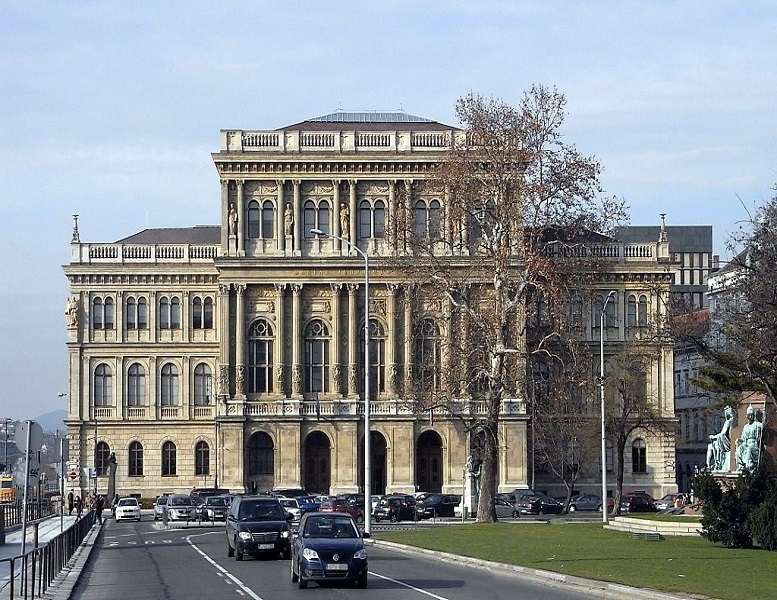
The Hungarian Academy of Sciences, founded in 1825, is the dominant research organisation in the country and a major centre of cultural life. It employs 5000 people, including 3000 researchers. It consists of multiple parts, from a library through to a publishing house and a membership-based academic body. The research network of the Academy comprises 15 independent research centres, involving 44 basic-research institutes as well as more than 130 research groups at universities co-financed by the Academy, accounting for one-third of all scientific publications produced in Hungary. This network was thoroughly reformed in 2011–12 by President József Pálinkás, a scholar and former conservative minister of education, giving it its current form, also introducing a new scientific performance evaluation and increasing the role of tender-based financing. Until now, the Academy was allocated an independent budget, and strategic decisions about the direction of research were made by the researchers and the heads of research institutes.

The latest attack on the Academy began with a smear campaign against researchers at the Academy. An article in conservative magazine Figyelő a pro-government mouthpiecelisted all researchers at the Centre for Social Sciences who study immigration, gay rights and gender, attempting to ridicule their work.[9] The article claimed that the research at the Centre is politically suspicious and argued for greater governmental insight into the Academy’s work. In parallel, the government created a new ministry, the so-called Ministry for Innovation and Technology, led by Minister László Palkovics. This was followed by a decree approved by the Parliament in July 2018, which ordered a complete restructuring of the organisation and funding of academic research at the Hungarian Academy of Sciences. The decree also ordered an evaluation of the Academy’s research centres to be finished by March 2019, the outcome of which will determine which institute stays open, which ones will be merged with a university or closed.

However, the sincerity of this evaluation was put in doubt as the government also announced that from 2019, the Academy’s 28-billion forint (US$98-million) research budget will be transferred to the Ministry for Innovation and Technology – without waiting for the results of the evaluation. In December last year, Innovation Minister László Palkovics said that the Ministry would release funds from the academy’s budget for the salaries of the academy’s researchers for the first 3 months of 2019 until the “new structure and financing model” for research is put in place.[10] At the same time he also said that the Ministry will continue to withhold running costs for the institutes in this period and that the Academy should secure the money for overheads from other academy resources and through external (mostly EU) applications.

After April, the entire funding of the Academy will be based on applications. The Ministry divided the entirety of science into four sections: (1) secure society and environment; (2) industry and digitalization; (3) health; (4) culture and family. Social scientists and humanities researchers are expected to apply for financial support under the ‘culture and family’ heading. The funding of these fields will also be slashed by about 40%. However, in addition to the cuts, the call for proposals – that will redistribute the money taken away from the Academy – will not only be open for the research institutes of the Academy, but also for other universities and state-funded research institutions. The whole system is put together in three months, and although the evaluation criteria of the 4,000-words ‘applications’ requested by the Ministry are unclear, we know that they will be judged by a body under the direct control of Palkovics’s Ministry.

Understandably, this whole procedure infuriated the staff and the leadership of the Academy, who point out that the whole manoeuvre of the government is illegal, as the 2019 budget accepted by the Parliament guarantees the funding of the Academy. However, the Academy is not completely hostile to the reforms. The Presidium of the Academy declared that “Based on the results of the audit, we are ready to make the necessary structural changes”, at the same time rejecting sacrificing social sciences at the altar of fake economic innovation.[11] However, the views of scientists have not been appropriately taken into consideration. Péter Somogyi, a HAS academic who is based at the University of Oxford, UK, says that the Ministry’s actions have created an atmosphere of uncertainty and fear.[12]

Facing a government unwilling to change its policy, the employees of the Academy have launched a solidarity campaign[13] and welcomed a spontaneous demonstration that formed a human chain around the Academy of Sciences building in Budapest. Despite growing international solidarity[14], the EU has done nothing to stop the process. Notwithstanding the occasional condemnations here[15] and European Parliament (EP) resolutions there[16], overall, European elites have been paralysed by Orbán’s attacks on academic freedom. Article 7, triggered last year by the EP, was never really meant to lead anywhere, and the European People’s Party (EPP) keeps Fidesz among its members. In December 2017, the European Commission referred Hungary’s higher education law to the European Court of Justice on the grounds that infringes on the rights of universities, but the court has not yet discussed the case, allowing CEU to be banned from the country. European academics, all Jean Monnet Chairs, have also previously decried the EU’s ‘inaction in the face of the Hungarian government’s attacks on CEU’ in an open letter to the President of the EU council.[17] Recently, the EP has voted to tie the new EU budget to the rule of law, but we have yet to see how this will play out in the future.

Authoritarian state capitalism against the knowledge economy

The government’s pretext for the massive overhaul of the funding and organisation of science is the need to promote innovation and increase the country’s global competitiveness. But is that really the case?

Through a series of overt and covert measures, the government has indeed attempted to prop up capital accumulation, also for transnational investors, but especially for national big businesses[18]. Among others, the government eliminated the second tier of the corporate tax (previously 19%) and introduced a flat 9% tax in 2016. In reality, the largest corporations pay much less tax due to various tax incentives and allowances offered by the government, so that the government calculated with an effective tax rate of 5% for the 2019 tax year.[19] The largest companies are able to reduce even this level with intra-company transfer pricing and other mechanisms. The actual corporate tax paid by 30 of the largest companies in Hungary on their income before taxes is only 3.6%.[20]

The Orbán-regime has significantly increased the subsidies to large corporations. Between 2004 and 2010, the total value of subsidies was 130 billion forint ($456 million), between 2011 and 2018 this has grown to 347 billion forints ($1.22 billion). The state has also signed Strategic Partnership Agreements with the largest, mostly transnational corporations in the country, altogether 79 until the end of 2018. This helped to pacify transnational business engaged in technology-intensive production. In fact, the editor of Budapester Zeitung, a leading German-language newspaper in Hungary, said in a report by WirtschaftsWoche that 90% of German investors in Hungary would vote for Orbán.[21] As long as German big business enjoys Hungary’s authoritarian state capitalism, it is unlikely that the EPP – dominated by German conservatives – will step up against Fidesz, or the EU would enact substantial measures against the Hungarian government. Angela Merkel was rather friendly in February this year at the latest meeting of the Visegrád 4 (the political grouping comprising the Czech RepublicHungaryPoland and Slovakia), avoiding any criticism of the Hungarian government’s attacks on academic freedom.

Although these measures might be able to bolster the support of the government among local and international elites, they have not been enough to improve the country’s innovation potential or its international competitiveness. In fact, many of the government’s measures were explicitly directed at reducing the knowledge intensity of the economy. The government’s most important aim is to make big money and to make Hungarian big money happy, the ignorance towards education is a direct result of that. Hungarian national capital is overwhelmingly located in low-skill, non-tech sectors of the economy: construction, agriculture, retail, as well as non-tech industry manufacturing basic materials. To increase their production, these companies need low-payed low-skilled workers.

László Parragh, chair of the Organization of the Hungarian Chamber of Commerce and Industry, one of the central lobby groups of Hungarian national capital and a major figure behind the government’s educational reforms, proudly asserted, “We have been partners in crime with the government”. Although, he thinks that economic rationality would have necessitated the compulsory education age to be reduced to 15.[22] Altogether, the state slashed education spending from 5.4% of GDP to 4.9% between 2009 and 2016 (EUROSTAT, 2018b), reduced the compulsory education age from 18 to 16, and also curtailed state-funded higher education, which led to a 15% decline in tertiary school enrolment from 2010 to 2016.[23]

If promoting innovation and increasing the country’s global competitiveness was really the goal of the government, it has done very poorly over the past eight years. The economy’s declining innovation-potential led to a decrease in the share of high-tech goods in the export since 2010, with a continuous decline in the country’s economic complexity index, an indicator created by researchers at the Massachusetts Institute of Technology (MIT) to measure the knowledge intensity of an economy.[24] Focusing on low-skill labour also did not help to close the productivity gap between Hungarian and transnational corporations. In fact, it has slightly grown from 2.96 in 2010 to 3.14 in 2015 (a foreign-owned company produces 3.14 times as much added value per employee as a nationally owned company) according to my estimates based on data from the EU’s FATS database.[25] The post-2010 government has thus effectively locked Hungary’s economy into a model specialised in low value-added precarious production, the exact opposite of an innovation-led knowledge economy.

Instead of genuine concern for innovation, the government’s aim is more likely purely political. The reorganisation of the Hungarian Academy closely follows Putin’s attack on the Russian Academy of Sciences in 2013–14 and echoes Erdogan’s purge of dissenting intellectuals.[26] The goal is to reduce the Academy to an innocuous ‘academic club’ of mostly retired members, while the government gets a free hand in allocating scientific funding. When successful, these attempts will contribute to cementing Orbán’s power and increase the stability of Hungary’s variant of authoritarian state capitalism.

Photo by Aisano, published under Creative Commons with no changes made.

[1] The New York Times, 2018b. Hungary’s Judges Warn of Threats to Judicial Independence. Benjamin Novak and Patrick Kingsley, The New York Times, 2 May 2018, URL: https://www.nytimes.com/2018/05/02/world/europe/hungary-judges-independence.html 

[2] Atlatszo.hu, 2018. Hungarian government spent €40 million on anti-Soros propaganda in 2017. Katalin Erdélyi, atlatszo.hu, 4 February 2018, URL: https://english.atlatszo.hu/2018/02/04/hungarian-government-spent-e40-million-on-anti-soros-propaganda-in-2017/

[3] Hungarian Spectrum, 2017. Fidesz’s very own ‘NGOs’ stuffed with public money. Éva Balogh, Hungarian Spectrum, 13 May 2017, URL: http://hungarianspectrum.org/2017/05/13/fideszs-very-own-ngos-stuffed-with-public-money/

[4] The New York Times, 2018. How Viktor Orban Bends Hungarian Society to His Will. Patrick Kingsley, The New York Times, 27 March 2018, URL: https://www.nytimes.com/2018/03/27/world/europe/viktor-orban-hungary.html

[5] Freedom House, 2019. Democracy in Retreat: Freedom in the World 2019. Washington DC: Freedom House. URL: https://freedomhouse.org/report/freedom-world/freedom-world-2019/democracy-in-retreat

[6] Zsubori, Anna, 2018. “Gender studies banned at university – the Hungarian government’s latest attack on equality”. The Conversation, 9 October 2018. URL: https://theconversation.com/gender-studies-banned-at-university-the-hungarian-governments-latest-attack-on-equality-103150

[7] Enyedi, Zsolt, 2018. “Democratic Backsliding and Academic Freedom in Hungary”. Perspectives on Politics, 16(4), 1067-1074. doi:10.1017/S1537592718002165

[8] CEU, 2018. CEU Forced Out of Budapest: To Launch U.S. Degree Programs in Vienna in September 2019. Press release, 3 December 2018, Central European University, URL: https://www.ceu.edu/article/2018-12-03/ceu-forced-out-budapest-launch-us-degree-programs-vienna-september-2019

[9] Science|Business, 2018. Orbán allies target Hungarian social scientists, in battle with Academy of Sciences. Florin Zubașcu, Science|Business, 22 June 2018. URL: https://sciencebusiness.net/news/orban-allies-target-hungarian-social-scientists-battle-academy-sciences

[10] Science|Business, 2019. Government continues crackdown on academic freedom in Hungary. Florin Zubașcu, Science|Business, 22 January 2019. URL: https://sciencebusiness.net/news/government-continues-crackdown-academic-freedom-hungary

[11] Science|Business, 2019. Government continues crackdown on academic freedom in Hungary. Florin Zubașcu, Science|Business, 22 January 2019. URL: https://sciencebusiness.net/news/government-continues-crackdown-academic-freedom-hungary

[12] Nature, 2018. Hungary’s government throws science academy into turmoil. Alison Abbott, Nature, 17 December 2018. URL: https://www.nature.com/articles/d41586-018-07440-8

[13] Hungarian Academy Staff Forum (HASF) website, URL: https://adf2019.wordpress.com/english/

[14] Hungarian Free Press, 2019. Alberta’s Wirth Institute in solidarity with Hungarian Academy of Sciences. Hungarian Free Press, 12 February 2019. URL: http://hungarianfreepress.com/2019/02/12/albertas-wirth-institute-in-solidarity-with-hungarian-academy-of-sciences/

[15] Science|Business, 2019. EU vice president decries ‘systematic pressure’ on academic freedom in Hungary. Florin Zubașcu, Science|Business, 31 January 2019. URL: https://sciencebusiness.net/news/eu-vice-president-decries-systematic-pressure-academic-freedom-hungary

[16] Inside Higher Ed, 2018. EU Acts Against Hungary, Citing Academic Freedom. Elizabeth Redden, Inside Higher Ed, 13 September 2018. URL: https://www.insidehighered.com/quicktakes/2018/09/13/eu-acts-against-hungary-citing-academic-freedom

[17] See the whole latter at https://verfassungsblog.de/europes-shameful-silence-an-open-letter-to-eu-leaders-from-jean-monnet-chairs/

[18] Scheiring, Gábor. 2018. “Lessons from the Political Economy of Authoritarian Capitalism in Hungary”, Transnational Institute, Challanging Authoritarianism Series, No 1, April 2018. Amsterdam. URL: https://www.tni.org/en/publication/lessons-from-the-political-economy-of-authoritarian-capitalism-in-hungary

[19] Menedzsment Fórum, 2018. Here is the proof that Hungary is a Tax Haven (In Hungarian: ‘Íme a bizonyíték, hogy Magyarország adóparadicsom’). Zoltán F. Baka, mfor.hu, 5 July 2018, URL: https://mfor.hu/cikkek/vallalatok/ime-a-bizonyitek-hogy-magyarorszag-adoparadicsom.html

[20] G7.hu, 2018. 30 of the largest multinational companies could siphon off 48 billion forints each year from Hungary (In Hungarian: ‘Évi 48 milliárd forintnyi társasági adót trükközhet ki az országból 30 magyarországi multi’). Péter Bucsky, g7.hu, 12 November 2018, URL: https://g7.hu/piac/20181112/evi-48-milliard-forintnyi-tarsasagi-adot-trukkozhet-ki-az-orszagbol-30-magyarorszagi-multi/

[21] WirtschaftsWoche, 2018. Deutsche Firmen in Osteuropa: Geschäfte machen beim Europafeind. Simon Book, WirtschaftsWoche, wiwo.de, 30 January 2018, URL: https://www.wiwo.de/my/politik/europa/deutsche-firmen-in-osteuropa-geschaefte-machen-beim-europafeind/20903608.html

[22] 168ora.hu, 2017. László Parragh: I admit that we have been partners in crime with the government (In Hungarian: ‘Parragh László: Tettestársak voltunk a kormánnyal’). Attila Buják, 30 November 2017, 168 óra, URL: https://168ora.hu/itthon/parragh-laszlo-tettestarsak-voltunk-a-kormannyal-13254

[23] World Bank, 2018. World Development Indicators, 1960 – 2017. Available online at http://data.worldbank.org/data-catalog/world-development-indicators (last accessed on 07 December 2018), The World Bank.

[24] MIT, 2018. Economic Complexity Rankings (ECI). The Observatory of Economic Complexity, MIT Media Lab, last accessed on 20 December 2018, URL: https://atlas.media.mit.edu/en/rankings/country/eci/?year_range=2011-2016

[25] EUROSTAT, 2018a. Foreign affiliate statistics (FATS). Eurostat Foreign affiliate statistics (FATS), Last update: 22 February 2018, URL: http://ec.europa.eu/eurostat/web/structural-business-statistics/data/database

[26] Zgut, Edit, 2019. Orbán’s Next Victim: the Hungarian Science Academy. The Visegrad Insight, 11 February 2019. URL: https://visegradinsight.eu/orbans-next-victim-the-hungarian-science-academy/

Footnotes
    Related Articles

    Responding to terrorism requires social cohesion, not censorship

    Article by Katie Morris

    February 5, 2019

    Responding to terrorism requires social cohesion, not censorship

    Governments across Europe regularly invoke the threat of terrorism to limit freedom of expression beyond what is permitted under international law. Journalists, activists and ordinary social media users are subject to arbitrary restrictions in relation to their online expression. There is little evidence of the success of such restrictions in preventing terrorist attacks, while their chilling effect on freedom of expression is widely documented.[1]

    And yet terrorism remains a very real threat, both in Europe and globally. Terrorist attacks, of various ideological, political or religious motivations, have increased across Europe over the past decade.[2] This has been accompanied by violent groups’, notably ISIS and violent far right movements’, increasingly professional and strategic exploitation of social media networks in order to recruit and radicalise. Radicalisation, particularly online, poses an evolving threat to societies, warranting some form of governmental response. This article explores why overly broad terrorist legislation is so problematic and explores alternative approaches to effectively tackle terrorist threats, while respecting the right to freedom of expression and other associated rights.

    Abuse of counterterrorism legislation

    In December last year, Dunja Mijatović, Commissioner of Human Rights at the Council of Europe, published an article describing the misuse of anti-terrorism legislation as one of the greatest threats to freedom of expression in Europe[3].

    In Turkey, for example, an estimated 175 journalists have been arrested following the July 2016 coup attempt.[4] Many face charges of affiliation with, membership of, or propaganda for a terrorist organisation; however, independent trial monitors, myself included, have documented the almost total lack of evidence in such cases. The cases rely almost solely on articles written by defendants, or posts on social media, which contain no calls to, or apologies for, violent acts.[5]

    Mijatović identifies ‘vague or unduly broad’ definitions, such as ‘glorification’ or ‘propaganda’ to terrorism as particularly problematic. These have proliferated across Europe, targeting musicians, activists and ordinary citizens, particularly those expressing themselves on social media. For example in 2017, a Spanish court sentenced student Vera Cassandra to a one year suspended sentenced for ‘glorification’ of terrorism’ (Article 578 of the Spanish Penal Code) in relation a series of tweets she sent, joking about a Franco-era Minister, killed in an ETA terrorist attack.[6]

    Meanwhile, at the European Union level, the European Commission has proposed a new Regulation on preventing the dissemination of terrorist content online.[7] The inclusion of vague and broad definitions of ‘terrorist content’ have been sharply criticised by freedom of expression advocates as potentially enabling the arbitrary removal of content, particularly that produced by human rights defenders, independent media and minority groups.[8]

    International human rights law is clear that, in very limited circumstances, the right to freedom of expression may be restricted in order to ensure national security and prevent terrorism. However, any legislation must be precisely formulated, to avoid broad or abusive application, and strictly necessary for the purposes of national security. In practice, this means that, when imposing any sanction against terrorist speech, a court must demonstrate that the expression is intended to incite imminent violence; it is likely to incite such violence; and there is a direct and immediate connection between the expression and the likelihood of violence.[9]

    International human rights standards maintain that offensive, shocking or disturbing speech must be permitted.[10] When states prosecute such expression, or invoke anti-terror legislation to silence criticism, they make our societies poorer, limiting dialogue and obstructing pluralism and diversity. Moreover, unfounded restrictions seed distrust towards authorities, delegitimising efforts to prevent genuine incitement to violence.

    Beyond restrictions on expression

    This does not mean there is no role for government in responding to terrorist speech. In May 2017, the UN Security Council adopted Resolution 2354, urging UN Member States to support positive and credible alternatives to audiences vulnerable to extremist messages.[11]

    Counter narratives have also been advanced as a solution to offensive, shocking or extremist speech, where it doesn’t meet the threshold of severity that would warrant a restriction. [12] Such expression, which might also be called ‘hate speech’[13], does not pose a direct threat to national security; however, it raises serious concerns about societal cohesion and may undermine others’ enjoyment of rights, particularly the right to equality and non-discrimination. It is entirely legitimate that a government, and indeed broader society, would challenge such expression through non-coercive and non-restrictive approaches.

    Aimed at discrediting and deconstructing terrorist and/or extremist messaging, counter and alternative narratives providing alternative viewpoints that promote democratic values and human rights. The underlying theory, that compelling positive speech will win out against terrorist or extremist narratives, is appealing. However, in reality, counter narratives vary in quality, often struggling to secure sufficient funding to produce content of the same quality of the propaganda that they are trying to debunk.[14] Moreover, there is a myriad of challenges in reaching a vulnerable audience at risk of consuming violent extremist content with credible counter narratives; and a high risk that, in targeting the wrong people, or deploying off-message content, you actually exacerbate the problem.

    Methodologies such as Google Jigsaw’s Redirect Method,[15] which uses Google Adwords targeting tools to connect at-risk individuals with online counter narratives, may help tackle this problem. As pressure grows on social media companies to respond to the growth of extremist content on their platforms, we will likely see ever more complex technological solutions to content moderation.  However, it seems likely that both tech companies and governments may need some persuasion to adopt transparent tools for responding to online terrorist content that adhere to international human rights standards. Civil society, particularly freedom of expression advocates concerned by the over-removal of content, can play a further valuable role in advocating for governments and businesses to adopt and support human rights compliant that promote online counter narratives, over the cruder method of content removal.

    Finally, much radicalisation occurs offline; therefore, efforts to prevent radicalisation must also operate offline. Academics and experts have advanced various theories on the drivers of radicalisation, including socio-economic exclusion, concerns about poor governance, inequality and poverty and psychological issues at the individual level.[16] While counter narratives may go some way to addressing these, the role of outreach workers and community mobilisers working with at risk individuals is critical.

    Conclusion

    Overly broad restrictions on ‘terrorist’ are not only a human rights violation; they are also unlikely to prevent violence as they fail to recognise the complexity of radicalisation. The work of civil society organisations and human rights watchdogs in monitoring and exposing governments’ misuse of anti-terrorism legislation to restrict freedom of expression is thus essential. However, their work would be strengthened by a clear evidence base demonstrating the effectiveness of non-legislative approaches to challenging terrorist, extremist or divisive content. This requires broad cooperation between tech companies, academia and civil society, underpinned by state support, to measure the impact of the recent proliferation of counter narrative initiatives; and ensure such approaches comply with human rights.

    Katie currently works for Moonshot CVE, a tech start up working to disrupt violent extremism. She previously worked as Head of Europe and Central Asia at ARTICLE 19, a human rights NGO focused on freedom of expression. She oversaw a number of projects across the EU, Eurasia and Turkey, focused on media freedom and pluralism, access to information, hate speech and freedom of expression online. Prior to this, Katie worked as Conflict and Security Advisor for Europe and Central Asia at Saferworld, a conflict-prevention and peacebuilding organisation.

    [1] Amnesty International,  Europe: Dangerously disproportionate: The ever-expanding national security state in Europe, 17 January 2017 https://cdt.org/insight/letter-to-ministers-of-justice-and-home-affairs-on-the-proposed-regulation-on-terrorist-content-online/, pp.37 – 44

    [2] Europol, EU Terrorism Situation & Trend Report (2018), https://www.europol.europa.eu/sites/default/files/documents/tesat_2018_1.pdf

    [3] Dunja Mijatović, ‘Misuse of anti-terror legislation threatens freedom of expression’, Council of Europe Human Rights Comment, 04/12/18 https://www.coe.int/en/web/commissioner/-/misuse-of-anti-terror-legislation-threatens-freedom-of-expression

    [4] Human Rights Watch, World Report 2019, https://www.hrw.org/world-report/2019/country-chapters/turkey#803bf5

    [5] See for example: Article 19, Turkey: Aggravated life sentences in Altans trial confirm absence of rule of law’, 03/10/18 https://www.article19.org/resources/turkey-aggravated-life-sentences-in-altans-trial-confirm-absence-of-rule-of-law/ Bar Human Rights Committee, ‘Trial Observation Interim Report, Şahin Alpay & others v Turkey Zaman Newspaper: Journalists on trial June 2018’, http://www.barhumanrights.org.uk/wp-content/uploads/2018/07/Zaman-TRIAL-OBSERVATION-INTERIM-REPORT-FINAL-1-1.pdf

    [6] Amnesty International, ‘Spain: Counter-terror law used to crush satire and creative expression online’, 13/03/18 https://www.amnesty.org/en/latest/news/2018/03/spain-counter-terror-law-used-to-crush-satire-and-creative-expression-online/

    [7] https://ec.europa.eu/commission/sites/beta-political/files/soteu2018-preventing-terrorist-content-online-regulation-640_en.pdf

    [8] Letter to Ministers of Justice and Home Affairs on the Proposed Regulation on Terrorist Content Online, 04/12/2018 https://cdt.org/insight/letter-to-ministers-of-justice-and-home-affairs-on-the-proposed-regulation-on-terrorist-content-online/

    [9] See, the Johannesburg Principles on National Security, Freedom of Expression and Access to Information, which authoritatively interpret international human rights law in the context of national security https://www.article19.org/resources/turkey-academics-peace-trials-violate-free-expression/

    [10] Human Rights Committee, Draft General Comment No. 34, U.N. Doc. CCPR/C/GC/34/CRP.2 (2010) https://www.refworld.org/docid/4ed34b562.html

    [11] UN Security Council, Resolution 2354, U.N. Doc S/RES/2354 (2017) http://www.un.org/en/ga/search/view_doc.asp?symbol=S/RES/2354(2017)

    [12] See for example: Council of Europe, WE CAN! Taking Action against Hate Speech through Counter and Alternative Narratives, 2017 https://rm.coe.int/wecan-eng-final-23052017-web/168071ba08

    [13] There is no universal definition of ‘hate speech’ under international law. The worst cases of ‘hate speech’ may be prosecuted under charges of incitement to violence, hostility and discrimination; however much ‘hate speech’ cannot be restricted, despite being offensive. Such expression nevertheless demands a robust government response, including condemning such expression and the implementation of positive policy measures aimed at promoting dialogue and equality. See Article 19’s ‘Hate Speech Tool Kit’ (2015) for an overview of international legislation standards in this area: https://www.article19.org/data/files/medialibrary/38231/’Hate-Speech’-Explained—A-Toolkit-%282015-Edition%29.pdf

    [14] RAN Issue Paper, Counter Narratives and Alternative Narratives (2015) https://ec.europa.eu/home-affairs/sites/homeaffairs/files/what-we-do/networks/radicalisation_awareness_network/ran-papers/docs/issue_paper_cn_oct2015_en.pdf

    [15] https://redirectmethod.org/

    [16] ODI, ‘What do we know about drivers of radicalisation and violent extremism, globally and in Niger?’, February 2017, https://www.odi.org/sites/odi.org.uk/files/resource-documents/11405.pdf

    Footnotes
      Related Articles

      Why would a Third Country Root for Soft Brexit? Views and Lessons from Turkey

      Article by Dr Yaprak Gürsoy

      January 29, 2019

      Why would a Third Country Root for Soft Brexit? Views and Lessons from Turkey

      The British and the Europeans are not the only two publics, holding their breath and waiting for the outcome of Brexit. Turkey is also observing the situation, hoping for the approval of a Brexit deal by the UK Parliament. But why is Brexit significant to Turkey? Why would the UK’s ‘divorce’ from the European Union ( EU) be a concern for Turkey, a non-EU country?

      There are two sides to the story, one political and the other economic. When the Brexit campaign started in 2016, the  economic consequences for bilateral relations between  the UK and Turkey was not the most important item on the agenda given that the VoteLeave campaign demonized Turkey [1]and its prospects of EU membership. This was worrisome especially because consecutive British governments had been supportive of Turkish aspirations for membership of the EU[2] and the two countries had, for the most part, enjoyed good relations since 1945. With Brexit, Turkey would lose a significant diplomatic  ally  inside the Union.

      However, in the aftermath of the referendum, the VoteLeave campaign was quickly forgotten and there were hopes in Ankara and London that Brexit might, in fact, be an opportunity to reinforce bilateral ties. The then UK Foreign Secretary Boris Johnson’s visit to Turkey in September 2016, where he announced the desire to sign a “jumbo trade deal,”[3] strengthened these hopes. Positive sentiments continued and in May 2018 when President Erdoğan visited London, it was mutually agreed that steps would be taken to increase the volume of trade by over 30 %[4].

      The reality, however, turned out to be more complicated than these high profile bilateral visits would suggest. As I was doing field research and interviews in the past three months for a project on Anglo-Turkish relations, funded by the British Institute at Ankara[5], I learned from Turkish officials and business community that a no-deal Brexit would be an undesirable outcome. As some of my interviewees stressed, Turkey could possibly incur significant economic losses in the event  of a no-deal Brexit because it is a Customs Union country, but not an EU member. In other words, if the United Kingdom leaves the EU without a deal, and hence no Customs Union, Turkey would lose its comparative advantage in the UK market with no immediate bilateral mechanism to replace it.

      Among the 28 trade partners in the EU, the UK has been an important destination for Turkish exporters. The volume of trade between the two countries was over 16 billion USD[6] in 2017 and rising. While the UK exports high-value-added goods to Turkey, it imports basic goods resulting in a ‘traditional trade structure’[7] that seems to favour British businesses. However, in terms of trade balance, the UK is the only major European country with which Turkey has a surplus. Turkey exported 9.6 billion USD worth of goods to the UK in 2017 and imported 6.5 billion USD. Both figures were increased by 62 and 89 % respectively in the past eight years[8]. The UK is Turkey’s second biggest export destination after Germany and this, coupled with the trade surplus, explains the special place credited to the British market by Turkish businesses and government officials.

      The success of Turkish exporters to the UK, especially in the textile and automotive sectors, is attributed to two factors. Firstly, Turkish products have comparative advantage over some other nations, such as China, due to geographical proximity, which results in faster and less costly shipments. And secondly, as a member of the Customs Union, there has been no tariffs and quotas that adversely affected trade relations in the exchange of goods between the countries.

      The latter is now at risk due to Brexit. If Britain leaves the EU without a deal that would keep it in the Customs Union, then Turkish exports would lose their comparative advantage. Although London has declared its intentions to sign bilateral Free Trade Agreements (FTAs) after it leaves the EU, this does not seem to be a viable option in the case of its partnership with Ankara. Turkey’s Customs Union obligations make it difficult to sign FTAs independent of the EU. Indeed, Turkey’s relationship with the EU is ‘asymmetric and dependent’[9] because it is obligated to follow EU commercial policy without having a say in it. It is no surprise that, Ankara has not signed many meaningful FTAs since joining the Customs Union and has been requesting to modify its trade arrangement[10] with the EU.  Now Turkey faces the additional danger of losing its comparative advantage in the UK market vis-à-vis third countries, who would be able to sign FTAs.

      If the UK Parliament approves a deal, this would help Turkey buy time. It is likely that the Customs Union will continue at least two more years, during which the EU and the UK will try to sign another deal to manage trade relations. However, Turkey will have to wait on the side-lines (as it has been mostly doing until now) since it has no decision-making powers in the EU. If in the end, the UK decides to leave the Customs Union, then Turkey would find itself in the situation that it dreads now: the possibility of losing its trade advantage in Britain, even if the EU and the UK sign a trade deal (because EU FTAs do not automatically cover Turkey).

      The ambivalent position of Turkey during the Brexit negotiations should also serve as a valuable lesson to keep in mind for London. Despite the advantages Turkish businesses have gained in the European markets (exports to the UK being certainly the most successful example), Ankara’s hands have been tied with regards to FTAs with third countries. If the UK eventually stays in the Customs Union, it would certainly be a positive outcome for Turkey, but then the UK would be unable to sign FTAs in the goods with other countries as it wishes, a point which was alluded to by others, including Donald Trump[11].

      The implications of Brexit are beyond Britain and the EU. While the negotiations have revealed once again how Ankara has been left out of the decision-making process in the EU, the gloomy long-term prospects of bilateral trade between Turkey and the UK is also a good reminder of how Brexit has consequences outside the EU borders.

      Photo by Matt Dunham/Pool via Reuters.

      [1] James Ker-Lindsay (2018) Turkey’s EU accession as a factor in the 2016 Brexit referendum, Turkish Studies,19:1, 1-22, https://www.tandfonline.com/doi/abs/10.1080/14683849.2017.1366860?journalCode=ftur20

      [2] Britain: An ally of Turkey in Europe? Othon Anastasakis, Insight Turkey, Vol. 6, No. 4 (October – December 2004), pp. 38-48

      [3] Boris Johnson wants ‘jumbo’ Turkish trade deal, BBC News, September 2016, https://www.bbc.co.uk/news/uk-politics-37483088

      [4] Turkey, UK aim for $20 billion in trade volume, Erdoğan says, DailySabah, May 2018, https://www.dailysabah.com/diplomacy/2018/05/13/turkey-uk-aim-for-20-billion-in-trade-volume-erdogan-says

      [5] The British Institute at Ankara website https://biaa.ac.uk/

      [6] Commercial and Economic Relations between Turkey and the UK, Republic of Turkey Ministry of Foreign Affairs , 2018 http://www.mfa.gov.tr/commercial-and-economic-relations-between-turkey-and-england.en.mfa

      [7] Britain’s relationship with Turkey in charts, Financial Times, https://www.ft.com/content/91c8a1ba-54fb-11e8-b3ee-41e0209208ec

      [8] Türkiye, İngiltere ekonomik ilişkilerde altın çağını yaşıyor, May 2018, ‘Dunya’ Turkish news website, https://www.dunya.com/ekonomi/turkiye-ingiltere-ekonomik-iliskilerde-altin-cagini-yasiyor-haberi-415718

      [9] Turkey is no model for Britain’s post-Brexit trade policy, Open Europe, October 2016, https://openeurope.org.uk/impact/turkey-no-model-britains-post-brexit-trade-policy/

      [10] EU–Turkey Customs Union Prospects for Modernization and Lessons for Brexit, Chatham House, December 2018, https://www.chathamhouse.org/sites/default/files/publications/research/2018-12-12-eu-turkey-customs-union-hakura.pdf

      [11] Yes, Donald Trump is talking perfect sense on May’s Brexit deal, The Guardian, November 2018, https://www.theguardian.com/commentisfree/2018/nov/27/donald-trump-theresa-may-brexit-deal-peter-mandelson

      Topics
      Regions
      Footnotes
        Related Articles

        The China–US Trade War and the Future of the Liberal Economic Order

        Article by Dr Catherine Owen

        January 28, 2019

        The China–US Trade War and the Future of the Liberal Economic Order

        The topic on every internationally minded Chinese person’s lips when in conversation with a Westerner appears to be the US-China trade war. The following text summaries my informal discussions over lunch and during walks, with friends and colleagues in Shanghai, on the reasons behind, and potential consequences of, growing economic tensions between the world’s two largest economies. My interlocutors are researchers and postgraduate students at some of Shanghai’s elite universities, as well as start-up entrepreneurs and employees of major Chinese tech firms. Our discussions highlight a troubling thesis: many worry that this trade war may be a precursor to a greater conflict, driven by US reluctance to cede its hegemonic position to a rising China. Ultimately, the discussions illustrate that the trade war embodies two irreconcilable visions of global economic order.

        Background to the Trade War

        The roots of the trade war lie in accusations by the US and other countries of economic malpractice by the Chinese government, in particular, the violation of intellectual property rights and the privileging of Chinese State Owned Enterprises (SOEs) in the domestic market. First, intellectual property theft has allegedly occurred in two ways: through the requirement that foreign companies share their technology when accessing Chinese markets, and through the use of spyware and hackers, both by the Chinese government [1] and by businesses, such as Huawei (though no evidence for this has yet emerged). Second, the Chinese approach to economic management, consisting of state subsidies for SOEs and preferential treatment for SOEs vis-à-vis foreign companies, is seen to violate WTO regulations stipulating a level playing field for international trade. In short, the US is demanding profound structural changes in the way that Beijing manages the Chinese economy – that it ditches, or at least softens, its commitment to a managed economy.

        Thus, the Trump administration launched an investigation[2] immediately upon taking office in January 2017, having long been critical of Chinese financial practices. Since March 2018, the Trump administration has applied over $250 billion worth of trade tariffs onto Chinese goods imported into the USA, arguing that the tariffs will make Chinese goods less competitive and encourage consumers to choose products made in America, thereby reducing the US’ large trade deficit with China. Predictably, Beijing responded by applying $110 billion of trade tariffs onto US goods. At the time of writing, the trade war has been paused to allow negotiators to try to reach a deal before the 2nd March deadline when a further $200 billion of US tariffs on Chinese goods are due to come into force. Progress, unfortunately, is slow.

        The perceived poster child for these practices is arguably ‘Made in China 2025’[3], China’s strategic plan to move away from its position as the global ‘shop floor’ for cheap manufactured goods, and catch up with high-tech Western companies in the fields of robotics, transport, aerospace, pharmaceuticals, and energy and agricultural equipment. Launched in 2015, the aim is to increase the market share of domestic high tech suppliers to 70% in ten years and ensuring that a specific number of component parts in various products should be produced domestically. Critics argue[4] that in order to achieve these lofty goals, MiC2025 will involve a smorgasbord of economic malpractices, including both intellectual property theft and preferential treatment for Chinese companies. In the wake of this criticism, MiC2025 has mysteriously disappeared from the media limelight in recent months; it is however unlikely that the project has been abandoned.

        Obscured in the British media by the omnipresent and all-consuming Brexit coverage, the trade war is an issue with far reaching consequences, not only slowing growth in China, but also in other Asian economies, such as Japan and South Korea, which depend on exports of specialised parts to China that are then used to make technical equipment and mobile phones. Furthermore, the trade war is also impacting the US economy, and the IMF[5] and World Bank[6] have both issued concerns that it could trigger a global recession.

        Chinese Views

        The Chinese intellectual classes have been following developments very closely. Yet, due to the lack of diversity of viewpoints represented in the Chinese media, several common themes emerged during my discussions. The most prevalent view among my interlocutors, also widely promulgated in the Chinese popular press, is that the West believes that China is rising too fast and has applied a trade war in order to prevent China from becoming a global superpower. The phrase, ‘Thucydides’ Trap’[7], coined by US political scientist Graham Allison to describe the near inevitability of war when a rising power seeks to displace the hegemonic power, is well known.

        More than one Chinese linked the discussion to a consideration of why Xi Jinping last year extended his presidency indefinitely. Was it because the defining task of his presidency is to ensure China becomes the new global hegemon and, in order to do this, a war is necessary? Friends pointed to the defining acts of other important Chinese leaders – Mao Zedong’s establishment of the People’s Republic of China, Deng Xiaoping’s reform and opening up of the country – and suggested that Xi believes his historic task is to finally place the Middle Kingdom at the centre of the global order. This is not a prospect that my interlocutors relish; comfortable members of the nascent middle class, they do not want military conflict to threaten new-found stability.

        Other, less sensationalist perspectives acknowledge that China has been violating WTO regulations for some time, and that its transparency record is indeed poor. However, they also observe that China is far from alone in failing to adhere to WTO best practice and fall back on the fear of China’s rise thesis to explain why the US is targeting them over other states. Some point to the personal characteristics of Donald Trump, a businessman with a ‘zero-sum’ mentality, who is thought unable to see trade from the ‘win-win’ perspective of the Chinese. A third, much smaller group suggest that the impact of the trade war has been overblown by the Chinese government to mask other failings in the Chinese economy, such as the impossibly high tax rates for small and medium sized businesses, the ageing population, and slowing consumption patterns.

        An Ideological Impasse?

        The trade war, in some senses, can be seen as a battle of capitalisms. China’s rise has demonstrated that countries able to control their economies, especially via protectionist measures in particular sectors, are able to achieve remarkable economic performance. Indeed, the ‘China model’ of state capitalism has lifted over 500 million people out of poverty since 1981, reducing the percentage of those living on less than two dollars a day from 88% to 6.5%; meanwhile the poverty rate in the US has remained more or less constant between 11.5 and 15%.[8] This fact rankles the current defenders of global free market capitalism; yet, ironically, in demanding that China opens its economy, the US imposed trade tariffs actually damage the openness of global trade on which this order is founded. While the astonishing growth of China’s middle class is now inevitably levelling off, China’s rise nevertheless poses an existential challenge to the universal applicability of Western-oriented capitalist model. Could this trade war constitute the first sign of the death throes of the liberal economic order?

        [1] Chinese Officer Is Extradited to U.S. to Face Charges of Economic Espionage, October 2018, New York Times,  https://www.nytimes.com/2018/10/10/us/politics/china-spy-espionage-arrest.html

        [2] Section 301 Report into China’s Acts, Policies, and Practices Related to Technology Transfer, Intellectual Property, and Innovation, March 2018, Office of the US States Trade Representative https://ustr.gov/about-us/policy-offices/press-office/press-releases/2018/march/section-301-report-chinas-acts

        [3] State Council of The People’s Republic of China, http://english.gov.cn/2016special/madeinchina2025/

        [4] How ‘Made in China 2025’ became a lightning rod in ‘war over China’s national destiny’, January 2019,  https://www.scmp.com/news/china/diplomacy/article/2182441/how-made-china-2025-became-lightning-rod-war-over-chinas

        [5] US trade war would make world ‘poorer and more dangerous’, BBC, October 2018, https://www.bbc.co.uk/news/business-45789669

        [6] WTO chief warns of worst crisis in global trade since 1947, BBC, November 2018, https://www.bbc.co.uk/news/business-46395379

        [7] Is war between China and the US inevitable?, Ted Talks, September 2018, https://www.ted.com/talks/graham_allison_is_war_between_china_and_the_us_inevitable

        [8] Following the Office of Management and Budget’s (OMB) Statistical Policy Directive 14, the U.S. Census Bureau uses a set of dollar value thresholds that vary by family size and composition to determine who is in poverty see https://www.census.gov/content/dam/Census/library/publications/2018/demo/p60-263.pdf 

        Footnotes
          Related Articles

          In Azerbaijan, big brother is watching you everywhere: offline, online, on mobile devices and social media apps 

          Article by Arzu Geybulla

          January 15, 2019

          In Azerbaijan, big brother is watching you everywhere: offline, online, on mobile devices and social media apps 

          On January 7th 2019,VirtualRoad, the secure hosting project of the Qurium – Media Foundation published[1] a report documenting fresh attacks against Azerbaijan’s oldest opposition newspaper Azadliq’s website (azadliq.info). The report concluded: “After ten months trying to keep azadliq.info online inside Azerbaijan using our Bifrost service[2] and bypassing multi-million dollars DPI deployments, this is one more sign of to what extent a government is committed to information control”. The DPI deployments also known as Deep Packet inspection have been used in Azerbaijan since March 2017 and is best described as digital eavesdropping that allows information extraction.

          But Azadliq newspaper wasn’t the only media outlet targeted. On December 27, 2018 another opposition media outlet Abzas.net was informed by Facebook, that its Facebook page had been removed due to “community standards violations”. Just days prior to the removal, the admins of the page reported being attacked by hundreds of trolls and they believe the page was taken down as a result of anonymous reports alleging the page was in such violation. The page remains inaccessible at the time of writing of this piece.

          Other outlets that have been under attack since November of last year, include the independent news platform Azadliq Radio (unrelated to the newspaper), the Azerbaijan Service for Radio Free Europe, which reported its Facebook page was hacked on November 24th 2018 and in the space of several hours, all of the videos and photos shared on the page up until the day the page was still active, were removed. Since the attack, the radio was able to take back control of its Facebook page. Last January, the Facebook page of the Berlin-based Meydan TV – a news site which covers events in Azerbaijan in three languages – also lost control of its Facebook page.[3] The hacker, deleted all of the posts, videos and photos that were shared on the page since its launch in 2014.

          For pundits observing this sequence of recent attacks it is nothing surprising or new since Azerbaijan started expressing its interest in purchasing surveillance spyware since as early as December 2011 when the National Security Services (which was officially dissolved in December 2015 and replaced by a new body of National Security Services) reached out to NICE Systems (an official reseller for Hacking Team based in Israel) with an interest to purchase “lawful hacking solutions”. In one of the leaked Hacking Team emails dating to May 2012[4], the following message further clarified the specific interest of the National Security Services. “[…] the customer stressed that they are interested in ISP-based infection (HT NIA), and mobile infections.” The next email exchange[5] between the providers zooms further into the details of the demo, mentioning the “interception of skype through ISP/MIM; interception of Skype on mobile (android, IOs and windows) and PC (IOs and Windows)’’. Among other tools offered by the Remote Control System, the Ministry of National Security was especially interested in the TNI (Tactical Network Injector), a RCS module that monitors a target’s network and injects an agent into selected Web resources and RMI (Remote Mobile Infection) which allows RCS agents to be installed on mobile phones.[6]

          What RCS technology allows is for data collection on infected devices both online and offline. The data is obtained through records by keystroke loggers and the system also allows hackers to turn on device cameras and microphones without the user’s knowledge.

          One of the examples of this technology being used to target civic activists was reported by Amnesty International in its 2017 report[7]. According to Amnesty, malware was detected on a computer of Ramin Hacili, the President of the Azerbaijan European Movement in 2015. The malware opens a bundled document that acts as a decoy once run by the victim. “It profiles the victim’s system (collecting IP addresses and system settings. The agent then continually records the keystrokes of the user and captures screenshots, most likely in order to obtain credentials for online platforms such as email and social media”. The same malware was used against human rights lawyer and former political prisoner Rasul Jafar, and others.

          Other forms of attacks have included artificial internet network congestion, as documented by the VirtualRoad 2016 report,[8] which helped to prevent access to a number of news websites in Azerbaijan (majority of those websites have been officially blocked as of May 2017). In its following report published in 2017, VirtualRoad also showed evidence of DDoS (Distributed Denial of Service) and other attacks traced to government associated IP address against independent media outlets.

          With the most recent attacks against Azadliq newspaper, Azadliq radio and other platforms, it is now clear, that in addition to resorting to a media crackdown, political intimidation and other forms of government pressure against media freedom and free speech, the government of Azerbaijan has successfully deployed a range of specialised and technical information control systems such as DDoS attacks, website blocking, hacking of social media accounts and emails of independent civil society activists, content takedown requests from YouTube, mass deployment of civil servants and youth volunteers as trolls, and the use of Deep Packet Inspection tools.[9]

          Where does this technology come from?

          According to VirtualRoad’s assessment, the DDoS attacks observed between October 2016 and March 2017 originated from dedicated servers operated by Azerbaijani system administrators, which made VirtualRoad conclude that the attackers were close to the country’s cybersecurity community. VirtualRoad also discovered botnet attacks against abzas.net and azadliq.info before these websites were blocked after the legal amendments in 2017.

          Another report released in April 2018 showed evidence of the government of Azerbaijan using Deep Packet Inspection (DPI) since March 2017. The report also found out that this specialised security equipment was purchased at a price tag of 3 million USD from an Israeli security company Allot Communications.[10]

          Having done work with NICE Systems, the government of Azerbaijan was well accustomed to be doing work with Israeli companies. In their newly released report[11], VirtualRoad also looks at how it became evident that Azerbaijan was also using Procera-Sandvine, a networking equipment company specializing in network traffic management and Deep Packet Inspection based in Waterloo, Canada in conjunction with Allot Communications technology. Previously the same company’s devices were used “to deliver nation-state malware in Turkey and indirectly into Syria, and to covertly raise money through affiliate ads and cryptocurrency mining in Egypt”, according to the detailed Citizen Lab report[12].

          Why any of this should matter?

          In a country where independent media has been reduced to a handful of operating journalists, with prisons notorious for ‘welcoming’ reporters and civic activists with open arms, and courts renowned for being efficient in sentencing on false charges, deployment of such sophisticated technology that allows the ruling government to have an open back door to citizens’ online and offline history, isn’t just alarming, but a direct violation of basic rights to privacy, anonymity, and safety.

          In a most recent case of crackdown is Mehman Huseynov. A citizen journalist who had been documenting government corruption, social inequalities and other issues on his popular YouTube channel Sancaq TV. Huseynov was sentenced two years ago on charges of slander. Due to be released in March 2019, Huseynov is now facing new charges for allegedly “resisting a representative of the authorities with the use of violence dangerous to his health and life,” which could carry an additional sentence of up to seven years in prison[13]. On December 26th 2018 after hearing about the new charges, Huseynov went on hunger strike.

          The new accusations prompted mass support on social media, while some activists attempted to rally in support of Huseynov in an unsanctioned protest in Baku which resulted in administrative arrests and fines. An international outcry followed suit with several rights watchdog groups as well as the Council of Europe Commissioner for Human Rights, Dunja Mijatović, calling on the authorities of Azerbaijan to immediately drop the new charges and release Huseynov[14].

          Huseynov insists he is innocent and so does the community of supporters who believe the new charges carry the sole purpose of keeping Huseynov behind bars while authorities disagree. Since his hunger strike, and the start of the international pressure, government representatives have stressed that Huseynov is in jail for breaking the law and thus serving his time for committed crimes.

          On January 11th2019 a statement apparently ‘written’ by Huseynov was circulated on social networks. In the statement, addressed at the media, Huseynov writes that “he is well, and that he is recovering from the earlier hunger strike. And that he expects the criminal investigation launched against him to be just”. But very few believed in the authenticity of the statement.

          His lawyer, Shahla Humbatova who saw Huseynov just a day before, said he never mentioned anything about a statement. “Unlike what is written in the statement, he told me he will continue refusing to eat solid foods and only drink juice and milk. He told me he will do so until March 2, which is the scheduled day of his release”, said Humbatova in an interview with Azadliq Radio, Azerbaijan Service for Radio Free Europe[15]. Mehman’s brother, Emin Huseynov, confirmed the letter was fabricated.

          In a country where justice rarely prevails, forced and fabricated statements should come as no surprise. The question that remains to be answered however is how much further, can one government go when already it has all the power it can possess.

          [1]Qurium, Political motivated attacks against azadliq.info,  January 2019, https://www.qurium.org/alerts/azerbaijan/political-motivated-attacks-against-azadliq-info/

          [2] Circumvention Of Internet Blocking, https://www.qurium.org/bifrost

          [3] Arzu Geybulla and Hebib Muntezir,  Azerbaijan’s authoritarianism goes digital, Open Democracy, February 2018, https://www.opendemocracy.net/od-russia/arzu-geybulla-hebib-muntezir/azerbaijans-authoritarianism-goes-digital

          [4] Azerbaijan – request for demo, May 2012, https://wikileaks.org/hackingteam/emails/emailid/443070

          [5] RE: Azerbaijan – confirmation of the 14th, May 2012 https://wikileaks.org/hackingteam/emails/emailid/443601

          [6] R: Bom Azerbaijan – Urgent, January 2013, https://wikileaks.org/hackingteam/emails/emailid/443734

          [7] Amnesty International, False Friends: How Fake Accounts and Crude Malware Targeted Dissidents in Azerbaijan, March 2017, https://www.amnesty.org/en/latest/research/2017/03/False-Friends-Spearphishing-of-Dissidents-in-Azerbaijan/

          [8] Qurium, Political motivated attacks against azadliq.info, January 2019, https://www.qurium.org/alerts/azerbaijan/political-motivated-attacks-against-azadliq-info/

          [9] Arzu Geybullayeva, Match made in heaven: Authoritarian states and digital surveillance. Case study from Azerbaijan, , 1 January – 30 June 2018, https://www.academia.edu/37482634/Match_made_in_heaven_Authoritarian_states_and_digital_surveillance_Case_study_from_Azerbaijan

          [10] Qurium, Corruption, Censorship and a Deep Packet Inspection Vendor, April 2018, https://www.qurium.org/alerts/azerbaijan/corruption_censorship_and_a_dpi_vendor/

          [11] SUS-759: SANDVINE AND INTERNET BLOCKING IN AZERBAIJAN, Stockholm, 9th January 2019, Qurium.org https://www.qurium.org/alerts/azerbaijan/sandvine-and-internet-blocking-in-azerbaijan/

          [12] BAD TRAFFIC, Sandvine’s Packet Logic Devices Used to Deploy Government Spyware in Turkey and Redirect Egyptian Users to Affiliate Ads?, March 9 2018, https://citizenlab.ca/2018/03/bad-traffic-sandvines-packetlogic-devices-deploy-government-spyware-turkey-syria/

          [13] Azerbaijanis pressure government to #FreeMehman after blogger endures 12 days on hunger strike

          8 January 2019, Global Voices, https://globalvoices.org/2019/01/08/azerbaijanis-pressure-government-to-freemehman-after-blogger-endures-12-days-on-hunger-strike/

          [14] Commissioner calls on the authorities of Azerbaijan to drop charges against Mehman Huseynov, January 2019, Council of Europe, https://www.coe.int/en/web/commissioner/-/commissioner-calls-on-the-authorities-of-azerbaijan-to-drop-charges-against-mehman-huseynov?fbclid=IwAR0-DIBSuuwYOdxZ2bS6W62zEcQ5EhsokS582DdE5X-JqH7czPVcLDdVayY

          [15] Mehman Hüseynovun vəkili: ‘Bu sürpriz oldu’ ( In English: Mehman Huseynov’s lawyer: It’s a surprise),  January 2019, Azadliq Radio, Azerbaijan Service for Radio Free Europe https://www.azadliq.org/a/mehman-huseynov-mektub/29704605.html


          Footnotes
            Related Articles

            FPC Briefing: The Authoritarian-Populist Wave, Assertive China and a Post-Brexit World Order

            Article by Dr Chris Ogden

            January 7, 2019

            FPC Briefing: The Authoritarian-Populist Wave, Assertive China and a Post-Brexit World Order

            Over the last decade, the rise of authoritarian tendencies represents an increasing illiberal wave in international politics. Such a wave is not limited to smaller countries but increasingly typifies the political leadership and underlying nature of the international system’s foremost powers, in the guise of the United States (US), Russia, China and India, who are normalizing authoritarian-populism as a dominant global political phenomenon. In this regard, we must recognise that authoritarianism and democracy are not opposing political systems but are fundamentally inter-related on one continuum, whose characteristics co-exist and significantly influence each other.  China is at the vanguard of this phenomenon and provides a clear counterpoint to western liberal democracy. With western democracies heavily reliant upon China’s continued economic growth and facing significant political upheavals and crises, in particular, Brexit, the essence of the liberal world order may soon be on the verge of capitulation to China’s preferred authoritarian basis.

            Authoritarian and populist tendencies are escalating in the international system, transforming the nature of domestic and global politics. Permeating the domestic proclivities of countries ranging from Hungary, Poland and Turkey, to Mexico, Brazil and the Philippines, ‘nearly six in ten countries … seriously restrict (their) people’s fundamental freedoms of association, peaceful assembly and expression’[1]. Authoritarian-populism is now also a shared phenomenon among the world’s most influential countries, and the rise of authoritarian tendencies among the great powers characterises an increasing illiberal theme in international politics over the last decade[2].

            ‘Anti-elitist’, assertive and nationalist-minded leaders all currently lead the world’s great powers – the United States (US), Russia, China and India – with each proactively proclaiming a common nationalistic goal of restoring their countries’ past glories and status. Via their economic, military and diplomatic strength, as well as substantial, growing and evermore vocal populations, it is these four major powers – more than any other countries – that will determine and delineate the foundations of world politics – and of the prevailing world order itself – in the decades to come.

            As such, in the US, the populist President Trump openly questions civil liberties, attacks the media, and side-lines and undermines major bureaucratic and legal bodies. In China, President Xi’s repressive government has increased internet surveillance, imprisons human rights activists, and threatens and re-educates religious activists. In Russia, an autocratic President Putin silences liberal opposition groups, restricts free speech, and controls media outlets. And in India, Prime Minister Modi’s Hindu nationalist rule is typified by heightened state censorship, the frequent banning of non-governmental organisations, and increased violence towards minority groups.

            A range of key factors critically binds these four leaders together; primarily their highly personalistic leadership styles, their desire for centralized political control, their appeal to mass public audiences, and their sustained intolerance of dissent. Of note too is that even before President Trump gained power, the US was downgraded to the status of a “flawed democracy” in the Economist’s Democracy Index 2016[3]. India holds a similar standing, whilst Russia and China are considered authoritarian. The Index bases its comparison across a range of factors, including the electoral process and pluralism, functioning of government, political participation, political culture and civil liberties, underscoring the commonalities between these countries.

            Given the vital role that these great powers perform as the shapers and creators of global institutions – and therefore of accepted behaviours and practices in the international sphere – as they become more authoritarian in nature so too will the dominant world order. Moreover, how they understand, demonstrate and deploy authoritarian-populist traits via their autocratic leaders has the potential to threaten the stability of democratic societies throughout the world, including in Britain and the European Union. Critically, we need to see that authoritarianism and democracy are not opposing and exclusive political systems but that they are fundamentally inter-related on one continuum. In this way, there is no fixed, binary divide between democracies and authoritarian regimes but instead, they are essentially fluid, inter-connected and impermanent entities, whereby democracies can display particular authoritarian inclinations and vice versa.

            Chinese-Style Authoritarianism

            Through a one-party state dating from 1949, the Chinese Communist Party presently rule with an authoritarian political basis that seeks to inhibit political pluralism, sanction political participation, imprison opponents (including political, ethnic and religious groups, most notably China’s Uighur population), and use state apparatuses to strictly monitor, control and command their population. China’s specific political nature relates to core elements of its specific world vision, in particular a set of desires pertaining to centralized control, territorial restoration and restored recognition, along with the continued impact of Confucian beliefs concerning harmony, peace, hierarchy, respect and benevolence – principally across East Asia. These various factors are informed by particular leadership styles, especially the more assertive and nationalistic Xi Jinping, who in October 2017 pertinently stated that ‘no one political system should be regarded as the only choice and we should not just mechanically copy the political systems of other countries’[4].

            China’s authoritarian-populism is deep-seated in nature and is the hallmark of the country’s bureaucratic, legal and security institutions. These elements produce a political basis that critically contrasts to core dynamics integral to the current world order orientated around Western liberalism, as based upon democratic practices, tolerance, the rule of law, and protecting individual (rather than collective) human rights. As China’s stature increases, via the country’s ongoing economic, military and diplomatic rise, its global pre-eminence will allow the country to influence the functioning of the international system and threaten the predominant parameters of the current world order. This will allow for the realisation of Xi’s ‘Chinese Dream’ that ‘is a dream about history, the present and the future’, and inter-connects China’s longstanding values with its ambitions. By enabling a new world order, China’s supremacy in 1) economic, 2) institutional and 3) normative terms will be paramount and echo the country’s specific domestic values, which are deeply historically engrained in the mind-sets of its leaders, thinkers and people.

            Economics

            With China now possessing the world’s largest economy[5], it is acquiring a system-determining capacity that allows it to cast its own vision of authority, order and control throughout the contemporary international structure. The country’s gradual embrace of liberal economics – often merged with specific Chinese values and characteristics based upon state control and a blurring between public and private ownership – has given it this ability. This has resulted in an economic system defined as being authoritarian-capitalism that diverges from the western liberal economic ideal. In addition, China’s ever-increasing demand for resources, markets and energy has made the world’s composite national and regional economies dependent upon it as a major import and export market, cheap labour provider and fruitful foreign investment destination[6].

            Beijing’s wild success in rapidly transforming the economic fortunes of its population, pulling hundreds of millions out of poverty and conducting its international trade in a non-ideological manner, also acts as an inspirational developmental model for countries across Africa and Asia – particularly those with authoritarian regimes. By doing so, China deeply questions the legitimacy of western liberalism’s declaration that economic growth inevitably leads to democracy, and – by presenting a viable alternative to it – shows that such a world order can be usurped and replaced.  Beijing’s planned Social Credit System[7], which will come into force in 2020, inter-links educational achievements, financial behaviour and social media activity to produce a transparent and publicly available social score, will extend the Chinese state’s capability to control its people.  The technologies central to this control are being exported to other countries[8], and their underlying principles are evident in the west, such as for credit scoring or screening terrorists[9].

            Institutions

            By binding members together around particular values, practices and understandings, and providing their instigators with a managerial role to govern and regulate international affairs, multilateral regimes aid the creation and maintenance of world orders. Such institutions innately reflect the specific interests, concerns and values of their creators, and are vehicles to disseminate particular visions of the world onto the global stage, as displayed by the western-originated International Monetary Fund, World Bank and United Nations. For most of the latter half of the twentieth century, these institutions encapsulated the US-led vision of a western-orientated world order resting upon an image of international security via liberal free trade and democratic politics.

            Underscoring this system-ordering potential, and also its differentiation from existing groupings, China’s beliefs concerning multi-polarity, global governance, human rights, peaceful development and non-intervention are engendering a new form of world order. China’s creation of different regimes, such as the Asian Infrastructure Investment Bank (AIIB, a multilateral development bank founded in 2015), and the Shanghai Cooperation Organization (SCO, a Eurasian security organization initially initiated in 1996), encapsulates how its differing attitudes are inculcating a Chinese-led world order. Such an order inherently challenges rival western institutions, and – by extension – the very liberal values upon which they have been crafted, imagined and legitimized.

            Normative

            Drawing upon how leading great powers not only create world order but also provide leadership, as well as territorial, financial and existential security, a Chinese world order would necessarily change the very conduct and nature of global affairs. China’s domestic identity, history and behaviour pertaining to the acceptance of an autocratic and benevolent form of single- party rule all critically inform this discussion. So too do the wider realization and enactment of the notion of tian xia (“all under heaven”) that seeks to create a China-centred world order that is built upon tenets of hierarchy, paternalism and harmony in its various diplomatic relations across the world.

            China’s underlying indigenous authoritarian values, practices and ideas have already altered the structure and workings of the international system, and as China becomes increasingly influential and powerful, they will lead to further significant transformations. Moreover, because authoritarian-populism is increasingly present in the politics of the great powers – as well as in many medium and lower tier countries – it acts as an enabling and legitimizing mechanism for China’s worldview. Such a convergence, accompanied by the weakening of western liberalism, the challenge that China poses to it, and the US’s continued retreat away from leading global affairs, illustrates how China’s authoritarian world order is becoming both feasible and achievable.

            Thinking Ahead

            The international system is currently experiencing a period of transition as economic, institutional and military power is being amassed by China, which is depleting the relative influence and stature of western countries and their associated values and worldviews. Moreover, Beijing is now able to articulate an alternative vision of world order premised upon different economic, institutional and normative conditions that are becoming increasingly legitimate in the eyes of many world leaders. Growing authoritarian and populist traits across the world – and its dominant great powers – accelerate this trend, as do pressure from domestic populations negatively affected by globalization, increased migration and growing economic disparities.

            To effectively counteract the risk posed to their country by the authoritarian-populist wave, leaders in the UK – particularly in the context of Brexit – must remain aware that political systems are inter-connected and evolutionary in nature, and that such systems are all highly susceptible to:

            • Shock: Periods of tumult – in the form of a profound economic shock, recession or depression – will only serve to further accentuate and speed up a country’s assimilation to the authoritarian-populist wave. In such an atmosphere, nationalist tendencies will rise as domestic pressures and international uncertainties increase, especially in countries experiencing a deep identity crisis, such as the UK post-Brexit;
            • Slippage: In order to prevent them from being replaced by other worldviews, national values – and thus values underpinning particular world orders – require regular maintenance. Populations need to be actively (and regularly) informed concerning their rights, and how such rights were originally won, in order to better sustain the liberal world order. Without such a basis, citizens will be evermore vulnerable to alternative narratives; &
            • Isolation: countries separated from dominant economic and political groupings are more exposed to the core factors personifying the authoritarian-populist wave. This means not only nationalist forces – and more extreme political beliefs – but also alternative sources of financial and trade security, which China (and also the US) may be willing to provide but only subject to a tacit acceptance of its preferred worldview.

            [1] Quoted in People Power Under Attack 2018 (Monitor Civicus), https://monitor.civicus.org/PeoplePowerUnderAttack2018/

            [2] Economist, Democracy Index 2016: Revenge of the “Deplorables” (London: Economist Intelligence Unit), http://www.transparency.org.nz/docs/2017/Democracy_Index_2016.pdf; Freedom House, Freedom in the World 2017 – Populists and Autocrats: The Dual Threat to Global Democracy (Washington DC: Freedom House), https://freedomhouse.org/report/freedom-world/freedom-world-2017; Polity IV, Polity IV Project: Political Regime Characteristics and Transitions 1800-2013 (Vienna, VA: Center for Systemic Peace), 2014, http://www.systemicpeace.org/polity/polity4x.htm

            [3] Economist, Democracy Index 2016: Revenge of the “Deplorables” (London: Economist Intelligence Unit).  Accessible at http://www.transparency.org.nz/docs/2017/Democracy_Index_2016.pdf

            [4] Quoted in Tom Phillips ‘Xi Jinping Heralds “New Era” Of Chinese Power at Communist Party Congress’, The Guardian, October 2017, https://www.theguardian.com/world/2017/oct/18/xi-jinping-speech-new-era-chinese-power-party-congress

            [5] See ‘Country Comparisons – GDP (Purchasing Price Parity)’, CIA World Factbook, 2017, https://www.cia.gov/library/publications/the-world-factbook/fields/208rank.html#CH

            [6] See ‘Foreign Direct Investment’, United Nations Conference on Trade and Development (UNCTAD), 2018,  http://unctadstat.unctad.org/wds/ReportFolders/reportFolders.aspx

            [7] Celia, Hatton, ‘China “Social Credit”: Beijing Sets Up a Huge System’, BBC News, October 2015. https://www.bbc.com/news/world-asia-china-34592186

            [8] Rui Hou,  ‘The Booming Industry of Chinese State Internet Control’, openDemocracy, November 2018, https://www.opendemocracy.net/rui-hou/booming-industry-of-chinese-state-internet-control

            [9] Jimmy Tidey, ‘What China Can Teach the West About Digital Democracy’, openDemocracy, October 2017,  https://www.opendemocracy.net/digitaliberties/jimmy-tidey/what-china-can-teach-west-about-digital-democracy

            Footnotes
              Related Articles

              President al-Sisi’s Expanding Authority: Rule by Extra Judicial Powers

              Article by Dr. Lucia Ardovini

              December 13, 2018

              President  al-Sisi’s Expanding Authority: Rule by Extra Judicial Powers

              At the beginning of December 2018, Egypt-based news outlet Mada Masr revealed that sources from the office of Egyptian President al-Sisi’s office had disclosed the existence of plans already underway to amend the Egyptian Constitution. The proposed ‘reforms’ are scheduled to be implemented in the first half of 2019, and reveal a worrying move towards the seizing of extra-judicial and constitutional powers by the Presidency. Among other proposed changes, key amendments that would significantly reduce the authority and size of the Parliament (cutting the number of MPs from 595 to 350) and retrospectively extending the Presidential term of office to 6 years, meaning that President al-Sisi  could be in power until at least 2026, rather than 2022. In addition, the ‘reforms’ would oversee the creation of a ‘High Council for the Protection of the Constitution’, a new body with far reaching powers aimed at ‘protecting the identity of the state’. The creation of this council also comes with an interesting catch: Al-Sisi would be appointed as its head for life, regardless of whether he remains President.

              The exposure of these constitutional changes come at the same time as another set of puzzling speculations: rumours have it that on December 23rd a Cairo Court will hear a citizens’ petition asking for the amendment of Article 140 of the Constitution. This article specifically deals with setting a limit to Presidential terms, which the petitioners claim should be extended, as “Art. 140 (…) is ‘unfair to the great Egyptian people´”, for eight years in office give a President little time to deal with the economic and security challenges facing the country.[2] If adopted and implemented, these measures would not only add to the long list of al –Sisi’s extra judicial incursions aimed at expanding his authority, but also reveal the extent to which these practices have become normalised in Egypt.

              The proposition of significant amendments to the Constitution aimed at extending the powers of the Presidency does not come as a surprise in itself. In fact, various regimes in modern Egypt have relied on the seizing of extra judicial powers to crack down on dissent and hold onto power despite crumbling legitimacy. This has historically been done through the routine imposition of Emergency Statuses and the consequent normalization of regimes of rule by extraordinary powers, meaning that Egyptian citizens have existed under de facto emergency conditions for the majority of the country’s history as an independent state.[3] The permanence of almost 30 years of Emergency rule under former President Hosni Mubarak was one of the core grievances at the heart of the 2011 popular uprisings, and although briefly lifted during the transitional period, it has since been re-instated as a paradigm of rule. Under al-Sisi, Egypt has existed under an uninterrupted state of emergency since the Alexandria and Tanta’s church bombings in April 2017, with emergency legislations being routinely renewed every three months ever since. Together with the escalation of increasingly restrictive measures targeting journalists, NGOs and media usage, these conditions further stress the normalization of the Presidency having to rely on the seizure of extra judicial powers as a governance technique.

              However, while it is convenient to draw parallels with Hosni Mubarak’s regime, the current developments in Egypt require a deeper analytical look. Though there is an undeniable element of historical continuity, what we are witnessing is the trialling of new experimental practices of power-building, as the regime attempts to circumvent the rule of law to institutionalize authoritarianism. The proposed Constitutional reforms are part of a wider trend that sees the current regime slowly enforcing a hardened version of autocracy since the 2013 coup that removed the Muslim Brotherhood from power and witnessed the return of military rule. While there are clear historical precedents, under al-Sisi, these techniques are being taken to unprecedented levels.

              The timing of this is also telling – as the 8th anniversary of the January 2011 popular uprisings approaches, Egypt is under increasing scrutiny by several human rights organizations that are prepared to openly condemn the gross abuses coming out of the country. The recent waves of arrests against human rights defenders reveal a further escalation of crackdown measures that go beyond the targeting of opposition forces, and is  slowly eroding what little pockets of activism left.[4] Moreover, the recent ban on the sale of yellow vests – a direct reference to the popular protests currently enveloping France— showcases the depth of the Government’s concern with security as the anniversary of the revolution approaches on January 25th.[5] However, despite Egypt’s rich history when it comes to civil society and opposition movements, there is barely any political space left in the country. From this, the message that these proposed constitutional amendments send to Egyptians, regardless of whether they are implemented or not, is: this is the new normal.

              These moves towards a rapid institutionalization of authoritarianism also offer an insight into what the internal preoccupations of the regime really are. As insurgency in the Sinai continues, Egypt is seeking to reposition itself within the broader power alliances across the region. Al-Sisi’s ongoing support of Saudi Crown Prince Mohammed bin Salman, despite the backlash that followed the assassination of journalist Jamal Khashoggi, demonstrates that Egyptian-Saudi ties are closer than ever.[6] Internationally, while the country’s strategic position historically made it a valuable ally to the US, the result of the recent midterm elections might lead to a re-think of the annual US$1.3 billion military assistance aid.[7] Moreover, while Egypt’s economy is showing some signs of recovery, al-Sisi’s attempts to reduce public debt through austerity measures risk ignoring the structural reforms that would be necessary to confront the growing crisis.[8] In the long term, as discontent grow, protests against austerity are likely to increase.

              This is why it is fundamentally important to keep an eye on international and domestic reactions towards the rapid institutionalization of authoritarianism in Egypt. So far these measures have not been publically denounced – arguably because the preservation of the current military regime serves the interest of both international and regional actors. However, as political space continues to steadily disappear, it remains to be seen what will be harder to uproot: the state’s deep unwillingness to relinquish power, or Egypt’s long history of political activism and resistance.

              [1] Egypt’s new political order in the making, Mada Masr,  4 December 2018 https://madamasr.com/en/2018/12/04/feature/politics/egypts-new-political-order-in-the-making/

              [2] Egyptian court to hear petition to cancel presidential term limits, Reuters, 8 December 2018 https://mobile.reuters.com/article/amp/idUSKBN1O61EN?__twitter_impression=true

              [3] Revolution and Counter-revolution in Egypt’s Emergency State, Oxford Human Rights Club, 9 March 2018  http://ohrh.law.ox.ac.uk/revolution-and-counter-revolution-in-egypts-emergency-state/

              [4] Egypt: At least 19 arrested in alarming escalation of crackdown on human rights workers, Amnesty International, 1 November 2018, https://www.amnesty.org/en/latest/news/2018/11/egypt-at-least-19-arrested-in-alarming-escalation-of-crackdown-on-human-rights-workers/

              [5] Egypt bans sale of yellow vests in fear of gilets jaunes copycat protests, The Guardian, 11 December 2018 https://www.theguardian.com/world/2018/dec/11/egypt-bans-sale-of-gilets-jaunes-yellow-vests-in-fear-copycat-protests?CMP=fb_gu&fbclid=IwAR2bpClTsnri7u4afTCPIgfRuaRBvhLwT_fMBRd3R8J6XvErc-3AN-EqXGI

              [6] Saudi Prince Woos Mideast Allies Ahead of Tougher Test, The Wall Street Journal, 27 November 2018, https://www.wsj.com/articles/saudi-prince-woos-mideast-allies-ahead-of-tougher-test-1543341198

              [7] US midterm elections: Bad news for Sisi?, Mada Masr, 15 November 2018 https://madamasr.com/en/2018/11/15/feature/politics/us-midterm-elections-bad-news-for-sisi/

              [8] Sisi’s Debt Crisis, Carnegie Endowment for International Peace, 20 November 2018 https://carnegieendowment.org/sada/77756

              Footnotes
                Related Articles

                Bahrain: Will elections mark new chapter or deepen & embed division?

                Article by Drewery Dyke & Layla C.

                November 30, 2018

                Bahrain: Will elections mark new chapter or deepen & embed division?

                Bahrain goes to the polls tomorrow, 1st December, for the second, run-off, round in elections to the 40-seat lower house. So what? It is surely less significant than the ramifications of the grisly murder of Saudi Arabian journalist, Jamal Khashoggi at the Saudi Arabian consulate in Istanbul in October; the increasingly devastating conflict in Yemen – marked by widespread famine and destruction – and the nagging dispute between Qatar and its Gulf neighbours. Maybe, but its own ramifications are likewise significant and deep.


                Bahrain election tracker – November 2018

                Indicator Yes  ✓ No Assessment / Comment
                Opposition participation In 2016, the government dissolved (banned) previous, longstanding political societies that functioned as opposition. Candidates for this election were required, de facto, to stand as independents in order to be permitted to stand; with members or former members of now-banned political bodies prohibited from standing.
                Independent monitoring of election conduct Committees or bodies appointed do not have independence; one previously refused to publish findings.
                Independent media (to hold process and candidates to account) All media is subject to government license and scrutiny; the last platform perceived as independent, al-Wasat, closed in 2017.
                Role of political prisoners Thousands, including former political leaders – generally prisoners of conscience – were specifically banned from standing.
                Equitably-balanced electoral districts The distribution of electoral districts is skewed to ensure a pro-government majority; subject to careful gerrymandering.
                (copied and adapted from an Americans for Democracy and Human Rights in Bahrain image of the same information)

                The 2018 elections in Bahrain look set to embed another entrenched, simmering domestic dispute that has pitted the island country’s majority Shi’a Muslim population against the minority Sunni Muslims, to which the ruling al-Khalifa family belong.

                The 2018 parliamentary elections (some 30+ municipalities also held elections) were not designed to open a new chapter or to heal wounds that come with the mass arrests, killing and gross human rights violations that took place amidst the mass unrest of Bahraini edition of the ‘Arab Spring’ in 2011 and in subsequent years but rather to try and bury unfinished business of quashing dissent; to put an end to the political and social unrest that had plagued the island since the 2011 uprisings and to clearly show – put crudely – who’s boss.

                Should it matter to us? Bahrain is, after all, small – the population of greater Manchester is around double that of the country. But Bahrain is a key western ally, strategically located in the Gulf. The United States Fifth Fleet is headquartered there, and in April 2018 the United Kingdom officially opened a new Naval Support Facility, consisting of up to 500 personnel.[1]

                Moreover, the fallout from the 2011 uprisings – and evisceration of relationship between minority rulers and majority ruled – provided an opportunity for non-Bahraini regional players, both ‘allies’ such as Saudi Arabia and ‘enemies’ such as Iran, to seek to instrumentalize these divisions, to push at these, often sectarian, divisions for their own ends. There is plenty to draw on to advance notions of division: the al-Khalifa’s close links with the Saudi Arabian authorities; historic, yet lingering ties of swathes of the population to Iran, mean that the dispute is bound to draw in the big regional players, and their own regional supporters, amongst states and people, exacerbating sectarian tension throughout the Gulf region and beyond.[2] This further undermines security and stability in Bahrain, across the Gulf and quite possibly that of the US and UK, too, who maintain military facilities on the island.

                Round 1 – ‘orderly and transparent’

                Upon closure of the first round of voting on 24th November, the government estimated voter turnout to be at 67 percent.[3] This exceeded the 53 percent claimed in the in 2014 election. An opposition figure assessed turnout this year to be around 30 percent.[4] In the first round, nine (of 40) MPs secured their seats by way of an outright majority, with pro-government independents seeing a big win.[5]

                In the absence of any neutral monitoring body offering an objective assessment, government-approved bodies charged with ‘observing’ the election led the self-congratulatory chorus of self-praise. Faisal Fulad, well-known for his strong connection to the government but also the head of the The Election Monitoring Centre of the Bahrain Human Rights Watch Society (no relation to the US NGO Human Rights Watch) stated that the elections were held, by and large, ‘in an orderly and transparent manner’.[6]  He accused Iran of playing a major role in boycott calls that were designed to ‘thwart elections’ in the country. The absence of any independent media did not concern the Bahraini Jurists Society – another pro-government civil society organisation. They applauded what they termed free and impartial election coverage.[7] The Bahraini authorities, their allies and those governments willing to overlook flagrantly unfair practices are expected to extoll the outcome after tallying results of 1st December’s second round.

                The twisting, barb-filled path to the November 2018 election

                Mass demonstrations in early 2011, at the capital, Manama’s Pearl Roundabout, and marches in other areas, called for greater transparency, political reforms and more equality and political representation from the Shi’a majority. The government ignored the calls of the mainly peaceful, mass demonstrations: they crushed those making them, in confrontations in February 2011, then, in March 2011, when mainly Saudi Arabian and other Gulf Cooperation Council troops forcibly dispersed demonstrators, killing at least 35, after which the government declared martial law.[8]

                Jawad Fairooz is the Director of Salam for Democracy and Human Rights (Salam DHR), a Bahrain-focused human rights group. He was an MP in 2010, when 18 of the 40 MPs in Bahrain’s parliament were from his political group, al-Wefaq, supported by a great many of Bahrain’s mainly Shi’a Muslim population. They collectively resigned in 2011, amidst the government-lead violence against demonstrators.

                In advance of the 2014 parliamentary elections, the government re-drew constituency borders. A member of the al-Wefaq political group released a detailed report setting out the manner in which the government changed the numbers of voters in specific constituencies in order to increase the number of the seats that government supporters would be likely to win, decreasing the representation of the majority Shi’a community.[9]

                After the government quelled the mass demonstrations, the security services sought to silence any further public dissent. They targeted numerous individuals for harassment and arbitrary arrest: in May 2012, they arbitrarily arrested the prominent human rights activist, Nabeel Rajab. Despite at least several months’ liberty at the end of 2014 and early 2015, and international calls for his release, the government continues to imprison him, a powerful symbol of the repression felt in Bahrain.[10]

                Between 2012-2017, the government sought to whitewash its conduct through the Bahrain Independent Commission of Inquiry (BICI), but the government ignored even its substantive recommendations. The government also denied access to United Nations human rights experts and either deported or drastically limited the amount of time human rights advocates were able to spend in the country. They also prevented Bahraini activists from travelling to take part in human rights events.[11]

                In 2016 the government dissolved al-Wefaq, the largest political group in Bahrain. The government asserted it fostered violence and terrorism, and liquidated its assets. In 2017, they then dissolved the National Democratic Action Society (Wa’ad), the largest liberal party, likewise asserting that its members also incited terrorism.

                In terms of an independent media to hold the authorities to account, in 2017, the government closed Al-Wasat, the last independent media platform. As a result, voters must rely on highly restrictive and selective, government-controlled media that provides partial and biased information in favour of the authorities.

                In June 2017, the UN High Commissioner for Human Rights and post holders of UN human rights mechanisms condemned the government’s use of lethal force that killed at least five and injured dozens of others in the city of Duraz in order to quell a peaceful ‘sit-in’ demonstration. The official press release quoted them as saying that:[12]

                “The authorities have resorted to drastic measures to curb dissenting opinions such as torture, arbitrary detention, unfounded convictions, the stripping of citizenship, the use of travel bans, intimidation, including death threats, and reprisals for cooperating with international organizations, including the Office of the High Commissioner for Human Rights” they noted.

                “We are particularly worried about these measures, coupled with the campaign of harassment aimed at human rights defenders, who are increasingly being charged with offences for which the death penalty may be imposed,” the experts said, highlighting in this regard the use of repressive legislation, in particular the Law of Associations, and anti-terrorism laws.

                Into 2018, the Bahraini authorities continued to harass people in areas associated with Shi’a unrest, such as by way of roadblocks and police checkpoints, limiting freedom of movement on the citing legal provisions relating to national security or public order. The government has also been shown to be using Israeli-sourced malware targeting Bahraini activists amongst a number of measures to silence online dissent.[13]

                A legal framework that provides for fair elections?

                The government weaponized laws and the administration of justice to further repression and disenfranchisement. They drew on new and existing provisions, some that criminalise acts which either are not recognizably criminal under international law or which constitute protected conduct – such as the peaceful exercise of freedom of expression – in order to silence dissent or opposition.

                Article 178 of Bahrain’s Penal Code, for example expressly criminalises a gathering ‘of at least five people in a public place, the goal of which is to commit a crime or acts preparatory to or facilitating a crime or to infringe public security, even if done to achieve a legitimate end’.  This closed down public dissent.

                On 10 June, Act 25/2018 entered into force, amending Act 14/2002, the Exercise of Political Rights Act and having a devastating impact on the recent election. It prohibits, permanently, ‘active leaders and members of dissolved political associations’ from standing in elections. Amnesty International has set out how this, too, is discriminatory[14]:

                ‘This law prevents al-Wefaq and Wa’ad, which are respectively the major religious and secular political opposition groups in Bahrain, from participating in parliamentary elections. Given that the majority of Bahrain’s population is Shi’a, and that al-Wefaq comprises the largest Shi’a opposition group in the country, the law will have a de facto discriminatory effect on Shi’as’ political participation.’

                On 13 June 2018 European Parliament passed a joint resolution on the human rights situation in Bahrain, notably addressing the case of imprisoned human rights defender, the case of Nabeel Rajab, it stated that:

                […] the situation in Bahrain has become critical as regards freedom of expression, association and peaceful assembly; whereas the increased crackdown on human rights defenders and peaceful opposition activists includes prison sentences, exile, travel bans, revocation of citizenships or severe threats and intimidation as a result of their peaceful work.’

                With regard to the recent election, the resolution added:

                ‘[…] the Council of Representatives and the Shura Council of Bahrain have approved an amendment to the Law on the Exercise of Political Rights that will prevent independent political participation in the 2018 elections

                Only weeks before the election, moreover, the government sent powerful messages – threats – to the island’s Shi’a electorate: on 4th November, an appeals court convicted the (former) leader of al-Wefaq, Sheikh Ali Salman, to life imprisonment. Held since December 2014, the government charged him with spying for Qatar, in a case that arose as a result of an attempt made by Qatar in 2011 – prior to the current dispute between that country, Bahrain and others in the region – to mediate during Bahrain’s own strife.

                On 13th November, the Office for Public Prosecution stated that it had monitored tweets, including those calling on people not to participate in the election. The government met such peaceful calls with arrest and prosecution: they summoned and interrogated one person thus charged: former MP, Ali Rashed al-Asheeri. They detained him for ‘transgressing against the vote and confusing the electoral process’. He had said that he had been banned from both standing and voting.

                In contrast, on 15th November, the United Nations’ Human Rights Committee, an independent body of experts charged with assessing states’ implementation of the International Covenant on Civil and Political Rights, issued its Concluding Observations on Bahrain’s first (10 years’ late) report on its implementation of this core international human rights treaty.[15] Addressing a wide range of issues, with respect to the right to take part in the conduct of public affairs, the Committee expressed its concern:

                ‘[…] about reports that the Shia population is underrepresented in political and public life, including in the National Assembly. It is also concerned that the opposition parties Al-Wefaq and Wa’ad have recently been dissolved and that their leaders and members have been prosecuted. In addition, the Committee is concerned about allegations of gerrymandering and voter fraud during elections. Despite the existence of the National Audit Office, in charge of investigating cases of public corruption, the Committee finds it regrettable that high-ranking officials suspected of corruption are rarely punished.’

                The independent human rights experts called on the Bahraini government to review ‘decisions to dissolve opposition parties and ensure that political parties and their members are allowed to participate in political life’.

                In October 2018, the Bahraini authorities announced plans to take ‘all security measures’ during the election period and warned NGOs not ‘to use their programs and activities to support candidates for legislative and local council as per the law’.

                On 20th October, reports emerged that a number of people with applications for housing assistance were told that their applications would be rejected if they did not vote, or that they would be referred to the police’s criminal investigations department if they did not vote. These allegations of coercion went unnoticed by the officially charged monitoring bodies.[16]

                The authorities have rejected the involvement of international observers in monitoring the electoral process, by limiting observers’ nationality to Bahrainis. Consequently, there is no guarantee of sound and impartial administration nor non-partisan observers of the electoral process of Bahrain.

                Under the threat of intimidation and legalised repression, Bahraini voters were denied the opportunity of genuinely free and fair elections – despite the assurances of domestic ‘monitors’. The conduct of the election flies in the face of the Inter-Parliamentary Union’s 1994 Declaration on Criteria for Free and Fair Elections. While the outcome has been hailed in Bahrain and by its regional allies, the international community must be aware of the strictures under which the newly elected MPs will find themselves.

                The value of democracy to the government of Bahrain

                Once, in 2011, when Bahraini security officials were torturing former Bahraini MP, Jawad Fairooz, they asked why he spoke out against the government. He replied that he did so since he took an oath to uphold the interests of his constituents. For this they arrested and tortured him; then arbitrarily stripped him of his citizenship. [17]

                By torturing him the Bahraini authorities rejected the inherent dignity of what it means to be human. He has never received an apology, let alone compensation.[18] He was an MP for the now banned (see below) al-Wefaq political organisation, now he cannot vote, let alone stand for election.

                Moreover, Bahrain’s National Assembly consists of an upper chamber, the Consultative Council and the lower chamber, its parliament, or Council of Representatives. Each house consists of 40 representatives. The upper chamber is entirely appointed while the lower house is elected. As we have seen, it has been an election in which the opposition has been banned, even threatened over and the electoral districts have been gerrymandered. Even if it were fairer, legislation cannot originate from either house; at most, they can make suggestions for laws to the government and review whatever comes back. In order to question even a minister, the question must be submitted to a committee which determines the question’s legitimacy, and therefore, whether it can be put to the official.

                Dr Abdulhadi Khalaf, Senior Lecturer in sociology at Sweden’s Lund university told the authors of this essay that “Bahrain’s National Assembly cannot introduce legislation; it cannot summon ministers. It has no effective power and cannot hold the government to account.”

                This and the Jawad Fairooz case are shorthand for what the Bahraini government appears to really think of democracy and the rights of anyone save its own supporters. The only winner in this tawdry process is a government that has used sectarianism and division in Bahraini society to exert its control.

                Round 2 and beyond

                On 26th October 2018, Salam for Democracy and Human Rights (see above) wrote to Federica Mogherini, the High Representative of the European Union for Foreign Affairs and Security Policy and the European External Action Service (EEAS), the EU’s diplomatic service.[19] The organisation called on the EU ‘to publicly express the view, as soon as possible, that the general election scheduled for 24th November 2018 in Bahrain cannot and will not constitute free or fair elections, in terms of the Inter-Parliamentary Union’s 1994 Declaration on Criteria for Free and Fair Elections.’

                Perhaps quixotically, Salam DHR called on the EU to urge the Bahraini authorities to:

                • Postpone the 24th November election pending changes in law that would facilitate free and fair elections;
                • End its persecution of political activists, including by releasing political prisoners, imprisoned for non-violent acts relating to the expression of their conscientiously held beliefs; and to
                • Enter into genuine dialogue with a view to achieving a national reconciliation and genuine power sharing.

                On 31th October, an EEAS official replied to say that representatives had recently visited the island and that they conveyed to the authorities that they would closely monitor the elections. Facing the realpolitik of the situation, the official added that it is difficult to have leverage. And, needless to say, none of the recommendations appear to have been taken up.

                Salam DHR’s recommendations are echoed, in part, by Brian Dooley’s recommendations for the United States. Some of his go farther, but they are equally applicable to the UK and the EU, that these governments should[20]:

                • Acknowledge that they were neither free nor fair;
                • Not endorse the election;
                • Not be pictured with officials connected to the election, and
                • Call for the release of political prisoners.

                The international community must engage with the government of Bahrain to ensure, additionally, that all recommendations by UN treaty bodies should be acted upon in meaningful way; they should engage with the elected parliamentarians in order to ensure they understand the context in which they were elected and what they can do about it, not least in terms of the oath they will be take in the coming weeks.

                Above all, the international community must engage with the government – relentlessly and in a coordinated fashion – so that they understand the impact and ramifications of longstanding and ongoing discriminatory laws and policies, not just in terms of administration of justice but in terms of access to jobs and services; and political representation, and how this reinforces sectarianism and intolerance, not just on the island but across the Gulf.

                Hussain Abdalla, the Executive Director of Americans for Democracy and Human Rights in Bahrain (ADHRB), a US-based human right organisation, told the authors of this report that

                “The government of Bahrain is mistaken if they think that this election has provided stability. Bahrain is a pressure cooker. It would be a false sense of security that they take from this manifestly unfair election. And the US and UK, who previously encouraged the now-crushed opposition to engage with the political process will be the first to regret their stance, if the pressure cooker cracks.”

                Following elections that seem to be designed to deepen and embed division, the Bahraini government knows it has the power to end the dispute. Does it have the will to do so? Do the UK and US likewise have the capacity to take any meaningful action that might induce a change in the government’s conduct?

                We will see.

                [1] Peter Stubley, UK opens permanent military base in Bahrain to strengthen Middle East presence, Independent April 2018, https://www.independent.co.uk/news/uk/home-news/uk-bahrain-military-base-juffair-royal-navy-mina-salman-middle-east-hms-queen-elizabeth-a8291486.html

                [2] See, for example: Foreign Policy Centre – Saudi Arabia and Iran: The Struggle to Shape the Middle East: https://fpc.org.uk/publications/saudi-arabia-and-iran/

                [3]Bahrain News Agency, High levels of voter participation ensure 2018 elections build on the success of previous elections, November 2018,  

                [4] The New Arab – Polls close in Bahrain election marked by unfair ballot, November 2018, https://www.alaraby.co.uk/english/news/2018/11/24/polls-close-in-bahrain-election-marked-by-unfair-ballot

                [5] Gulf Daily News – Noor Zahra, Independents Big Winners after first round, Gulf Daily News Online, November 2018, http://www.gdnonline.com/Details/442780/BAHRAIN-POLLS-Independents-big-winners-after-first-round

                [6] Bahrain Human Rights Watch – First Report of the Election Monitoring Centre, November 2018, via https://twitter.com/BHRWS/status/1066685247243341825

                [7] Bahrain News Agency –  Election monitoring report on electoral process, November 2018, 

                [8] Amnesty International – Flawed Reforms – Bahrain Fails to Achieve Justice for Protester, 17 April 2012, Index number: MDE 11/014/2012; https://www.amnesty.org/en/documents/mde11/014/2012/en/  – see pp 5-7

                [9] Project on Middle East Democracy – Bahraini Opposition Party Releases Report Detailing Vote Re-Distribution Ahead of Elections, https://pomed.org/bahraini-opposition-party-releases-report-detailing-vote-re-distribution-ahead-of-elections/ see also Chatham House – Jane Kinninmont and Omar Sirri: Bahrain: Civil Society and Political Imagination, October 2014; https://www.chathamhouse.org/sites/default/files/publications/research/20141028BahrainKinninmontSirri.pdf

                [10] Frontline Defenders: Case History – Nabeel Rajab; https://www.frontlinedefenders.org/en/case/case-history-nabeel-rajab

                [11] Human Rights Watch – Bahrain: Events of 2017 (annual report); https://www.hrw.org/world-report/2018/country-chapters/bahrain

                [12] UN Office of the High Commissioner for Human Rights (OHCHR), Bahrain must end worsening human rights clampdown, UN experts say, June 2017,  https://www.ohchr.org/EN/NewsEvents/Pages/DisplayNews.aspx?NewsID=21762&LangID=E

                [13]Bill Marczak, John Scott-Railton, Adam Senft, Bahr Abdul Razzak, and Ron Deibert, The Kingdom Came to Canada-

                How Saudi-Linked Digital Espionage Reached Canadian Soil, October 2018, https://citizenlab.ca/2018/10/the-kingdom-came-to-canada-how-saudi-linked-digital-espionage-reached-canadian-soil/

                [14] Amnesty International – Bahrain: Public Statement – Suppression of opposition ahead of Bahraini election, November 2018, https://www.amnesty.org/download/Documents/MDE1194402018ENGLISH.pdf

                [15] UN Office of the High Commissioner for Human Rights (OHCHR), Reporting status for Bahrain https://tbinternet.ohchr.org/_layouts/TreatyBodyExternal/countries.aspx?CountryCode=BHR&Lang=EN

                [16] Information via Ebtisam Alsaegh of Salam DHR https://twitter.com/ealsaegh/status/1064962148282105857

                [17] Amnesty International, Released Bahraini politicians still under threat from government repression, August 2011, https://www.amnesty.org/en/latest/news/2011/08/released-bahraini-politicians-still-under-threat-government-repression/

                [18] Redress, Tortured and Exiled: Former Bahrain MP Jawad Fairooz, https://www.youtube.com/watch?v=kuhr91SxVZk

                [19] Salam’s website is here: https://www.salam-dhr.org/

                [20] Project on Middle East Democracy – Brian Dooley, Policy Brief – No Applause for Bahrain’s Sham Election, November 2018, https://pomed.org/policy-brief-no-applause-for-bahrains-sham-election/

                Footnotes
                  Related Articles

                  Come December, Could Armenia Get Away with Democracy?

                  Article by Dr Kevork Oskanian

                  Come December, Could Armenia Get Away with Democracy?

                  One perennial question confronting students of the former Soviet Union has been to what extent democratisation and geopolitical orientation can be separated from each other in their region of interest. Conventional wisdom holds that Russia will be opposed to democratising movements within its claimed periphery: in states like Ukraine and Georgia, many pro-Western politicians have long assumed that a pro-Russian orientation would preclude the thorough-going democratisation aspired to by their electorates.  Numerous scholars have also pointed to Russian opposition to democratisation, particularly in light of the pro-Western colour revolutions of previous decades.[1]

                  Several explanations can account for this. Firstly, the fact that (at least declaratory) adherence to democratic norms and geopolitical orientation have become intermingled for most of the past 25 years: the European Union and NATO have (however imperfectly) included democratic conditionalities in various policy instruments – including the ENP and EaP – and a state’s liberal-democratic aspirations have therefore become closely associated with a pro-European orientation, both for the participants in these programmes, and Moscow itself. Secondly, a truly democratic political culture would provide an awkward fit with the unaccountable clientelistic methods employed in Russian politics, domestic and foreign: with so much of its interaction in the region based on back-room diplomacy, Moscow would be at a loss how to deal with former Soviet republics if they somehow opened up to the scrutiny of an assertive electorate and dynamic civil society. Thirdly, democratisation in societies displaying a strong cultural affinity with Russia – Ukraine, for example – would discredit one of the central planks of the Kremlin’s argument in favour of ‘sovereign democracy’: namely, that Russia in particular, and Eurasia in general, has a different interpretation of ‘democracy’ than the West by virtue of its particular history and culture.

                  These assumptions will soon be put to the test in Armenia, where, earlier this year, an entrenched pro-Russian old guard was swept away in a pro-democratic revolution that simultaneously avoided any challenges to the geopolitical status-quo. The ‘velvet revolution’, as it came to be known, was led by a new generation of politicians, whose ‘My Step’ alliance is widely predicted to win the upcoming parliamentary elections on 9 December by a landslide.  From the very beginning, its leadership – fronted by incumbent Prime Minister Nikol Pashinyan – made clear its intention to separate their democratising aspirations from Armenia’s geopolitical orientation: the emphasis was on revolutionary domestic change, combined with continuity in the country’s heavily (but not exclusively) pro-Russian foreign and security policies.[2] In the coming months and years, Armenia might provide observers with valuable insights as to how far such a separation is at all possible in the former Soviet Space, depending on whether or not the country is able to meet several considerable challenges that will likely flow from its democratising push.

                  First and foremost, there is the question of whether Armenia’s recent revolution will indeed result in the kind of ‘deep democratisation’ aspired to by much of its population (something on which this whole thought exercise will remain contingent). Eurasia is littered with the broken promises of failed, or half-baked revolutions that, have, over time, resulted in disillusionment in a new, unsatisfactory status-quo. Both the Orange Revolution and the Euromaidan failed to deliver on initially sky-high expectations in an increasingly disillusioned Ukraine[3]; Georgia’s recent – and quite acrimonious – elections also exhibited a worrying return to questionable methods before and during the poll.[4] Pashinyan’s alliance will not only have to surmount considerable internal resistance and potential disruption from the ‘darker’ side of Armenia’s political economy; it will also have to fight the multiple structural temptations that could come from the expected landslide, and the absence of a credible, constructive opposition to its rule – something not conducive to the emergence of a healthy political culture based on the effective management of contestation and debate. The ultimate test of Armenia’s nascent democracy will lie in the Pashinyan bloc’s ability to avoid a descent towards a typical, post-Soviet ‘party of power’, as evidenced by a peaceful transfer of authority at some point in the future.

                  But even if Armenia’s internal dynamics were to allow for democracy to successfully take root in coming years, a clear separation between the international and the domestic might prove difficult to uphold. While the leaders of the revolutionary movement have taken great care to stress the absence of geopolitical motives in their push for accountable government, whether Russia will be able or willing to separate these two phenomena over the longer term very much remains to be seen.[5]

                  Because, in spite of the ritual assurances of state sovereignty proclaimed by Lavrov, even if Armenia did not move towards ‘deep integration’ with the EU at the expense of Moscow’s own regional projects, accountable government would require Moscow to possibly accept a higher level of scrutiny than it would be used to in other allies. It may, for instance, have to accept an impartial and wide-ranging investigation into possible crimes committed by the closely allied ancien régime; its thinly veiled displeasure this summer’s post-revolutionary proceedings against former president Kocharyan looks ominous in that regard.[6] It might also have to swallow increased scrutiny of the activities of Russian multinationals in Armenia, as demonstrated, for instance, in recent investigations into possible tax evasion by Gazprom’s local subsidiary.[7] Moreover, would Moscow be willing to separate geopolitics from the economic sphere so as to allow for the transparent management of the economy, and, for instance, the outbidding of Russian companies on a level playing field in investment projects or procurements? Openness and transparency do not lend themselves to the back-room deals the Kremlin so often employs in the region.

                  Even if the above challenges are met, one would have to take care not to generalise towards the other states of the former USSR: paradoxically, because of Armenia’s dependence, size and cultural specificity. In the still unlikely event that democratisation succeeds and is tolerated by Russia, the question still remains whether this is simply because the Kremlin feels confident enough in its strategic dominance over Armenia, both in the military and economic spheres: Armenia’s dependence might make Moscow sufficiently self-assured to put up with the emergence of democratic government, where it might be seen as a geopolitical threat in other, less reliably dependent neighbours. The fact that Armenia is a small state, and culturally distinct from Russia might also allow it to get away with rather more democratisation than, say, a more sizeable and culturally proximate Ukraine: it would not provide quite the liberal-democratic counter-example to Russia’s ‘sovereign democracy’, allegedly feared by the Kremlin.

                  The dangers of Russia becoming a ‘spoiler’ in Armenia’s move towards democratisation without geopolitical reorientation remain. Moscow might simply be waiting for Armenia’s democratic experiment to go awry for purely internal reasons; failing that, it may find itself confronted with any number of situations that would prompt it to subvert accountable government in Yerevan. Only time will tell if democratisation and geopolitics can be separated in the former Soviet space, but a measure of a priori scepticism is definitely in order.  And even if Armenia could pull off the improbable and successfully disassociate the foreign and the domestic, it would not mean that its experiences can be applied elsewhere.  And that is regrettable, considering the potential advantages – for all involved – of such a separation.

                  [1] See, for instance: Ambrosio, T. (2007) Insulating Russia from a Colour Revolution: How the Kremlin Resists Regional Democratic Trends, Democratization, 14:2, 232-252, DOI: 10.1080/13510340701245736; Delcour, L. & Wolczuk, K. (2015) Spoiler or facilitator of democratization?: Russia’s role in Georgia and Ukraine, Democratization, 22:3, 459-478, DOI: 10.1080/13510347.2014.996135; Risse, T. & Babayan, N. (2015) Democracy promotion and the challenges of illiberal regional powers: introduction to the special issue, Democratization, 22:3, 381-399, DOI: 10.1080/13510347.2014.997716. For a dissenting view, see: Sontag, R. (2014, 8 May) Compromise With Russia, Compromise on Democracy?, The National Interest, available at https://nationalinterest.org/feature/compromise-russia-compromise-democracy-10395

                  [2] Thomas De Waal, Sometimes Armenian Protests Are Just Armenian Protests, Foreign Policy, April 2018, https://foreignpolicy.com/2018/04/23/sometimes-armenian-protests-are-just-armenian-protests/

                  [3] Christopher Miller, Ukrainians Reflect Bitterly On ‘Betrayed Hopes’ Of Euromaidan, Radio Free Europe/ Radio Liberty, December 2016, https://www.rferl.org/a/ukrainians-reflect-bitterly-on-betrayed-hopes-euromaidan/28203245.html

                  [4] Civil Georgia, NDI: Georgia Risks “Squandering” Democratic Asset, November 2018,

                  https://civil.ge/archives/268633

                  [5] Tert, No geopolitical context behind Armenia’s ‘velvet revolution’, Prime Minister tells Russia Today, July 2018, https://www.tert.am/en/news/2018/06/16/Nikol-Pashinyan/2715673

                  [6] AFP, Moscow warns Armenia against ‘political’ crackdown on old elite, July 2018,  https://www.expatica.com/ru/news/country-news/Russia-Armenia-politics-corruption_2012306.html

                  [7] Organised Crime and Corruption Reporting Project (OCCPR), Armenia’s Gazprom Operator Accused of Tax Evasion, November 2018, https://www.occrp.org/en/27-ccwatch/cc-watch-briefs/8944-armenia-s-gazprom-operator-accused-of-tax-evasion

                  Footnotes
                    Related Articles

                    100 Years On, What’s Left Of Georgian Social Democracy?

                    Article by Eric Lee

                    November 20, 2018

                    100 Years On, What’s Left Of Georgian Social Democracy?

                    Earlier this year, Georgia celebrated the 100th anniversary of its independence. [1] The celebrations in Georgia stood in sharp contrast to the muted commemoration in Russia, just a few months earlier, of the Bolshevik Revolution.

                    While the Russians, including President Putin, have mixed feelings about the Bolshevik seizure of power and the seven decades of Communist Party rule that followed, the Georgians have a rather more positive take on their country’s history. To them, the three years of Georgian independence which preceded the Red Army invasion of 1921 are something to be proud of. This is because their republic was hailed at the time as a model social democratic society, despite the difficult conditions of war and economic crisis.[2]Though its Menshevik leaders claimed to be Marxists, like Lenin and the Bolsheviks, their state could not have been more different than Soviet Russia.

                    For one thing, it was democratic. Though Lenin wrote about how the Soviets had achieved a higher form of democracy by getting rid of such annoyances as free elections, the Georgians created a genuinely multi-party society, with free and fair elections based on universal suffrage. In addition to the Social Democrats, Georgia had National Democrats, Socialist Federalists and Social Revolutionaries, all of whom won seats in the Constituent Assembly. Not only could women vote – and this happened before it happened in Britain or the US – but they could be elected to the Constituent Assembly, and were. In fact, the first Muslim woman elected to a parliament was elected in Georgia in 1919.

                    Human rights were largely respected, and there was a free press, an independent judiciary, freedom of assembly and religion. It may be argued – and it was argued by Trotsky, among others – that the Georgian Social Democrats, who won 80% of the votes in the elections, were no less dictatorial than the Bolsheviks. The local Bolshevik party, they asserted, was illegal. [3]

                    But this neglects the fact that the Bolsheviks in Georgia, as elsewhere, operated in the underground by choice. They believed in the violent overthrow of Georgia’s democratically-elected government, and worked diligently – though fruitlessly – toward that end. Their attempts to stage a coup d’etat in Tbilisi, the Georgian capital, were laughable failures. Following a peace treaty in 1920, in which the Russians recognised Georgian independence, the Georgian Bolsheviks emerged from the shadows – and worked tirelessly again to subvert the state.

                    The Georgian Democratic Republic during its three short years of independence was characterised by a thriving civil society. There were powerful, independent trade unions which demanded, and won, a constitutionally-guaranteed right to strike. They were instrumental in setting up something called the Wages Board – a forerunner of the post-World War II social partnerships that social democratic politicians would embrace. This body, which included representatives of trade unions, employers and government, regulated wages and working conditions, and ensured that the basic food staples were available at low cost to working people. As a result, there were fewer and fewer strikes. Urban working class support for the government remained strong.

                    The Georgians were most proud of their agrarian reform which aimed at the creation of a middle class in the countryside, and the avoidance of a war between town and country such as happened in Soviet Russia, and which resulted in mass starvation and famine. This was accomplished by distributing land to the peasants which had belonged to the nobles, the tsarist state or the church. There was no forced collectivisation in Georgia as there would be in the USSR.

                    And independent Georgia also witnessed the rise of a powerful, independent cooperative movement which increasingly played a central role in the gradual transformation of Georgia from a purely capitalist society to a social mixed economy. Those cooperatives retained their autonomy, unlike in Russia where they quickly fell under state control.

                    That first Georgian republic was not perfect.  The treatment of national minorities, for example, left much to be desired. The South Ossetians were particularly badly treated, after they rebelled – with Russian support – against the central government. Georgian had its problems. But unlike the Bolsheviks, the Georgian Social Democrats never aspired to create a perfect society, just a better one. They were not Utopians.

                    Their state was, inevitably, militarily weak. Georgia was surrounded by hostile neighbours, and was attacked by Turkey, Russia and even little Armenia. The Georgians relied upon the Germans, and then the British, to guarantee their sovereignty. Their best efforts to woo the European powers – and international social democracy – eventually came to nothing, when the Red Army invaded in February 1921. For the next seventy years, Georgia was part of the USSR.[4]

                    In 1991, following the collapse of the Soviet Union, Georgia regained its independence.  It adopted many of the trappings of the first republic: its crimson flag, its national holiday on May 26th, and even the constitution which was finally adopted by the Social Democrats in 1921, as the Russian troops closed in on the port city of Batumi, to which the government had fled. [5]

                    But these were only trappings: the actual content of the new Georgian state quickly became neo-liberal (once the civil wars that marred the 1990s had ended), and no worthy successor of the Social Democratic Party emerged. Today, Georgia is a liberal capitalist society with a multi-party system and free elections. It aims to eventually become a full member of both the European Union and NATO, and has carried out a series of reforms to show that is suited to join those elite clubs of nations.

                    Its political system includes a small Social Democratic Party and a Labour Party, with the former having joined the coalition government led by the Georgian Dream, the ruling party. But these parties are not genuine successors to the Georgian Social Democratic Party which led the first republic, and do not claim to be so.

                    So why did no successor organisation emerge once Georgia was finally free of Soviet rule?  During the very early years of Soviet Georgia, the Social Democrats remained hugely popular, leading an armed rebellion in 1924 and maintaining a high level of support even under the totalitarian regime. But over the years, their influence weakened and eventually disappeared entirely. And more important, thanks in part to the efforts of the Soviet Communist regime, all memory of the first Georgian republic was deliberately erased.

                    Fantastic lies were told about the Social Democrats. One that comes to mind was the allegation that the government leaders fled in the face of the Red Army invasion, taking all the country’s gold with them.  Considering the poverty in which the exiled Georgian Social Democrats would later live, this was patently absurd. And it was said repeatedly that they were not real Georgian patriots and that they allowed their country to be occupied by foreign troops (the Germans and later the British).

                    This same historical amnesia explains why throughout the post-Communist world, political parties which existed prior to the Communist takeovers did not simply re-emerge from the shadows to take their rightful places after 1989. This is particularly true in Russia, where nothing like the pre-1918 Mensheviks, Social Revolutionaries and Kadets emerged in 1991 when the Communist regime fell, though some of their ideas were found in new parties created after the fall of the Soviet Union.

                    Part of the reason that this happened is that the political ecosystem in which the Georgian Social Democrats grew up no longer existed. Their ideas were imported by young Georgian social democrats who spent time abroad.  Foremost among them was Noe Zhordania, who went on to become the country’s first president.  Zhordania, like so many others, travelled to Germany, France and Britain, learning from the existing mass social democratic parties. Those parties with their democratic Marxist worldview barely exist these days, and long ago abandoned their Marxism. In the absence of a global democratic Marxist current, one cannot expect the Georgians to revive ideas that were popular a century ago.

                    By the time the 100th anniversary of the first Georgian republic was commemorated, there appeared the first books – mostly academic ones – which aimed to overcome that amnesia and to restore the memory of the Social Democrats and their republic. At an international scholarly conference in Tbilisi in June 2018, young Georgian historians presented their work alongside men (and they were all men) from all over the world who had been the leading writers about Georgia and the South Caucasus for many decades.  The first republic was finally, tentatively, being discussed. [6]

                    But that discussion was taking place only in small groups. To the vast majority of Georgians, the ideas of social democracy remain long forgotten. As elsewhere in the post-Communist world, everything which was considered wrong and evil under Stalinism became popular. For that reason, the Georgian Church has become an enormously powerful and popular institution. The role is has played in Georgian politics has not always been a good one.

                    For example, attempts by Tbilisi’s vibrant LGBTI community to publicly commemorate the International Day Against Homophobia have been broken up in recent years by church-led conservative groups, sometimes involving physical violence. In 2018, on the very eve of the commemoration of the centenary of Georgia’s social democratic republic, fears of violence led the LGBTI leaders to cancel planned actions.[7]

                    Does anything remain of social democracy in Georgia? Probably not much in the country’s political parties, but one could argue that the spirit of the Mensheviks is kept alive most notably in the country’s trade unions. Those unions are organised into the Georgian Trade Union Confederation (GTUC), which in 2005 was taken over by younger leaders keen to replace a fossilised, corrupt post-Soviet leadership. They have stubbornly fought to preserve the union’s independence.

                    In 2017, the leadership of Irakli Petriashvili was challenged from within the GTUC, and he charged the government with interference.  His call was backed up the International Trade Union Confederation, to which the GTUC has long been affiliated. Petriashvili prevailed, and the GTUC remains in the forefront of workers’ struggles for better wages and working conditions. [8]

                    Last year an attempt to close down a Stalin-era sugar factory in the town of Agara and replace it with a crypto-currency mining operation was met by fierce resistance by workers, who marched the 90 kilometres from their town to Tbilisi. They were joined by left-wing students for part of the march, and eventually they prevailed: the government intervened to keep the factory open. [9]

                    Later in the year, workers on the Tbilisi metro went on strike, again with some support from students, and this time were told that while they had the right to strike, they could only do so at times when they were not working (e.g. late at night). [10]This prompted more protests and eventually the local government relented.

                    There doesn’t seem to be much talk in the unions of the creation of a Labour Party though in 2016 Petriashvili himself made a run for a parliamentary seat in Tbilisi, campaigning as an independent. The campaign was not successful.

                    The emergence of a student movement that has repeatedly intervened in support of striking railway workers, sugar workers and so on, reminds one of the early days, more than a century ago, in the history of the Georgian labour movement. The Social Democratic Party which ruled Georgia from 1918-1921 came out of the revolutionary student movement of that time. Today there is much talk of a radicalised student movement and the rise of a Georgian “new left”. [11]Maybe Georgian social democracy is going to get a second chance?

                    About the author

                    Eric Lee is the founding editor of LabourStart, the news and campaigning website of the international trade union movement.  He is the author of several books, the most recent of which is The Experiment: Georgia’s Forgotten Revolution 1918-1921 published by Zed books (see: https://www.zedbooks.net/shop/book/the-experiment/)

                    [1] The full text of the Georgian Declaration of Independence from 26 May 1918 is available in English here: http://www.ericlee.info/theexperiment/declaration.php

                    [2] For a sympathetic eyewitness account of the Georgian Democratic Republic, see Karl Kautsky’s short 1921 book, Georgia: A Social-Democratic Peasant Republic – Impressions And Observations.  https://www.marxists.org/archive/kautsky/1921/georgia/

                    [3] For a Bolshevik view of the Georgian republic, see Leon Trotsky, Between Red and White: A Study of Some Fundamental Questions of Revolution, With Particular Reference to Georgia – https://www.marxists.org/archive/trotsky/1922/red-white/index.htm

                    [4] For a comprehensive recent look at the first Georgian republic, see Eric Lee, The Experiment: Georgia’s Forgotten Revolution 1918-1921 (London: Zed Books, 2017).

                    [5] The full text of that constitution is available in English here: https://matiane.wordpress.com/2012/09/04/constitution-of-georgia-1921/

                    [6] Régis Genté, Georgia’s new generation of historians: seeking democracy’s past, Civil.ge, August 2018 https://civil.ge/archives/250000

                    [7] Peter Tatchell and Eric Lee, In The Streets Of Tbilisi, Georgians Need To Make A Choice, Huffington Post, May 2018 https://www.huffingtonpost.co.uk/entry/georgia-lgbt-rights_uk_5b080f32e4b0802d69ca88d9

                    [8] Georgia: Government Interference in Trade Union Affairs – International Trade Union Confederation. https://www.ituc-csi.org/georgia-government-interference-in

                    [9] Bradley Jardine, As Stalin-era factory turns to crypto mining, Georgian workers protest: Workers are concerned that energy-hungry cryptocurrency mining is killing jobs, Eurasianet, April 2018, https://eurasianet.org/as-stalin-era-factory-turns-to-crypto-mining-georgian-workers-protest

                    [10] OC Media,  Tbilisi court indefinitely bans metro strike ‘during working hours’, May 2018, http://oc-media.org/tbilisi-court-indefinitely-bans-metro-strike-during-working-hours/

                    [11] Luka Pertaia, Are Georgia’s disparate left-wing protesters consolidating into a coherent political force? February 201, OC Media,  http://oc-media.org/are-georgias-disparate-left-wing-protesters-consolidating-into-a-coherent-political-force/

                    Footnotes
                      Related Articles

                       Join our mailing list 

                      Keep informed about events, articles & latest publications from Foreign Policy Centre

                      JOIN