
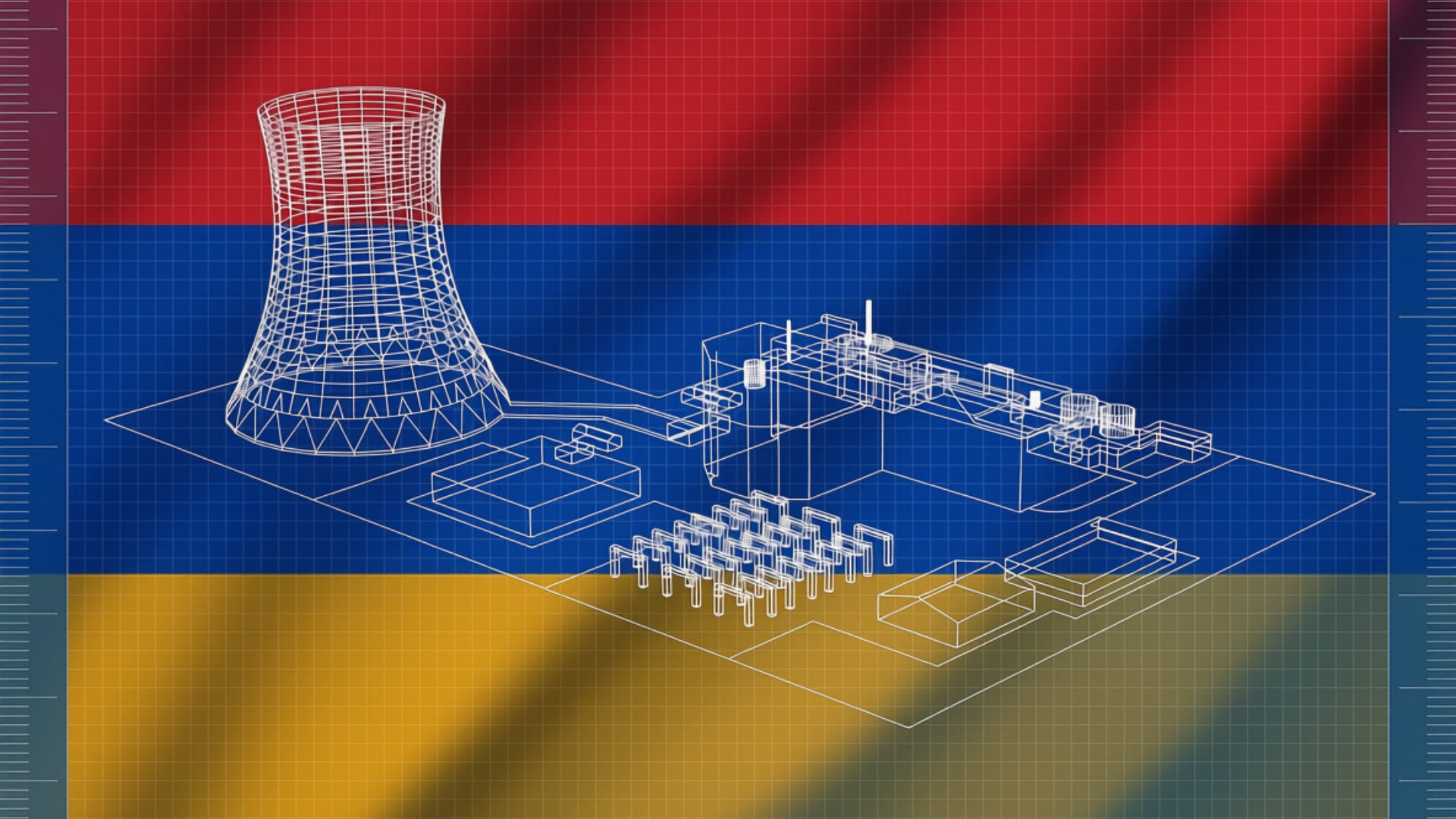
Armenia must decide on its nuclear technology path. The upper-middle-income state in the South Caucasus depends on nuclear energy for upwards of 30% of its energy mix; building a new plant would require a decade. Yerevan looks determined to extend the operation of the Metsamor’s nuclear power plant for as long as possible, potentially until 2036. What happens thereafter is a decision that must be taken by the end of 2026 or early 2027.
This paper explores the technological, political, and economic factors Armenia must factor in as it considers moving away from its long-standing commitment to Russian technology with Rosatom.
Read the full paper here.
Key conclusions:
1. The consensus for analysts interviewed for this paper is that Rosatom’s value proposition cannot be matched from an industrial policy perspective, particularly given unique spent-fuel-take-back and soft financing elements.
2. There is no apparent benefit for countries that assume the cost of de-risking private investment in experimental US SMR technology, such as Romania, Poland, or indeed Armenia.
3. The one measure Armenia can take to hedge its singular dependence on Rosatom is to consider an alternative supply of nuclear fuel, in cooperation with Westinghouse.
4. The South Caucasus is no longer dominated by a single military power. In this sense, technological ‘lock-ins’ and economic influence are factors that are likely to become diplomatically significant.
Dr Ilya Roubanis (PhD, EUI Florence) is Senior Fellow at the Institute of International Relations in Athens (IDIS) and Research Fellow at the Aletheia Research Institution. His business intelligence work spans energy and security, driven by HUMINT and strategic analysis across Europe and the MENA regions.
Disclaimer: The views expressed in this piece are those of the individual author and do not reflect the views of The Foreign Policy Centre.