The views expressed in the articles are those of each respective author and do not necessarily reflect the views or position of the Foreign Policy Centre.
Since Brexit’s inception, immigration has been a hugely dominant theme. Theresa May’s government pledged to reduce net migration to the ‘tens of thousands’, a proclamation[1] aimed at capitalising on anti-immigrant…
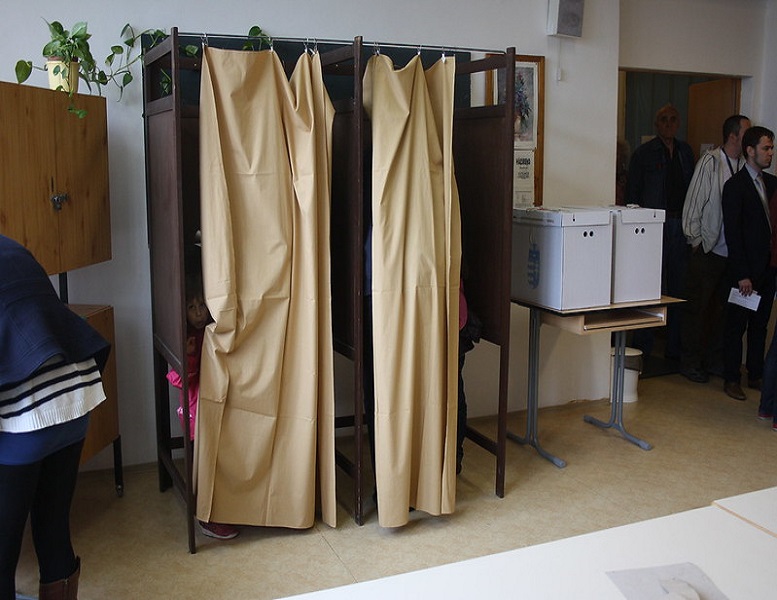
Gergely Karácsony defeated ruling party-backed incumbent István Tarlós in the Budapest mayoral election this Sunday. With 99% of votes counted, Karácsony gained 50.9% of the votes against the 44.1% for…
“Technology is, of course, a double edged sword. Fire can cook our food but also burn us.” Jason Silva, the Venezuelan-American filmmaker and public speaker Last year marked the 70th…
One of the most profound characteristics of the public debates on Brexit is the substantial lack of attention to its international implications. The Brexit issue is naturally debated in the…
Countries all over the world have gone through the process of forming and developing national myths that give them their raison d’être, inspiring its citizens looking back at the forefathers.…
With Tuesday’s announcement by House Speaker Nancy Pelosi that Democratic lawmakers will launch a formal impeachment inquiry of Donald Trump, the US president’s latest alleged effort to recruit a foreign…
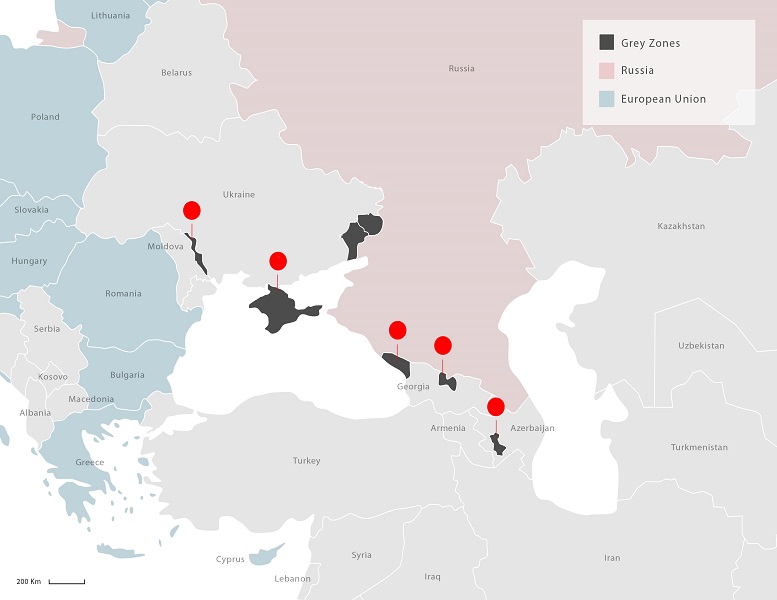
This Norwegian Helsinki Committee and Foreign Policy Centre publication seeks to draw attention to the human rights situation in some of Europe’s most contested but least well known places: Transnistria,…
If the defence of human rights is to be truly universal it is important to examine whether and how these rights can still be protected even in spaces that fall…
Who is accountable for human rights violations in de facto states? The de facto authorities, the patron or the parent state? Regardless of the answers to that question, there is…
Article by
Gunnar M. Ekelove-Slydal , Ana Pashalishvili and Inna Sangadzhiyeva
There are several Eastern European states within the Council of Europe where as a consequence of a frozen or active armed conflict, or annexation, the title-bearing state is unable to…
We use cookies to ensure that we give you the best experience on our website. If you continue to use this site we will assume that you are happy with it.