
Turkey’s election ahead: A change or continuity?
Turkey will hold snap presidential and parliamentary elections on 24 June 2018 under the shadow of a deepening currency crisis and ongoing Emergency Rule. The Turkish Lira has lost more…

The views expressed in the articles are those of each respective author and do not necessarily reflect the views or position of the Foreign Policy Centre.
Turkey will hold snap presidential and parliamentary elections on 24 June 2018 under the shadow of a deepening currency crisis and ongoing Emergency Rule. The Turkish Lira has lost more…

The UK’s departure from the European Union (EU) in 2019 will provide an opportunity for the country to re-define its foreign policy. This opportunity is greatest in regions where the…

The next Geneva International Discussions (GID) meeting focused on conflict in Georgia is due to take place on 19-20th June 2018, the 44th round in a process running since 2008…
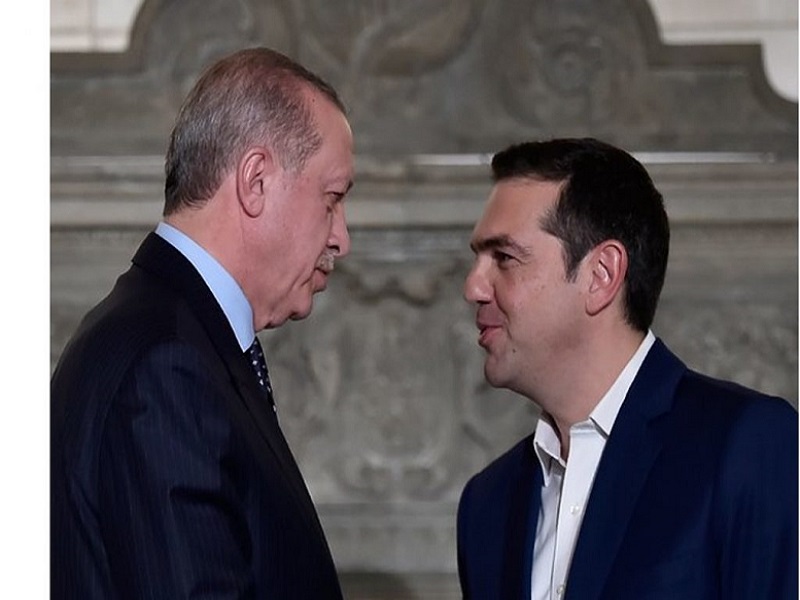
The old issue of Greek-Turkish animosity has resurfaced as the last addition to the series of problems that has inflicted damage to the southern flank of NATO. Just within the…

Azerbaijani investigative journalist Afgan Mukhtarli lived in self-imposed exile in Georgia from 2015-2017, but in May 2017 he was allegedly abducted in Tbilisi and forcibly transferred to a detention center in Azerbaijan. During…
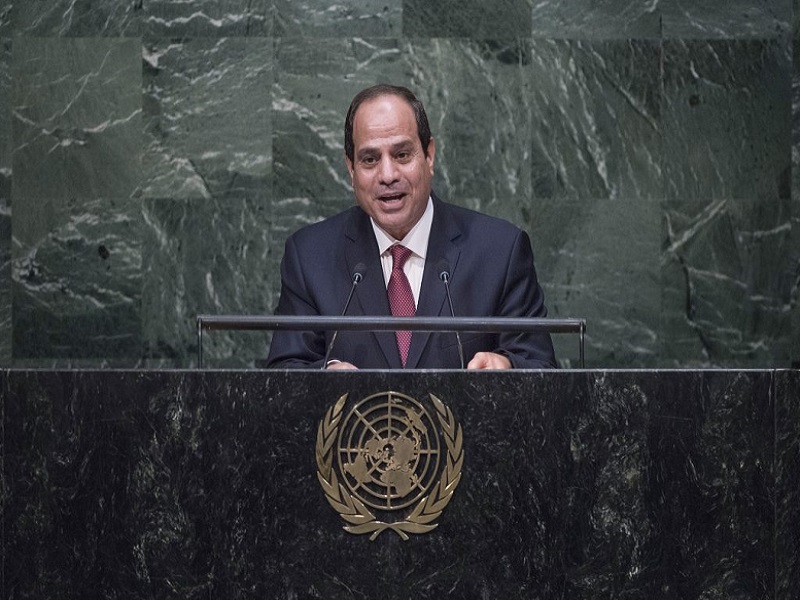
In Egypt polls have now closed after a three-day presidential election that has been characterised by unprecedented levels of repression and state-led propaganda –something that is very far from the…

In the past year alone, women around the globe have challenged entrenched patriarchal structures. Individually and collectively, women have set about establishing a new social order in which greater equality…

The Iran Human Rights Review Editorial team are saddened to hear of the sudden passing of valiant human rights icon, Asma Jahangir, and offer her family our condolences. Having served…
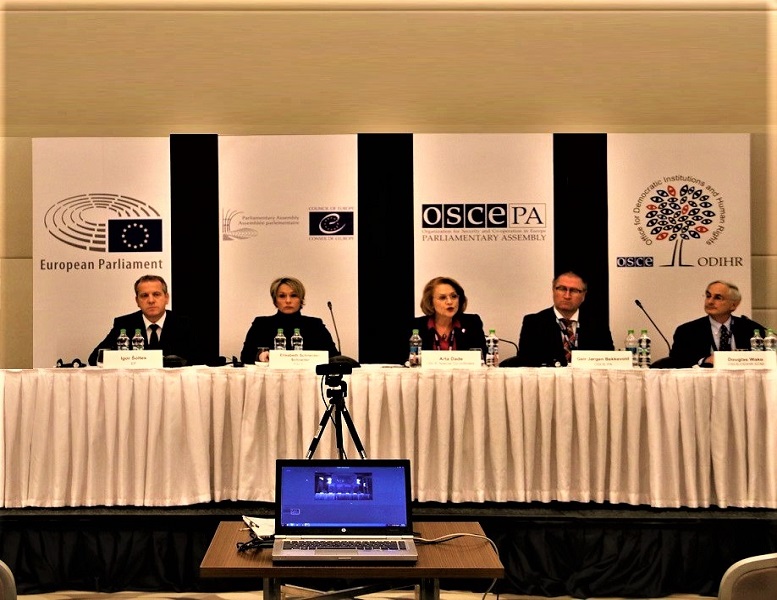
As the history of structured and methodologically-based election observation is nearing its twenty-fifth anniversary, it seems that the time is ripe to take stock of the current state of play…

Following the landslide general election victory by the Bharatiya Janata Party (BJP) in May 2014, India’s Ministry of External Affairs (MEA) proclaimed a ‘renewed energy, vigour, and planning in India’s…