
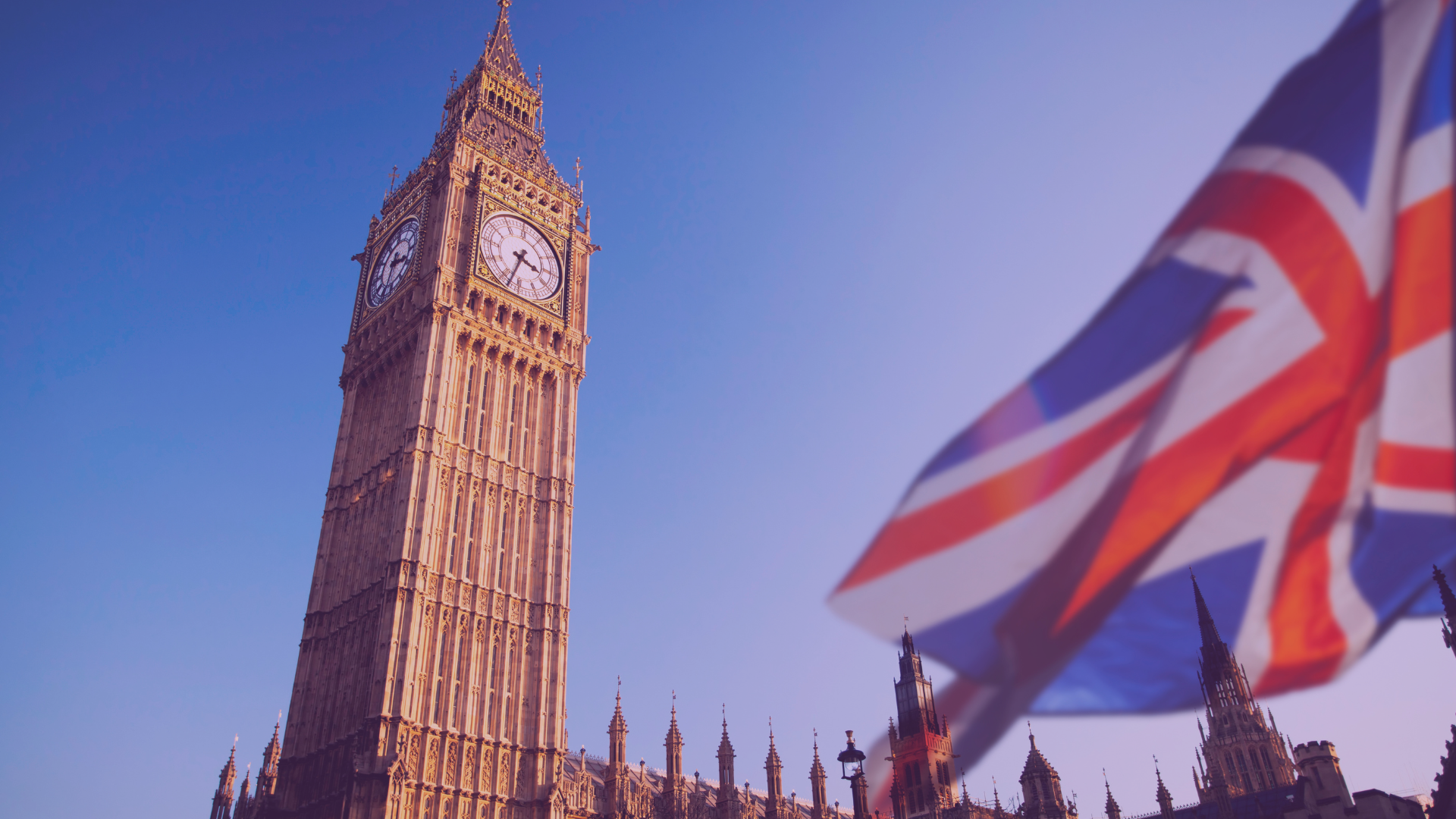
Earlier this year the Soft Power Council (SPC) was formed to provide concrete and actionable advice and support in the development and delivery of a UK soft power strategy. Comprising of leading experts from outside of government, spanning the arts, culture, and education as well as foreign policy priorities, the SPC is co-chaired by the Foreign Secretary, Yvette Cooper, and the Secretary of State for Culture, Media and Sport, Lisa Nandy.
Soft power is described by some as the power of attraction; it is a reason why people and other states might be drawn to the UK. Happily, the UK is blessed with many such reasons. Our language alone is a huge advantage globally; UK arts, music, and sport are loved the world over; the BBC (and the BBC World Service) provides us with unique levels of access and influence; Shakespeare, the Beatles, Coldplay are loved by billions; the Premier League is one of the world’s greatest brands, as is our reputation for education, science and technology.
More recently, we have also recognised that the UK’s reputation, expertise and leadership in harder edged fields is not only welcomed by partners around the world but also provides significant additional advantages and opportunities (soft power). Despite what often seems like turbulent and discordant times at home, our reputation for the rule of law and justice, a stable democracy, and military leadership, allows the UK to lead on the international stage, be a partner of choice, and attract inward investment.
So, soft power is already recognised as vital to UK growth, prosperity, and national security – if we want other countries to work with us and support us, we need them to value us, and soft power plays a critical part in achieving that. For evidence of this, one only has to look at the UK’s international successes in the last 12 months – trade deals with the US, the EU, and India; securing a more unified approach to NATO and supporting Ukraine through a coalition of the willing; and forging agreements with France and Germany to work together more effectively on irregular migration.
Crucially, in each of these, the objectives were very clear, and the key decision makers and influencers could be identified. Deep and trusted relationships had to be built, and common ground found and agreed. Undoubtedly, all of this was achieved primarily as a result of intensive, sustained and skilled hard work, commitment, and diplomacy by a host of senior and working level ministers, officials and civil servants – both in London and around the globe. But soft power also played its own vital part. Recognising and understanding that contribution is essential if we are to seize the opportunity presented by the SPC and develop a more strategic and targeted approach to soft power.
Even the most basic understanding of international affairs makes it obvious that, in addition to the intense political and diplomatic work, soft power plays a crucial role in advancing the UK’s interests. For example, President Trump’s second state visit in September (and the PM’s visit to the White House and more) was crucial to securing the US trade deal, support for the West in the face of aggression from Russia, and UK input to discussions re the Gaza ceasefire. That’s classic soft power, delivered by some of our greatest soft power assets: the Royal Family and the office of Prime Minister (and their iconic homes).
Similarly, when President Zelensky was met and photographed on the steps of Downing Street – just 24 hours after his disastrous first visit to the White House, an event that is widely credited as a catalyst for getting US/Ukraine back on track – the event’s staging leveraged soft power. The symbolism of that greeting in Downing Street, is a classic use of that UK soft power asset, as is Sir Keir Starmer and President Macron together at the D-Day celebrations or travelling up the Champs Elysees in a tank. Every visit to Chequers by a European leader tells a similar story: this is who we are, and this is the welcome, the support, the history, and friendship the UK offers.
Of course, these are top-level examples, and given their vital importance to the UK, the attention to, and use of, soft power is carefully considered and planned. And this is how I believe the Soft Power Council can add real value to the next level of UK efforts to deliver growth, prosperity, and enhanced security.
The UK has consistently ranked very highly in global soft power. We have the fantastic GREAT campaign that strategically builds on and amplifies our many strengths. But there is undoubted room for improvement in a more tactical and transactional deployment of our many strengths, as too often, the coordinated use of soft power is a secondary or belated consideration. More generally, coordination across government departments in our engagement with soft power partners could be better joined up. This is precisely where the SPC can help: by ensuring UK efforts are more coherent and joined up, and by acting as a super connector between HMG and the UK’s soft power partners, the SPC can better harness and utilise these many assets. Moreover, the SPC can become a go to soft power hub for the whole of HMG when they are planning how best to deliver hard-edged, specific outcomes.
To do this, we need to work very closely with our government leaders and senior civil servants. Ultimately, the onus is on them to recognise this opportunity, identify their priority objectives, and demand our input. With clear objectives, and briefings, the SPC must then deliver bespoke and targeted soft power – just as effectively as HMG has done on the very highest international priorities. And the best thing about all of this is that it does not have to cost very much at all; it is much more about being better joined up, thinking differently, and acting as a team than about expensive new initiatives. It also allows for us to use what is already in existence rather than reinventing the wheel.
Of course, there is much talk about the reduction in our aid budget and its impact on UK soft power (and inevitably a reduction in spending can negatively impact levels of ambition). But the SPC exists to advise the Government on how best to harness and utilise what we do have, rather than to lament what we do not. So, taking the world as it is, the work of the SPC aligns clearly with the four stated shifts in UK aid support (as set out by Baroness Chapman in her recent essay for the Fabian Society).[1] These include partnering closely with countries to unlock growth and drive innovative finance and private sector investment; focusing on system support, so that we work alongside countries and move from grants to providing expertise, as they build their own education, health, economic, and legal systems. The UK’s soft power strengths, our world-class universities, and expertise in finance, law, health, and technology, perfectly aligns with this approach, enabling us to support others through partnership and shared expertise.
Working together in this way and demonstrating the SPC’s added value to securing and deploying soft power in a manner that helps HMG deliver on its most important objectives over the next year or so, is the true marker of success. We all know that the UK is ‘Great’, but the challenge is to now use all those things that make us great in a strategic, impact-driven, and focused way.
When we reach the point where, whenever our government partners think about their priority objectives and how to achieve them, and one of their first thoughts is “We need the support of the Soft Power Council”, then we will be able to confidently say that we are delivering on our remit.
Patrick Stevens is Rule of Law Director at International Justice Development. He is an internationally renowned leader in justice development and delivery with two decades of unrivalled experience. After leading some of the UK’s most sensitive and serious terrorism cases in the unprecedented period immediately post 9/11, Patrick helped set up and lead the Crown Prosecution Service’s (CPS) International Division for over a decade. As the CPS’s first International Director, Patrick developed a global network of justice advisors and international engagement that delivered strategic and operational Rule of Law improvement at the heart of the UK’s national security effort worldwide. He now works as a justice development consultant for International Justice Development Ltd and is a member of the UK’s Soft Power Council.
Disclaimer: The views expressed in this piece are those of the individual author and do not reflect the views of The Foreign Policy Centre.
[1] Fabian Society, Promising development: The future of aid in an uncertain world, September 2025, https://fabians.org.uk/publication/promising-development/