The views expressed in the articles are those of each respective author and do not necessarily reflect the views or position of the Foreign Policy Centre.
Нам срочно необходима структура, не зависящая от государственной системы исправительных учреждений, которая будет иметь полномочия на разработку средств правовой защиты по отдельным делам, связанным с прошлыми и текущими злоупотреблениями. Формирование…
Little more than a century ago, one of Russia’s most famous painters – an active participant in the imperial army’s conquest of Central Asia – caused a scandal in London’s…
This Policy Report examines the relationship between religion-state relations, forced displacement, religious diplomacy and human security in Eastern Europe and Eurasia, with a focus on eight countries in the region,…
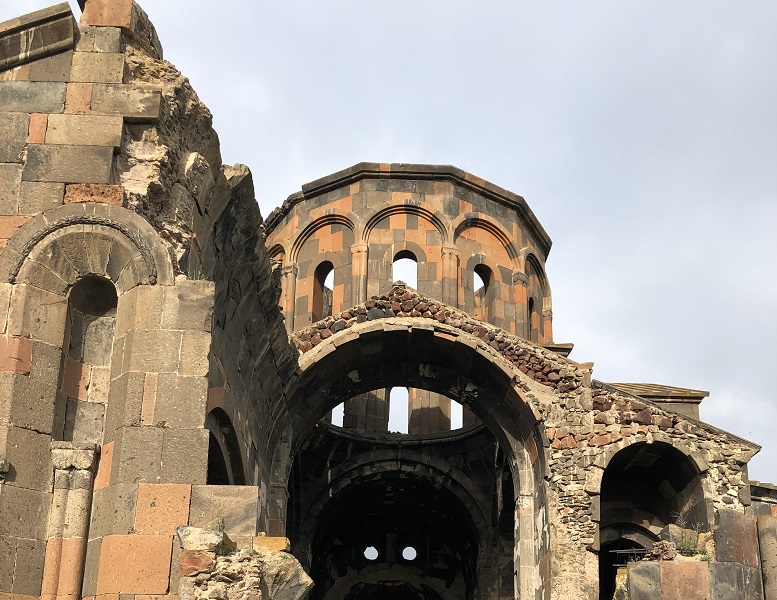
Introduction After the collapse of the Soviet Union and its newly gained independence in 1991, the Republic of Armenia (RA) underwent profound demographic changes. Since the late 1980s, the country…
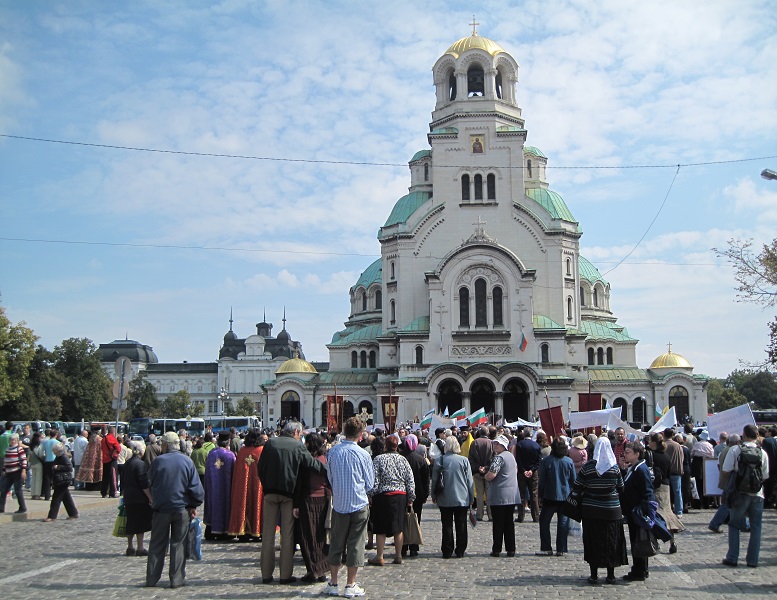
Introduction The modern Bulgarian state emerged on the map of Europe in 1878. Since then, it has experienced a series of forced displacement acts, either as the receiving state or…
Introduction Since the collapse of the Soviet Union, Georgia has witnessed three large waves of internal forced migration as a result of armed conflicts. The armed conflicts in the breakaway…
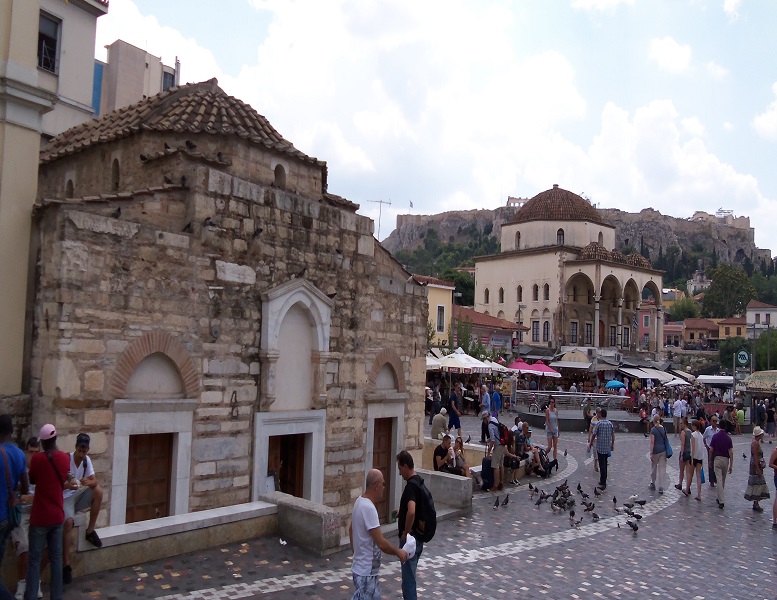
After the fall of the Iron Curtain, Greece, until then a country of emigration, became a receiving country for immigrants primarily from the Balkan region. This migratory inflow diversified in…
Article by
Georgios E. Trantas and Eleni D. Tseligka
Introduction Large-scale emigration has represented the single most important social - and even existential - challenge to the Republic of Moldova since the country proclaimed its independence in August 1991.…
Introduction The Russian Federation is a unique example of a country where changes in society’s cultural atmosphere and religious consciousness depended more on forced displacement than on inner natural changes.…
Introduction The civil war (1992 – 1995) which followed the dissolution of communist Yugoslavia had significant political, economic, and social consequences for the region. One of the most important social…
Article by
Aleksandra Đurić-Milovanović and Marko Veković
Join our mailing list
Keep informed about events, articles & latest publications from Foreign Policy Centre
We use cookies to ensure that we give you the best experience on our website. If you continue to use this site we will assume that you are happy with it.