Бул “Күчү жоголуп бараткан укуктар” аттуу басылманы Кыргызстандагы тез жана башаламан болуп жаткан өзгөрүүлөрдүн убагын жыйынтыктоо аракети десе болот. Кыргызстан учурдагы абалга кандайча келип калганы, ага жараша келечекте жасалчу иш аракеттер тууралуу сөз болмокчу.[1] Учурда мамлекеттин болгон акыбалынын түпкү себептери көп жылдар мурун пайда болуп, жадагалса Кыргызстанда ошол убакыттын ичинде пайда болгон көптөгөн инститтуттар андан кийин түптөлгөн. Ушул сыяктуу структуралык маселелердин деталдуу анализи киришүүнүн экинчи бөлүгүндө жана бул жыйынга кирген макалаларда камтылган.
Бул долбоорду биринчи жолу 2019-жылдын күз айында кабыл алган маалда, бир канча убакыттан бери бүтүндөй өлкөнү улутчулдук менен коррупция кара булуттай каптап калган эле (буга чейин деле алар ар башка тармактарда болуп келген). Бирок, COVID-19 пандемиясына көрүлгөн начар даярдык менен саткынчы өкмөткө болгон элдин нааразычылыгы акыркы 15 жылдын ичинде үчүнчү төңкөрүшкө алып келди. Борбордук Азиянын башка коңшу мамлекеттерине салыштырмалуу, Кыргызстандагы демократия башкаруу жана адам укуктары жаатында болгон терең жана тамырлап кетип бараткан кээ бир көйгөйлөрдү жаап жашырат. Бийликтин ичиндеги кайнап жаткан атаандаштык жана паракорчулук боюнча болгон коркунучтар мурунку эки башаламандыкка алып келген: 2017-жылдагы чуулгандуу шайлоо жана 2019-жылдын август айындагы орун алган Кой-Таш окуясынан кийинки мурдагы президент Алмазбек Атамбаевдин камакка алынышы тууралуу кеп болмокчу. Кыргызстандын түштүгүндө жашаган өзбек элинин этникалык азчылыгына карата өлкөдөгү зомбулук коомчулук арасында маселени жаратууда. Бул этникалык азчылыгына карата дискриминация уланып жатканы анык, анткени алардын тил жана жеке менчик мүлк укуктары тебеленип, канааттандыраарлык дэңгээлде каралган эмес. Саясий куугунтукка кабылган Азимжан Аскаровдун 2020-жылдагы азаптуу өлүмү ошол кайгылуу көрүнүштүн үзүрү болуп, коомчулук арасындагы чыңалууну көрсөтүп турат.
Акыркы он жылдын ичинде, өзгөчө акыркы 2-3 жылда жарандык коомдун активисттери бюрократиялык басымдын, атайын кызматтардын аңдуусу жана улутчулдук мамиленин айынан дуушар болгон көйгөлөрдүн саны артып жатканы боюнча чуу көтөргөнү аракет жасашкан. Тилекке каршы, кедейлик менен өнүгүүнүн башка көрсөткүчтөрүнүн дэңгээли төмөн болуп турганына карабастан, бул маселелер көп учурларда кичирейтилип көрсөтулгөн, себеби жарандык эркиндик менен адам укукатар жаатында Кыргызстанды Боробордук Азия аймагында ийгиликке жетишкен мамлекет катары көрсөтүү кызыкчылыгы орун алган. 2020-жылдын июнь айында эле Европа Биримдиги сыяктуу эл аралык өнөктөштөр “адам укуктары жаатындагы жалпы кырдаалды туруктуу деп белгилеп, региондогу алдыңкы позицияда экенин айтышты. Өкмөт өзүнүн күн тартибинде адам укуктары боюнча маселелерин белгилеп, бул багытта керектүү болгон документтерди кабыл алган, мисал катары 2019-2021 жылдардын Адам укуктар жаатындагы иш-чаралардын Улуттук Планы”.[2] Көбөйүп бараткан көйгөйлөр көптөн бери көңүлгө алынбагандыктан, орчундуу жана терең өзгөрүүлөрдү токтотуу өтө кеч болуп калган. Кыргызстандагы саясий тынчтыктын казаны бир нече жылдын ичинде акырындап кайнап отуруп, акырында 2020-жылдын аягында элдин чыдамы түгөнүп, көтөрүлүш менен аяктады. Натыйжада, бул окуя Кыргызстандагы саясий тынчтыкты камсыздай турган олуттуу көйгөйлөр жана чечүүгө кеч болуп калган маселелерди ортого чыгарды. Бул басылма жогоруда белгиленген суроолорго жообун табууга аракет кылганын кошумчалай кетебиз.
Биз учурдагы кырдаалга кантип келдик: Кыргызстандын кыскача тарыхы
Бүгүнкү күндө Кыргызстанга таандык болгон жерлери мурун бир катар өрөөндүн жашоочуларына жана Энесай Кыргыз Каганаты (учурдагы кыргыз элинин ата-бабалары тарабынан негизделген деген божомолдор жок эмес) үчүн дагы мекен болуп келген. Бирок мындай көрүнүш бул жерлерди башка өрөөндүн элдери тартып алган убакытка чейин гана болгон, тартып алгандарды айтканда биринчи кезекте XIII-кылымдагы Монгол империясы эскерилмекчи.[3] Кыргыз каганатынын түптөлүү заманын (IX кылым) улуттук тарыхы Кыргызстанда улуттук иденттүүлүк катары кеңири колдонулуп келген, дүйнөдө эң узун поэма катары таанылган “Манас” эпосундагы сүрөттөлгөн окуялары менен негизделет.[4] Ал заманда кыргыз эли учурдагы Кыргызстандын жери менен чектеш аймактарда көбүнчө көчмөн жашоо таризинде жашап, Кытай эли менен Кыргызстандын түштүгүндө жайгашкан Тимурид сыяктуу отурукташып калган империялар менен иш жүргүзүшчү. Кыргыз элинин Орусия менен, тагырак айтканда Улуу Екатерина менен биринчи жолугушуусу 1775-жылы болуп өткөн. Мындан туура 100 жылдан кийин (1876) кыргыз уруулары Орус империясынын курамына толугу менен кирген. Ал эми 1924-жылы Орусиянын Советтик Социалисттик Республикаларынын курамында Советтер Кара-Кыргыз автономиялык облусун негиздешкен. Кийин, 1936-жылы ал Советтер Союзунун курамына толугу менен кирип, Кыргыз Советтик Социалисттик Республикасына айланган. Советтер Союзунун кыйрашына жакын Коммунисттик партиядагы алда канча беделдүү ишмерлердин арасындагы мамилелер туюкка кептелгенине байланыштуу, Кыргыз Илимдер Академиясынын Президенти Аскар Акаев өлкөнүн Президент кызматына келген. Экономикалык жана саясий либерализация жолунда Борбордук Азиядагы кесиптештерине салыштырмалуу ишин ийгиликтүү жүргүзгөн Аскар Акаев жаңы түптөлгөн Кыргыз Республикасын 2005-жылга чейин башкарат. Борбордук Азиянын советтик дооордон кийинки башкармалыктагы кесиптештерине салыштырмалуу Акаевдин авторитардык амбициялары төмөнурөөк болгонуна карабастан, ал башкарып турган учурда коррупциянын дэңгээли тайбай өсүп жатты.
2005 – 2020-жылдардагы кырдаал
Мандат боюнча башкаруунун үчүнчү мөөнөтү 2005-жылы бүтөөрүнө байланыштуу кызматын бошотоору тууралуу сөз бергенине карабастан, Акаев башкарыла турган бийликти өз балдарынын бирине берээри же жаңыдан жогорку кызматка ат салышууга тоскоол болгон мөөнөт чектөөлөрдү бузаары жөнүндө ушак-кептер таркап кеткен. Акаевдин башкаруусуна болгон нааразылык өлкө боюнча күчөп, 2005-жылдын февраль айында өтө турчу парламенттик шайлоодо фальсификация коркунучу артып, чыңалуунун туу чокусу Акаевдин мамлекеттен качып кетүүсү (кийин Москвада академиялык карьерасын улантып кеткен) болду. Тарыхта бул окуя “Жоогазын революциясы” деп аталып калган.[5]
Нааразылык кыймылынын башчысы, мурдагы премьер-министр Курманбек Бакиев бир эле убакта убактылуу премьер-министр жана президенттин милдетин аткаруучу кызматтарын ээлеп калып, Акаевди алып тушкөндөн кийинки 2005-жылкы шайлоодо ал жеңип чыккан. Бул жыйындагы бир нече авторлор белгилегендей, Бакиев мурунку ажодой эле, реформаларды убадалаганы менен, кийин өзү коррупцияга белчесинен батып кеткен. Энергетикалык каатчылыктын пайда болушу менен (электрокубаттуулугунун веердик өчүрүлүшү менен өсүп жаткан чыгымдар) Бакиевтин коррупциялык аракеттерине каршылык көрсөткөндөр нааразылык акциялары менен башаламандык иштерин жүзөгө ашырууга бышып жетилип, өкмөттүн маанилүү имараттар менен Ак үй басып алынды. 2010-жылдын апрелинде Бакиевтин кетишине чеийн орун алган олуттуу окуялар 65 адамдын өлүмү менен аяктады.
Бирок, буга карабастан Бакиевдин тарапташтары өлкөнүн түштүгүндө мобилизация иштерин улантып, натыйжасында башаламандыктар башталып, чыңалуунун жогорку чекити Оштогу 2010-жылдын июнь айындагы каргашалуу окуялары менен коштолгон. Негизинен бул окуяда этникалык өзбектер Бакиевге каршы чыккандарды колдогону айтылып келет, а бирок жаңжалдын түпкү себеби тууралуу маалымат кийинки бөлүктө сөз болмокчу. Бакиев өз тууган-уруктары жана тегеректеги жакындары менен биргеликте Белорусияда башкалка издеп, тапканы белгилүү. Ошондой эле мурунку премьер-министр Данияр Усеновдун өз аты-жөнүн өзгөртүп, учурда Белоруссия улуттук биотехнологиялык корпорациянын жетекчиси болуп алганы көз жаздымда кала албайт. Ал эми Курманбек Бакиевдин уулу, Максим Бакиев башкалканы Улуу Британиядан тапкан.[6] 2005-жылы Бакиев менен бир даражада болгон Роза Отунбаева 2010-жылдын июль айында Референдумда Конституция кабыл алынгандан кийин кыска-мөөнөттүк президенттик кызматка аттанган. Жаңы кабыл алынган Конституцияга ылайык мурун Президентке таандык болгон ыйгарым укуктары толугу менен Парламентке (Жогорку Кеңешке же Жогорку Сотко) өткөрүлгөн.
2011-жылдын декабрь айында президенттик кызматты аткарган Роза Отунбаеванын ордуна премьер-министр Алмазбек Атамбаев келген. Кайра эле, бул жыйындын бир катар авторлору белгилегендей, реформалар жасалат деген убадалар менен келип, коррупционер жана башкарууга эпсиз деген аттарга конуп кеткен. Кандай болсо да, постсоветтик Кыргызстандын тарыхында өз кызматында толук мөөнөтүн иштеп кеткен жалгыз президент болуп келет. Атамбаев элди дурбөтпөстөн кызматын өз каалосу менен тарапташына тынч өткөрүп бере алды. 2017-жылы Атамбаев Кыргызстан Социал-демократ партиясындагы кесиптеши жана ал учурдагы премьер-министр Сооронбай Жээнбековго бийликти тапшырган. Бул шайлоо жалпысынан эркин өттү дегенибиз менен, шайлоо учурунда административдик ресурстар колдонулуп көптөгөн добуштар сатылып кеткен.[7] Бирок Сооронбай Жээнбеков кызматына киришип баштаары менен эле мурунку президент менен ортосунда тез эле келише албастык пайда болуп, Атамбаев жана анын кишилерине каршы бир топ сот иштери козголгон. Бул иш Кой-Таштагы үйүндө Атамбаевдин тарапташтары менен спецназдардын куралдуу тирешүүсүнө алып келип, азыркы убакка чейин каралып жаткан коррупция менен адамды кокустуктан өлтүрүү деген күнөөлөрү боюнча 11 жылга кесилиши менен аяктаган. Кыргызстан Социал- демократтар партиясы Атамбаевдин жана Жээнбековдун тарапташтары деп эки фракцияга бөлүнүп, акырында 2020-жылдагы келе жаткан шайлоого “бийлик партиясы” катары иш жүргүзүү максатында Жээнбековдун жактоочулары “Биримдик” партиясына биригишкен.
Кыргызстан “Демократиянын аралчасы” деген репутациясы коңшу мамлекеттердеги демократиянын дэңгээлин салыштыруу максатында колдонулуп, бул фактка Кыргызстандын постсоветтик жылдардын ичинде бир нече жолу басым жасалган. Бирок, ошол жылдардын ичинде Кыргызстандагы демократиянын “саясий ден-соолугу” тууралуу көптөгөн олуттуу кооптор жашап келген,[8] себеби ар бир шайланган президент эл нааразылыгынан улам кызматынан кеткен же аткарган милдеттеринин мөөнөтү аягына чыкканда түрмөгө отуруп калган.[9] Калктын жан башына 1 309$ түшкөн ички дүң продукциясынын көрсөткүчү менен постсоветтик аймагында Кыргызстан эң кедей өлкөлөрдүн тизмесинде жана массалык миграция боюнча экинчи сапта турат. Кыргыз мигранттарынын көбүнчөсү Орусияга кетип, ал жактан Кыргызстанга которулган акчанын саны Кыргызстандын ички дүң продукциясынын 28,5% түзөт.[10] Transparency International (“Трэнспэрэнси интернэшнал” – “эл-аралык ачык-айкын”) Коррупцияны кабылдоо Индекси уюмунун маалыматына караганда, дүйнө жүзү боюнча коррупциясы төмөнкү дэңгээлде болгон өлкөлөрдүн тизмесинде Кыргызстан 124-орунду ээлеген. Ал эми Кыргызстан көптөн бери чыныгы демократиялык өлкө катары эсептелгенине карабастан, Freedom House (“Фридом хаус” – “Эркиндиктин үйү”) бей-өкмөт уюмунун Nations in Transit долбоорунун алкагында жарыяланган отчетуна ылайык 100 баллдык системасында саясий эркиндик критерийи боюнча 11 балл жана жарандык эркиндиги боюнча 27 балл менен Кыргызстандагы саясий абал консолидацияланган авторитардык режимге айланып калганы бир нече жолу белгиленген.[11] 2016-жылы батыш донорлордун жана кыргыз жарандык коомдун тарабынан жасалган күчтүү басымдын натыйжасында Кыргызстан орустардын чет өлкөлүк агенттерге байланышкан мыйзам долбоорун кабыл алуудан аз жерде калган. Ошондой эле, көптөгөн бей-өкмөт уюмдар таасири чоң көзүрлөр менен байланышкан бейөкмөт субъекттердин жана бийлик тарабынан үзгүлтүксүз жасалган басым тууралуу кабар беришкен.[12]
Акыркы он жылдын ичинде эл арасында көбөйүп бараткан улутчулдук Кыргызстандагы коомдук жашоонун негизги мобилизациялык күчүнө айланганы тууралуу маалымат бул эмгектин киришүү бөлүмүндө жана алдыдагы эсселерде сөз болмокчу.[13] Бул жагымсыз көрүнүш төмөнкүлөрдө байкалууда, алар: батыш менен Кытайга карата улутчул маанайдын пайда болушу; жергиликтүү орус тилдүүлөргө болгон кастыктын өсүшү (бирок Орусияга тиешелүү эмес); аялдардын, этникалык жана сексуалдык азчылыктардын укук маселеринин чыңалуусу.
2018-жылдын аягынан баштап (чыныгы менен жалганга экөөнө тең тиешелүү) кытайлык мигранттар, өлкөгө Кытайдан тартылып келген инвестициялар менен Кытайдагы этникалык кыргыздарга жасалган мамилеси боюнча бир катар нааразылык акциялары жүргүзүлгөн.[14] 2019-жылдын август айында тоо кендерин казып чыгуучу “Чжун Цзи” аттуу компаниясы айлана чөйрөгө келтирилген зыян менен жумушчуларга жасалган терс мамиле боюнча айыпталып, бул компанияга таандык болгон “Солтон-Сары” шахтасында жаңжал ортого чыга түшкөн.[15] Бул жаңжал этникалык жана геостратегиялык жактан маанилүү болгондуктан, мындай нааразачылыктар экономиканын алдыга жылбаганы тууралуу коркунучтарын кеңири таратып, Кыргызстандын кең байлыктарынын пайдасы жергиликтүү элге тийбестен, эл аралык инвесторлордун (жана ички элиталардын) чөнтөгүнө түшүп жатат деген ойду пайда кылды. Кыргызстандын ички дүң продукциясынын 9% түзүп, тоо кендерин казып чыгуучу канадалык “Центерра” фирмасына таандык болгон “Күмтөр” алтын кен булагынын акцияларынын чечүүчү бөлүгү чет-өлкөлүк фирмасынын ээ болушуна болгон каршылык менен нааразычылыктар кыргыз саясий аренасындагы дебаттардын туруктуу темасы болуп келген. Дал ошол эле тема учурдагы президент Садыр Жапаровдун баштапкы популярдуулугунун булагы болуп, 2013-жылы өзү жетектеген мамлекеттештирүүгө каршы протесттердин убагында орун алган адам уурдоо кылмышы боюнча соттоолуусуна негиз болуп берген.[16] 2020-жылдын башында кытайдын экономикалык кийлигүүшүүсүнө шек саналып ага каршы көпкө узаган протесттер пайда болду. Анын натыйжасында, кытайдын чек арасына жакын Нарын облусунун экономикалык эркин аймакка кирген жана 275 миллион долларды түзгөн кыргыз-кытай логистикалык борбордун курулуш долбоору токтолду.[17]
Аял укуктарын коргоочулар (либералдык жарандык коомдогу тарапташтары менен бирге) жана демонстранттарга каршылык көрсөткөн улутчулдардын арасындагы аял укуктар маселеси өзгөчө уруш-талашты жараткан орчундуу көйгөйгө айланып калган. 2019-жылдын аягында Бишкектеги Кыргыз улуттук көркөм сүрөт жана искуство музейинде феминисттик искусствосун чагылдырган, кыргыз жана эл аралык сүрөтчүлөрдүн тарабынан уюштурулган “Заманбап искусствосунун феминналеси” аттуу көргөзмөсү коомчулукту дүрбөтүп, нааразычылыкты козгогон.[18] Көргөзмөгө каршылыгын билдирип (бул көргөзмөдө казак сүрөтчүсү Зоя Фалькованын Evermust аттуу иши камтылган. Ал боксердук грушасын үйдөгү болгон зордук- зомбулукту баса белгилөө максатында аялдын тулку бой формасында жасап, көргөзмөгө койгон), нааразычылыгын көрсөтүп жаткан улутчул топтордун кайтарган жообу Маданият министрлиги тарабынан көргөзмөдөгү кээ бир иштерге цензура салынганында билинип, өлтүрүү коркунучтарынын таасиринен улам музейдин куратору ишинен кетүүгө аргасыз болгон.[19] 8-март күнү белгиленген Эл аралык аялдар күнү жаңжалдын жогоруда белгиленген эки тараптын ортосундагы болгон талаш-тартышы заманбап Кыргызстанда көптөн бери уланып келе жаткан маселени 2020-жылы кайрадан козгоду. ЭрикМакГлинчи өз эссесинде белгилегендей, “2020-жылдын Эл аралык аялдардын 8-март күнү бетине маска тагып, башына кыргыздын улуттук баш кийимин ак калпакты кийген эркектердин тобу Бишкектин Эски аянтында чогулган зордук-зомбулук, кыздарды ала-качуу менен турукташып калган жана кенири тараган үй-бүлөдөгү зомбулукка каршы чыккан, активисттердин тобуна кол салган.[20] Эң кызыктуусу, кол көтөргөндөрдүн тобу камакка алынбай, алардын ордуна аялдардын укугун коргогон 50 активист-кыздар кармалган.”’[21]
2020 жылдын март-октябрь айлары
Аялдардын Эл аралык күнүндө болгон ызы-чуудан кийин, Кыргызстанда COVID-19 оорусунун биринчи учурлары катталып, кадимки саясий жашоо дароо эле токтогон. 22-мартта Бишкекте коомдук транспорттордун жүрүшү токтоп, кийин бул кырдаал олуттуу карантин менен коменданттык сааттын киргизилиши менен аяктайт.[22] Автордун өзүнүн өлкөсүн дагы эске алуу менен дүйнө жүзү боюнча башка мамлекеттердей эле Кыргызстанга кирип келген каатчылык мамлекеттин күчтүү жана көптөгөн алсыз жактарын толугу менен ачык айкын көрсөттү. Бул жыйындагы Рыскелди Саткенин эссеси билдиргендей, пандемия Кыргызстандагы саламаттыкты сактоо системасынын (оорукана орундары менен иштеген персоналы) потенциалын кыйратып, башкаруу, коррупция жана ачык-айкындыктын жок болушуна байланыштуу жергиликтүү маселелердин бетин ачкан. Мындай кырдаал пандемия менен алышууда мамлекетти алсыратканы ачык көрүндү. Ал убакта кычкылтек жана вентиляторлордун жетишсиздиги менен медициналык кызматкерлердин арасында күчөп таралган вирус өтө курч маселелер болуп турган. Ага кошумча болуп медициналык кызматкерлер жеке жана башка коргонуу каражаттарынын жок болушуна дуушар болгон.[23] Пандемиянын алгач айларында чыныгы абал жаңылыштык менен тез тез катталып турган пневмониянын көлөкөсүндө калган.
Пандемия жаңы пайда болгон учурда бийлик өкүлдөрү ага каршы керектүү чараларды колдонууга бел байлабастан, тескерисинче алардын арасында бири-бирине жоопкерчиликти ыргытуу оюну башталган. 1-апрельде ошол убакытттагы президент Жээнбеков баштапкы маалда вирусту алдын-алуу боюнча иш-аракеттери натыйжасыз болуп калганы үчүн COVID-19 вирусу боюнча атайын түзүлгөн группанын башчыларын кызматынан кетирген. Ал группанын башчылары Саламаттыкты сактоо министри Космосбек Чолпонбаев менен премьер-министрдин орун басары Алтынай Омурбекова болгон.[24] Кийин, 2020-жылдын ноябрь айында Чолпонбаевге шалакылык боюнча айып тагылып, консалтинг келишимин түзгөнү боюнча коркунучтары тараганынан улам камакка алынат.[25] Премьер-министр, Мухаммедкалый Абылгазиев 27-майда, демек каатчылыктын так ортосунда дем алууга чыгып, мындан эки жумадан кийин улуттук жыштыктарды сатууга байланышкан коррупциялык иштеринин айынан кызматынан кетет.[26] Абылгазиевди жөнөтүп жаткан күнү партиялаш министрлер маскасыз жүрүп, социалдык аралыкты сактабаганы видеокамерага түшүп, натыйжада, 28 саясатчы менен аткаминерлерге айып пулу жазылган.[27]
Жөнөкөй жарандар ошол мезгилдеги кырдаалды башаламандык деп табышкан. Башка (Бишкек сыяктуу) ири шаарларга барып келүүгө байланышкан жумуштардын ээлери жана бул шаарларда каттоосуз же башка расмий документсиз жашап жүргөн көптөгөн жарандар үчүн ички кыймылдын көзөмөлгө алынышы башаламандыкты жаратты десек жаңылбайбыз.[28] Каатчылык Кыргызстандын эл аралык институттар тарабынан ири көлөмдө ыкчам каржыланышына жол ачкан. 2020-жылдын июль айында жалпы жонунан Кыргызстандын эсебине 627,3 мииилон АКШ доллар каражаттары түшүп, бул акчалар кандай сарпталганы тууралуу отчеттор менен процесстин ачык-айкындыгы боюнча кооптор жаралды.[29] Буга карабастан, Кыргызстанда мамлекет жасаган иши оңунан чыкпай калганда, ортодо пайда болгон кооптуу кырдаалда ыктыярчылар чыгып, бейтапканалар менен башка медициналык мекемелерге өздөрүн аябастан жардам берүүгө келишкен.[30] Жапаровдун администрациясы мурунку өкмөт 2020-жылдагы пандемиянын алгачкы толкунунда өлүмгө учураган адамдардын саны 1393 деп жашырганын аныктап, ал эми чындыгында каза тапкандардын саны 4000 жеткендигин далилдешкен.[31]
Саламаттык сактоо министрилигине таянуу менен мындай каатчылык дүйнө жүзү боюнча орун алган жарандык эркиндикке чектөөлөрдүн коюлушун талап кылып, ошондой эле өкмөткө массалык маалымат каражатттары менен саясий эркиндикке кийинки чектөөлөрдү коюу мүмкүнчүлүктөрүн берди. Элира Турдубаева өз ишинде белгилегендей, көз карандысыз массалык маалымат каражаттар карантиндин убагында өлкөнүн сыртында өз ишин алып бара алган эмес, ал эми өкмөт болсо бей-өкмөт уюмдарга карата бюрократиялык чараларды күчөтүү боюнча мыйзамдарды кабыл алганы аракет жасаган. Атайын кызматтар дагы жөн отурбастан, өкмөт тарабынан пандемияга каршы көрүлгөн чараларды сындаган социалдык тармактардын колдонуучуларын (жеке коргонуу каражаттарынын жок болгонуна нааразычылыгын билдирген медициналык кызматкерелерди дагы) камакка алынышын күчөткөн.[32]
Даана парламенттик шайлоонун алдында экономикалык жана социалдык тармактары пандемиянын азабын тартып жатканына карабастан, алгач бай манаптар менен жергиликтүү бийликтин ортомчулардын ортосундагы шайлоого карата ички элиталык атаандаштыкты көрө алабыз деген ой болгон, анткени Кыргызстандын Социал-демократтардын партиясы (КСДП) кыйрагандан кийин партиялык система кайрадан түзүлүп баштаган.[33] Бирок, арадан көп өтпөй эле негизги иш-аракеттердин маңызы эки таасирдүү үй-бүлөлүк кландардын күчтөрүнүн кагылышуусунда жатканы билинип калды. Биринчиси “Биримдик” саясий партиясын тегеректегеп курчаган Жээнбековдун тарапташтары болсо (Сооронбай Жээнбековдун иниси, Асылбек Жээнбеков менен биргеликте), экинчиси өз аракетин шартту түрдө Жээнбековчул “Мекеним Кыргызстан” саясий партиясы аркылуу жүргүзгөн таасирдүү Матраимовдордун үй-бүлөсүнүн (булар тууралуу сөз төмөндө болмокчу) тармагына жакындалган тарапташтары болмокчу.
Ыктыярчыларды колдонууга тыюу салган эрежелер потенциалы боюнча ресустарга бай жана мыкты камсыздалган “Биримдик”, “Мекеним Кыргызстан” жана (Жээнбековчул деп эсептелеген) Канатбек Исаевдин “Кыргызстан” партиялары менен алардын атаандаш партиялардын ортосунда чоң өксүктү жаратты.[34] Бирок, шайлоо алдындагы жүргүзүлгөн кампанияга сарпталуучу формалдуу чыгымдардан дагы маанилүүрөөк болуп, өткөн шайлоодо көнүмүш адатка айланып калган добуштарды сатып алуу практикасын улантып кетиши болгондур. Бул жолкусунда бир гана добуштардын массалык түрдө сатып алынышы менен чектелбестен, кошумча фактор болуп пандемия учурунда жасалган кайрымдуулук демилгелерине кыянаттык келтирип, салтка айланып калган админресурстардын (мамлекеттик мекемелер менен кызматкерлерин добушун берүүгө мажбурлоо) добушун Жээнбековдун партиясына салдыруу (кээ бир учурларда бул ички уруш-тартыш күчөп, мушташуулар менен аяктаганы сейрек эмес) сыяктуу иштери орун алган.[35] Октябрь айындагы шайлоого аттанышкан 17 саясий партиялардын ичинен 16сы жек көрүүчүлүк тилин пайдаланбоо боюнча БШКнын Жүрүм-турум кодексине кол коюшкан, бирок бул нерсе Интернет талаасында шайлоо алдындагы жүргүзүлгөн кампаниялардын учурунда көбүнчө көңүлгө алынбай калган.
Учурдагы кырдаал: 2020-жылдын октябрь айынын баштап бүгүнкү күнгө чейин
Шайлоо күнү, 4-октябрда социалдык тармактарды шайлоодогу алдамчылык менен видеого катталган добуштардын сатып алынуусунун, бир адамдын бир нече адамдын ордуна добушту салганын жана шайлоочуларды бир шайлаган жеринен экинчи жерге алып барып, добушун бердиртип жаткандын сүрөттөрү жана видеожаздыруулар каптап кеткен. Демек, шайлоо участогунун адресин убактылуу алмаштыруу мүмкүнчүлүгүн кыянаттык менен колдонулганы ири масштабда көрүндү.[36] Шайлоолордо жүргүзүлгөн байкоо боюнча ЕККУнун акыркы отчетунда белгилегендей, ЕККУнун байкоо миссиясына “добуштарды сатып алуу жана админресурстарын кыянаттык менен пайдаланган учурлар тууралуу маектештерибизден өлкө боюнча көптөгөн ишеничтүү кабарлар келип жатты”.[37]
Шайлоонун алдын ала жыйнытыгына ылайык “Биримдик” партиясы 24.50% көрсөткүчү менен “Мекеним Кыргызстан” партиясынын 23.79% көрсөткүчүнөн аз гана айырмачылык менен жеңсе (демек 120 квоталык Жогорку Кеңеште бул эки партия 46 жана 45 оорунду ээлеп калмак), үчүнчү болгон “Кыргызстан” партиясы 8.7% артта калып, Жогорку Кеңеште 16 квотаны алмак.[38] Шайлоонун 7%дык босогосун аттай алган төртүнчү партиясы Жээнбековторго түздөн түз байланышы жок болгон жападан жалгыз “Бүтүн Кыргызстан” партиясы болду. Бул партия 2011 жана 2017-жылдардагы президенттик шайлоолорго катышып, Адахан Мадумаровдун жетекчилигинин алдында ишин алып барып келет. Шайлоо алдындагы жүргүзүлгөн сурам-жылоонун жыйынтыгы боюнча шайлоочулардын үчтөн бир гана бөлүгү учурдагы бийликтин пандемияга каршы көрүлгөн чараларын жетишеерлик деп эсептегенине карабастан шайлоонун жыйынтыгы жогоруда белгиленген көрсөткүчтөргө ээ болгон. Шайлоо алдындагы жүргүзүлгөн сурамжылоонун жыйынтыгы боюнча шайлоочулардын үчтөн бир гана бөлүгү учурдагы бийликтин пандемияга каршы көрүлгөн чараларын жетишеерлик деп эсептегенине карабастан шайлоонун жыйынтыгы жогоруда белгиленген көрсөткүчтөргө ээ болгон.[39]
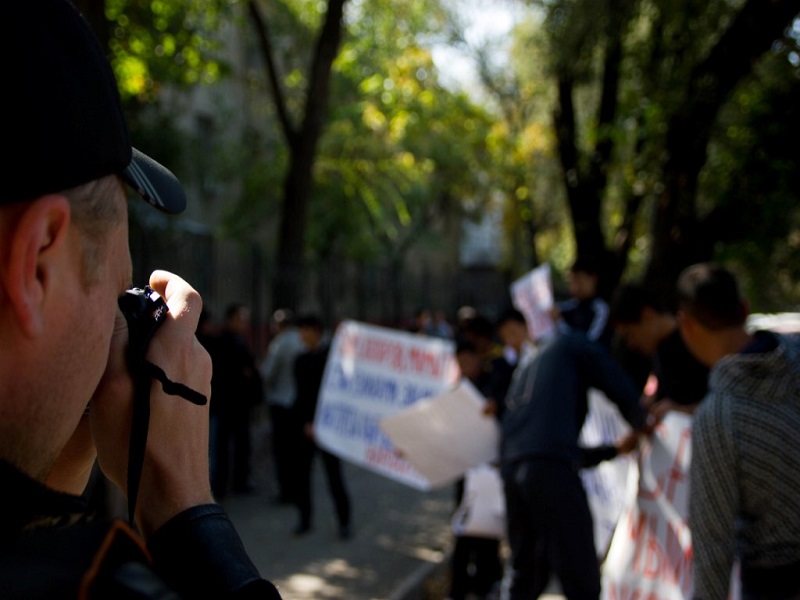
Шайлоонун алдын ала жыйынтыктары айтылганда, шайлоо босогосунан өтпөй калып, демек Жогорку Кеңештин жаңы чакырылышандагы орундарга илинбей калган көптөгөн партиялардын үгүттөөчүлөрү баш болуп 4-октябрдын кечки маалында шаардын борбордук «Ала-Тоо» аянты менен БШКнын имаратынын алдында нааразычылык акциясына чыга башташкан. Кийинки күндүн таңкы маалында аянтта жана Бишкектин көчөлөрүндө элдин саны орчундуу көбөйүп, мурунку күнү орун алган добуштарга байланыштуу алдамчылыктын фактыларына жана шайлоонун жалпы жыйынтыгына нааразычылыкты ачык билдире башташкан. Ал эми түшкү жана кечки маалга чейин “Ала-Тоо” аянтын каршылыгын билдирген эл толугу менен каптап, желектерди желбиретүү менен улуттук гимнди ырдай башташкан.[40] Бул убакытка чейин президент Сооронбай Жээнбековдун “Биримдик” партиясынын булактары шайлоону кайрадан өткөрүүгө макулдугун билдиришкен.
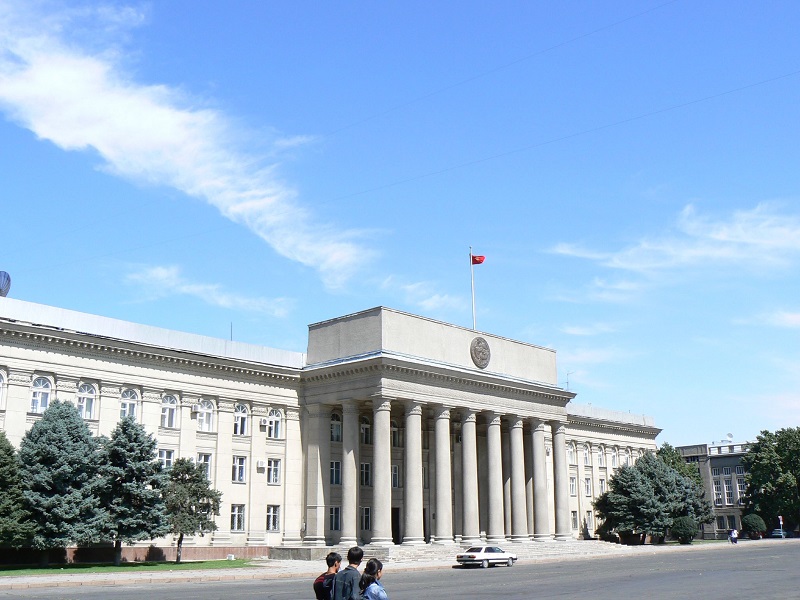
Бирок, 5-октябрдын кечки маалында абал курчуп, милиция кызматкерлери Ак үйдүн алдындагы жана аянттагы чогулган элди таркатуу максатында суу замбиреги, светошумовой граната менен жаш агызуучу газ аркылуу күч колдонуп, чыңалуу ого бетер күчөп кеткен.[41] Таңкы маал саат үчтө эл Ак Үйдүн ичиндеги президент Сооронбай Жээнбековдун кабинетине кирип келип, жада калса Улуттук Коопсуздуктун Мамлекеттик Комитетинин имаратын алып алууга үлгүргөн.[42] УКМКдан бошонуп чыккандардын арасында мурунку президент Алмазбек Атамбаев менен мурунку Жогорку Кеңештин депутаты Садыр Жапаров болушкан.[43] Асель Доолоткелдиеванын айтымына ылайык Жээнбеков менен сүйлөшүүлөрдү жүргүзүү мүмкүнчүлүгүн түп тамырынан алсырата турган “Ала-Тоо” аянтындагы нааразычылыгын көрсөтүп жаткан оппозициялык топторго Атамбаев эпсиз кошулуу аракетин жасагыча, Садыр Жапаровго анын колдоочулары кошулушкан. Эгер Атамбаевдин кадамы либералдык лагеринин мыйзамдуулугун алсыратса, Жапаровдун колдоочулары улутчул топтор менен спортчулардын аралашмасынан түзүлүп, кийин Эски аянтты курчап алышкан.[44] Жапаров түрмөдөн бошотулгандан кийин бир күн өтө электе эле 6-октябрь күнү кечки маалда “Достук” мейманканасында чөк түшүрүп олтурган 4-октябрга чейинки Жогорку Кеңештин акыркы чакырылышынын бир топ депуттары убактылуу премьер-министр кызматына Садыр Жапаровту коюшат. Бирок, кийинчирээк бул импровизацияланган чогулушту мыйзамсыз деп тапкан оппозиция тарабы ал жыйынды токтотот. Тынчтыкка чакырган видеолордун үзүндүлөрүн эске албаганда, президент Сооронбай Жээнбеков такыр эле жердин астына кирип кеткендей болгондуктан, сыртта атаандашкан фракциялар өздөрү колдой турган жетекчилик тууралуу жарыя жасашып, либералдык оппозиция жаш ишкерди, Тилек Токтогазиевди сунушташат. Чыңалуу бара бара туу чокусуна 9-октябрга туура келип, Жапаров менен оппозициянын тарапташтары мушташып, мурунку президент Алмазбек Атамбаевдин унаасына ок атылат. Муну менен чачырап кеткен оппозициянын кыймылынын жана либералдык ой-жүгүртүүгө жакын болгон митингчилердин эсебинен күчтүн тең салмактуулугу Жапаровдун колдоочуларынын пайдасына өтүп кетет.
Бишкек саясий төңкөрүштү башынан кечирип жаткан кезде милициянын туруктуу көзөмөлү жок болгондуктан, көчөлөрдө шаардык тургундардан, ыктыярчылардан жана жөнөкөй жарандардан турган элдик кошуун пайда болгон.[45] 2005 менен 2010-жылдардагы төңкөрүштөрдөн кийинки орун алган уурдап-тоноо иш аракеттерин кайталатпастан, бул ыктыярчылар шаардын ичиндеги райондор боюнча бөлүнүп, жергиликтүү дүкөндөр менен башка бизнестерди коргоп калуу аракетин жасашкан.[46]
Бара бара 10 жана 14-октябрь күндөрү Жапаров акыры расмий түрдө Парламентте добуш берүү системасынын негизинде премьер-министр болуп шайланып, бул иш Жапаровдун колдоочулары парламентке коркутуу-үркүтүү жасады деген айыптар менен коштолгон.[47]
15-октябрь күнү Жээнбеков акыры президент кызматын бошотуп, анын ордуна убактылуу шарты менен (премьер-министр кызматына кошо) Жапаров келип, өз жолун туткундан президентикке чейин 10 күндүн ичинде басып аяктаган.[48]
Кыскача айтканда, оппозиция биригип, учурдагы абалга альтернативаны сунуштай алат деген кыска үмүт такыр өчтү, себеби шаттанган, бирок даярдыгы жок болуп калган активисттер төңкөрүштө жеткен жеңишин кандай пайдаланаарын билбей, жаш активисттер менен улуу муундүн өкүлдөрү ортосунда келишпестик ортого чыккан. Анткени, төңкөрүштүн маанилүүлүгүн эскертүү аракетин жасаган оппозициялык саясатчылар улуу муундагы активисттерди жетиштүү түрдө каралашкан.[49] Тыңыраак, мобилизациянын жаңы ыкмаларын колдоно билген, кесипкөй эмес инсандын элесин жаратып, өзүнүн жолунда чыныгы колдоочуларды чогулта билген Жапаров саясий аренада пайда болгон боштукту толтурган. Бирок, мурунку “оюнчулар”, өзгөчө экс-президент Бакиев менен болгон байланыштардын үзүлбөгөнү байкалып, мурунку шайлоолордун фальсификациясына катышкан башка көптөгөн көмүскө күчтөргө тиешеси бар деп шектелүүдө.[50]
Жапаровдун көтөрүлүшү
Садыр Жапаров саясий аренада биринчи жолу 2005-жылы Жоогазын төңкөрүшүнөн кийин парламентке депутат болуп келген. Кийин, Бакиевчилерге каршы коррупция айыбы коюлуп жаткан убакта Коррупцияны алдын алуу боюнча Улуттук агенттигинде иштеп жаткан Жапаров ошол убакыттагы президент Курманбек Бакиевтин кеңешчиси болуп дайындалат. 2010-жылдагы төңкөрүштөн кийин Жапаров Бакиевдин аркасынан Ош шаарына барып, ошол убакта этникалык өзбектер менен кыргыз улутчулдардын отртосундагы этника аралык жаңжалына күбө болгон.[51] Жапаров мурунку Өзгөчө кырдаал министри Камчыбек Ташиевдин “Ата-Журт” партиясынан депутат катары Оштогу жаңжалдан кийин кайра пайда болот. Ал партия Бакиевдин кайтып келишин колдоп, президенттин укугун жойгон 2010-жылдагы референдумдун токтотулушуна өз салымын кошкон.
Ошентсе да, Жапаровдун “Күмтөрдүн” акцияларына ээлик кылган канадалык фирмага карата каршы жасаган иш-аракеттери аны бир жагынан таанымал кылса, экинчи жагынан жаман атка кондурган.[52] Шахтаны мамлекеттештирүүгө чакырып, бул алтын кен булагына ээлик кылган “Центерра” мамлекетке төлөгөн салыгы аз деп айыптоо менен 2012-жылы Жапаров уюштурган чуулуу чогулушунда Ташиевдин чагымчыл сөзүн кээ бирөөлөр Ак үйдү алыш керек экен деп түшүнүп алышкан. Ташиевдин кээ бир тарапташтары Ак үйдүн ичине кирүүгө далалат кылышып, Ташиев аларды тосмодон өткөрүү аракетин жасаганы тууралуу билдирүүлөр бар болгон.[53] Жапаров дагы, Ташиев дагы кылмыш иш-аракеттерге айыпталып, бул тергөө иштин алкагында парламенттеги орундарынан ажыратылышкан.[54] 2013-жылдагы Жапаровдун “Кумтөргө” каршы кампаниясы Исык-Көл облусунда жайгашкан “Кумтөр” алтын кенинин тегерегинде көп айларга созулган нааразылык акцияларына алып келген. 2013-жылдын октябрь айында нааразылыкка чыккан элдин астына келген өкмөт өкүлү Эмиль Каптагаевди унаанын ичине күчтөп салып, ал унаанын үстүнө бензин төгүп жана унаа өзү менен кошо өрттөлөт деген коркунуч орун алган.[55] Ал убакытта Жапаров бир нече күн мурун өлкөдөн чыгып кеткен болуп, бул окуялардын учурунда өзү жок болгону менен кийин ага зордукту козутуу айыбы тагылган. Каптагаев сот ишин сынга алып, “сот адилеттик системасында акыйкат өлгөн” деп айткан сөздөрүнө карабастан, Жапаров 2017-жылы Кыргызыстанга кайтып келгенине чейин куугунтукта жүрүп, келгенден кийин Каптагаев иши боюнча 11,5 жылга кесилип кетет.[56] СИЗО менен түрмөдө өткөзгөн убакыттын ичинде ата-энеси менен уулунун өлүмдөрүн башынан кечирип, өзүнө кол салуу аракетин дагы жасап көргөн. Бул кадамы өзүн саясий инсан катары таанытып, жеке кызыкчылыктарга каршы жүргүзгөн үгүттүн азабын өз башы менен тартып жатканы көрүндү.
Түрмөдө отурганына карабастан, өзүнүн эски саясатчы-өнөктөшү, төрагалыкты аткарып келген Камчыбек Ташиев менен биргеликте “Мекенчил” саясий партиясын жетектеген. 4-октябрь күнү чуулуу шайлоодо “Мекенчил” партиясы квоталарга ээ болуп калуу үчүн жети пайыздык босогосуна бираз жетпеген 6,85% көрсөткүчү менен жаңы Жогорку Кеңешинин курамына кирбей калган партиялардан эң көп добуш алган. Бирок, башка саясий партиялар добуштарды массалык түрдө сатып алганына байланыштуу, Жапаровко көрсөтүлгөн колдоону “Мекенчил” партиясы топтогон добуштардын көрсөткүчү көп деле чагылдырган жок. Бул жыйынга кирген эсселерде жана мурунку иштеринде Жолдон Кутманов менен Гулзат Баялиева Жапаров өз саясий брендин түзүүдө Фэйсбуктун ойногон маанилүү ролун, фальсификацияланган шайлоодон кийин пайда болгон саясий боштондукту толтуруу максатында тарапташтарын чогултууда WhatsApp тиркеменин, ал жана анын командасы интернет аймагында колдоочуларын табууда Инстаграм менен орусиялык “Одноклассники” сыяктуу социалдык тармактардын тийгизген пайдасын жана маанилүүлүгүн баса белгилешкен. Дээрлик, бардык социалдык тармактарда иштеп, мурунку адаттагыдай эле добуштарды сатып алуу менен саясий сооданын салттуу ыкмаларына көбүрөөк ишенген башка саясатчылардын жанында Жапаровдун командасы өздөрүн мыкты жагынан көрсөткөн.[57] Жогоруда белгиленген социалдык тармактардагы группалардын арасында айланып жүргөн саясий билдирүүлөр Жапаровдун аброюн актап, адилетсиз түрмөгө камалып, “Кумтөр” маселеси боюнча коррупцияланган элиталарга каршы чыга алган баатыр катары көрсөткөнү аракеттенишкен. Мындай кептер социалдык-консервативдик улуттук риторика жана батышка каршы көз караштар менен кайчылашып, бул көрүнүш акыркы жылдардын ичинде пайда болгон улутчул жана неоконсервативдик маанайлардын негизинде түзүлгөн “Мекенчил” партиясынын интернет маалымат булактарынын тегерегинде байкалган.[58] Бул тууралуу сөздөр жана сандар Орусиядан кайтып келген жумушсуз калган эмгек мигранттар менен аймактык тургундарынын арасынан Жапаровдун колдоочуларын бириктире алган. Жыйынтыгында кайтып келген мигранттар Бишкектин көчөлөрүнө өздөрү чыгып, алардын чыгышы кийин мамлекеттин, либералдык ой-жүгүрткөн (көбүнчө шаардык) жаштардын жана адаттагы оппозициялык топтордун күчүн сындыра алган.
Садырдын кийинки кадамы
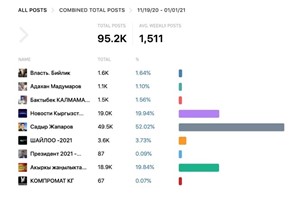
Жапаров убактылуу президенттин милдетин аткарган кызматына бекитилгенден кийин, коопсуздук кызматынын жетекчилигин өзүнүн мурунку саясий өнөктөшү Камчыбек Ташиевге ишенип берүү менен бийликтин маанилүү баскычтарына өз таасирин күчөткөн.[59] Ташиевдин буйругу менен болушунча жарнамаланган жана кээ бир адамдардын ою боюнча алдын-ала ойлонуштурулган бир нече кадамдардын жасалганын көрдүк. Бир жагынан мындай аракеттердин жасалышы коррупцияга каршы иштерине олуттуу кирише баштаганын белгиси болгондой.[60] Райымбек Матраимовдун кармалышы жана сотко чейинки абакка киргизилиши менен анын тармагына катышы бар деп шектелген кырктай (40) жакындарына карата тергөө иштери башталганы билдирилген.[61] 30 күндүк “Экономикалык мунапыс” демилгесинин алкагында ырайымды алуу үчүн Матраимов мамлекеттин казынасына 2 миллиард сом (23,6 миллион АКШ доллар) төгүүгө макул болгондугу жарыяланган. Бул демилге мурунку аткаминерлер менен паракорчулуктан пайда көргөндөргө мыйзамсыз тапкан кирешелерин мамлекетке кайтаруу мүмкүнчүлүгүн бермек.[62] Матраимовтор менен байланышкан интернет-троллдордун уюшулган топтору тарабынан көзөмөлдөнгөн фэйк аккаунтарынын тармагы мурун “Мекеним Кыргызстан” саясий партиясын алдыга илгерилесе, кийин көңүлүн жаңы убактылуу президентти колдоого бурган.[63]
Өлкө боюнча Жээнбековдун өкмөтүнө тиешелүү болгон жергиликтүү мансапкерлерди ээлеген кызматтарынан бошотушкан. Пайда болгон алгачкы башаламандыкта мурунку Бишкек шаарынын мэри Нариман Тюлеев менен карама-каршылыкты жаратып, 2010-жылдагы этника аралык жаңжалына катуу аралашкан Ош шаарынын мурунку мэри Мелис Мырзакматов сыяктуу Бакиевдин убагындагы ишкерлер өздөрүнүн мурунку кызматтарын басып алууга аракет жасашкан. Жаңы бийликтин күмөндүү колдоочулары маанилүү кызматтардын үстүнөн көзөмөлдү колго алганга чейин Тюлеев кыска мөөнөткө мэр болууга үлгүргөн.[64]
Бийликте башаламандык башталып, фракциялар аралык соодалашуунун ортосунда мамлекеттик кызматтардын жетектөө орундарын Жапаров жана Ташиев менен жеке жана саясий байланыштары болгон кишилер тез эле басып алышкан. Оппозиция тарапка өткөн ишмер Тилек Токтогазиев жогоруда белгиленип кеткен адамдардан өзгөчөлөндү. Тилек Токтогазиев өзүн өлкө лидери деп жарыялаганына карабастан, ал жаатта ийгиликке жеткен эмес, бирок оппозициянын талаптарын канааттандыруу үчүн убактылуу өкмөттүн курамында Айыл чарба министрилигинин башчысына дайындалат.[65]
Убактылуу өкмөттүн жасаган бардык куу кадамдарын расмий легитимдештирүү аракеттеринин негизинде 15-октябрда мөөнөтү бүткөн мандаттарга ээ болгон Жогорку Кеңештин мүчөлөрүнүн макулдугу жаткан. Бишкектин көчөлөрүн каптаган протестчилердин Парламенттик шайлоону кайрадан өткөрүү алгачкы талабын тез тез ишке ашыруу боюнча аракеттенүүнүн ордуна Жапаров өз көңүлүн жеке саясий кызыкчылыктарына буруп алат.[66] Анын кызыкчылыктарына жаңыдан Президенттик шайлоонун өткөрүлүшү аркылуу өз укуктарын легитимдештирүү менен 2010-жылдан кийин жөнгө салынган конституцияны жокко чыгарууну камтыган эски саясий максатына жетүүсү кирген. Албетте, президент кызматында иштеген Жапаровго мындай кадам президенттин ролун жогорулатууга жол ачып берүүсү анын чырагына май тамызгандай эле. Жаңы саясий бийликтин зоболосун эл-аралык дэңгээлде жогорулатуу максатында болжол менен Жапаровду колдогон бизнесмендердин бири финансалык колдоо көрсөтүп, коомдук байланыштар менен пиар жаатында 1 миллион АКШ долларга келишим түзүлгөн.[67]
Ошентип, президент кызматында иштеген бир айга жетпеген убакыт аралыгында 14 ноябрь күнү Жапаров бул ордунан баш тартып, 2021-жылдын 10-январында мөөнөтүнөн мурун өтө турчу президенттик шайлоо боюнча кампанияны жасоого жетишет. Ташиевдин мурунку “Ата-Журт” партиясынын депутаты Талант Мамытов хореографиялык маңызда ноябрдын башында маңкурт-өкмөтүнүн спикери болуп шайланып, Жапаровго президенттик шайлоого аттануу мүмкүнчүлүгүн берүү менен президент милдеттерин аткаруучу кызматына жаңыдан келген.[68] Жапаровдун мурунку биринчи вице премьер-министр кызматында иштеген жаш мамлекеттик кызматкер Артем Новиков ыйгарым укуктуу премьер-министр кызматына жогорулатылган.
Экилтик мыйзам долбоорунун экинчи бөлүгү президенттин укуктарын күчөтүп, Жапаров убадалаган өлкөнү башкаруу формасын тандоо боюнча референдум 10-январда президенттик шайлоо менен биргеликте өтөөрү белгиленди. Башында конституциянын мыйзам долбоорун макулдашуу максатында уюштурула турган референдумду 17-ноябрь күнү Жогорку Кеңеш кабыл алып, депуттатардын арасынан төртөөсү гана (Дастан Бекешев, Айсулуу Мамашова, Наталья Никитенко жана Каныбек Иманалиев) референдумга каршы добушун беришкен. Мындай олуттуу чечим кабыл алынып жатканда жалпы 120 кишиден 64 гана депутат Жогорку Кеңештин имаратында отурушкан. Бул факт мындай сунуштун күмөндүүлүгүн гана чагылдырбастан, ошондой эле конституциялык процессти мандатынын мөөнөтү өтүп кеткен депутаттардын жамааты мыйзамсыз башкарганын көрсөттү.[69] Бул жыйын жарыкка чыккан убакытта бул маселе чаташып калганы кеңири таралган, себеби бул чечим кабыл алынып жатканда кол койгон бир нече депутаттар кол койгондугун танып, бул мыйзам долбоорун көрбөгөнүн жана бул чаралардын кээ бирин колдобогондугун билдиришкен.[70]
Конституциянын жаңы мыйзам долбоору Жапаровдун ой-жүгүртүүсү жана аны тегеректеп курчап алган кээ бир улутчул топтордун реформаларынын баалуулуктары менен шайкеш келгендиги таң калаарлык эмес.[71] Бул окшоштук мыйзам долбоорундагы көчмөн салтынын негизинде иш алып барган “Элдик Курултай” деген кеңешме форумду түзө турган беренелерде байкалган. “Курултай” демилгесинин тарапташтары да, каршы болгондор да “Курултайды” учурдагы Жогорку Кеңештин ролу менен функцияларын узурпациялоонун бир жолу катары көрүшкөн.[72] Мындай көрүнүштүн иш жүзүндө мисал катары Казак Элинин Ассамблеясы жана Түркменистандын Элдик Кеңеши (кээ бир учурларда Аксакалдардын Кеңеши деп аталат) болуп бере алат. Биринчиси жергиликтүү жыйындардын өкүлдөрүнөн түзүлсө, экинчиси болсо мүчөлөрдүн шайлануусун авторитардык көзөмөлдөө укугуна ээ болуп, мамлекеттин саясий жетектөө мекемесинин ролун аткарат. Жаңы Конституциянын сунушталган мыйзам долбоору боюнча Жапаровдун президенттик укуктары күчөтүлмөкчү. Мисалы мындай жаңылануулар киргизилген: жаңы мыйзам долбоору боюнча, президент 5 жылдык 2 мөөнөт катары менен өз талапкерлигин коё алат; Премьер-министр менен министрлер, бөлүмдөр жана жергиликтүү бийликтин өкүлдөрү президент тарабынан дайындалат. Буга кошумча болуп, Жогорку Кеңеште отурган депутаттардын санын 120дан 90го түшүрүү сунушталган. “Маданият жана адеп-ахлакка” же “Кыргыз элинин салт-сааналары менен жалпы таанылган моралдык баалуулуктарына” каршы келген маалыматтардын жана массалык маалымат каражаттарынын таркалышына тыюу салган Баш мыйзамдын 23-беренеси эл-аралык коомчулукту өзгөчө дүрбөттү.[73]
Жаңы сунушталып жаткан Башмыйзам иш жүзүндө кандай өзгөрүүлөргө алып келээрин аныктоо иштери жаңы түзүлгөн Конституциялык кеңешмесине жүктөлгөн. Ал кеңешме сунушталган өзгөрүүлөрдү коомдук талкууга алып чыгып, ал өзгөртүүлөрдү кеңейтүү сунушун бериши керек болчу.[74] Бирок, 10-декабрга чейин ички талаш-тартыш, жарандык нааразычылык менен эл аралык коомчулуктун терс реакциясынын басымынан улам кырдаал толугу менен өзгөрүп, Конституциянын толук мыйзам долбоорун январь айында өтүлчү референдумга коюлушу четке кагылган. Анын ордуна шайлоочуларга башкаруу формасын тандап алуу мүмкүнчүлүгүн ортого чыгарып, деталдуу маалыматтары кийинирээк берилмекчи.[75]
Октябрь окуяларынан кийин моралдык жактан алсырап калган либералдуу ой-жүгүрткөн опппозиция жогоруда белгиленген процессти легитимсыз (мыйзамсыз) деп табууга далалат жасап, Башмыйзамдын алгачкы мыйзам долбоорунун кабыл алынуусуна тоскоолдук жаратуу максатында референдумду бүдөмүктөөгө аракеттенген. Көпчүлүктү өзүнө караткан лидер болуп, жана президенттик шайлоону адилеттүү жеңүү жолун таба билген күчтүү талапкери жок болгонуна карабастан, Садыр Жапаров талапкерлердин ортосунда коомдук дебаттарга келбей, өз саясий кампаниясын жүргүзүү процессине кылдат мамиле жасаган.
Октябрда чуулгандуу өткөн шайлоого караганда, январдагы шайлоо жана референдум тынч өттү.[76] Шайлоо менен референдумга шайлоочулардын келген саны төмөн болуп, 39,75% жана 39,88% түзгөн. Шайлоого катышкандардын берген добуштары боюнча президенттик шайлоону 79% менен Жапаров жеңип, референдумда келген шайлоочулардын 80% президенттик башкаруу формасын колдошкон.[77] Шайлоочулардын аз гана бөлүгү келгенинин себептери бир нече факторлорго байланыштуу болгон, алар: жылдын мезгили, пандемия боюнча коркунучтар жана шайлоонун жыйынтыгы алдын ала белгилүү болгондугу. Көптөгөн оппозиция өкүлдөрү бул иш легитимдүү эмес өтүп жатканын белгилеп, бул жыйындын бир катар авторлору айткандай, шайлоонун бул жолкусунда Жапаровдун үгүт иштеринде добуштардын ачык сатып алуу учурлары 4 октябрдагы жана мурунку шайлоолорго караганда кыйла аз болгон. Мындай көрүнүштүн бирден бир себеби октябрь айынан баштап админресурстарынын басып алынышы, Жапаровдун жеке айланасы менен колдоону талкалай турган паракорчулукка эл өз ыктыяры менен жол бергендиги ачыкка чыкканы болгон. Ошондуктан, добуштарды сатып алууга болгон муктаждык четке кагылган. Авторитаризмге алып келчү коркунучун камтыган президенттик ыйгарым укуктарын кескин кеңейтилишинин колдогон коомду акыркы он жыл аралыгында саясий аренасын каптап кеткен жаңы жүздөр менен фракциялар жана жакында эле болгон башаламындыктын алып келген натыйжасы десек болот. Ошондой эле, мындай кубулуш элдин кээ бир бөлүгүн (ошондой эле жергиликтүү байкоочулардын кээ бири) 15 жылдын ичинде үч президентти алмаштыргандан кийин парламент менен партиялардын өзөгүндө жаткан саясий күчтөрдүн кеңири тараган тармагын чындап өзгөрткөндөн көрө бир президентти кызматынан кетирүү жеңилирээк болот деген ойго алып келген.
Февраль айынын башында 48 мүчөнүн ордуна 16 мүчөдөн турган кичирээк, жаңы министрлердин кабинети түзүлүп, көптөгөн мамлекеттик мекемелер менен министрликтер бириктирилген.[78] Жаңы министрлердин кабинетинин жетекчилигине Эсептөө палатасынын мурунку төрагасы Улукбек Марипов келип, биринчи вице-премьер кызматына Артем Новиков кайрадан келген.[79] Убактылуу өкмөттүн курамына илинип калган Эльвира Сурабалдиева менен Тилек Токтогазиев сыяктуу Жапаровдун сынчылары өз кызматтарын сактай албагандары таң калычтуу эмес.[80] Марипов өкмөттүн жетекчилигине дайындалганы жарыяланганда, анын жетекчилик кылуусуна каршы кичи нааразылык акциясы болгон. Элдин каршылыгына Мариповтун атасы, мурунку депутатка коюлган күнөөлөр себеп болгон.[81] Кыргызстанда бийлик алмашууда көнүмүш адатка айлангандай эле, мыйзам бузууларга тиешелүү болгон мурунку бийликтин кызмат кишилерине жана/же бийликтен алыс болгон учурда жаңы тузүлгөн өкмөттүн өкүлдөрүн жазалагандарга карата доо иштеринин саны өскөн. Ошентсе да, учурдагы ушул сыяктуу иш аракеттердин ылдамдыгы менен масштабы (президенттик шайлоодогу Жапаровдун мурунку эки атаандашы менен мурунку өкмөттүн жогорку кызматтагы аткаминерлерин эске алып) тынчсыздануунун кошумча себебин туудурууда.
Конституциялык жыйында болуп өткөн талкулоодон кийин 9-февраль күнү парламент кайрадан каралып чыккан Конституциянын долбоорун жарыялады.[82] “Адилет” юридикалык клиникасы белгилегендей, Конституциялык жыйындын талкулоосунан жана коомдун басымынан улам Баш мыйзамдын долбоорунун октябрь айындагы жарыяланган биринчи вариантына караганда учурдагы нускасында бир нече оң өзгөртүүлөр киргизилгендиги байкалды. “Моралдык баалуулуктардын үстөмдүгүнө болгон көптөгөн шилтемелер өчүрүлүп, балдар эмгегин колдонуу, ошондой эле баланын кызыкчылыктарынын жогорку дэңгээлде камсыздалышы жана кулчулукка жол берилбестиги тууралуу нормалар каралган. Адамдын маданият, экономикалык жана социалдык укуктардын кепилдигин бекемдеген жаңы жоболор пайда болгон”. [83] Элдик курултайды түзүү боюнча сунуштары басаңдалганы көрүнүүдө, анткени баштапкы вариантына караганда, оңдолгон мыйзам долбоорунда бул органдын расмий укуктары кыскартылган. Эгерде башында Элдик курултайдын негизги максаты бийлик бутактарындагы мекемелерине кеңеш берүү болгон болсо, азыркы нускасында бул орган өз ишин сотторду тандоодо аткармакчы. Премьер-министр кызматы толугу менен жоюлуп, ошол эле убакта Конституциянын жаңы мыйзам долбоору боюнча Президенттин Аппарат башчысын “министрлердин кабинетинин төрагалыгына” шайлоо сунушталууда.
Ошондо дагы, бей-өкмөт уюмдар менен эл аралык байкоочуларды тынчсыздандыра ала турган эки маселе ортого чыгууда. Биринчиси Баш мыйзамдын доолборунун 8.4 беренесинде камтылган, ал жерде “Саясий партиялар, профсоюздар жана башка коомдук бирикмелердин финансалык жана экономикалык ишмердүүлугүнүн ачык-айкын жүргүзүүгө тийиш” деген талабы коюлуп, ал зыяны жоктой көрүнгөнү менен, бей-өкмөт уюмдардын жүгүн конституциялык жол аркылуу оорлоштуруу аракети бар деген коркунучу жаралууда (ылдыйда талкууланмакчы). “Адилет” юридикалык клиниканын серепчилери “моралдык баалуулуктар” бөлүмү кайрадан каралганы менен, Баш мыйзам долбоорунда дагы деле 10.4 беренеси бар экенине басым жасоодо. Ал берене “Өсүп келе жаткан муунду коргоо максатында Кыргыз Республикасынын элинин коомдук аң-сезими менен моралдык жана этикалык баалуулуктарга карама-каршы келген иш-чараларга мыйзам боюнча чектөө киргизилиши мүмкүн” деген ойду чагылдырган. Конституциялык кеңешменин мүчөлөрүнүн оюна караганда, кайрадан каралып чыккан берене батыштагы порнография сыяктуу зыян тийгизе турган нерселерден балдарды коргоо боюнча конституциялык жоболору менен шайкеш келүүдө.[84] Буга окшогон беренелер Орусия сыяктуу башка өлкөлөрдө ЛГБТ жана аялдар укуктары менен башка социалдык-маданий маселелерди ачыкка чыгарып талкуу жургузуугө жана ал маселелери боюнча активдүүлүккө чектөөлөрдү киргизүү үчүн колдонулган. Ошондой эле, максаттуу аудиторияга багытталбаганына карабастан, жаш балдардын психологиясына терс таасирин тийгизерине байланыштуу кээ бир адамдар тарабынан “салттуу” баалуулуктарга карама-каршы келет деп эсептелген контент менен искусствого цензура коюлган. Президент Жапаров 2021-жылдын 11-апрелде Конституциялык референдумду жергиликтүү кеңештерге шайлоолор менен бир күндө өткөрүү ниетин билдирип, кийинки өзгөрүүлөрдү талап кылуу үчүн жарандык коомдун саналуу гана убактысы калган.[85] Бул жыйын биринчи жолу жарык көргөндөн кийин, 2021-жылдын 11-апрелинде болуп өткөн Конституциялык шайлоого шайлоочулардын 35% гана келгенине карабастан, алардын ичинен 79%дын макулдугу менен Баш мыйзамдын жаңы долбоору кабыл алынган. Жаңы Конституцияга Президент кол коюп, 2021-жылдын 5-май күнү расмий түрдө күчүнө кирген.
Учурда Жапаров Кыргызстандын саясий иерархиясынын туу чокусунда болуп турганы талашсыз. Башкаруу системасын өздүк жетектөө таризине ылайыкташтырууга болгон аракетин активдүү жумшап жатканы көрүнүүдө. Бирок, Кыргызстан дагы деле экономикалык, социалдык жана саламаттыкты сактоо жаатында олуттуу көйгөйлөргө дуушар болуп, берилген убадаларынын аткарылышына басым жасалууда. Жапаровдун президенттикке талапкер болуусу эл аралык коомчулук тарабынан сындуу көз караш менен кабыл алынып, буга байланыштуу анын Орусия, Кытай, Батыш жана эл аралык институттар менен болгон мамилелери анын бийликке келишине чейин эле татаалдашты. Бирок, донорлор менен чет өлкөлүк инвесторлорду тынчытуу максатында өзүнүн экономикалык улутчул иш-аракеттеринин кээ бирлеринен баш тарткан, анткени өлкөнү кыйын абалдан чыгарып кетүү үчүн эл аралык жардамдын маанилүүлүгүн түшүнө баштаган. Улутчул иш-аракеттерине Жапаровду белгилүү кылган (түрмөгө да отургузган) Кумтөрдү мамлекеттештирүү чакырыктарынан алгачкы маалда алыс болуусу дагы кирет. Бирок, бул басылма жарыялангандан кийин эле, Жапаров кайра өз көз карашын өзгөртүп, парламент “Кумтөр” тоо кенин убактылуу мамлекеттик көзөмөлгө алган чаралады кабыл улууга добушун берген. Ошондой эле, Кыргызстандын өкмөтү шахтанын канадалык ээлери салыктарды төлөбөй, мамлекетке 170 миллион АКШ доллар карыз болуп калганы тууралуу билдирүү жасаган.[86] Кен байлыктарын казууга уруксат эл аралык компанияларга берилбестиги тууралуу Жапаров бир нече жолу кайталап айтып, бирок учурда түзүлүп калган келишимдер бузулбастыгын белгилеген. Аны менен кошо, Жапаров Кыргызстандын эң маанилүү болуп эсептелген тоо кен секторундагы боштукту толтуруу үчүн жергиликтүү компанияларды керектелген заманбап техникалык каражаттары менен камсыздоо маселелерин көтөрүп чыккан.[87] Мурунку айтылган сөздөрүнө күмөндөрдү жаратып, табигый ресурстардын, кубаттуулуктун жана кен байлыктарын казуу жаатында кеңейтилген кызматташтыкты көздөгөн жаңы алкактык келишими Кыргызстан менен Түркиянын ортосунда түзүлгөндүгү 24-февралда белгилүү болду.[88]
Жапаровдун жеке саясий брэндинин өзөгүн анти элиталык улутчулдук негиздеп, учурда жасаган иштеринде пайда болгон этияттык аны реалдуу саясий тобокелге салып, Жапаровдун популисттик көңүлү башка нерселерге бурулабы деген суроо ачык бойдон турат. Аксана Исмаилбекова белгилегендей, этникалык улутчулдук (Бакиевтер менен байланыштары бар болгонуна карабастан) Жапаровдун саясатынында башкы орунду ээлеген эмес, бирок анын онлайн тарапташтары алда канча тереңирээк маданият менен консервативдүү мүнөзгө ээ болгонун эске алуу зарыл. Бирок алардын арасында кээ бирөөлөрү этникалык улутчулду колдоп, диний кызматына от башы менен кирип кеткендер дагы болгондуктан, эгерде иштер начарлай баштаса азчылыктардын топтору өсүп жаткан басмырлоонун таасирин сезиши мүмкүн деген коркунучтар пайда болууда. Жапаров менен Трамп президенттердин ортосунда аналогиялар бир нече жолу жүргүзүлгөн. Георгий Мамедовдун сөздөрүнө караганда, Трамп жана Жапаров экөө тең “саясатты тирешүү (конфоронтация) катары” түшүнүшүп, “өлкө кичи топтун кызыкчылыктарынан улам сазга батып отурат” деген сөздү айтуу менен мындай түшүнүктү чагылдырган риториканы Жапаров чындап эле колдонгон (бирок өзүн популист деген атка конуудан алыс туруу аракетин жасаган).[89] Күчтүү президент институтун курулушун жан дили менен каалаган Жапаров (бул каалосу анын президентикке келгенге чейин бир топ мурун эле билинчү) жылдап бюрократиялык натыйжасыздык менен ыраатсыздыктан бөлүктөргө ураган өлкөнү бириктирип, күчтөнгөн бир мамлекетти көрүүгө болгон каалоосунун чагылдырып турган. Бул кадам Путиндин өз башкаруусун легитимдештирүү макcатында мамлекетти бекемдөөдө жасаган аракеттерине окшошуп кетээри байкалууда.
Биз учурдагы кырдаалга кантип келдик – Системалык көйгөйлөр
Кыргызстандын учурдагы кырдаалага кептелип калганынын себеби көптөгөн жылдар бою мамлекет ичиндеги иштер аябай эле көп адамдар үчүн туура нукта кетпегенине байланыштуу болушу мүмкүн. Кыргызстанды тегеректеп турган, демократиялык абалы коркунучтуу болгон башка аймактарга салыштырмалуу, Кыргызстан орто дэңгээлде сактай алган ачык-айкындыгы үчүн эл аралык коомчулук кубаттап, мактагысы келгендиги бир нече убакыттын ичинде Кыргызстан дуушар болгон терең түзүлүштүк маселелердин кичирейтилишине же көңүлгө алынбай калышына алып келгендир. Мындай кырдаалдын түзүлүп калгандыгынын себеби бир гана жакшы жаңылыктарга бай мамлекеттин репутациясын куруу гана болбостон, Кыргызстан салыштырмалуу ачык-айкын өлкө болгонуна байланыштуу көптөгөн уюмдар үчүн аймактык борборго айланып, бул кырдаалды бузууга эч кимдин ниети жоктой эле. “Борбордук Азиядагы жалгыз демократиялуу” өлкөнүн жарандарында мындай “демократия” көбүнчө натыйжасыз жыйынтыктарга алып келүү менен демократиянын кызыктуулугун төмөндөгөнү туурасында ойлонуп чыгууга болгон муктаждык бар. Ошондой эле, мындай көрүнүш кыргызстандыктардын (Кыргызстандагы абалды “башаламандык” деп мүнөздөгөн бул аймактагы башка өлкөлөрдүн жарандарынын дагы) либералдуу институтун куруу мүмкүнчүлүгүнө болгон ишенимин актай алган эмес.
Асель Доолоткелдиева менен Жасмин Кэмерон өз иштеринде белгилегендей, мамлекеттин бийлик өкүлдөрү мурунку төңкөрүштөрдөн алуучу сабактарды өздөштүрө албай келе жатат.[90] Ширин Айтматова жана башкалар билдиргендей, Советтер Союзу кыйрагандан кийин тышкы көрүнүшү үчүн гана түзүлгөн институттар өтө көп учурларда жөн гана сырткы фасадды түзүп, чыныгы бийлик ал фасаддын астында иш жүргүзүп, алардын имараттары ижарага берилген. Мындай көрүнүш эл аралык донорлордун миллиарддаган жардамына карабай болуп келсе, кээ бир учурларда бул кырдаал дал ошол жардамдын айынан түзүлгөн.[91] Пандемияга чейинки 8,5 миллиард АКШ долларды түзгөн ички дүң продукциясынын көрсөткүчүнө караганда, жүргүзүлгөн эсептөөлөр боюнча 2017-жылы Кыргызстанга кредиттик жана гранттык негизинде 9 миллиарддан ашык АКШ доллар каражаты бөлүнгөн (бул сумманын ичинен 2,5 миллиарддан ашык АКШ доллар каражаты грант болуп берилген).[92] Cоветтер Союзу кыйраган мезгилден тарта биринин аркасынан бири келген жетекчилер эл аралык каржы институттар берген салттуу (нео-либералдык) саясий сунуштамаларын колдонуп, пайда көрө ала турган (ээликтен ажыратуу менен мамлекеттик мүлктөрүн менчиктештирүү аркылуу), бирок натыйжасы жок колу буту байланган саясий оюнчулар басып алган склеротикалык жана баарын көзөмөлдөп турган өкмөттү алмаштырышкан.
Мамлекеттик институттардын алсыздыгы саясий партиялык системасынын туруксуздуулугунда билинет, анткени саясий топтоолор дегенде чектелген идеологияга байланган айрым адамдардын тарабынан жетектелген бош бирикмелерди гана түшүнсө болот (идеология тууралуу сөз кылганда, айрымдар улутчулдук, либерализм жана орусчул саясат сыяктуу чоң темаларына тийиш амалдарын колдонгону, же президенттик менен парламенттик системаларынын ортосунда жасалчу тандоо сыяктуу конкреттүү саясат темасын колдонушканы кошо белгиленмекчи). Бирок, учурлардын көбүндө (дээрлик баардыгында) партиялардын алгачкы функциясын соцтармактар менен олигархиялык кызыкчылыктарынын ырастоо механизми катары түшүнүүгө болот.[93] Дайыма кайталанып, калкып чыккан маселе 500 000 баштап 1 миллион долларга чейин параны талап кылган партиялык тизмеде алгачкы орундар болуп келген, себеби бул орундар мыйзамсыз акча табууга жол ачуу менен сот куугунтугунан коргонууну камсыздамак.[94] Күчтүү президенттик системасына кайтып келүүгө байланыштуу бийликтин бекемделиши тууралуу көптөгөн негиздүү кооптор кандай гана болбосун, мурунку парламенттик система күтүлгөн жыйынтыктарды көргөзө албаганы менен ал убакта бийликтеги мыйзам бузгандарга карата чара көрүлбөгөнү айдан ачык көрүнүүдө.
Коррупция жана уюшкан кылмыштуулук
Жогоруда айтылып, төмөндө берилген макалалар менен Кыргызстан тууралуу башка көптөгөн маалымат репортаждары мамлекет дуушар болгон көптөгөн көйгөйлөрдүн өзөгүндө паракорчулук жатканын белгилешүүдө. Борбордук Азиянын башка аймактарында тамырлап, бутактап кеткен паракорчулукка өбөлгө тузгөн көптөгөн табигый кең байлыктары Кыргызстанда жок болгонуна карабастан, бул маселеге жергиликтүү дэңгээлден баштап элиталарга чейинки бийлик түзүмдөрү белчесинен аралашкан.
Кыргызстандын жайгашуусу бул маселенин маанилүү бөлүгү болуп турат. Орусия, Белоруссия, Казакстан, Армения жана Кыргызстан кирген Евразия экономикалык биримдигинин бажы бирикмесине товарлардын ташылып кирүүсүнүн негизги пункту болуп саналат. Бажы зонасына товарлардын ташылып келиши, өзгөчө Кытайлык товарлардын ташылышы (Орусияга жана Казакстанга жолун Кыргызстандагы “Торугарт” өтмөгү аркылуу улап, Кытайдын түндүк-батышында жайгашкан Кашгарда башталган “Түндүк маршруту”) паракорлукка кенен мүмкүнчүлүктөрүн ачып, таасирдүү оюнчулардын бейрасмий монополиялардын түзүүсүнө жол берет. Расмий бажы өткөрүү-пункттарынан өтүү үчүн төлөнүүчү паранын эсебинен мыйзамсыз киреше табылып, мындай формалдуу иштер көңүлгө алынбаган жерде аткезчилик (контрабанда) мүмкунчүлүктөрүнө кенен жол ачылууда. Товарларды чек-арадан өткөрүү менен алектенген транспорт жана логистика жаатында үстөмдүк кылуу үчүн өлкөгө товарларды өткөрүү ыйгарым укуктарын кыянаттык менен колдонулуусу кирешенин мыйзамсыз табуунун дагы бир жолу болуп эсептелет.[95] Бул маселенин экинчи жагы Орусия менен Европага карай өйдөдө белгиленген “Түндүк маршруту” Кыргызстандан өтүп, баңгизат аткезчилигинин өткөрүү пункту болуп, биринчи кезекте Ооганстандан героиндин Таджикистан аркылуу ташылышы жөнүндө кеп болмокчу.[96] Ширин Айтматова өз баяндамасында билдиргендей, Кыргызстандагы көмүскө экономика эбегейсиз көлөмдүү болуп, болжолдуу түрдө келтирилген эң акыркы анын көрсөткүчү Кыргызстандын ички дүң продукциясынын 42% түзгөн.[97]
Эл аралык башкаруучулар менен журналисттер баса белгилегендей, каражаттардын мындай мыйзамсыз табуу булагынын эки түрүн көзөмөлдөп, үстөмдүк кылган таасирдүү күчтөр катары Райымбек Матраимов (бажы) менен Камчы Көлбаев (баңгизат) таанымал болушкан.
2013-жылы Түштүктөгү бажы кызматынын жетекчилигине жетээрден мурда, Кыргызстандын түштүк аймагындагы Бажы башкармалыгынын башкаруучусунун орун басары, кийин 2007-жылы жетектөөчүлүккө келип, Матраимов өз жолун бир нече катардагы кызматтарында иштеп баштаган. 2015-жылы Улуттук Бажы кызматынын башчысынын орун басарлыгына жогорулап, ал убакытка чейин мыйзамсыз киреше табуу айыптарын таануу менен “Раим-миллион” деген атка конуп калган.[98] 2017-жылы президенттик мөөнөтү аягына чыгаардан мурда Алмазбек Атамбаев Матраимовду кызматынан кетиргенине карабастан, ал мезгилде парламентте бийликти кармап турган Кыргызстан Социал-Демократтардын партиясында Матраимовдун агасы өзүнө орун камдап койгон. Натыйжада, жогоруда белгиленгендей Матраимовдордун үй-бүлөсү “Мекеним Кыргызстан” саясий партиясын негиздешкен.
Орто беделдүү бажы кызматкеринин көрүнүктүү байлыктары менен олуттуу таасири Кыргызстанда кеңири белгилүү болсо да, дал Эркин Европа Радиосу/Эркиндик Радиосу (RFE/RL), Коррупция менен уюшкан кылмыштуулукту баяндоо долбоору (OCCRP) жана бул долбоордун кыргыз мүчөсү Kloop борборунун биргелешкен журналисттик иликтөөлөрү Матраимовду өлкөдөгү саясий дебаттардын чордонуна чыгарган.[99] Алардын репортаждары алгач Дубайда жашаган казакстан жарандыгына ээ болгон этникалык уйгур Хабибула Абдукадырдын Матраимов менен болгон байланышына басым жасаган. Ошондой эле Хабибула Абдукадыр Лондондо, Вашингтондо жана Германияда көлөмдүү мүлктөргө ээлик кылып, тергөө тобунун сөздөрүнө караганда Борбордук Азиядагы жүктөрдүн аткезчилик империясынын борборунда Абдукадырдын тургандыгы ортого чыккан.[100] Айеркен Саймаитинин берген көрсөтмөлөрүнүн негизинде гана жогоруда айтылган иликтөөлөрдү жүргүзүүгө шарт түзүлгөн, анткени Саймаитинин сөздөрүнөн бул көмүскө тармактарынын атынан 5 жыл бою 700 миллион АКШ доллар каражаттарын которуп, которулган акчалардын изин жашыруу менен алектенгенин жана ортомчунун ролун ойногону белгилүү болгон.[101] Көмүскө иштердин бетин ачкан Саймаитинин сөздөрүнөн Матраимовдордун үй-бүлөсүнүн фондуна 2,4 миллион АКШ долларга жакын каражаттардын түшкөнү жана Дубайда кыймылсыз мүлктүн курулушу боюнча болжол менен Матраимов менен Абдукадырдын кызматташтыгы тууралуу маалымат ачыкка чыккан. Мыйзамсыз иштердин жүзүн ачкан иликтөө жарыяланаардан бираз гана мурун Саймаити буйрук менен өлтүрүлгөн. Бул иликтөө Бишкекте коррупцияга каршы протесттерди козгоп, бул жыйынга өз салымын кошкон Ширин Айтматова баш болгон “Үмүт 2020” кыймылы иш жүргүзүп баштаган.[102]
2020-жылдын октябрдагы шайлоолордон мурда бул темадагы талкуулоолор кайрадан жанданган, себеби Матраимовдордун “Мекеним Кыргызстан” партиясы алгачкы орунду ээлөөгө күрөшсө, RFE/RL, OCCRP, Bellingcat жана Kloop уюмдарынын репортаждары “Матраимовдун империясы” деген баш сап менен Матраимовдорго көңүлүн кунт койгон.[103] Репортажды даярдагандардын айтканына караганда, Матраимов өз бизнесин курган механизмдери отчеттордо документтештирилген. Бул иликтөөнүн орчундуу бөлүгүнүн жарыяланышына Матраимовдун жубайы, Аманда Тургунова “элитанын” катарына киргендигин сыланкороздук менен жар салып, соцтармактардагы жеке баракачаларына акылга сыйбаган сатып алуулары менен ысырапкорчулугун көрсөтүүсү салым кошкон.[104] Аманда Тургунова тууралуу чыккан репортаж элдин кыжырын ого бетер кайнатып, 4-октябрь шайлоо күнү “Мекеним Кыргызстан” партиясынын жана башка Матраимовчулдардын добуштарды сатып алуу аракеттери отко май куйгандай болуп, натыйжада президент Жээнбеков кызматынан кеткен.[105]
Шайлоо өтөөрү менен бийликке Жапаров келгенден кийин эле дароо жаңы бийлик Матраимов боюнча иликтөө иштери жүргүзүлөөрү тууралуу билдирүү жасаган. Ал билдирүүдө Матраимовдор бажы тармагында көмүскө кирешеси мурун айтылган 700 миллион АКШ доллардан ашкан алда канча ири схемаларга тийиштүү экендиги белгиленген.[106] Ошентип, 2 миллиард сомго жакын (23,6 миллион АКШ доллар) жеке пайда көрүп, мамлекетке зыян келтирген деген айыбы тагылып, 20-октябрда Матраимов камакка алынган. Бирок, жогоруда белгиленгендей Жапаров жана ал койгон УКМКнын жаңы төрагасы Камчыбек Ташиев менен биргеликте экономикалык мунапысты жарыялоо менен түзүлүп калган кырдаалдан чыгуу амалын табышкан. Бул демилгеге ылайык, жасалган кылмыш иштери боюнча орчундуу жазадан кутулуу үчүн мурунку жылдарда паракорчулуктан мыйзамсыз жол аркылуу тапкан кирешесинин бөлүгүн кайтаруу мүмкүнчүлүгү сунушталган. Жарыяланган экономикалык мунапыстын жыйынтыгында мамлекеттин казынасына көптөгөн накталай каражаттар түшүп, убадаланган тез “жыйынтыктарды” көрсөтүү менен өтө эле курч жана ыңгайсыз суроолорду берүүдөн баш тартып, кылдаттыкты талап кылып, түзүлүп келе жаткан аярлуу күчтөрдүн бузулушу эч кимге кереги жоктой эле. Матраимов кайтарып берүүгө макул болгон 2 миллиард сомдон (23,6 миллион АКШ доллардан) 600 миллион сомду Бишкек шаардагы 9 батир жана соода борборун мамлекетке жаздыруу менен кутулган. Акырында, күнөөсүн өз мойнуна алып, (23,6 миллион АКШ долларга кошумча) 3000 АКШ доллар айып пулун төлөөгө макул болуп, Матраимовго карата 2020-жылдын февраль айынан тарта мамлекеттик кызматтарда иштөөгө үч жылдык тыюу салынган.[107] Бул кадамы элдин жүзүнө түкүрүк катары кабыл алынып, коомдо пайда болгон резонанс нааразылык акцияларын кайрадан жанданткан.[108] Бул жыйын жазылып жаткан учурда күтүлбөгөн бурулуу болуп Матраимовдун кайрадан УКМК тарабынан камалышы болду, анткени мындан бир жума мурун эле анын акчалардын изин жашыруу иштери боюнча тагылган айыптары сотто каралып, эки айга алдын ала абакка киргизүү чечими кабыл алынган.[109] Кыргызстандагы мыйзамдар менен маселелери бар болгонуна карабастан, Матраимов жана анын жубайы 2020-жылдын декабрь айынан баштап паракорчулукка шектелүүнүн негизинде АКШнын Магнитский санкцияларынын тизмесине киргизилишкен.[110]
“Камчы” коюлган аты менен таанылган Камчыбек Кольбаев кыргыз саясатына таасирин көп деле тийгизбегени менен 2011-жылдагы АКШда кабыл алынган “Чет өлкөлүк баңгибарондор” тууралуу мыйзам боюнча “олуттуу чет өлкөлүк баңги соодагер” катары таанылып, 2012-жылдын февраль айынан бери АКШнын Каржы министрилиги тарабынан Кольбаевдин бардык финансалык эсептери тоңдурулган.[111] Жыйынтыгында, 2012-жылдын декабрь айында Кольбаев Бириккен Араб Эмираттарынан кайра Кыргызстанга экстрадицияланып, абакка 5 жарым жылга камалып, кийин ал мөөнөтү 3 жылга кыскартылып, 2014-жылы май айында акыры абактагы мөөнөтү аягына чыкты деген корутундунун негизинде эркиндикке чыккан. Уюшкан кылмыш топторун жетектеген деген айыптары дагы алынган.[112] Эркин Европа Радиосу/Эркиндик Радиосу (RFE/RL), Коррупция менен уюшкан кылмыштуулукту баяндоо долбоору (OCCRP), Kloop борборунун жана Bellingcat уюмунун биргелишкен Матраимовдорго карата журналисттик иликтөөлөрү Кольбаев менен Матраимовдун ортосунда байланыштары бар экендигин аныктап, Матраимовдун үй-бүлөсү болжол менен Кольбаевге таандык болгон Ыссык-Көлдөгү вилласында токтошкону белгиленди.[113] Жапаров менен Ташиевдин ашыкча жарнамаланган коррупцияга каршы кампаниясынын алкагында 2020-жылдын октябрь айында Кольбаев кайра камакка алынган, бирок ага карата чаралардын көрүлүшү белгисиз.[114]
Аксана Исмаилбекова өз эссесинде белгилегендей, мындай ири оюнчулар түптөлүп, тамырларын терең кетирген паракорчулук маданиятынын эң жогорку дэңгээлинде отуруп, бул маданият кылмыштуу таптар менен мамлекеттин бүтүндөй ишмердүулүгүнө сиңип калган. Ишкерлер мамлекет менен кылмыш топтордун аралашма симбиотикалык кызматташуусуна мажбур болуп, жергиликтүү дэңгээлден баштап улуттук дэңгээлге чейин пара берүү менен (расмий жана бей расмий) коргоонууга жана экономикалык мүмкүнчүлүктөргө ээ болууда. Кольбаев менен Матраимов сыяктуу чоң фигуралардан баштап жергиликтүү саясатчыларга чейин өздөрүнүн жеке жактоочу жана кардарлык тармактарына ээ. Мамлекет ийгиликке жете албай калган учурларда анын ордуна ишке киришүүгө даяр болгон социалдык камсыздандыруунун өз схемаларын ири оюнчулар натыйжалуу түрдө иштетишет. Мисалы, социалдык программаларды жүргүзүп жана Оштогу университке барып, окуганга студенттерди колдогон Матраимовдун үй-бүлөсүнүн фондунун Кара-Суу аймагында таасири кыйла эле жогору.[115] Эрика Марат белгилегендей, пандемия учурунда мамлекет өз милдеттерин аткара албай калганда өзү чыккан Ыссык-Көл районуна Кольбаев колдоо катары керектелген дары-дармектер менен башка керектелген жабдуулардын жеткирилишин камсыздаган.[116] Жергиликтүү дэңгээлде болсо, өзгөчө Ош жана анын тегерек аймактарында жайгашкан спорттук клубдар менен машыгуучу залдар каржылай турган конкреттүү бир жактоочунун атынан иш жүргүзчүдөй жергиликтүү күчтөр (спортсмендер) менен камсыздоосун улантууда. Бул жигиттер саясий партиялардын атынан шайлоолордо байкоочу болуп берип, ошо жактагы участоктордо аларды каржылап турган кишинин саясий партиясынын атынан добуштарды сатып алуу схемаларын башкарууда пайдаларын көрсөтүшөт.
Жогоруда айтылгандай, ар бир келген президент кабинетте ээлеген бийликти жеке чөнтөгүн мүмкүн болушунча толтуруу максатында колдонушкан. 2016-жылы Карнеги фондунан Сара Чейз жүргүзгөн изилдөөсү президенттин (ал убакытта Атамбаев болуп турган учур) өлкөдө башка клептократтык тармактардын үстүнөн болгон үстөмдүгүн аныктап, ал үстөмдүгү укук коргоо органдар менен соттор президентке баш ийгенинен байкалган.[117]
Мындай үмүтсүз абалга дуушар болгондо, Батыш колдогон паракорчулукка каршы күрөшүүгө багытталган институционалдык реформанын жүргүзүү аракеттери болгон күчү менен элден колдоо табууга умтулган. Кыргызстан учурда ачык-айкындуулукту жогорулатуу максатында өкмөттөр менен иштешкен глобалдуу уюмга, “Ачык өкмөт” өнөктөштүгүнүнө мүчө болуп турат. Бирок, кээ бир министриликтерде маалыматтын жеткиликтүүлүгүндө болгон чектелген прогресс менен Жээнбеков маалында киргизилген пайдалуу, бирок жетиштүү түрдө колдонулбаган электрондук сатып алуу системасына карабастан, өкмөт маанилүү реформалардын ордуна эл аралык донорлор колдогон реформа боюнча өкмөт долбоорлоруна жана схемага болгон мүчөлүктүн пиар пайдаларына кобүрөөк маани берген.[118]
Аксана Исмаилбекова билдиргендей, президент Жапаров «доля» (мамлекеттик мекемелерге бизнестен түшкөн пайданын бир “бөлүгүн берүү”) аттуу системасын жокко чыгарууга убада берип, өйдөдө айтылгандай октябрда бийликке жаңы өкмөттүн келишинен кийин экономикалык мунапыстын натыйжасында каражаттардын бир бөлүгү жеңил опузалоо түрүндө кайтарылган. Кайра эле Исмаилбекованын сөздөрүнө кайрылсак, Жапаровдун паракорчулук боюнча чараларды көрөөрүнө ишенип, аны колдогондордун арасында кээ бирлердин чындап колдогонун себеби мамлекеттеги коррупцияны толугу менен жоё алат дегендиктен эмес. Бишкектин сырткы кээ бир аймактарындагы эл Жапаровду экономикалык популист катары таанып, мурунку кесиптештерине караганда коррупциянын кыжырды кайнаткан учурларына каршы чараларды көрүп, коомчулуктун кызыкчылыктарын эске алуу менен тамырлап кеткен коррупциянын процесстерин кылдаттык менен башкараар деген ой түзүлүп калгандай. Дал ушул контекстте, жөнөкөй жараандардын жашоосун бузган уюшкан кылмыштуулуктун аракеттерине жана жергиликтүү аткаминерлер менен милиционерлердин майда паракорчулукка каршы көрүнүктүү кадамдары чындап жасалса, анда казынага чектелген каражаттардын кайтарылышы менен мунапыстын алкагында колдун чабылышы Жапаровдун колдоосуна өтө эле терс таасирин тийгизбөөгө тийиш. Эгерде Жапаровдун ишмердүүлүгү жогоруда белгиленген нукта кеткен болгондо, бийликтин тузүмдөрүн бекемдеп, жабык эшиктердин аркасында жүргүзүлгөн эбегейсиз чоң коррупцияга өбөлгө түзүлмөк (мындай иш-аракеттери социалдык тармактарга чыгып таркалып кетпөөнүн шартында гана). Башкаруунун мындай жолуна мисал болуп жакын арада эле уюшкан кылмыштуулктун болжолдуу “көзүрү” Кадырбек Досоновдун камалышын айтууга болот. Анын ири мүлктөрү камерага тартылып, Улуттук коопсуздук боюнча мамлекеттик комитети тарабынан ачыкка жарыяланган.[119]
Улутчулдук, салттар, укуктар жана дин
Коррупциянын өсүүсү менен биргеликте улутчулдук жана ага байланыштуу популисттик, социо-консервативдик жана салттуу кыймылдар кыргыз саясатынын эволюциясынын башкы факторлору болуп саналууда. Советтер Союзунун кыйроо убагында жана андан кийин Кыргызстан жараны болууну түшүнүү процесси ортого чыга баштаган. Кыргыздар өз алдынча этникалык топ болуп жашаганы менен Кыргызстан мамлекети Советтер жана Орусия империяларына толугу менен сиңгенден кийин гана түзулгөн. Ошол мезгилде алгач айтканда Кыргызстандын түштүгүндө жайгашкан өзбектердин жамааты менен империялык жана советтик доордо көчүп келген орустар сыяктуу Кыргызстандын жеринде көптөгөн этникалык улуттар жашашкан.[120] Президент Акаевдин “Кыргызстан биздин жалпы үйүбүз” аттуу демилгесин жүзөгө ашырып баштаганына карбастан, ал жана андан кийинки саясатчылар өз саясий максаттарын көздөп кыргыз этникалык улутчулдугун түзүп, өнүктүрүүгө жана аны башкарууга умтулушат.[121] (Кыргызстандын түштүк бөлүгүндө мамлекеттик түзүмдөрүндө көпчүлүктү тузгөн) Этникалык кыргыздар менен (төмөндө белгиленген окуяларга чейинки түштүктөгү экономиканын жеке секторунда көпчүлүктү тузгөн) этникалык өзбектердин ортосунда чыңалуу Ошто жана анын тегерек четинде эки ири баш аламандык менен аяктаган. Биринчиси 1990-жылы болсо (колхоздогу бийликтин талаш-тартышынын жыйынтыгында 300 ашуун киши каза табышкан), экинчиси 2010-жылы (бул окуяда курмандыкка чалынгандардын саны эмдигиче такталбай турат, бирок болжол менен 426 киши көз жумгандыгын белгилеген отчетту жергиликтүү серепчилерден турган Улуттук комиссиясы жарыялап, бул маалымат эл аралык серепчилер тарабынан сынга алынып, чыныгы саны бир нече миңдин тегерегинде болгонун кошумчалашкан).[122]
2010-жылы зомбулуктун айынан чыккан чыр-чатак президент Бакиевдин бийлиги кулатылгандан кийин от алып кеткен. Өлкөнүн саясий келечеги боюнча кеңири таралган талаш-тартыштар өзбектер өкмөттун чөйрөсүндө көпчүлүк добушка ээ болуусун талап койгонуна алып келсе, өз кезекте этникалык кыргыздар жер реформасын жүргүзүүгө кайрадан чакырып, кедей жарандарга жерлерин бөлүштүрүп берүү үчүн өзбекетрди өлкөдөн кууп чыгуу чакырыктары дагы кээ бир учурларда орун алган.[123] Чыңалуу апрель менен июнь айларынын ичинде өрчүп, Жалал-Абадда туу чокусуна жеткен баш аламандыкка айланып, 9 жана 10 июнда Ош шаарында жаңжалдын оту өзгөчө жагылган.
Баш аламандыктардан кийин, президент Роза Отунбаева Борбордук Азия боюнча ЕККУнун Парламенттик Ассамблеясынын атайын өкүлүн, Киммо Килджуненди жетекчиликке чакыргандан кийин, жергиликтүү иликтөөгө кошумчаланып Кыргызстан түштүгүндөгү окуяларды иликтөө боюнча көз-карандысыз эл аралык Комиссиясы түзүлгөн.[124] Жаңы тузүлгөн Комиссиянын маалыматына караганда каза болгондордун жана жаракат алгандардын жалпы саны 470 барабар болуп (көбүнчөсү этникалык өзбектер болгон), бирок андан дагы артышы мүмкүндүгү белгиленип, 111 миң кыргызстандык өзбектер Өзбекстанга көчүрүлүп, дагы 300 миңге жакын өзбектер Кыргызстан боюнча ар жакка жеткирилген. Бирок, Кыргызстан өкмөтү өзбекчил деген шектин негизинде бул Комиссиянын жыйынтыктарын четке кагып, Кильджуненди персона нон-грата кылып жарыялаган. Эрик МакГлинчи өз эссесинде өкүнүү менен эстегендей, “2010-жылдагы этникалык зомбулук тууралуу пикирлерин билдирген (Ош шаарынын мурунку мэри) Мырзакматовдун, же башка бир кыргыз улутчулунун бир тараптуу баяндамасына бир дагы кыргыз лидери каршы чыгууга аракет жасаган жок. Бул баяндамага каршы чыгуу өзүнө саясий кол салууга барабар эле. Демек, 2010-жылдагы баш аламандыктардан кийин этникалык өзбектерге карата кыргыз сот системасынын тарабынан жасалган одоно сот катасын оңдоого аткаруу бийлигинин эч кимиси аракет кылбаганы таң калаарлык эмес”.
2010-жылдагы каргашалуу окуялардан кийинки жылдардын ичинде этникалык кыргыздардын жамааты түштүктүн жергиликтүү экономикасында өз ролун керек болушунча кеңейткен. Исмаилбекованын ишинде белгиленгендей, зомбулуктун андан нары өрчүп, жалындап кетпеши жана саясий кысымга алынбаш үчүн өзбек калкы өзүн коргоо тактикасын колдонууга мажбур болгон. Мындай тактика шайлоолордун божомолдуу жеңүүчүлөрүн колдоо менен өзбек жамаатынын орчундуу бөлүгү Орусияга жана Өзбекстанга миграцияга кеткенин камтыган. Өсүп жаткан улутчулдуктун фонунда кыргыздарга да, өзбектерге да бир дэңгээлде кыргыз жарандык (этникалык эмес) идентүүлүк демилгесин алдыга сүйрөп чыгаруу аракеттери оңунан чыкпай калган.
Басылманын башында белгиленгендей, акыркы он жылдык убакытта өсүп жаткан кыргыз улутчулдук маанайы жергиликтүү өзбек азчылыгына багытталбастан, ар кандай талаш-тартышты туудурган батыш баалуулуктарына каршы пикирлерде, (жогоруда айтылгандай) Кытайдын өсүп жаткан таасири боюнча коркунучтарда жана кыргыз тилин илгерилетүүдө билинген. Тил маселеси кыргыз иденттүүлүгү боюнча талаш-тартыштардын талаасын кеңейтип, шаардыктар менен айылдыктардын ортосунда чоң өксүк менен коштолуп келет, анткени Бишкекте билим алгандар кыргыз тилинин ордуна орус тилине басымдуулук жасаса, айыл жергесинде окуп, чоңойгондор жалаң кыргыз тилинде сүйлөп, орус тилин окуп, колдонууга шарт түзүлбөй, кээ бир учурларда такыр эле жокко тете.[125] Ошентип, кыргыз тил жана адабиятынын илгерилеши улуттук саясаттын долбоорунун бир бөлүгү гана болбостон, ошондой эле таптык жана аймактык бөлүнүүсүнө негиз болуп, бул учурда кыргыз тилдүүлөр кээ бир орус тилдүү райондордо эмдигиче “артта калган” деп эсептелүүдө. Учурдагы Конституция боюнча кыргыз тили “мамлекеттик тилдин” милдетин аткарса, орус тили дагы деле “расмий тилдин” статусуна ээ. Баш мыйзамдын жаңы долбоорунда орус тилин “расмий статусунан” ажыратуу боюнча бир нече сунуштары тушкөн, бирок бул жасалган аракетке Москва көңүлүн буруп баштаганы негизги себеп болбосо да, 2021-жылдын февраль айында жарыяланган Баш мыйзамдын долбооруна мындай өзгөртүүнүн киргизилишине тоскоолдуктар жаралган.[126]
“Батыш баалуулуктарына” өсүп жаткан терсаяктык акыркы жылдардын ичинде кыргыз улутчулдугунун эң күчтүү кыймылдаткычы болушу ыктымал. Көптөгөн башка мамлекеттер сымал, улутчулдук көбүнчө ЛГБТ жана аялдардын укуктарын коргоо маселесине келип такалып, орусчул пропагандасы менен кээ бир жерлерде шайкеш келип, “салттуу” кыргыз баалуулуктар менен улуттук иденттүүлүк тууралуу жаңы пайда болуп келе жаткан талаш-тартыштарда улутчулдукутн түп-тамыры жергиликтүү мүнөздө экени айдан ачык көрүнүүдө.[127] Кыздарды уурдоо (ала-качуу), күйөөсүнүн үйүндө ата-энесине кызмат кылууга мажбурланып, келиндерге карата жасалган орой мамиле, үй-бүлөдөгү зомбулук сыяктуу көйгөйлөрдү чечүү боюнча жасалган эл аралык аракеттери улутчулдуктун таасиринин алдында каралып, салттуу кыргыз эрдиктин жана үй-бүлөнү патриархалдык көз-караш менен куруу концепциялары тыгыз байланышта болууда.[128] 2011-жылдан баштап үй-бүлөлүк зордук-зомбулуктун катталган саны 400%га өстү.[129] Мамлекетте жек көрүүнү козутууга же басмырлоого каршы чараларды көргөн орчундуу мыйзам жок болуп, жергиликтүү практикада болсо учурдагы Конституциянын 16-беренеси колдонулат.[130] “Салттуу” гендердик милдеттерине күчтүү социалдык басым жасалганына карабастан, башка Борбордук Азиянын мамлекеттерине салыштырмалуу Кыргызстандагы саясий табында аялдарга көбүрөөк маани берилип, партиялык тизмелерде 30%дык гендердик квота бөлүнүп, Жогорку Кеңештин учурдагы чакырылышында (2015-2020) 23 аял депутаттык кызматында иштеп келүүдө.[131] Жогоруда айтылгандай, 2000-жылдарда Отунбаева алдыңкы саясий фигура болуп, президенттин милдеттерин дагы аткарган. Ал эми Жапаровдун 16 кишиден турган өкмөтүндө, болгону экөөсү гана аялдар, алар – юстиция министри Асель Чинбаева менен транспорт, архитектура, курулуш жана коммуникациялар министри Гульмира Абдралиева.
“Labrys” (Лабрис) сыяктуу бейөкмөт уюмдардын колдоосу менен жана 2019-жылы аялдардын эл аралык күнүндө түстүү желектерди көтөрүп, “баардыгы үчүн тең-укуктуулук” деген талаптарын коюу менен ЛГБТ коомчулугунун укутарын коргоо боюнча чектелген аракеттердин жасалышына Жылдыз Мусабекова сыяктуу депуттатар жана улутчул топтордун тарабынан олуттуу саясий реакция көрсөтүлгөн.[132] Ал фэйсбук баракчасына төмөнкүдөй сөздөрдү жазып чыккан: “чай куйгусу келбеген кыздарга жана балалуу болгону ниеттенбеген эркектерге … каргышка калганы аздык кылат, андайларды ур-токмокко алыш керек… Алардын башынан ушул сыяктуу жиндиликти уруп чыгарыш керек, жакшынакай жигиттер [бул ишти жасоого даяр болгондор] барбы?”, кийин дагы кошумчалап жазган “эгерде биз унчукпай отура берсек…Кыргызстан “Гейстанга” айланып калат”. Коомдун кеңири катмарында мындай мамиле көнүмүш адатка айланып, кичи ЛГБТ коомчулуктун мүчөлөрүнө карата зомбулук кеңири кездешүүдө. Ошондуктан, ЛГБТ коомчулугу чогулуп турган “Лондон” деген коомдук клубу 2017-жылы жабылып, ачык бири бири менен жолугуша албай калышкан.[133] ЛГБТ коомчулугунун мүчөлөрүн зордуктагандарга карата милиция эч кандай чара көрбөгөнү белгилүү, анткени алар тескерисинче зордукталып калгандардын ата-энелерине алардын “жеке жашоосун” билдирбөө үчүн алардан акча талап кылгандары чындап эле көп кездешет. Баш мыйзамдын учурдагы жана каралып чыккан долбоорунда нике аял менен эркектин ортосунда гана кыйылып, 2016-жылы референдумга коюлган Баш мыйзамдын долбоорунда жубайлардын үйлөнүшү бир жыныстык никелерге тыюу салуу мүмкүнчүлүгү катары кабыл алынган.[134] World Values изилдөө борборунун 2017 – 19 жылдарда жүргүзгөн изилдөөсүнө караганда, кыргызстандыктардын 73% гомосексуал коңшулардын жанында жашаганды каалабагандыгын билдирсе, 83% мындай катнаштарды туура эмес деп көрсөтүшкөн (бир гана 1,3% гомосексуалдык мамилелерди нормалдуу эсептеген).[135] Мааданияттын салттуу көз-караштары элдин аң-сезимине терең сиңип калгандыктан, ЛГБТ коомчулугунун укуктарын коргоо боюнча иш-аракеттери бейөкмөт уюмдар менен эл аралык коомчулук үчүн өтө эле татаалдашып, элди дүрбөтүү максатында иш алып барган, коомдук тартиптин сакталышын көзөмөлдөгөн “Кырк Чоро” сыяктуу улутчулдук уюмдун жеңил олжосуна айланып калган.[136]
Кыргызстандагы социалдык-консервативдүүлүктүн ири бөлүгү салттуу жана улутчул маанайда түп-тамырланса, бул мамилелер өсүп жаткан диний көз-караштарга мындан да бекем байлана баштап, Борбордук Азиянын башка аймактарына караганда бул көрүнүш ачык-айкын көрүнүп турган. Борбордук Азиянын башка жергесиндей эле, советтер доорунда диний маселелер Борбор Азиядагы мусулмандардын Руханий Башкармалыгы тарабынан катуу көзөмөлгө алынып, бул уюм өз ишин кийин Кыргызстандагы мусулмандардын Руханий Башкармалыгы катары уланткан. Расмий диний жамаатынын үстүнөн көзөмөл өйдөдө турган уюмдан болуп жатканына карабастан, Ислам дининин маңызы кеңири Мусулмандык Умма менен болгон катнаштарды кеңейтүү аркылуу ачылып, араб, пакистан жана түрк фонддорунун каражаттары бир гана мечиттердин курулушуна гана жумшалбастан (мечиттердин саны 1990-жылы 39 болсо, 2019-жылына 2600гө чейин өскөн) сууга жеткиликтүүлүктү камсыздоо менен мектептерди куруу сыяктуу диний социалдык долбоорлорго дагы көңүл бурулуп, Ислам диндин өнүгүүсүнө өбөлгө түзүлгөн.[137] Натыйжада, түшкү маалдагы намаз окуу, үй-бүлө жана салттардын түшүнүктөрүндө негизделген ислам иденттүүлүгүнүн маданияттуу формасынан бул динди катуу кармоо түрүнө өтүү иши башталып келе жатат. Борбордук Азиянын аймагында Кыргызстанда хиджаб ачык-айкын кийилет, бирок бүткүл жерде мектептерде атайын формалардын киргизилгенине карабастан, хиджабды мектепте кийүүгө салынган тыюу де-факто эмдигиче сакталып келүүдө.[138] “Аггрессивдүү прозелитизацияга(бирөөнү кандайдыр бир динге жыгылтуу)” каршы иштелип чыккан эрежелер иш-жүзүндө чындап Кыргыз Республикасынын Дин иштери боюнча мамлекеттик комиссиясында расмий түрдө катталбаган мусулман азчылыктар менен протестанттардын топторуна гана карата колдонулган.[139] 2020/21 жылдардын Баш мыйзам долбоору каралып жаткан учурда, мамлекет “светтик” болуу талабын (1-берене) жокко чыгаруунун кереги бары жогу тууралуу сөз жүрүп, диний коомчулуктун өзгөрүшүнө басым жасалып, коомдук аң-сезимде секуляризмдин советтик үлгүдөгү атеизм менен болжолдуу аралашмасы талкууланган.[140] Жыйынтыгында, 2021-жылдын февраль айында жарыяланган Конституциянын долбоорунда мамлекетти “светтик” катары мүнөздөгөн 1-беренеси ордунда калган.
Ошентип, улутчулдук менен социалдык консервантизм бара бара күчтөнүп, коомдук либералдык кыймылдарына жасалган басым артып жатты. Кыргыз президенттеринин көпчүлүгү кандайдыр бир дэңгээлде улутчулдук негиздүү шайлоолорду көздөсө, Жапаровдун саясий мүнөзүн популисттик улутчул деп аныктоого мүмкүн. Бирок, социалдык консерватизмдин стандарттуу аныктамаларына карабастан, Жапаровдун саясий көз-карашы экономикалык улутчулдукка байланыштуу болуп, анын негизинде антиэлитардык популизм менен “Кумтөр” кең булагын мамлекеттештирүү боюнча кампаниясынын алкагында жасалган иш-аракеттери жатканы көрүнүүдө. Экономикалык туруксуздуктун шартында эл аралык инвесторлордун (синофобия көрүнуштөрүнүн пайда болгонуна көңүл салып байкап отурган кытайлык инвесторлордун дагы) басымынан улам мамлекеттештирүү маселесине кайтууга мажбур болгонун эске алуу менен популисттик мүнөздүү президент аппараты өз жинин ЛГБТ коомчулугунун жана аялдардын укуктары маселесинен, же бул маселелердин үстүнөн иштеген либералдык жана батышчыл бейөкмөт уюмдарынан чыгаруу ыктымалдыгы жогорулоодо.
Жарандык коом
Жогоруда жана төмөндө белгиленип кеткен маселелерге карабастан, азыркы маалда Кыргызстан жарандык коомдун ишмердүүлүгүнүн аймактык борбору болуп, мындай абал Кыргызыстандык да, калган Борбордук Азиянын аймактарындагы уюмдар үчүн да тең түзүлгөн. Андай болсо да, акыркы жылдары Кыгызстандагы жарандык коом токтобой кысымга алынганы байкалууда. Башка аймактарда бул жаатта начар болуп турган кырдаал эл аралык байкоочулардын Кыргызстан тушугуп жаткан көйгөйлөрүн терең түшүнүүсүнө жолтоо болушу ыктымал. Жергиликтүү бейөкмөт уюмдар 2000-жылдары күчтүү позицияларга ээ болуп, анын мурунку ишкерлери 2005 жана 2010-жылдардагы митингдерге жана алардын кийинки окуяларга активдүү катышкан деп саналып, жада калса өлкөдөгү өзгөрүүлөрдөн пайда көрүп, алар үчүн күрөшкөн саясатчылардын дагы ишинде тыныгуу алышына себепкер болгон.
2011-жылы өкмөткө караганда, бейөкмөт уюмдарга болгон элдин ишеними алда канча жогору болгон, мисалы – сурамжылоого катышкандардын 77% бейөкмөт уюмдар социалдык өнүгүүнү аркалап, иштеп жатышат десе, 62% мамлекет дал ошол максатты көздөп иш алып барганына күмөн санашкан.[141] Бирок, акыркы он жылдын ичинде бейөкмөт уюмдар үзгүлтүксүз басымга жана мыйзамсыздаштыруу кампаниясына кабылып, Эрнест Жанаевдин ишинде бул көрүнүштүн өсүүсү 2014-жылдан тарта байкалып, белгиленген.
Мурун документтерде бекитилгендей, жарандык коом аларга карата бюрократиялык жүгүн оорлоштуруу боюнча бир нече аракеттерге дууушар болгон. Ал аракеттеринин бири 2016-жылдагы чет өлкөлүк агенттерге тиешелүү кабыл алынган орусиялык мыйзамды кайталоо болсо, экинчиси 2019 – 2020-жылдары киреше боюнча деталдуу отчет берүүнүн олуттуу жаңы талаптарын киргизип, убактылуу кызматчылардын кабыл алынуусуна тоскоол жаратуу болгон.[142] Жергиликтүү бейөкмөт уюмдардын активисттери коопсуздук кызматтардын тарабынан күчөп жаткан басым тууралуу кабар берип, алар коопсуздук кызматкерлер тарабынан суракка чакырылып, расмий түрдө да, белгисиз адамдардын жардамы менен да активисттердин аркасынан аңдуу жүргүзүлүүдө. Мындай негизсиз басымга карабастан, жарандык коомдун көптөгөн активисттери калктын адам укуктарынын бузулушунан кабардар болгондугун жогорулатуу боюнча өтө маанилүү ишин аткарууга үлгүрүп, эң азынан азыркы убакытка чейин орун алган системадагы элдин жинин кайнаткан учурларын жөнгө сала алган басымды кайтарып жасай алышты десе болот.
Жогоруда айтылгандай түз иш аракеттер жашыруун топтор менен улутчулдук топтор тарабынан мыйзамсыздаштыруунун үзгүлтүксүз аракеттери мындан да кеңири жайылган контексттин алкагында жүзөгө ашууда. Бул аракеттери көрүнүктүү массалык маалымат каражаттарынын колдонулушу жана соцтармактарда түбү белгисиз болгон кампаниялар менен коштолуп, активисттерде бул иштерге атайын кызматтардын (кыргыздардын жана кээ бирөөлөрдүн айтымы боюнча орустардын дагы) тиешеси бар деген шектерди туудурууда. Жергиликтүү көйгөйлөрдүн отун жагып, козгогон бейөкмөт уюмдарга каршы баяндамаларды аймактарда таркатуу иштеринде Орусия кандайдыр бир деңгээлде аралашканы күмөнсүз. Жогоруда белгиленип кеткендей, активисттер салттуу көз-караштар сиңип калган коомду аралаштырууда көптөгөн кыйынчылыктар менен алпурушуп, аялдардын жана ЛГБТ коомчулугунун укуктарын коргоо маселесин чечүү менен алектенген бейөкмөт уюмдар алардын кызыкчылыктары жергиликтүү калктын кызыкчылыктарына дал келбестен батышчыл болуп жатканын баса белгилеген оппоненттердин куралына айланып калышкан. Мындай кырдаал бейөкмөт уюмдарга “грант жегичтер” деген экинчи айыпты тагып, бейөкмөт уюмдар жергиликтүү калктын маселелерин биринчи кезекке койбостон, ар кандай максатта донорлук каражаттарды топтоого гана кызыкдар кишилер катары кабылдоосун мындан дагы жогорулатат. Ошондой баяндоолордун жыйынтыгында ачык-айкын отчетторуна болгон талаптарга ого бетер басым жасалат.
Кыргыз Республикасынын Жогорку Кеңеши жакын арада эле “Кесиптик бирликтер жөнүндө” мыйзам долбоорун кайрадан карап, бардык аймактык жана тармактык профсоюздарды Кыргызстандын профсоюздар федерациясына кирүүсүн мажбурлоо аркылуу профсоюздук ишмердүүлүк үстүнөн көзөмөлдү күчөтүүгө багытталган. Ошентип, Кыргызстандын профсоюздар федерациясы Өкмөт тааныган жалгыз жалпы мамлекеттик профсоюздук органдын статусуна ээ болмокчу.[143] Бул кадам Федерациядагы көзөмөлгө болгон саясий негизделген күрөш менен уланып, саясий байланыштарга чөмүлгөн мурунку баш катчы кызматынан бошотулуп, калган профсоюздагы аткаминерлер менен активисттер өкмөт тарабынан куугунтук кампаниясына кабылган. Адам Укуктарын Байкоо уюмунун (Human Rights Watch) жана Борбордук Азиядагы Эмгек Укуктарын көзөмөлдөгөн Миссиянын мааалыматына таянуу менен аларга карата 50гө жакын кылмыш иштери козголгон. 2020-жылдын аягында жаңы төрагасын шайлоо максатында жыл сайын өткөрүлүүчү конгрессинин өткөрүүсүнө тыюу салынган.[144]
Кыргызстандагы жарандык коомго багытталган акылга сыйбаган күнөөлөөлөрдүн агымында эл аралык коомчулук коргонуу позициясын алууга умтулуп, толгон-токой айыптардан качуу менен өз ишин аткарууга аракеттенип, саясатчылар жасап жаткан терс кылыктары менен күрөшүүдө дипломатиялык басымды колдонушкан. Акыркы 15 жылдын ичинде үчүнчү төңкөрүш болгондон кийин саясий кысымга каршылык көрсөтүлүшү туура болуп, бир гана ал күрөштү улантуу зарылчылыгы ортого чыкпастан, стратегияны кайрадан ойлонуп чыгууга дагы убакыт келгендей.
Эссенин көптөгөн авторлору учурдагы түзүлүп калган шарттарда донорлордун приоритеттерин жана ишмердүүлүгүн өнүктүрүүнүн жолдору тууралуу өз пикирлерин жана идеяларын бул жыйында сунушташкан. Асель Доолоткелдиева чектелген таасирдин факторун эске алуу менен саясий чөйрөдө жарандык коомдун тийгизген таасиринин тереңдигин кайрадан карап чыгууга болгон муктаждык тууралуу мурун эле сөз көтөргөн. Акыркы окуялардын контекстинде, ошол чектелген таасирдин тийгизгендиги бир нече “эр жүрөк активисттер” жетишсиз деп айтуу менен жакынкы келечекте көңүлдү демократизациянын ордуна экономикалык теңдүүлүк долбоолоруна көбүрөөк бурууга чакырыктарда билинүүдө.[145] Бул жыйынга кошулган Доолоткелдиеванын эмгегинде иштөөнүн жаңы ыкмаларын сунуштоо менен жогоруда белгиленген темасы кеңири ачылууда. Өз докладында Ширин Айтматова Кыргызстандагы бейөкмөт уюмдардын тармагы өзгөртүлөөргө муктаж болгондугун түздөн-түз белгилеп, жаңы үндөрдү, жаңыча ой-жүгүртүүнү жана каржылоонун механизмдерин жаңыча иштетүүнүн жолдоруна шарт түзүү позициясын коргогон. Көптөн бери созулуп келген жергиликтүү деңгээлдеги отчеттордун маселелерин чечүү үчүн кийинки кадамдардын жасалышы керектелип, жада калса кээ бир донорлор өз өнөктөштөрүнүн жергиликтүү көйгөйлөргө ийкемдүү чара көрүү менен стратегиялык приоритеттери үчүн мейкиндикти камсыз кылууга мажбур болушат.[146] Буга кошумча болуп, жаңы пайда болуп келе жаткан активисттердин топтору менен баарлашуунун эң ыңгайлуу жолдорун табуунун үстүнөн ой-жүгүртүү керектелеттир. Мындай активисттердин топторуна таажы вирусунун маалында жардамын көрсөткөн ыктыярчыларды, болжолдуу төңкөрүштөн бизнести коргоп, сактап калган кошуундардын мүчөлөрү жана сунушталып жаткан Баш мыйзамдын жаңы долбоорунун кээ бир бөлүктөрүнө каршы кампанияларды уюштурган протесттик “Баштан Башта” аттуу активисттердин бирикмелерин киргизсек болот. Бирок, булардан да сырткары бар болгон инститтутардын ордуна көбүнчө соцтармактар аркылуу уюшуп, башкарылган жаңы социалдык кыймылдары пайда болуп, жарандык жана социалдык активизмге болгон ачкалыгын туруктуу түрдө көрсөтүүдө.[147]
ММК жана интернеттеги эркиндик
Борбордук Азиянын башка малекеттерге караганда Кыргызстандагы массалык маалымат каражаттары жана интернет талаалары салыштырмалуу эркиндикке ээ болгону менен терең түзүлүштүк маселелерге кезиккенде, алар билинбей калууда. Аудиториянын ири бөлүгүн мамлекеттик телевидениелер өздөрүнө тартканын улантып, алардын артынан орусиялык каналдар элдин назарына ээ болуп, айыл жергесинде жаңылыктардын жана көңүл ачуунун негизиги булагы дагы деле телевидениелер эсептелет. Ал эми шаардыктардын арасында интернет кеңири таралганына байланыштуу салттуу массалык маалымат каражаттарынан ашып онлайн-каналдар популярдуулугун арттырууда.
ММК сектору чалдыккан эң ири маселелердин бири дүйнөлүк журналистика кезиккен маселелердин жергиликтүү өрнөгү болуп, жергиликтүү экономиканын алсыздыгынын жана үстөмдүгү өсүп жаткан онлайн-жарнамалардын (жана алардын соцтармактар менен издөө провайдерлерди каптап кетүүсү) фонунда көз карандысыз массалык маалымат каражаттары пайда көрө баштаган. ММКны каржылоо жана анын менчик маселелери цензуранын жана журналисттик өзүн-өзү цензурага салуунун негизин түзүшөт. Көптөгөн басмаканалардын макалалар жана редакторлук көз-караштары аларды каржылай турган адамдардан көз-каранды болгон “жүргүзгөн оюн үчүн акча төлө” деген саясатын карманганы ММКнын татаал экономикасын ого бетер оорлоштуруп жатат.[148] Кыргызстан үчүн мындай кырдаал уникалдуу болбосо да, анын таасири көптөгөн тармактарда билинүүдө, мисалы саясий элиталар менен жергиликтүү ишкерлердин тарабынан окуялардын чагылдырылышына тийгизген таасиринен баштап көз карандысыздыкты чектей алган демөөрчүлүккө жана өндүрүмдүн жайгаштырылуусуна жасалган басымдуулукка чейин. Демөөрчүлүккө ишмердүүлүгү тууралуу кабардар болгондукту жогорулатуу максатында ЮНИСЕФ сыяктуу эл аралык уюмдар менен болгон өнөктөштүк мамилелер киргизилип, ММКнын чагылдыруусуна таасирин тийгизишет делген каржылоонун башка булактарына караганда, жогоруда айтылган уюмдар кыйла ишенимдүүрөөк деп эсептелүүдө. Эл аралык колдоо (донорлор менен социалдык тармактык компаниялар тарабынан) жергиликтүү басмаканаларды каржылоонун жаңы булактарын аныктоого жана табууга, ошондой эле жаңылыктарды окуп жаткан аудиториянын көңүлүн тартуу максатында массалык маалымат каражаттарынын жашоо таризине жана ар түрдүү көңүл ачуучу иш-чараларга кызыктырууга керектелиши мүмкүн. Тренингдердин болуп туруу үчүн уюштурулган көптөгөн тренингдерден баш тартуу керектиги айтылса да, жөндөмдүулүктө болгон айырмачылык дагы деле сакталууда, өзгөчө кыргыз тилдүү жана жергиликтүү журналистиканын жаатында. Балким, эл аралык жаңылыктарын кыргыз тилдүү аудиториясына даярдап, жарыялоодо эл аралык өнөктөштөр жергиликтүү басмаканаларга өз жардамын мыдан ары да көрсөтө алаттыр.
Бейөкмөт уюмдардай эле, көз карандысыз массалык маалымат каражаттарына жасалган басым бир гана каржылоо маселесине байланыштуу болбостон, саясатчылар, атайын кызматтар, бай жана таасирдүү инсандарга байланыштуу көмүскө күчтөрдүн тарабынан дагы кошумча басым жасалууда. Ковид пандемиясы саясатчыларга “Маалыматты манипуляциялоо жөнүндө” жаңы мыйзамды киргизүү аракетине өбөлгө тузүп берди.[149] Бул мыйзамдын долбооруна мурунку президент Сооронбай Жээнбеков кол койбой, парламентке кайрадан карап чыгууга жөнөткөн. Бирок, бийлик алмашкан соң жаңы түзүлгөн өкмөт бул мыйзам долбоорун кайра кайтаруу ниетин билдиришкен.[150] Пандемияга байланыштуу жалган маалыматтын таралышы менен күрөшүү максатында түзүлүмүш болгон мыйзамды эл аралык байкоочулар бул мыйзам долбоорду так эмес жана өтө кеңири деп сыпатташкан. Мыйзам чыгаруу ыйгарым укуктарынан кыянаттык менен пайдалануусу боюнча ачык коркунчутар жогоруда айтылгандай пандемиянын учурунда мамлекеттин көргөн чараларына каршы чыккандарга карата мыйзамдар коопсуздук кызматтар тарабынан бузулганы күчөй баштаган.[151] 2020-жылдын октябрдагы өткөн шайлоолордо болжолдуу орун алган тартип бузуулар боюнча чыгарган репортаждары үчүн журналисттер онлайн дагы, физикалык дагы басымга кабыл болушкан.[152] Эрик МакГлинчи өз ишинде белгилегендей, президент Жапаров “Массалык маалымат каражаттары менен сөз эркиндиги кол тийгис баалуулук бойдон кала берет” деген убаданы берген. Бирок, шайлоодогу жеткен жеңиштен кийин жүрөктүн үшүн алган сөзүн кошумчалаган: “ММКнын укугун коргойм, бирок менин же башка саясатчылардын жана чиновниктердин сөзүн бурмалабай, айтылган билдирүүлүрүбуздү контексттен үзүп алып колдонбогонуңарды өтүнөм. Эгерде муну аткарсаңар, силерге эч кандай куугунтуктар жасалбайт.”[153]
Азаттык Радиосуна, жана өлкөдөгү онлайн-жаңылыктар менен радионун негизги булагына маалыматтын таркашына бөгөт коюууну көздөгөн саясатчылар элдин көзүнчө асылып, журналисттер болсо атайын кызматтардын жана мүмкүн алар жүргүзгөн иликтөөлөрүнүн негизги каармандарынын да тарабынан басымга кабылышкан.[154] Уюшкан кылмыштуулукка тийиштүүлөр менен болжолдуу байланыштары тууралуу жасалган билдирүүлөрдү чагылдырганы үчүн президент Жапаров “Азаттыкты” элдин алдында сынга алган.[155] Бул кадамы Трамптан кийинки Эркин Европа Радиосу/Эркиндик Радиосу менен жүргүзгөн стратегиясын кайрадан кененирээк жаңыртуунун жана Жапаровдун администрациясы менен жаңы мамилелердин алкагында Эркин Европа Радиосу/Эркиндик Радиосунун саясий аймагын активдүү коргоодо жана журналисттердин коопсуздугун камсыздоодо Байден администрациясы үчүн чоң мааниге ээ. Учурда Би-Би-Сидеги Кыргыз Кызматы жергиликтүү медиарыногунда жергиликтүү өкүлдөр тарабынан маанилүү оюнчу катары кабыл алынбай, Би-Би-Синин башкармалыгы бул кырдаалды өзгөртүү үчүн жаңы жолдорун (мисалы жеригликтүү басмаканалар менен өнөктөштүктү түзүү) ойлонуп чыгуу зарыл.
Интернет-троллинг журналисттерге (жана бейөкмөт уюмдардын активисттерине) карата жасалчу басымдын олуттуу куралы болуп калгандай. Бул троллингдин эки көрүнүктүү булагы билинүүдө. Биринчиси Орусиялык кесиптештердин масштабына жетпесе да, журналисттерге бут тосуп жана аларды аңдуу үчүн төлөнүп, колдонулган уюшкан троллдордун фабрикалары өз ишин жүргүзө башташкан. OpenDemocracy жарыялаган иликтөө репортаждары интернет-троллдор төлөөгө даяр болгондордун атынан жүргүзгөн операцияларын байкап, аныктаган. Каржылагандардын бирисин кээ бирлер Матраимовдор менен байланыштырып, “Kloop”, “Азаттык” жана башка көз карандысыз басылмалардын журналисттерине чабуул жасалгандыгы анын буйругу менен экен деп божомолдоодо.[156] Бул троллдордун тармагы башында 2020-жылкы октябрдагы шайлоолордо “Мекеним Кыргызстан” партиясынын саясий кампаниясын уюштурууда, жана Жапаровдун шайлоолордон кийинки убакыттагы Конституцияга киргизилүүчү өзгөртүүлөрдү колдогон кампаниясы менен 2021-жылдын январдагы Президенттик шайлоолордо колдонулганы анык.[157]
Экинчи булагын болсо күчү өсүп жаткан улутчул топтор менен Жапаровдун чыныгы колдоосун көргөн популисттик жана улутчул интернет-коомчулугу түзгөн. Башка өлкөлөрдөгү популисттердей эле, мындай көрүнүш убакыттын өтүшү менен кымбат жана тез ылдамдыкта троллдорду түзүүгө муктаждыкты азайта ала турган жол аркылуу төлөнмө троллдордун ишин толуктап, күчөтө алган ээн-эркин жандуу троллдордун пайда болушуна алып келген.
Бул жыйынга кирген Гульзат Баялиеванын, Жолдон Кутманалиевдин, Бегаим Усенованын, 19-Макала жана доктор Элира Турдубаеванын эмгектери куугунтуктун көбү жайгашкан кыргыз тилдүү ММКларда пайда болгон онлайн-кыймалдарын жана троллингдин кампанияларын изилдемекчи.[158] Кыргызстандагы эң көп колдонулган билдирүү кызматтарынын жана социалдык тармактарынын ишин камсыздаган Facebook (Facebook, Instagram жана WhatsApp), Азия-Тынчокеандык аймагына тиешелүү коомдук саясатынын алкагында Кыргызстанды кошо камтыган Борбордук Азия аймагында да көзөмөл жүргүзүүдө. Коомдук саясаттын командасы “Фэйсбук” компаниясынын Борбордук Азияда ишин жүргүзүү үчүн компаниянын коомчулук менен ишин жүргүзгөн (контентентти текшерип, көзөмөлдөгөн командасы) жана юридикалык командалары кошумча өбөлгө болуп берет. “Фэйсбуктун” коомчулук менен ишин жүргүзгөн командасы машиналык окутууга чоң басым жасоодо. “Фэйсбук” компаниясы негизги ишинен тышкары “Ишенимдүү өнөктөштөр” (Trusted Partners) аттуу программасынын серепчилери болуп саналууда.[159] Mашиналык окутуунун негизги маңызын эске алуу менен жасалма интеллекттин жергиликтүү маданиятты жана анын өзгөчөлүктөрүн түшүнбөгөнү үчүн каталарга жана кээ бир маселелерине көңүл бурулбай калышына алып келиши ыктымал. Ошондуктан, шайлоо жана референдум сыяктуу “курч” темаларга тийиштүү контентти көзөмөлдөө максатында кыргыз тилдүү рецензенттерин көбүрөөк санда ишке аралаштыруу жана ишмердүүлүктү кыргыз тилде жүргүзүү мүмкүнчүлүктөрүн кеңейтүү жолдорун “Фэйсбук” компаниясынын ойлонуп чыгышына маани берилет. Ошондой эле, уюшкан куугунтукка кабылган журналисттер менен активисттер үчүн адам тарабынан башкарылган текшерип чыгуу процесстерине тез жана оңой жеткиликтүүлүктүн камсыздалышы да иштелип чыгышы керек.
Мыйзам үстөмдүгү
Кыргызстандын коомдук жашоосунун башка тармактарындай эле, укук системасынын ишмердүүлүгү жергиликтүү коррупция менен бийликтегилерге кызмат кылуунун айынан токтоп калууда. Бул көрүнүштөрдүн мыйзам үстөмдүгүнө тийгизген начар таасири жыйынга кирген Жасмин Кэмерондун эмгегинде баса белгиленген. Президенттин Аппаратынан баштап жергиликтүү саясатчыларга чейин Башкы прокуратура, укук коргоо органдар жана сот системасы учурдагы мезгилде бийликти башкарып тургандардын орчундуу саясий таасиринин алдында ишин жүргүзгөнү айдан-ачык. Жогорку бийлик тарабынан так аныкталган саясий багыты белгиленбеген учурларда төмөнүрөөк даражада коррупциянын кошумча мүмкүнчүлүктөрүнө жол ачылууда. “Адилет” юридикалык клиникасы сыяктуу жергиликтүү бейөкмөт уюмдар прокурорлор менен сотторго расмий көзөмөл жана тартип механизмдери натыйжасыз болгонун айтып, жазасыздык маданиятын туудурган буйруктарды аткарган чиновниктердин учуруна өзгөчө басым жасалган.[160] Коррупция менен саясий фаворит кишилердин ишке келгени соттук бийликтин тандалышына таасирин тийгизгени анык. Мисалы, (шарттуу түрдө парламенттик көпчүлүк менен оппозицияга бөлүштүрүлгөн) үчтөн эки бөлүгүн “өз” саясий адамдардан тузүлгөн Сотторду тандоо Кеңеши аркылуу шайлангандар жана Жогорку сотко караштуу адилеттүүлүктүн жогорку мектебинде сотторду даярдоо үчүн тандоодон өткөндөр болуп бере алат.
Судьяларды тандоо реформасы 2021-жылдын февраль айындагы Баш мыйзамдын долбооруна киргизилген. Анда, жаңы түзүлө турган “Сот адилеттиги иштери боюнча кеңеши аны түзгөн үчтөн эки бөлүгүнөн кем эмес судьялардан куралышы (куралат) абзел. Бул курамдын үчтөн бир бөлүгү Президенттин, Жогорку Кеңештин, Элдик Курултайдын жана юридикалык коомчулуктун өкүлдөрүнөн түзүлүшү керек” деген маалымат чагылдырылган.[161] Бир жагынан мындай өзгөрүүлөр саясатчылар менен сот органдарынын ортосунда формалдуу аралыкты кеңейтүү үчүн келечекте өз пайдасын көргөзүшү мүмкүн, бирок учурда болуп турган судьялардын бирикмелеринин жана алардын байланыштарын эч өзгөртө албайт. Жада калса алар дагы деле саясаттагы мыйзам бузууларга карата жана коррупцияны жою боюнча бир да ишти жасабастан бүгүнкү күнгө тузүлүп калган укук маданиятын кийинкиге бекемдей алат. Баш мыйзамга киргизилчү маанилүүлүгү төмөнүрөөк болуп саналган прокуратуранын ыйгарым укуктарын кеңейтүү сунуштамасы болууда. Бул өзгөртүү боюнча “прокуратурага жарандарды, коммерциялык уюмдарды, башка чарбачылык субъекттерди, бейөкмөт жана коммерциялык эмес уюмдарды, мекемелерди, ишканаларды ж.б.у.с. текшерүүгө укук берилмекчи”. Буга “Адилет” юридикалык клиникасы “мындай кадам башка мамлекеттик жана укук коргоочу органдардын ишмердүүлүгүн кайталап калмак”, алгач “Коррупция менен күрөшүүнүн Улуттук коопсуздуктун мамлекеттик комитетинин” жана жогоруда айтылган органдардын функцияларынын советтик доордогудай кудуреттүү прокуратурада топтолушун мүмкүн кылмак деген түшүндүрмө берүүдө.[162] Мындай өзгөртүүлөр режим ичинде талаш-тартышууларда ар түрдүү ведомстволорду колдонуу мүмкүнчүлүгүн кыскарта алса дагы, прокурорлор керексиз басым жасоо үчүн көптөгөн баскычтар менен камсыздандандырылууда, анткени Кыргызстандын тарыхында мындай өзгөртүүлөр киргизилген эмес, жана бул кадам чоң этияттык менен гана жасалып, күчтүү кепилдиктердин пайда болушу керек эместей эле.
Кэмерон белгилегендей, былтыр милиция кыматкерелеринин колуна түшкөн адамдардын 61%зы пара берүү керектигин билдирип, коррупцияга каршы күрөшүү жаатында укуктардын тебеленишин жана көзөмөлдүн жоктугун ачык айткан. Бул жыйындагы бир катар авторлор ЛГБТ коому жана өзбек ишкерлер сыяктуу аялуу коомчулуктарынын укук коргоо кызматкерлеринин тарабынан опузаланганын конкреттүү мисалдарын келтирүүдө.
Ошол эле автордун айтканына көңүл бурсак, коррупция менен бийликти кыянаттык менен колдонулушу биргелешип күмөндүү укук маданиятын жаратып, жарандардын соттук процесстереге ишенбей калышына алып келүүдө. Андай учурларда маселени чечүүнүн башка амалдарын табууга аргасыз кылып, жада калса сот залында каршы тарапка, адвокаттарга жана сот бийлигинин өкүлдөрүнө карата зомбулукка чейин жетүүдө. Башкы прокуратуранын алдында иштеген таасирдүү прокурорлорго караганда коргонууну жүргүзгөн адвокаттардын статусун жогорулатуу боюнча чоң иштерди аткарып чыгуу зарыл, алардын ичинен бирден бир болуп сурактын маалында шектүүлөрдүн жанында адвокаттардын отурушун камсыздоо.[163] Мындан сырткары, ачык-айкындык менен отчеттуулукту камсыздоо максатында сот залдарына камералардын колдонулушун маанилүүлүгунө басым жасоо менен аларды орнотуу боюнча аракеттери жасалып жатат. Ал эми ABA (American Bar Association – Америкалык юридикалык ассоциациясы) жана Клунинин “Trial Watch” Фонд сыяктуу эл аралык уюмдар талаштуу сот иштеринин каралуу шарттарынын үстүнөн байкоо жүргүзүү максатында расмий байкоочуларды жөнөткөнү далалат кылууда.[164] Ошондо дагы, бир нече серепчилер билдиргендей, Кыргызстандагы мыйзамдын үстөмдүгүн реформалоого эл аралык уюмдар инвестицияларын тартканына карбастан (мисалы Европа Биримдиги тарабынан 2014-2020 жылдардын ичинде жалпы 38 миллион евронун бөлүнгөнү) азыркы күнгө чейин чектелген гана натыйжалары көрүнүүдө, тартыштуу иштерди өзгөчө белгилей кетүү зарыл.[165] Кэмерон белгилегендей, үй-бүлөлүк зомбулук кеңири таралган кубулуш болгон өлкөдө 2019-жылы жалпы жонунан үй-бүлөлүк зомбуллуктун 9000 учуру катталган. “Алардын ичинен орто ченем менен алганда 5456 учуру укук коргоо кызматкерлери тарабынан административдик иштер катары катталып, бир гана 784 учуру кылмыш учурлары болуп белгиленген”. Мындай көрүнүш укук коргоо системасына болгон ишенимсиздикти чагылдырып, абдан терең кеткен маданий тоскоолдуктарды көрсөтүүдө.[166]
Жарандык жана саясий укуктар боюнча эл аралык пакт менен байланыштуу болгон кишилерге карата укук бузууларын жана сот иштерин караган серепчи орган Адам укуктары боюнча БУУнун Комитети адам укуктар жаатында талаштуу иштерди кайрадан карап чыгуу өтүнмөлөрүнө жооп берүүдө маанилүү сырткы ролду ойногон. Жалпысынан 25 ишти карап, алардын арасында төмөндө берилген Азимжан Аскаровдун да иши болгон.[167] Кыргызстанда эл аралык укуктук органдар тарабынан сынга алынган жергиликтүү иштерди кайрадан карап чыгууга талаптарды жокко чыгаруу аракеттери жасалганына карабастан, Аскаровго карата жасалган эл аралык басымга жооп кайтаруу менен Орусия, Улуу Британия жана өзгөчө АКШ тарабынан жасалчу эл аралык көзөмөлгө каршы жүргүзүлгөн иш-аракеттер колдоого алынууда.[168]
|
Азимжан Аскаров
Айдар Сыдыковдун баяндамасы
Азимжан Аскаров Кыргыз Республикасынын укук коргоочу жана журналист катары кеңири таанымал болгон. Азимжан Аскаров Эл аралык Мунапыс уюму тарабынан абийир туткуну катары жарыяланып, прессанын эркиндиги үчүн ыйгарылган Эл аралык CPJ (Committee to Protect Journalists – Журналисттерди коргогон комитети) сыйлыгына ээ болгон. 1996-жылы адам укуктарын коргоо жаатында ишин баштап, 2002-жылы “Воздух” аттуу бейөкмөт уюмун түзгөн. Бул уюмдун негизги максаты жергиликтүү милиция менен пенитенциардык мекемелер тарабынан адам укуктарын бузуу фактыларын каттоо жана аларды иликтөө болгон.
2010-жылы Аскаровго жергиликтүү бийлик массалык баш аламандыкты уюштуруу жана ага катышуу, эл аралык чырды козутуу менен Базар-Коргондо (Жалал-Абад облусу) июнь айындагы кыргыз-өзбек тирешүүнүн учурунда милиция кызматкерин өлтүрүү айыптарын моюнуна тагып, эркиндигинен өмүр бою ажыраткан.
Көптөгөн укук коргоо уюмдардын пикирине караганда, Аскаров өзү жүргүзгөн укук коргоо ишмердүүлүгү үчүн айыпталган. 2010-жылдагы коогалаңдын учурунда орун алган талкалоолорду, өрттөлгөн субъекттерди, каза тапкандар менен жаракат алгандар (жаңжалга катышпаган жарандарды дагы) тууралуу маалыматты тактап, топтоп жүргөнү айыптоолордун негизин түзгөн. Азимжан Аскаровдун тергөө иши көптөгөн адам укуктарынын одоно бузулушу менен коштолгон. Абакта Аскаров бир нече ирээт кыйноого алынып, катаал мамилеге кабылган. Ал эми мамлекеттик органдар болсо соттук коргоо укугун колдонулушуна жана анын ишин соттун адилеттүү карашына тоскоолдук жараткан.
Аскаровдун адвокаты Азимжанга карата жасалган катаал мамиле, кыйноо жана башка бузуулар боюнча бир нече доо арыздарын жазганына карабастан 2010-жылдын 15-сентябрында коюлган айыптар боюнча күнөлүү деп табылып, өмүр бою эркининен ажыратуу өкүмү чыгарылган. Бул өкүмү жогорку соттор тарабынан күчүндө калтырылган. Денесине келтирилген зыянды, кармоо учурунда кыйноо фактыларын тастыктаган бардык медициналык документтер жана эл аралык медициналык серепчилер жүргүзгөн эки медициналык экспертизаларынын жыйынтыктары соттун бардык инстанциялары, прокуратура жана башка мамлекеттик органдар тарабынан бир да көңүлгө алынган эмес.
Кыргыз Республикасынын Жогорку Сотунун акыркы чыгарган өкүмүнөн кийин Аскаров жеке доо арызын БУУнун адам укуктары боюнча комитетине узаткан. Ал доо арызында башынан өткөргөн кыйноону, укуктук коргоонун эффективдүү каражаттардын Кыргызстан тарабынан камсыздалбагынын, абактагы зомбулук менен адамгерчиликсиз мамилени, ишин адилеттүү сот текшерүүгө жана өз оюн эркин чагылдырууга болгон укуктарын тебеленгенин билдирген. 2016-жылы БУУнун Адам укуктар боюнча Комитети өз чечиминде Жараандык жана саясий укуктар боюнча эл аралык Пактка ылайк Аскаровдун укуктары бузулганын далилдеген. Комитет токтомунда Кыргызстан Аскаровго келтирген зыядын ордун толтурууга, дароо абактан бошотууга, өкүмүн күчүнөн чыгарып, керек болсо анын ишин адилеттүү каралуу кепилдиги менен кайрадан карап чыгууга милдеттендирген.
2016-жылдын 12-июньда БУУнун Адам укуктар боюнча Комитетинин чечимин жаңы ачылган факттар катары кабыл алып, Кыргызстандын Жогорку Соту мурунку сот өкүмдөрүн жокко чыгарып, анын ишин кайрадан биринчи инстанциядагы сотко карап чыгууга буйрук берген. Тилекке каршы, Аскаров даярдап берген бардык далилдерге жана БУУ чыгарган чечимине карабай, жергиликтүү соттор кыйноо боюнча фактыларын кайрадан карап чыгуудан баш тартып, бул далилдерди окуп-изилдеп чыгууга жана күнөлүүлөрдү табып, жоопкерчиликке тартууга эч кандай аракетин көрбөй коюшкан. 2020-жылдын май айында Жогорку сот жергиликтүү соттордун ишти кайрадан карап чыгуудан баш тартуу чечимин күчүндө калтырып, айып өкүмүн жокко чыгарбастан Азимжан Аскаровду өмүр бою түрмөгө отургузуу чечими күчүнөн ажыраткан эмес. Тилекке каршы, 2020-жылдын 25-июлда адвокатынын жөнөткөн арызына жана Аскаровдун ден-соолугунун начар абалына байланыштуу ага шашылыш түрдө медициналык кароо менен дарылануу керектиги эл аралык деңгээлде коңгуру кагып чыкканына карабастан, COVID-19 пандемиясынын учурунда Азимжан Аскаров абакта көз жумган. |
Адам укуктары
2020-жылы Аскаровдун кайгылуу өлүмүнө чейин анын иши кыргыз сот системасынын оңунан чыкпай калган эң чуулгундуу иши болуп саналат. Бул иш укук коргоочунун куугунтукталганын олуттуу учурунун жана түштүктөгү этника аралык чыңалууну акыйкаттуу чечүү жолун таба албай калгандыктан пайда болгон саясий “шал оорусунун” уланып жаткан символу катары эсептелет. Бирин бири алмаштырып келген алдыңкы саясатчылар түштүктөгү жергиликтүү таасирдүү адамдарга милдеттүү болуп калып, бул аймактагы этникалык кыргыз калкынын кыжырын кайрадан келтирүүдөн коркушкан. Кыргызстандагы адилеттүүлүк Аскаров каза болгондон кийин жетишсиз болуп калса да, соттун Аскаровдун жесир жубайына анын аппеляциялык арыз берүү укугунан четтетсе дагы акыйкатыкка жетүү мүмкүнчүлүгүн колдо кармоо менен эл аралык коомчулук тарабынан дагы кандай кадамдар жасоого мүмкүн болушу жөнүндө ой жүгүртүү зарыл.[169] Азимжан Аскаровдун учурунда анын камакка алынышына болгон системалык жоопкерчиликтин анык эмес болгондугу бул иштин көйгөйлөрүнүн бири болгон. Бирок, бул ишке тиешелүү болгон кызматкерлерге карата Улуу Британия, АКШ, Европа Биримдиги жана башка мамлекеттер тарабынан Магнитскийдин санкцияларын колдонулушуна орчундуу аргумент бар, мисалы мындай кадам бул ишке тиешеси бар болгондордун көпчүлүгү мыйзам ченемде тийгизген таасири аз болгон учурда деле жогоруда айтылган өлкөлөр жазасыздыкка каршы белгини берүүдө.
Кыйноо боюнча арыздар катталган учурлардын арасында Азимжан Аскаровдун иши биринчи эмес, мисалы 2019-жылдын биринчи жарым жылында Башкы прокуратурада орун алган кыйноолор боюнча 171 арыз келип түшкөн.[170] Адвокаттар болобу, бейөкмөт уюмдардын өкүлдөрү болобу, укук коргоочулар атайын кызматтар тарабынан куугунтукка жана интернет талаасында улутчул троллинге үзгүлтүксүз түрдө дуушар болууда.[171] Бир катар эл аралык укук коргоочулар менен көз карандысыз журналисттердин Кыргызстанга кирүүсүнө эмдигиче тыюу салынган. Алар – Human Rights Watch (“Адам укуктарынын сакчысы”) бейөкмөт уюмунун өкүлү Михра Риттман, AFP (Agence France-Presse – Франс-пресс агенствосу) журналисти Крис Риклтон жана орусиялык “Мемориал” аттуу укук коргоо бейөкмөт уюмунун Борбордук Азия боюнча бөлүмүнүн директору Виталий Пономарев.[172] Ошондой эле, кыйноого кабылуу коркунучтарына карабастан Өзбекстандын журналисти Бобомурод Абдуллаевдин (мурун өзбек бийлик тарабынан кыйноого алынган) экстрадициялоо өтүнмөсүн Кыргызстан күмөн саноо менен кабыл алган.[173]
Эл аралык байланыштар жана алардын Кыргызстанга тийгизген таасири
Кыргыз Республикасы кичи жана араңжан экономикага ээ болгон өлкө болгондуктан, Кыргызстандын туруктуулугунун жана жетишкендиктеринин маанилүү фактору болуп, аймактык коңшу өлкөлөр жана эл аралык державалардын ортосундагы болгон мамилелер эсептелүүдө. Мурунураак айтылгандай, Кыргызстан Орусия башкарган Евразия экономикалык бирикмесине мүчө болгону Орусия жана Казакстан менен экономикалык интеграциясынын андан аркы кеңейүүсүнө түрткү берип, ал өлкөлөргө (орто эсеп менен 513 000 Орусияга жөнөгөн мигранттар) ири санда багыттаган экономикалык мигранттардын координациясын кандайдыр бир деңгээлде жакшыртты.[174] Акыркы жылдары өлкөдө Кытайдын экономикалык кызыкчылыктары кичине карама-каршылыктары менен өсүп, коопсуздук жаатында кызматташтыка басым жасап, Пекин башкарган Шанхай кызматташтык уюмуна да Кыргызстандын мүчө болгонун кошумчалай кетиш керек. Фергана өрөөнүндөгү Өзбекстан жана Тажикистан менен кылдаттыкты талап кылган чек-ара жана суу маселелери Кыргызстандын түштүгүндө жашаган өзбек жана башка азчылыктарынын жамаат аралык мамилелерде дүрбөлөң атмосферасын күчөтүүдө.[175]
“Манас” авиабазасы Ооганстанда операцияларды жүргүзүү максатында 2014 жылы колдонулганы токтотулгандан кийин, чектелген экономикалык мүмкүнчүлүктөрдүн шарттарында Батыштын стратегиялык кызыкчылыктары көбүнчө баңгизат соодалашуу жана терроризм менен күрөшүү маселелеринде камтылган. Кандай болсо да, Борбордук Азия аймагында орноп калган стандарттары боюнча Кыргызстан ачык өлкө болуп саналып, Батыштын эл аралык жардамы менен ишмердүүлүктүн борборуна айланып калган.
Жапаровдун бийлике капыстан келиши Кыргызстандын эл аралык өнөктөштөрүн чочулатты. Батыш мамлекеттердин тынчсыздануу боюнча жасалган билдирүүлөрүнө кошумчаланып мурунку президенттин ордуна келген кишиге карата Путиндин салкын мамилеси, өзгөчө 10-ноябрда өткөн КМШ өлкөлөрүнүн жолугушуусундагы Жапаровду ачык капарга албаганында билинди. Бирок, кийин 10-январдагы президенттик шайлоодон кийин ортодогу мамилелер өз нугуна түшкөн.[176] Шайлоолук баш аламандыктарга чейин Кыргызстандын тышкы карызынынын 43% на, дээрлик таасир этүүнүн маанилүү баскычтарына ээлик кылган Кытайга карыз маселеси боюнча кайрылган, анткени COVID пандемиясынан улам кырдаал начарланганына карабастан Бишкек карызын жабуу боюнча болгон аракетин жумшаганын көрүп, Кытай карызды төлөө мөөнөтүн жылдырууга макул болгон.[177] Жапаровдун бийликке келгенден кийин жана ага байланыштуу кытайлык башкаруучулардын баштапкы тынчсыздануусун жою үчүн Кырргызстан эл аралык инвесторлорду (өзгөчө кытайлык) жаңы президенттин мурунку ресурстук улутчулдугуна жана анын кээ бир тарапташтарынын кытайга каршы маанайда (Карнеги Москва Борборунда эмгектенген Темур Умаровго караганда, Жапаров Кытай менен үй-бүлөлүк жана иш байланыштарына ээ) болгонуна карабастан алардын тынчсызданууларына эч кандай негизи жок экенине ынандыруу үчүн мүмкүн болгон бардык аракетин жасады.[178]
Батыш мамлекеттер менен расмий мамилердин алкагында Европа Биримдиги менен Кыргызстандын кеңейтилген өнөктөштүк жана кызматташтыгы боюнча түзүлгөн келишими 2019-жылдын июль айында кол коюлганына карабастан, дагы деле ратификацияланган эмес. Себеби анын котормосу кечигип, ага да кошумча жана маанилүүрөөк болуп Европа парламентинин ратификациясына таасир этүүчү адам укуктары жаатында тузүлүп калган кырдаал сыяктуу потенциалдуу көйгөлөр болгон.[179] Азыркы маалда Улуу Британия Европа Биримдиги менен Кыргызстандын ортосунда өнөктөштүк жана кызматташтык боюнча 1999-жылда түзүлгөн келишимдин негизинде өнөктөштүк келишимди түзүү боюнча талкуулоолорду жүргүзүүдө. Бирок, бул келишимдин түзүлүшү Улуу Британия үчун пайдасын көбүрөөк тийгизе турган макулдашууларга (Кыргызстан үчүн эң актуалдуу жана кыжырланткан Казакстан менен түзүлгөн келишими болууда) кол коюлгандан кийин гана ыктымал. Албетте, Улуу Британия 1999-жылкы келишимдин ордуна Европа Биримдиги менен Кыргызстандын ортосунда 2019-жылы түзүлгөн келишимдин негизинде макулдашууга кол коюуну сунуштоо менен бул макулдашууну тездетүүгө басым жасап, ордуна башкаруу стандарттарын жакшыртуу жана адам укуктарын коргоодо белгилүү бир чараларды көрүүнү камсыздоо менен өз ак көңүлдүүлүгүн билдирип, таасир кылуунун чектелген баскычтарына ээ боло алмак.[180]
Европа Биримдиги жана анын мүчө-мамлекеттери жардам катары Кыргызстанга 2007-2020 жылдардын аралыгында жалпысынан 907,69 миллион евро (эң ири донор катары Европа Комиссиясы 391,3 миллион евро сарптап, андан кийин 349,69 миллион евро жөнөткөн Германия болгон) каражаттарын которушкан.[181] Европа Биримдигинин эки тараптуу өнүктүрүү кызматташтыгынын эң акыркы келишими “2014-2020 жылдардын аралыгында жалпы 174 миллион евро бюджети менен Көп жылдык индикативдик программасына” негизделип, бул программа төмөнкүдөй үч негизги тармакатарга басым жасаган – “Билим берүү (71,8 миллион евро), Мыйзам үстөмдүгү (37,8 миллион евро) жана Айыл жергелерин комплекстүү өнүктүрүү (61,8 миллион евро)”. Кийин, COVID пандемиясына байланыштуу өзгөчө кырдаалдагы жардамдын пакетинин алкагында 2020-жылы кошумча 36 миллион евро бөлүнгөн.[182] Акыркы убакытка чейин Европа Биримдигинин ичинен Германия эң ири эки тараптуу донор болуп келген, бирок 2020-жылдын май айында Кызматташтык менен экономикалык өнүктүрүүнүн Федералдык министрлиги (BMZ) өз аракеттерин дүйнөнүн башка мамлекеттерине багыттоонун алкагында Кыргызстанды өнүктүрүү максатында эки тараптуу сарптоолорду токтотуу чечимин жарыялаган.[183]
ЮСАИД (USAID) уюмунун 2020-жылда жардамга бөлүнгөн каражаттары 40,17 миллион долларга барабар болду. Чыгашалардын эң ири статьясы башкаруу, демократия жана адам укуктарын коргоо тармагы болгон – 13,3 миллион доллар сарпталып, бюджеттин 33% тузгөн; андан кийин Билим берүү тармагы болгон – 9,07 миллион доллар, 23%; акыркы экономикалык өнүктүрүү менен саламаттыкты сактоо тармактары болушкан.[184] Улуу Британия тарабынан 2020/2021 финансылык жылы үчүн түз жардамга бөлүнгөн каражаттарынын саны 7,47 миллион фунт стерлингге жеткен, бирок бул сан 2022/2023 финансылык жылына 5,15 миллион фунт стерлингге чейин төмөндөшү күтүлүүдө, анткени COVID пандемиясынан улам жардамга бөлүнгөн жалпы каражаттардын Улуу британиянын ички дүң продукциясынан 0,7%дан 0,5%га кыскартылганына туздөн түз байланыштуу.[185] Улуу Британия өкмөтүнүн учурдагы приоритеттери төмөнкүдөй: мамлекеттик каржы маселелерин башкаруунун ачык-айкындыгы; коррупция менен күрөшүү жана натыйжаларын жакшыртуу; көзөмөлдү жакшыртуу максатында өкмөт кызматкерлери менен иш жүргүзүү; жеке секторго инвестицияларды тартуу үчүн укук-ченемдик чөйрөнү жакшыртуу.
Бул жыйынга кирген бир катар эмгектерде жана аягындагы корутундусунда белгиленгендей, учурда иштеп жаткан схемаларда жеткен прогресстин деңгээлин кайрадан карап чыгууга жана системадагы саясий партиялар менен формалдуу институттарда колдонулган жашыруун саясат менен алардын контекстинде донорлордун приоритеттерин болжолдуу түрдө карап чыгууга орчундуу негиз бар. Эң аз дегенде бүгүнкү күнгө чейин чыныгы чечимдерди чыгаруу укуктарынын көбү бул системадан сыртта, башка жактарда болгон. Өз мүмкүнчулүктөрүн узак-мөөнөттө кеңейтүүнү көздөгөн донорлордун приоритеттерин эске албаганда, маанилүү кызматтарда тез тез өзгөрүп турган кырдаал ансыз деле Кыргызстандагы чектелген эркиндиктин жолунан таюуну алдын алуунун жаңы жолдорун табууга мажбур кылат.
Image by Sludge G under (CC).
[1] Кыргызстан, Таджикистан жана Казакстанды камтыган эмгектердин сериясынын биринчи жыйыны.
[2] Европа Тышкы иштер Кызматы (EEAS), Европа Биримдигинин 2019-жылдын дүйнөдөгү демократия жана адам укуктары боюнча жылдык доклады, өлкөлөр боюнча жаңы маалыматтар, https://eeas.europa.eu/sites/eeas/files/201007_eu_country_updates_on_human_rights_and_democracy_2019.pdf
[3] Бул окуянын так деталдары кээ бирде талаш-тартышууларды туудурууда.
[4] Франциско Олмос (Francisco Olmos), Борбордук Азиядагы мамлекет негиздөөчү уламыштар, октябрь 2019, Форэйн Полиси Центр (FPC – Тышкы саясаттын борбору), https://fpc.org.uk/state-building-myths-in-central-asia/. Манас баатырдын тарыхта жашап өткөндүгү көп талаш-тартыштарды туудуруп келе жатат. Бирок, “Манас” эпосу XVIII-кылымда кагаз бетине түшүрүлүп баштаганга чейин оозеки кеп түрүндө сакталып, муундан муунга өтүп келген. Ага карабастан, Манастын ата теги жазууларда белгиленген убакыттан алда канча кийин пайда болгонун белгилеп, Манасты окумуштуулар тарыхый каарман катары кабыл албастан, Артур падышасына жакындаштырып, окшоштурууда.
[5] BBC Жаңылыктардын Каналы, профиль баракчасы: Аскар Акаев, апрель 2005, http://news.bbc.co.uk/1/hi/world/asia-pacific/4371819.stm
[6] Катэрина Путц, Кыргызстан жана Белоруссия: Куттуктоолор жана протест ноталары, август 2020, https://thediplomat.com/2020/08/kyrgyzstan-and-belarus-congratulations-and-notes-of-protest/ https://eurasianet.org/lukashenko-appears-alongside-dead-ex-kyrgyz-pm-after-protests; Бермет Талант, Твиттердеги пост, Twitter, август 2020, https://twitter.com/ser_ou_parecer/status/1292758150333059072?s=11
[7] ЕККУнун Адам укуктары жана демократиялык институттар боюнча Бюросу, ЕККУ, октябрь 2017, https://www.osce.org/odihr/elections/kyrgyzstan/333296
[8] Эл аралык каатчылык тобу, Он жылга толгон Кыргызстан: “Демократиянын аралчасындагы” маселе, август 2001, https://www.crisisgroup.org/europe-central-asia/central-asia/kyrgyzstan/kyrgyzstan-ten-trouble-island-democracy
[9] Кызматка Отунбаева дайындалган.
[10] Дүйнөлүк Банк, калктын жан башына эсептелген ИДП (учурдагы АКШ доллар боюнча) – Кыргыз Республикасы, https://data.worldbank.org/indicator/NY.GDP.PCAP.CD?locations=KG; Дүйнөлүк Банк, жеке акча которуулардан түшкөн каражаттардын саны (ИДПнын %) – Кыргыз Республикасы, https://data.worldbank.org/indicator/BX.TRF.PWKR.DT.GD.ZS?locations=KG
[11] Transparency International, Коррупцияны кабылдоо индекси – 2020, https://www.transparency.org/en/cpi/2020/index/kgz#; Freedom House, Nations in Transit 2020, Kyrgyzstan, https://freedomhouse.org/country/kyrgyzstan/nations-transit/2020; Freedom House, 2020-жылдагы дүйнөдөгү эркиндик,Кыргызстан https://freedomhouse.org/country/kyrgyzstan/freedom-world/2020
[12] Анна Лелик, Талаштуу “Тышкы агент” аттуу мыйзам долбоору Кыргызстандын парламенти тарабынан четке кагылды, The Guardian, май 2016, https://www.theguardian.com/world/2016/may/12/foreign-agent-law-shot-down-by-kyrgyzstan-parliament. Кошумча маалымат: FPC, Начар тажрыйба менен бөлүшүү: Мурунку Советтик Союздагы мамлекеттер жана институттар репрессиянын расмий ыкмаларын иштеп чыгууга көрсөткөн жардамы, май 2016, https://fpc.org.uk/publications/sharingworstpractice/
[13] Форэйн Полиси Борборунун (FPC) 2018-жылкы басылмасында каралган өлкөдөгү улутчул менен дин маселелери: ‘Мурунку Советтер Союзунун мамлекеттеринде либералдык эмес жарандык коомдун өсүшү’, https://fpc.org.uk/publications/the-rise-of-illiberal-civil-society-in-the-former-soviet-union/
[14] Камила Эшалиева, Кыргызстанда Кытайга каршы маанайлар өсүудөбү?, openDemocracy (оупен демокраси – көз карандысыз глобалдык медиа платформасы), март 2019, https://www.opendemocracy.net/en/odr/anti-chines e-mood-growing-kyrgyzstan/; Нурлан Алиев, Кыргыстандагы кытайлык мигранттарга каршы протест: Синофобиябы же социалдык адилеттикке талабыбы?, Борбордук Азия-Кавказ институту, апрель 2019, http://www.cacianalyst.org/publications/analytical-articles/item/13568-protest-against-chinese-migrants-in-kyrgyzstan-sinophobia-or-demands-for-social-justice; Дэвид Триллинг, Изилдөө көрсөткөндөй, өзбектердин жана башка коңшу мамлекеттердин кытайлык инвестицияларга болгон ишеними кичирейүүдө, Eurasianet, октябрь 2020, https://eurasianet.org/poll-shows-uzbeks-like-neighbors-growing-leery-of-chinese-investments; Рэйтерс(Reuters) жамааты, Кыргыз милициясынын кытайларга каршы митингди кууп таратышы, Reuters, январь 2019, https://www.reuters.com/article/uk-kyrgyzstan-protests-china-idUKKCN1PB1L7
[15] Катэрина Путц, Кыргыз алтын кениндеги чыңалуунун күчөшү, The Diplomat, август 2019, https://thediplomat.com/2019/08/tensions-flare-at-kyrgyz-gold-mine/
[16] RFE/RL’s(Эркин Европа/Эркиндик радиолорунун) Кыргыз кызматы, Кыргыз протестчилер алтын кендеги чоң жолду кайрадан тосуууда, RFE/RL, октябрь 2013, https://www.rferl.org/a/kyrgyzstan-kumtor-gold-nationalization/25129980.html; RFE/RL’s Кыргыз кызматы, Кыргыз протестчилер негизги алтын кендин мамлекеттештирилүүсүн кайрадан талап кылууда, RFE/RL, июнь 2013, https://www.rferl.org/a/kyrgyzstan-kumtor-mine-protest/25029473.html; RFE/RL Кыргыз кызматы, Мурунку депутат Жапаров адамды барымтага алуу айыбы боюнча камакка алында, август 2017, https://www.rferl.org/a/kyrgyzstan-japarov-hostage-taking-charge-jailed/28655237.html; Сэм Бутия, Кыргызстандын экономикасы жакшы темп менен өсүп келе жатканы айтылууда. Чын элеби?, Eurasianet, ноябрь 2019, https://eurasianet.org/kyrgyzstan-says-its-economy-is-growing-at-a-healthy-clip really#:~:text=The%20Kumtor%20mine%20alone%20contributed,remained%20stable%20in%20recent%20years.&text=Apart%20from%20depending%20on%20one,Kyrgyzstan’s%20exports%20are%20not%20diversified
[17] Катэрина Путц, Кыргыз-Кытай биргелишкен ишканасы протесттерден кийин жабылышы,The Diplomat, февраль 2020, https://thediplomat.com/2020/02/kyrgyz-chinese-joint-venture-scrapped-after-protests/
[18] Офелиа Лай, Бишкектеги феминист искусствосунун көргөзмөсүнө тыюу салынышы, ArtAsiaPacific, декабрь 2019, http://www.artasiapacific.com/News/BishkekFeministArtExhibitionCensored
[19] Мохира Суяркулова, Дурус чыкпаган Feminnale: Кыргызстандагы феминисттик искусствосунун “талаштуу”көргөзмөсү тууралуу ички адамдын (инсайдердин) көз карашы, openDemocracy, январь 2020, https://www.opendemocracy.net/en/odr/fateful-feminnale-an-insiders-view-of-a-controversial-feminist-art-exhibition-in-kyrgyzstan/
[20] Ак-калпактын символдуулугу тууралуу кененирээк маалымат алуу үчүн: Ак-калпакты жаратуунун колдонулушу; Эркек кишинин баш кийиминин кийилишинин жана жаратуунун салттуу билими жана ыктары, Материалдык эмес маданий мурасы, UNESCO, https://ich.unesco.org/en/lists
[21] Кыргызстандын борборунда аял укуктары үчүн марш болуп өттү, BBC дүйнөлүк мониторинг бөлүмүнүн алкагындагы BBC Борбордук Азиядагы мониторинг бөлүмү, март 2020, https://advance-lexis-com.mutex.gmu.edu/api/document?collection=news&id=urn:contentItem:5YD2-42T1-DYRV-33TC-00000-00&context=1516831
[22] Рэйтерс(Reuters) жамааты, Таажы вирусунун таркалышы менен Борбордук Азия чектөөлөрдү күчөтүүдө, Рэйтерс, март 2020, https://www.reuters.com/article/us-health-coronavirus-centralasia/central-asia-tightens-restrictions-as-coronavirus-spreads-idUSKBN218090; AFP (Agence France-Presse – француз маалымат агентствосу), КРдын Саламаттык сактоо министри жана вице-премьер пандемияга көрүлгөн начар даярдыктын айынан кызматынан алынышты, Business Standard (“Бизнес стандард” – Индиядагы бизнес жаатындагы жаңылыктардын басмасы), апрель 2020, https://www.business-standard.com/article/pti-stories/kyrgyz-health-minister-vice-premier-sacked-over-coronavirus-response-120040100745_1.html
[23] Бермет Талант, Коронавирустук пневмониянын катталган учурларынын өсүшү менен Бишкекте ооруканалардагы орундар азаюууда, Medium, июль 2020, https://medium.com/@ser_ou_parecer/bishkek-running-out-of-hospital-beds-as-coronavirus-pneumonia-cases-surge-4817a7a41e1d. Мындай маселелери бүткүл дүйнө жүзү боюнча ортого чыккан, бирок Кыргызстандагы ансыз деле кыйналып жаткан саламаттык сактоо секторун пандемия ого бетер алсыратты.
[24] AFP (Француз маалымат агенствосу), КРнын Саламаттык сактоо министри жана вице-премьер пандемияга көрүлгөн начар даярдыктын айынан кызматынан алынышты, Business Standard, апрель 2020, https://www.business-standard.com/article/pti-stories/kyrgyz-health-minister-vice-premier-sacked-over-coronavirus-response-120040100745_1.html
[25] Бактыгуль Осмоналиева, Саламаттык сактоонун мурунку министри Космосбек Чолпонбаев шалакылыкка шектелип, камакка алынды, 24.kg, сентябрь 2020, https://24.kg/english/165292__Ex-Minister_of_Health_Kosmosbek_Cholponbaev_detained_on_suspicion_of_negligence/
[26] RFE/RL’s Кыргыз кызматы, Коррупция иликтөө боюнча Кыргызстандын премьер-министри кызматын бошотууда, RFE/RL, июнь 2020, https://www.rferl.org/a/kyrgyz-prime-minister-abylgaziev-resigns-corruption-probe/30672225.html
[27] Руслан Харизов, маска тагынуу талабын бузган үчүн Министрлердин кабинетинин мүчөлөрүнө 140 000 сом өлчөмүндө айып пул салынды, 24.kg, июнь 2020, https://24.kg/english/157124_Members_of_Cabinet_fined_140000_soms_for_violation_of_mask_requirement/
[28] Мария Зозуля, Кыргызстандагы өзгөчо кырдаал: маскасыз өкмөт жана баалуу пропусктар, КАБАР, апрель 2020, https://cabar.asia/en/emergency-in-kyrgyzstan-government-without-masks-and-the-precious-passes
[29] Камила Эшалиева, Кыргызстан таажы вирусу менен күрөштө жеңилип жатабы?, openDemocracy, июль 2020, https://www.opendemocracy.net/en/odr/kyrgyzstan-losing-fight-against-coronavirus/
[30] Айзирек Иманалева, Кыргызстан: COVID-19 илдети менен күрөшүүдө ыктыярчылардын эрдиги, Eurasianet, июль 2020, https://eurasianet.org/kyrgyzstan-volunteers-play-heroic-role-in-battle-against-covid-19
[31] Замира Кожобаева, Кыргыз Республикасындагы COVID-19 пандемиясы: каза тапкандардын чыныгы саны расмий көрсөткүчтөрүнөн үч эсе жогору болушу ыктымал, Азаттык Радиосу, январь 2021, https://rus.azattyk.org/a/covid-19-v-kr-realnaya-smertnost-vyshe-ofitsialnyh-dannyh-v-tri-raza/31053269.html
[32] Aйзирек Иманалиева, Кыргызстан: Баш мыйзам долбоору бейөкмөт уюмдарды дубалга такоо коркунучун чагылдырууда, Eurasianet, May 2020, https://eurasianet.org/kyrgyzstan-draft-bill-threatens-to-drive-ngos-against-the-wall; Адам укуктары боюнча эл аралык өнөктөштүгү (IPHR),Борбордук Азия: COVID-19 пандемиясынын учурунда өкмөттүн ишин сындагандардын укуктарын чектөө, ноябрь 2020, https://www.iphronline.org/central-asia-tightening-the-screws-on-government-critics-during-the-covid-19-pandemic.html
[33] Бул эки макала өзгөрүү динамикасын атаандашуунун эки башка бурчтан чагылдырууда: Брюс Панниер, Кыргызстан шайлоолорунда азыркы убакытка чейин лидерлери да жок, таажы вирусун дагы эч ким жое элек, RFE/RL, август 2020, https://www.rferl.org/a/no-coronavirus-postponement-and-no-front-runners-so-far-in-kyrgyz-elections/30771625.html жана Айзирек Иманалиеванын эмгеги, Кыргызстандагы шайлоо: Келбети менен жаңыланган парламент, бирок эски тариздеги саясат, Еurasianet, сентябрь 2020, https://eurasianet.org/kyrgyzstan-vote-new-look-parliament-but-old-style-politics
[34] ЕККУнун шайлоодо жүргүзгөн байкоонун жыйынтыгы төмөнкүдөй маалыматты берген – “Банк отчетторуна таянсак, “Биримдик” саясий партиясы жалпы үгүт кампаниясына 104.6 миллион сомго тете чыгымдарды тарткан, “Кыргызстан” – 123.6 миллион сом жана “Мекеним Кыргызстан” партиясы жалпы жонунан 142.5 миллион сомду короткон. Калган башка пратиялардын отчетторуна карасак, алардын ар бирөөсүнүн чыгымы 53 миллион сомдон ашкан эмес”. ЕККУга караштуу Адам укуктары жана демократиялык институттар боюнча Бюросунун Шайлоолордо чектелген байкоо жүргүзүү Миссиясы, Жыйынтыктоочу отчет, Кыргыз Республикасы, Парламменттик шайлоолор, 4-октябрь 2020, ЕККУ, декабрь 2020, https://www.osce.org/files/f/documents/7/a/472461.pdf
[35] Катэрина Путц, Мушташуулар менен протесттерди кечирген Кыргызстандагы үгүт кампаниялары Шайлоо күндүн алдында, The Diplomat, сентябрь 2020, https://thediplomat.com/2020/09/after-brawls-and-protests-kyrgyzstans-campaigns-near-election-day/
[36] Мисал үчүн бул шилтеме менен өтүңүз: Chris Rickleton (Крис Риклтон), Твиттердеги пост , Twitter, October 2020, https://twitter.com/ChrisRickleton/status/1312649397168201729?s=20
[37] Адам укуктары жана демократиялык институттар боюнча Бюросунун Шайлоолордо чектелген байкоо жүргүзүү Миссиясы, Жыйынтыктоочу отчет, Кыргыз Республикасы, Парламменттик шайлоолор, 4-октябрь 2020, ЕККУ, декабрь 2020, https://www.osce.org/files/f/documents/7/a/472461.pdf
[38] Шайлоо боюнча маалыматтык система, Кыргыз Республикасынын Жогорку Кеңешине депутаттарды шайлоо, 4/10/2020, добуштарды эсептөөнүн алгачкы жыйынтыктары, https://newess.shailoo.gov.kg/en/election/11098/ballot-count?type=NW_ROOT
[39] Эл аралык изилдөө институту (IRI – International Research Institute), Кыргызстандагы сурамжылоо боюнча парламенттик шайлоолордун алдында шайлоочулардын добуш берүү ниети жогору болорун божомолдонууда, сентябрь 2020, https://www.iri.org/resource/kyrgyzstan-poll-suggests-high-voter-intent-ahead-parliamentary-elections
[40] Colleen Wood (Коллин Вуд), Твиттердеги пост, Twitter, октябрь 2020, https://twitter.com/colleenwood_/status/1313086167248760832?s=20
[41] Бермет Талант, Твиттердеги пост, Twitter, октябрь 2020, https://twitter.com/ser_ou_parecer/status/1313195446463016963?s=20; Joanna Lillis (Джоанна Лиллис), Твиттердеги пост, Twitter, октябрь 2020, https://twitter.com/joannalillis/status/1313129376976953344?s=20
[42] Bermet Talant, Twitter Post, Twitter, October 2020, https://twitter.com/ser_ou_parecer/status/1313234787029725186?s=20
[43] Peter Leonard (Питер Леонард), Кыргызстанда таң атаары менен өкмөт имараттары протестчилердин көзөмөлүнө өткөн, Eurasianet, октябрь 2020, https://eurasianet.org/as-dawn-breaks-in-kyrgyzstan-protesters-control-government-buildings
[44] Спорттук клубдарда машыккан жаш балдардын топтору социалдык тармактардын ролун аткарып, алар кездешкен учурлардын көбүндө уюшкан кылмыш топтор менен байланышта болгондору айтылууда.
[45] Айзирек Иманалиева, Кыргызстан: Баатырлар аз болгон көтөрүлүштө, элдик кошуундагы ыктыярчылар жаркырашты, Eurasianet, октябрь 2020, https://eurasianet.org/kyrgyzstan-in-an-uprising-low-on-heroes-defense-volunteers-shine
[46] Эрика Марат, Кыргызстандын таң калаарлык бекемдиги, openDemocracy, октябрь 2020, https://www.opendemocracy.net/en/odr/incredible-resilience-kyrgyzstan/
[47] RFE/RL’s Кыргыз Кызматы, Кыргызстандын мыйзамчыгаруучулары түрмөдөн бошонуусунан бир нече күн өткөндөн кийин Жапаровду жаңы премьер-министр кылып дайындашты, RFE/RL, октябрь 2020, https://www.rferl.org/a/kyrgyz-japarov-new-prime-minister-political-turmoil-atambaev-arrest/30885681.html; DW (Deutsche Welle – немис эл аралык телерадиокомпаниясы), Кыргызстандын парламенти Жапаровду жаңы премьер-министр катары кабыл алды, октябрь 2020, https://www.dw.com/en/kyrgyzstans-parliament-taps-sadyr-zhaparov-as-new-premier/a-55270788; Адам укуктары боюнча эл аралык өнөктөштүгү (IPHR), Шайлоолордон кийинки протесттер Кыргызстанды каатчылыкка тушуктурууда, октябрь 2020, https://www.iphronline.org/post-election-protests-plunge-kyrgyzstan-into-crisis.html
[48] Брюс Панниер, Кыргызстандагы маселелерди Жээнбеков чече албагандыгынан өз кызматынан кетти, RFE/RL, октябрь 2020, https://www.rferl.org/a/kyrgyzstan-jeenbekov-resignation-analysis-qishloq-ovozi/30896794.html
[49] Питер Леонард, Твиттердеги пост, Twitter, октябрь 2020, https://twitter.com/Peter__Leonard/status/1313052691610951680?s=20; Kaktus Медиа, Толекан Исмаилова: Парламентке эч кандай үмүт жок, жер астына кирип кеткен президент элдин алдына чыгышы керек, октябрь 2020, https://kaktus.media/doc/423327_tolekan_ismailova:_na_parlament_nadejdy_net_prezident_doljen_vyyti_iz_podpolia.html; Аксана Исмаилбекова, Кыргызстандагы башаламандыктардын өзөгүндө жаткан муундар аралык келишпестик, The Diplomat, October 2020, https://thediplomat.com/2020/10/intergenerational-conflict-at-the-core-of-kyrgyzstans-turmoil/
[50] Брюс Панниер, Ири өзгөрүүлөрдү көздөгөн оппозициянын каалоосу Кыргызстандагы үчүнчү күчтөрдүн тарабынан уурдалышы, A Hidden Force In Kyrgyzstan Hijacks The Opposition’s Push For Big Changes, RFE/RL, October 2020, https://www.rferl.org/a/a-hidden-force-in-kyrgyzstan-hijacks-the-opposition-s-push-for-big-changes/30891583.html
[51] Темур Умаров, Кыргызстандагы үчүнчү төңкөрүшкө ким жооп берет?, The Moscow Times (Москва шаарында жайгашкан эл аралык англис тилдүү онлайн гезити), октябрь 2020, https://www.themoscowtimes.com/2020/10/26/whos-in-charge-following-revolution-in-kyrgyzstan-a71856
[52] Сэм Бутия, Кыргызстандын экономикасы жакшы темп менен өсүп келе жатканы айтылууда. Чын элеби?, Eurasianet, ноябрь 2019, https://eurasianet.org/kyrgyzstan-says-its-economy-is-growing-at-a-healthy-clip-really#:~:text=The%20Kumtor%20mine%20alone%20contributed,remained%20stable%20in%20recent%20years.&text=Apart%20from%20depending%20on%20one,Kyrgyzstan’s%20exports%20are%20not%20diversified
[53] Заирбек Бактыбаев, Ак үйдүн алынышы алдын ала пландалган иш аракетпи? Азаттык Радиосу, октябрь 2012, https://rus.azattyk.org/a/kyrgyzstan_power_opposition/24736283.html; https://eurasianet.org/kyrgyzstan-nationalist-mps-and-rioters-attempt-to-storm-parliament
[54] Дэвид Триллинг, Кыргызстан: Улутчул депуттар менен козголоңчулардын өкмөттү басып алуу аракети, Eurasianet, октябрь 2012, https://cabar.asia/en/who-is-acting-president-of-kyrgyzstan-sadyr-zhaparov-here-s-the-explanation
[55] RFE/RL’s Кыргыз кызматы, Күмтөрдү мамлекеттештирүүнү талап кылып чыккандардын кыргыз милициясы тарабынан кууп таркалышы, RFE/RL, октябрь 2013, https://www.rferl.org/a/kumtor-kyrgyzstan-gold-mine-hostage/25129053.html
[56] Нуржамал Джанибекова, Кыргызстан: Оппозициячылдарга карата эки сот иши узак-мөөнөттүү өкүмдөр менен аяктады, Eurasianet, август 2017, https://eurasianet.org/kyrgyzstan-two-opposition-trials-conclude-with-lengthy-sentences; Emilbek Kaptagaev, Facebook post, Facebook, August 2017, https://www.facebook.com/permalink.php?story_fbid=728676047334502&id=100005763398264
[57] Гулзат Баялиева жана Жолдон Кутманалиев, Камакта отурган саясатчынын эс оодарылчу ылдамдыкта бийликке келишине социалдык тармактардын тийгизген таасирси, openDemocracy, October 2020, https://www.opendemocracy.net/en/odr/how-kyrgyz-social-media-backed-an-imprisoned-politicians-meteoric-rise-to-power/; Гулзат Баялиева жана Жолдон Кутманалиев, Кыргызстандагы социалдык тармактарда орун алган жек көрүүчүлүккө көзөмөл жүргүзүлбөйт, openDemocracy, декабрь 2020, https://www.opendemocracy.net/en/odr/kyrgyzstan-social-media-hate-goes-unchecked/; Елена Короткова, “Абакта отуруп, төңкөрүш жасады.” «Коммерсантка» берген интервьюсунда Садыр Жапаровдун сүйлөгөн сөзу, Кloop, январь 2021, https://kloop.kg/blog/2021/01/11/sdelal-revolyutsiyu-iz-tyurmy-o-chem-rasskazal-sadyr-zhaparov-v-intervyu-kommersantu/
[58] Асель Доолоткелдиева, Твиттердеги пост, Twitter, декабрь 2020, https://twitter.com/adoolotkeldieva/status/1342036354335715332?s=11; Форэйн Полиси Борбору (FPC), Мурунку Советтер Союзунун мамлекеттеринде либералдык эмес жарандык коомдун өсүшү, июль 2018, https://fpc.org.uk/publications/the-rise-of-illiberal-civil-society-in-the-former-soviet-union/
[59] Юрий Копытин, Камчыбек Ташиев Улуттук коопсуздуктун мамлекеттик комитетинин төрага кызматына дайындалды, 24.kg, откябрь 2020, https://24.kg/english/169646_Kamchybek_Tashiev_appointed_Chairman_of_SCNS/
[60] Оксана Гут, “Коррупционерлерди отургузбаш керек, анын ордуна уурдаганын кайра ордуна келтирүүсү жетишиүү болот”, vb.kg, октябрь 2020, https://www.vb.kg/doc/393327_korrypcionerov_ne_nado_sajat_v_turmy_dostatochno_vernyt_ykradennoe.html
[61] Оксана Гут, Макулдашуу боюнча Матраимовго айып пулу салынуусу күтүлүп, мамлекеттик кызматтарды иштөөгө 3 жылдык тыюу салынат, vb.kg, октябрь 2020, https://www.vb.kg/doc/393320_matraimova_po_soglasheniu_jdet_shtraf_i_zapret_zanimat_gosdoljnosti_3_goda.html; Radio Azattyk, УКМКнын кызматкерлери Матраимовдун жакын чөйрөсүнөн 40 чукул кишини анын коррупциондук схемаларына тийиштүү экендигин аныктап чыккан, октябрь 2020, https://rus.azattyk.org/a/30900569.html
[62] RFE/RL’s Кыргыз кызматы, Таасирдүү олигарх үй камагына алынгандан кийин президенттин милдетин аткаруучусу “Экономикалык мунапысты” жарыялады, RFE/RL, октябрь 2020, https://www.rferl.org/a/kyrgyzstan-economic-amnesty-japarov-matraimov-house-arrest-oligarchs/30905101.html; Здравко Любас (Zdravko Ljubas), Кыргызстандагы жаңы бийлик пара берүүгө каршы чыгууда, Матраимов, OCCRP, октябрь 2020, https://www.occrp.org/en/daily/13272-new-kyrgyz-authorities-act-against-graft-matraimov?fbclid=IwAR20RcpzFEsE7Af_pFDWvvyus77DYUIfx5MyL1eKkiLBERmsQ5d5uw3nnlo
[63] Камила Эшалиева, Чыныгы фэйктер: Кыргызстандагы троллдордун фабрикасы кантип иштейт, openDemocracy, ноябрь 2020, https://www.opendemocracy.net/en/odr/troll-factories-kyrgyzstan/?source=in-article-related-story; Kaktus Медиа, Матраимов жана Жапаров. Эки киши үчүн иштеген «троллдордун бир фабрикасы», февраль 2021, https://kaktus.media/doc/432331_matraimov_i_japarov._kogda_na_dvoih_odna_fabrika_trolley.html
[64] RFE/RL, Бишкек шаарынын мурунку мэри коррупцияга шектелип, абакка алынды, июль 2013, https://www.rferl.org/a/kyrgyzstan-bishkek-mayor-corruption/25060829.html; АКИпресс, Нариман Тюлеев Бишкектин мэрин милдетин аткаруучусу болду, октябрь 2020, https://akipress.com/news:649885:Nariman_Tuleev_became_acting_mayor_of_Bishkek/; Kaktus Media, Twitter Post, Twitter, October 2020, https://twitter.com/kaktus__media/status/1318467547138789376. Бирок, 22-октябрда ал өз талапкерлигин алып салганf: Мария Орлова, Нариман Тюлеев кызматтан баш тартты. Бишкектин мэри: топтордун кир күрөшү, 24.kg, октябрь 2020, https://24.kg/vlast/170262_nariman_tyuleev_otkazalsya_otpostaio_mera_bishkeka_gryaznaya_borba_gruppirovok/
[65] Өкмөт мүчөлөрү, Кыргызстан өкмөтү, https://www.gov.kg/ky/gov/s/103
[66] Убактылуу президенттин каалоосуна ылайык Борбордук шайлоо комиссиясынын шайлоолорду кайрадан өткөрүү боюнча чечими соттор тарабына жокко чыгарылган.
[67] Бермет Талант, Твиттердеги пост, Twitter, ноябрь 2020, https://twitter.com/ser_ou_parecer/status/1324370570507620352?s=20
[68] Eurasianet, Кыргызстан: Парламенттеги орун алмашуулар Жапаровдун бийилигинин бекемделишине жол ачууда, ноябрь 2020, https://eurasianet.org/kyrgyzstan-parliament-reshuffle-paves-way-for-japarov-to-cement-power?utm_source=dlvr.it&utm_medium=twitter
[69] Бул жерде белгиленген Жогорку Кеңештин сайтында жайгаштырылган Баш мыйзамдын жаңы долбоору азыр башка, 2021-жылдын февраль айындагы каралып чыккан варианты менен алмаштырылган: Кыргыз Республикасынын Конституциясы жөнүндө” Кыргыз Республикасынын мыйзам долбоору боюнча референдумду (бүткүл элдик добуш берүүнү) дайындоо тууралуу” Кыргыз Республикасынын мыйзам долбоору 2020-жылдын 17-ноябрынан тарта коомдук талкууга коюлат, ноябрь 2020, http://www.kenesh.kg/ru/article/show/7324/na-obshtestvennoe-obsuzhdenie-s-17-noyabrya-2020-goda-vinositsya-proekt-zakona-kirgizskoy-respubliki-o-naznachenii-referenduma-vsenarodnogo-golosovaniya-po-proektu-zakona-kirgizskoy-respubliki-o-konstitutsii-kirgizskoy-respubliki; Kaktus Медиа, Жогорку Кеңештин депутаттары референдум боюнча мыйзам долбоорун биринчи жана экинчи окуусунда кабыл алышты, декабрь 2020, https://kaktus.media/doc/427740_depytaty_jogorky_kenesha_priniali_zakonoproekt_o_referendyme_srazy_v_dvyh_chteniiah.html
[70] Катэрина Путц, “Кыргызстандын “Ханституциясында” эмнелер сунушталган?”, The Diplomat, ноябрь 2020, https://thediplomat.com/2020/11/whats-in-kyrgyzstans-proposed-khanstitution/
[71] Бул принциптерин Жапаров төмөнкү интервьюда белгилеген: Kaktus Медиа, Садыр Жапаров конституциялык реформанын долбоору даяр экенин айтты (видео), октябрь 2020, https://kaktus.media/doc/424039_sadyr_japarov_skazal_chto_y_nego_gotov_proekt_reformy_konstitycii_video.html
[72]Айдай Токоева, “Президент өкмөттүн мыйзамдык жана юридикалык тармактарын талкалап жатат.” Өкмөттүн мурунку мүчөсү, Шер-Нияздын Баш мыйзамга киргизилчү өзгөртүүлөр боюнча пикири, Кloop, ноябрь 2020, https://kloop.kg/blog/2020/11/18/prezident-podminaet-pod-sebya-zakonodatelnuyu-i-sudebnuyu-vetvi-vlasti-eks-deputat-sher-niyaz-o-popravkah-v-konstitutsiyu/
[73] Аби Гоял, Твиттердеги пост, Twitter, ноябрь 2020, https://twitter.com/goyal_abhi/status/1328780940777230340?s=21
[74] RFE/RL’s Кыргыз кызматы, “Конституциялык кеңешме реформаларды жүзөгө ашыруу үчүн түзүлөт” деп президенттин милдетин аткарган Жапаров айтты, RFE/RL, ноябрь 2020, https://www.rferl.org/a/acting-kyrgyz-president-says-constitutional-council-will-be-established-to-implement-reforms/30927703.html; Азаттык радиосу, Эдиль Байсалов Жогорку Кеңештин аталышын “Курултайга” же “Элдик Ассамблеясына” алмаштыруусун сунуштады, ноябрь 2020, https://rus.azattyk.org/a/30975946.html
[75] Бектур Искендер, твиттердеги пост, ноябрь 2020, https://twitter.com/bektour/status/1332613244310200320; Human Rights Watch, Кыргызстан: Баш мыйзамды карап чыгуунун ынтасыз иш аракети, ноябрь 2020, https://www.hrw.org/news/2020/11/21/kyrgyzstan-bad-faith-efforts-overhaul-constitution#; татьяна Кудрявцева, 2021-жылдын 10-январга коюлган өкмөттүн формасын тандоо боюнча референдуму, 24.kg, декабрь 2020, https://24.kg/english/176489_Referendum_on_form_of_government_scheduled_for_January_10_2021/
[76] Адам укуктары жана демократиялык институттар боюнча Бюросу, 2021-жылы 10-январда мөөнөтүнөн мурун өтө түрчү президенттик шайлоо, ЕККУ, https://www.osce.org/odihr/elections/kyrgyzstan/473139
[77] Шайлоочулардын маалыматтык системасы, https://newess.shailoo.gov.kg/en/
[78] RFE/RL’s Kyrgyz Service, Парламент кабыл алагандан кийинки кыскартылган Министрлердин Кабинетинин ант берүүсү, RFE/RL, февраль 2021, https://www.rferl.org/a/kyrgyz-lawmakers-approve-new-government-/31084236.html
[79] AFP (Agence France-Presse – француз маалымат агентствосу), Кыргыз коалициясы жаңы премьер-министрди сунуштады, Barron’s, февраль 2021, https://www.barrons.com/news/kyrgyz-coalition-puts-forward-new-pm-01612174805?tesla=y; Kaktus Медиа, Сурабалдиевасыз калган өкмөт. Улукбек Мариповтун сунуштаган өкмөттүн жаңы курамы, февраль 2021, https://kaktus.media/doc/431074_pravitelstvo_bez_syrabaldievoy._novyy_sostav_predlojennyy_ylykbekom_maripovym.html; Айзирек Иманалиева, Кыргызстан: Парламент жаңы түзүлгөн жана тартипке келтирилген өкмөттү кабыл алды, Eurasianet, февраль 2021, https://eurasianet.org/kyrgyzstan-parliament-approves-new-streamlined-government
[80] Kaktus Медиа, Сурабалдиевасыз калган өкмөт. Улукбек Мариповтун сунуштаган өкмөттүн жаңы курамы, февраль 2021, https://kaktus.media/doc/431074_pravitelstvo_bez_syrabaldievoy._novyy_sostav_predlojennyy_ylykbekom_maripovym.html
[81] Гульмира Маканбай, Бишкектеги Улукбек Мариповдун премьер-министр кызматына дайындалышына каршы болуп өткөн митинги, 24.kg, февраль 2021, https://24.kg/english/182213_Rally_against_appointment_of_Ulukbek_Maripov_as_Prime_Minister_held_in_Bishkek/
[82] Кыргыз Республикасынын Жогорку Кеңеши, Кыргыз Республикасынын Баш мыйзамдын долбоору Жогорку Кеңештин расмий баракчасында жайгаштырылды, февраль 2021, http://kenesh.kg/ru/news/show/11009/proekt-konstitutsii-kirgizskoy-respubliki-razmeshten-na-ofitsialynom-sayte-zhogorku-kenesha; Конституциянын мыйзам долбоорунун жаңыланган варианты тиркелүүдө: Кыргыз Республикасынын Конституциясы жөнүндө “Кыргыз Республикасынын мыйзам долбоору боюнча референдумду (бүткүл элдик добуш берүүнү) дайындоо тууралуу” Кыргыз Республикасынын мыйзам долбоору 2020-жылдын 17-ноябрынан тарта коомдук талкууга коюлат”, November 2020, http://kenesh.kg/ru/article/show/7324/na-obshtestvennoe-obsuzhdenie-s-17-noyabrya-2020-goda-vinositsya-proekt-zakona-kirgizskoy-respubliki-o-naznachenii-referenduma-vsenarodnogo-golosovaniya-po-proektu-zakona-kirgizskoy-respubliki-o-konstitutsii-kirgizskoy-respubliki
[83] “Адилет” юридикалык клиникасы, Кыргыз Республикасынын Конституциясынын мыйзам долбоорун талдоо, февраль 2021, https://adilet.kg/tpost/2i09a01nu1-analiz-proekta-konstitutsii-kirgizskoi-r
[84] Бул мисалда Германиянын Негизги Мыйзамынын 5.2 беренесине шилтеме берилген. Сөз эркиндиги боюнча берене кошумча тактоо менен берилүүдө: “Бул укуктар Жалпы мыйзамдардын, жаш муунду коргоо жана адамдын жеке намысы боюнча жоболор менен чектелет”, Gesetze-im-internet.de, https://www.gesetze-im-internet.de/englisch_gg/englisch_gg.pdf
[85] АКИпресс, Конституциялык референдум жана жергиликтүү шайлоолор 11-апрельге коюлду: Жапароов, февраль 2021, https://akipress.com/news:654513:Constitutional_referendum_and_local_elections_set_for_April_11__Japarov/
[86] Крис Риклтон, Кыргызстан: Тоо кең казуу сектору мыйзам чыгаруучулардын соккусуна даяр, Eurasianet, ноябрь 2020, https://eurasianet.org/kyrgyzstan-mining-sector-braces-for-regulatory-blow?utm_source=dlvr.it&utm_medium=twitter
[87]Канат Шаку, Чет өлкөлүк инвесторлордун Кыргызстандагы тоо кен казуу секторунун келечек долбоорлорго катышуусуна тыюу салынды, BNE News, February 2021, https://intellinews.com/foreign-investors-banned-from-future-mining-projects-in-kyrgyzstan-201724/
[88] Дэйли Сабах (Daily Sabah), Түркия, Тоо кен казуу секторунда Кыргызстан кызматташтык боюнча алкактуу келишимге кол койду. Февраль 2021, https://www.dailysabah.com/business/energy/turkey-kyrgyzstan-to-sign-framework-deal-for-cooperation-in-mining
[89] Георгий Мамедов, “Жапаров биздин Трамп”: эмне үчүн Кыргызстан глобалдык саясаттын келечеги болуп саналат, openDemocracy, январь 2021, https://www.opendemocracy.net/en/odr/japarov-is-our-trump-kyrgyzstan-is-the-future-of-global-politics/; Эрика Марат, Твиттердеги пост, Twitter, январь 2021, https://twitter.com/Ericamarat/status/1348273098370519040; Токтосун Шамбетов, Кыргызстандын президенттигине талапкерлер мамлекетти башкаруунун кайсы формасын тандашат?, Азаттык Радиосу, декабрь 2020, https://rus.azattyk.org/a/31011983.html; «Экономист» (The Economist) гезити, Шайлоочулардын көпчүлүгүнүн добуштарына ээ болуп, Садыр Жапаров Кыргызстандын президенти болуп шайланды, январь 2021, https://www.economist.com/asia/2021/01/14/sadyr-japarov-is-elected-president-of-kyrgyzstan-in-a-landslide
[90] Асель Доолоткельдиева, Твиттердеги пост, Twitter, январь 2021, https://twitter.com/ADoolotkeldieva/status/1348230029906489344?s=20
[91] Асель Доолоткельдиева, Твиттердеги пост, Twitter, январь 2021, https://twitter.com/ADoolotkeldieva/status/1348312032337133569?s=20
[92] Рыскелди Сатке, Кыргызстанга берилген чет өлкөлүк жардамдын тескери жагы, The Diplomat, June 2017, https://thediplomat.com/2017/06/the-downside-of-foreign-aid-in-kyrgyzstan/; Дүйнөлүк Банк, Кыргыз Республикасы, https://data.worldbank.org/country/KG
[93]“Кландар” деп бир катар байкоочулар кимдерди сүрөттөйт: RFE/RL’s Service, OCCRP, Kloop, and Bellingcat, Кыргызстанда белгилүү үй-бүлөлүк кландын ойногон саясий оюну, RFE/RL, октябрь 2020, https://www.rferl.org/a/30870040.html
[94] Омурбек Ибраев, Кыргызстандагы саясаттын баасы, WFD, сентябрь 2019, https://www.wfd.org/wp-content/uploads/2017/09/Cost-of-Politics-Kyrgyzstan.pdf; Эрика Марат, Кыргызстандагы протесттердин коррупциялашкан криминалдарды саясаттан четтетүүдө натыйжасыздыгы, Форэйн Полиси (Foreign Policy), октябрь 2020, https://foreignpolicy.com/2020/10/22/kyrgyzstans-protests-wont-keep-corrupt-criminals-out-of-politics/
[95] RFE/RL’s Кызматы, OCCRP, Kloop, жана Bellingcat, Матраимовдун империясы, RFE/RL, октябрь 2020, https://www.rferl.org/a/the-matraimov-kingdom/30868683.html
[96] БУУнун Кылмыштууулук жана баңгизат боюнча бөлүмү (UNODC), Түндүк маршруту менен ооган апийимдин ташылышы, июнь 2018, https://www.unodc.org/rpanc/en/Sub-programme-4/afghan-opiate-trafficking-along-the-northern-route.html
[97] Эл аралык SHADOW долбоору жүргүзгөн изилдөөнүн жыйынтыктарынын Бишкекте жарыяланышы, IBC Members’ News, декабрь 2020, http://ibc.kg/en/news/members/4807_results_of_a_research_of_the_international_shadow_project_presented_in_bishkek
[98] Элеанор Бейшенбек, “Райым-миллиондун” ийгилигинин сыры, Азаттык Радиосу, август 2015, https://rus.azattyk.org/a/27215390.html
[99] Али Токтакунов, Кыргызстандан чыгарылып кеткен миллиондогон доллардын изине түшүү, Азаттык Радиосу, май 2019, https://rus.azattyk.org/a/29971887.html; OCCRP, RFE/RL, жана Kloop, 700 миллион АКШ долларга тете адам, RFE/RL, November 2019, https://www.rferl.org/a/the-700-million-man/30284812.html
[100] OCCRP, RFE/RL, жана Kloop, Көмүскө каражаттардын жардамы менен курулган мүлктөрдүн империясы, OCCRP, декабрь 2019, https://www.occrp.org/en/plunder-and-patronage/a-real-estate-empire-built-on-dark-money
[101] OCCRP, RFE/RL, Kloop, жана Bellingcat, “Аны өлтүрүү керек”: Кыргызстандагы акчаны чыгарып кетүү схемасын ачыктаган кишинин аркасынан жалганчы киллердин түшүшү, RFE/RL, ноябрь 2010, https://www.rferl.org/a/man-who-exposed-kyrgyz-smuggling-scheme-was-hunted-by-contract-killers/30940261.html
[102] Нуржамал Джанибекова, Кыргызстан: Импровизацияланган митинг коррупцияга каршылыкты көрсөтүүнүн дагы бир ыкмасына шилтеме берүүдө, Eurasianet, ноябрь 2019, https://eurasianet.org/kyrgyzstan-impromptu-rally-signals-new-way-of-opposing-corruption
[103] RFE/RL’s Service, OCCRP, Kloop, жана Bellingcat, Матраимовдун империясы, RFE/RL, октябрь 2020, https://www.rferl.org/a/the-matraimov-kingdom/30868683.html
[104] OCCRP, RFE/RL’s Азаттык Радиосу, Kloop жана Bellingcat, “Кыргыз бажыдагы чиновниктин кооз жашоосу”, OCCRP, декабрь 2020, https://www.occrp.org/en/the-matraimov-kingdom/the-beautiful-life-of-a-kyrgyz-customs-official
[105] OCCRP командасы, Ошентип, силердин репортаждарыңар уланып жаткан төңкөрүштүн факторуна айланды, эми эмне кыласыздар? Медиум, октябрь 2020, https://medium.com/occrp-unreported/so-your-reporting-became-a-factor-in-an-ongoing-revolution-what-do-you-do-next-54b993a11a39
[106] Здравко Любас, Кыргыз өкмөтү Райымбек Матраимовду абакка киргизди, OCCRP, октябрь 2020, https://www.occrp.org/en/daily/13282-kyrgyz-authorities-arrest-matraimov-the-700-million-man
[107] Настоящее время (Currenttime), Кыргыз бажы кызматынын башчысынын мурунку орунбасары коррупция иши боюнча 6 миллион долларды мамлекеттик казынага төктү, ноябрь 2020, https://www.currenttime.tv/a/matraimov-kazna-6-mln/30956200.html; OCCRP, Кыргыз бажы кызматынын мурунку кызматкери паркорчулук айыбын моюнуна алып, 3000 долла айып пулун төлөөгө даяр, февраль 2021, https://www.occrp.org/en/daily/13850-kyrgyz-ex-customs-official-matraimov-pleads-guilty-to-graft-fined-3000; Оксана Гут, Макулдашуу боюнча Матраимовго айып пулу салынуусу күтүлүп, мамлекеттик кызматтарды иштөөгө 3 жылдык тыюу салынат Matraimova, according to the agreement, will be fined and banned from holding public office for 3 years, vb.kg, октябрь 2020, https://www.vb.kg/doc/393320_matraimova_po_soglasheniu_jdet_shtraf_i_zapret_zanimat_gosdoljnosti_3_goda.html; Азаттык Радиосу, Radio Azattyk,Матраимов Бажы кызматында коррупциялык схемалдарды түзгөнүн моюна алды. Ага карата сот 260 миң сом өлчөмүндө айып пулун төлөө өкүмүн чыгарган, февраль 2021, https://rus.azattyk.org/a/31097620.html
[108] RFE/RL’s Кыргыз кызматы, Кыргыз активисттери коррупцияга каршы митингге чыгууда, RFE/RL, февраль 2021, https://www.rferl.org/a/kyrgyz-activists-rally-against-corruption/31102170.html
[109] Катэрина Путц, Кыргызстандагы Бажы кызматынын мурунку кызматкери Матраиомв кайрадан камакка алынды, The Diplomat, февраль 2021, https://thediplomat.com/2021/02/in-kyrgyzstan-controversial-former-customs-official-matraimov-rearrested/; Катэрина Путц, Акчаны адалдоо жана өлкөдөн чыгаруу боюнча козгологон иши уланып, Матраимов сотко чейин абакка киргизилди, The Diplomat, февраль 2021, https://thediplomat.com/2021/02/matraimov-placed-in-pretrial-detention-as-money-laundering-investigation-moves-ahead/
[110] АКШнын Казына департаменти, Казына департаменти Африка менен Азиядагы коррупционерлерге карата санкцияларды таңуулады, декабрь 2020, https://home.treasury.gov/news/press-releases/sm1206
[111] Лидия Осборн, Камчыбек Кольбаев, OCCRP, июнь 2018, https://www.occrp.org/en/goldensands/profiles/kamchybek-kolbayev
[112] RFE/RL’s Кыргыз кызматы, Белгилүү крим төбөл түрмөдөн чыгат, RFE/RL, май 2014, https://www.rferl.org/a/reputed-kyrgyz-crime-boss-to-be-released-from-prison/25389844.html
[113] RFE/RL’s Кыргыз кызматы, OCCRP, Kloop, жана Bellingcat, Кольбаевдин байланыштары, RFE/RL, December 2020, https://www.rferl.org/a/matraimov-kolbaev-kyrgyzstan-corruption/30996468.html
[114] RFE/RL’s Кыргыз кызматы, Белгилүү кримтөбөл Бишкекте кармалды, RFE/RL, октябрь 2020, https://www.rferl.org/a/notorious-kyrgyz-crime-boss-detained-in-bishkek/30906562.html
[115] Крис Риклтон жана Бекполот Ибраимов, Кыргызстан: Саясий аренада абал курчаганда көшөгөнүн артына бекинген, Eurasianet, июль 2019, https://eurasianet.org/kyrgyzstan-kingmaker-lurks-behind-curtain-as-politics-heat-up
[116]Эрика Марат Erica Marat, Кыргызстандагы протесттердин коррупциялашкан криминалдарды саясаттан четтетүүдө натыйжасыздыгы,Форэйн Полиси (Foreign Policy), октябрь 2020, https://foreignpolicy.com/2020/10/22/kyrgyzstans-protests-wont-keep-corrupt-criminals-out-of-politics/
[117] Сара Чейз, Коррупциянын түзүмү: Евразиялык өлкөлөрдүн мисалында системалык талддоо (анализ), Карнеги эндоумент (Carnegie Endowment), июнь 2016, https://carnegieendowment.org/files/CP274_Chayes_EurasianCorruptionStructure_final1.pdf
[118] “Ачык өкмөт” өнөктөштүгү (Open Government Partnership), Кыргыз Республикасы, 2017-жылы “Ачык өкмөт” демилгесине мүчө болгон, Иш-аракет плаы 1, https://www.opengovpartnership.org/members/kyrgyz-republic/
[119] Юрий Копытин, Кадырбек Досонов кримтөбөлдүн Ош шаарынан Биишкек шаарына жеткизилиши, 24.kg, февраль 2021, https://24.kg/english/183136_Crime_boss_Kadyrbek_Dosonov_brought_to_Bishkek_from_Osh_city/; Kloop, Твиттердеги пост, Twitter, февраль 2021, https://twitter.com/kloopnews/status/1361950547486646274?s=20
[120] Ошондой эле “империялык жана советтик доордо көчүп келген орустар” деген аталышка этникалык казактар дагы кирген.
[121] Алишер Хамидов, Этника аралык чыңалуунун өрчүшү Кыргызстандын түштүк аймагын тынчсыздандырууда, Refworld, ноябрь 2002, https://www.refworld.org/docid/46cc322dc.html
[122] Эрика Марат, Оштогу каргашалуу окуялардын улуттук иликтөөсүнун жыйынтыгы аз болууда, Refworld, январь 2011, https://www.refworld.org/docid/4d469cb52.html; Human Rights Watch, “Адилеттик кайсыл жерде?” Кыргызстандын түштугүндөгү кайгылуу окуялар жана анын кесепеттери, август 2010, https://www.hrw.org/report/2010/08/16/where-justice/interethnic-violence-southern-kyrgyzstan-and-its-aftermath
[123] ЕККУнун улуттук азчылыктар боюнча Жогорку Комиссииясы, “Кыргызстан боюнча билдирүү”, Вена, 6-май 2010, www.osce.org/documents/hcnm/2010/05/45132_en.pdf
[124] Эрика Марат, Оштогу каргашалуу окуялардын улуттук иликтөөсүнун жыйынтыгы аз болууда, Refworld, январь 2011, https://reliefweb.int/sites/reliefweb.int/files/resources/Full_Report_490.pdf
[125] Тодар Прусс, Кыргызстандын борбор шаарында кыргыз тилинде сүйлөө укугу үчүн күрөш, Оксус коому (The Oxus Society), ноябрь 2020, https://oxussociety.org/the-fight-for-the-right-to-speak-kyrgyz-in-kyrgyzstans-capital/
[126] АКИпресс, Кыргызстандын Баш мыйзам долбоорунда орус тилинин “расмий тил” статусу сакталып калды, ноябрь 2020, https://akipress.com/news:651503:Russian_language_kept_as_official_language_in_draft_of_Constitution_of_Kyrgyzstan/
[127] Форэйн Полиси Центр (FPC), Начар тажрыйба менен бөлүшүү: Мурунку Советтик Союздагы мамлекеттер жана институттар репрессиянын расмий ыкмаларын иштеп чыгууга көрсөткөн жардамы, май 2016, https://fpc.org.uk/publications/sharingworstpractice/
[128] Адам Хьюдж, Киришүү: Либералдык эмес жарандык коом өсүүдөбү? Форэйн Полиси Центр (FPC), July 2018, https://fpc.org.uk/introduction-the-rise-of-illiberal-civil-society/; Асылай Акишева, Кыргызстандагы “Келинизм”: Аял укуктары менен салттуу баалуулуктар, Оксус коому (The Oxus Society), январь 2021, https://oxussociety.org/kelinism-in-kyrgyzstan-womens-rights-versus-traditional-values/
[129] Улуттук демократиялык институту (NDI-National Democratic Institute), Кыргызстан парламентинин аял-мүчөлөрүнүн форуму үй-бүлөлүк зомбулук менен күрөштү баштоодо, май 2020, https://www.ndi.org/our-stories/forum-women-members-parliament-kyrgyzstan-takes-domestic-violence
[130] “Икуэл райтс траст” (The Equal Rights Trust-көз карандысыз эл аралык уюму), Кыргызстан, март 2018, https://www.equalrightstrust.org/sites/default/files/ertdocs/180330%20ERT%20Submission%20to%20CERD%20on%20Kyrgyzstan%20REVISED.pdf; ЕКОМ жаңылыктары, ЕКОМ, “Кыргыз индиго” коомдук уюму жана “Лабрис” ЛГБТ уюму БУУнун Адам укуктары боюнча Комитетине Кыргызстанда ЛГБТ коому үчүн антидискриминациялык мыйзамдардын жоктугу тууралуу билдирүү жасашты, август 2020, https://ecom.ngo/en/kyrgyzstan-unhrc/
[131] Валерия Карди, Бийликтеги аялдар: Кыргызстан парламентинин эң жаш аял өкүлү ала-качуу маселеси менен аялдарга карата жасалган зомбулукту көңүлдүн чордонуна коюууда, Reuters, октябрь 2017, https://www.reuters.com/article/us-women-rulers-kyrgyzstan-idUSKBN1CU01Q
[132] Лабрис программалары, https://www.labrys.kg/; Пит Баумгартнер, Түстүү кыжыр:Борбордук Азияда биринчи жолу болуп өткөн “Гей-параддан” кийин Кыргызстан ЛГБТ коомчулугуна каршы чыгууда, RFE/RL, март 2019, https://www.rferl.org/a/rainbow-rage-kyrgyz-rail-against-lgbt-after-central-asia-s-first-gay-pride-march/29825158.html
[133] Кэйт Арнольд, Абалдын начарлануусунун жыйынтыгында Бишкектеги жалгыз ЛГБТ клубдун эшиги жабылды, RFE/RL, июнь 2017, https://www.rferl.org/a/kyrgyzstan-lgbt-club-closing-gay-rights-homophobia/28561339.html
[134] RFE/RL’s Кыргыз кызматы, Кыргыз шайлоочулар Конституцияга бир жыныстуу никелерге тыюу салган өзгөртүүлөрдү кайтарууну колдошту, RFE/RL, декабрь 2016, https://www.rferl.org/a/kyrgyzstan-constitutional-referendum-voting/28168872.html
[135] Хаерпфер С., Инглхарт Р., Морено А., Вельцель С., Кизилова К., Диез-Медрано Ж, М. Лагос, П. Норрис, Е. Понарин жана Б. Пуранен жана башшкалар (редакторлор). 2020. Дүйнөлүк баалуулуктар боюнча изилдөө борбору (World Values Survey): 7-айлампа – Өлкөлөр боюнча файлдагы берилиштер, Мадрид, Испания жана Вена, Австрия: JD Systems Institute & WVSA Secretariat. doi.org/10.14281/18241.1 https://www.worldvaluessurvey.org/WVSDocumentationWV7.jsp
[136] Рыскелди Сатке, Кыргызстандагы либералдык эмес күчтөрдүн айынан аялдардын укуктары коркунучка кабылууда, Illiberal forces put women’s rights under strain in Kyrgyzstan, Foreign Policy Centre, July 2018, https://fpc.org.uk/illiberal-forces-put-womens-rights-under-strain-in-kyrgyzstan/
[137] Асель Сооронбаева, Кыргызстан: Ийгиликке жетүү үчүн хиджаб тоскоол эмес, КАБАР, февраль 2019, https://cabar.asia/en/kyrgyzstan-hijab-not-an-obstacle-to-success
[138]жогорудагы шилтеме
[139] Европа Баптист федерациясы, (EBF) жана Дүйнөлүк баптист альянсы, Универсалдык мезгилдик серептин 35-отуруму
Кыргыз Республикасы, дин туткандын жана диний эркиндик боюнча доклад, https://uprdoc.ohchr.org/uprweb/downloadfile.aspx?filename=7401&file=EnglishTranslation
[140] Конституция, 2016-жылга чейин киргизилген өзгөртүүлөрдү камтыган 2010-жылкы Кыргыз Республикасынын Баш мыйзамы, https://www.constituteproject.org/constitution/Kyrgyz_Republic_2016.pdf?lang=en
[141] Жарандык коомдун жыйынтык маалыматы (Civil Society Briefs), Кыргыз коому, ноябрь 2011, https://www.adb.org/sites/default/files/publication/29443/csb-kgz.pdf
[142] Айзирек Иманалиева, Кыргызстан: Баш мыйзам долбоору бейөкмөт уюмдарды дубалга такоо коркунучун чагылдырууда, Eurasianet, май 2020, https://eurasianet.org/kyrgyzstan-draft-bill-threatens-to-drive-ngos-against-the-wall; Жарандык тилектештик, Жарандык тилектештик платформасынын Кыргызстандагы уюмдарга карата көзөмөлдүн жана отчеттулуктун кошумча талаптарын Баш мыйзам долбооруна киргизүү сунушу боюнча билдирүүсү,февраль 2020,
https://www.civicsolidarity.org/article/1644/civic-solidarity-platform-statement-legislative-proposals-impose-excessive-reporting
[143] Labour Start Campaigns, Кыргызстан: Профсоюздарга басым жасоону токтоткула, https://www.labourstartcampaigns.net/show_campaign.cgi?c=4639
[144] Human Rights Watch, Кыргызстан: Профсоюздардын иштерине кийилигишүүнүн өсүшү, декабрь 2020, https://www.hrw.org/news/2020/12/23/kyrgyzstan-increased-interference-trade-union-activities
[145] Асель Доолоткельдиева, Твиттердеги пост, Twitter, декабрь 2020, https://twitter.com/ADoolotkeldieva/status/1336708028859604993?s=20
[146] Анара Мусабаева, Кыргызстандагы социалдык тармактарга багытталган бейөкмөт уюмдардын жоопкерчилиги, ачык-айкындыгы жана мыйзамдуулугу, INTRAC, январь 2013, https://www.intrac.org/wpcms/wp-content/uploads/2016/09/Briefing-Paper-34-Responsibility-transparency-and-legitimacy-of-socially-oriented-NGOs-in-Kyrgyzstan.pdf
[147] Айзирек Иманалиева, Кыргызстан: Баш мыйзамдын манипуляциялоосуна жүздөгөн киши каршы чыкты, Eurasianet, ноябрь 2020, https://eurasianet.org/kyrgyzstan-hundreds-rally-against-constitutional-tinkering; Айдай Токоева, “Ханституцияга жол жок.” Бишкекте өлкөнүн Баш мыйзамына киргизилчү өзгөртүүлөргө каршы тынч маршы өтөт, Кloop, ноябрь 2020, https://kloop.kg/blog/2020/11/18/net-hanstitutsii-v-bishkeke-projdet-mirnyj-marsh-protiv-popravok-v-osnovnoj-zakon-strany/
[148] Дүйнө боюнча ММКлардын редакция саясаты таасири чоң ММКлардын ээлеринин саясий көз карштарынан көз каранды, бирок бул көрүнүш кээ бир басмаканалар сындаган ишке байланыштуу бир жолку мүнөзгө ээ. Мындвй басмаканалар компаниядын сырткы демөөрчүлөр тарабынан түзүлүшү мүмкүн.
[149] ARTICLE 19, Кыргызстан: “Маалыматты манипуляциялоо” боюнча мыйзамына вето коюлушу керек, июль 2020, https://www.article19.org/resources/kyrgyzstan-law-on-manipulating-information-must-be-vetoed/
[150] Дарья Подольская, Депутаттар “Маалыматты манипуляциялоо тууралуу” чуулуу мыйзамды түртүп өткөрүүнү көздөөдө, 24.kg, декабрь 2020, https://24.kg/vlast/176430_deputatyi_hotyat_protaschit_skandalnyiy_zakon_omanipulirovanii_informatsiey/?fbclid=IwAR0USXJ0RVvpRQ16pFIUph8qUUew9XpJIl0DygCNNCqN5LCZjJkZTlt-1nk
[151] Айзирек Иманалиева, Кыргызстан: Сезимтал бийлик өкүлдөрү комментаторлорду суракка чакырууда, Eurasianet, August 2020, https://eurasianet.org/kyrgyzstan-thin-skinned-authorities-hauling-in-commentators-for-questioning
[152] CPJ, Кыргызстандагы шайлоолордон кийин жана алардын учурунда да журналисттерге кол салынып, жүргузгөн иштерине бут тосуулар болгон, октябрь 2020, https://cpj.org/2020/10/journalists-attacked-obstructed-during-and-after-parliamentary-elections-in-kyrgyzstan/
[153] Борбордук Азиянын массалык маалымат каражаттарынан негизги учурлар, вебсайт 12 январь 21, BBC дүйнөлүк мониторинг бөлүмүнүн алкагындагы BBC Борбордук Азиядагы мониторинг бөлүмү, январь 2021, https://advance-lexis-com.mutex.gmu.edu/api/document?collection=news&id=urn:contentItem:61RP-B2W1-JC8S-C51G-00000-00&context=1516831; Айдай Токоева, “Оппозиция тарапты биригүүгө чакырмакмын, азчылык көпчүлүккө баш ийүүсү керек0”–Жапаров, KLOOP.KG – Новости Кыргызстана (блог), январь 2021, https://kloop.kg/blog/2021/01/10/ya-prizyvayu-opponentov-obedinitsya-menshinstvo-dolzhno-podchinitsya-bolshinstvu-zhaparov/
[154] Глобалдык массалык маалымат каражаттары боюнча АКШ Агенттиги, RFE/RL Кыргыз кызматындагы иликтөө-репортеру өлүм коркутуу-үркүтүүгө дуушар болду, апрель 2020, https://www.usagm.gov/2020/04/07/rfe-rl-kyrgyz-service-investigative-reporter-receives-death-threat/
[155] Айзирек Иманалиева, Кыргызстандын жаңы жетекчиси эркин маалымат каражаттарын каралоодо, Eurasianet, ноябрь 2020, https://eurasianet.org/new-kyrgyzstan-leader-vilifying-free-press?utm_source=dlvr.it&utm_medium=facebook&fbclid=IwAR0qz5Pn_RxN7mB_5N6_gqZoqQIYTf_-ulT_QEgD8LWasQVMs4pu1htj90s; Пол Бартлет, Президенттик шайлоолорун Жапаров жеңгенден кийин Кыргызстандагы массалык маалымат каражаттарынын күңүрт келечеги, The Moscow Times, январь 2021, https://www.themoscowtimes.com/2021/01/13/bleak-outlook-for-kyrgyzstans-free-press-after-japarovs-landslide-win-in-presidential-poll-a72594
[156] Камила Эшалиева Kamila Eshaliyeva, Чыныгы фэйктер: Кыргызстандагы троллдордун фабрикасы кантип иштейт, openDemocracy, November 2020, https://www.opendemocracy.net/en/odr/troll-factories-kyrgyzstan/
[157] Эльвира Калмурзаева, Твиттердеги пост, Twitter, ноябрь 2020, https://twitter.com/Ekalmurzaeva/status/1330107952271937536?s=20
[158] Бакыт Торегельди, Социалдык тармактардын кыргыз тилдүү бөлүгундөгү коркутуп-үркүтүүлөр, Азаттык Радиосу, ноябрь 2020, https://rus.azattyk.org/a/30964989.html?fbclid=IwAR1JsYHLQsdksWN73HibIdJ1tI-gn0EM4e30gKpxDPCi558ibuJRpGitNwQ
[159] Ар кандай контексттеги “Ишенемдүү өнөктөштөрдүн” схемасынын өрнөгү: An example of the Trusted Partner scheme in a different context: Адам укуктары боюнча Европалык фонду (EFHR – The European Foundation of Human Rights), Адам укуктары боюнча Европалык фонду Фэйсбуктун “Ишенимдүү өнөктөштөрдүн” каналына кошулду, январь 2018, https://en.efhr.eu/2018/01/29/efhr-welcomed-trusted-partner-channel-facebook/
[160] Юридикалык клиника “Адилет”: https://adilet.kg/
[161] Кыргыз Республикасынын Жогорку Кеңеши, Кыргыз Республикасынын Конституциясы жөнүндө”Кыргыз Республикасынын мыйзам долбоору боюнча референдумду (бүткүл элдик добуш берүүнү) дайындоо тууралуу” Кыргыз Республикасынын мыйзам долбоору 2020-жылдын 17-ноябрынан тарта коомдук талкууга коюлат, ноябрь 2020, http://www.kenesh.kg/ru/article/show/7324/na-obshtestvennoe-obsuzhdenie-s-17-noyabrya-2020-goda-vinositsya-proekt-zakona-kirgizskoy-respubliki-o-naznachenii-referenduma-vsenarodnogo-golosovaniya-po-proektu-zakona-kirgizskoy-respubliki-o-konstitutsii-kirgizskoy-respubliki (As revised in Febrаuary 2021)
[162] “Адилет”, отчет: “Кыргыз Республикасынын адвокатура менен адвокаттары аңдуулар менен сырткы үркүтүүлөргө кабылып, соккунун алдында калууда, март 2020, https://adilet.kg/tpost/2i09a01nu1-analiz-proekta-konstitutsii-kirgizskoi-r
[163] Юридикалык клиника “Адилет”, Кыргыз Республикасынын Баш мыйзам долбоорунун талдоосу, февраль 2021, https://adilet.kg/tpost/escvd3gcr1-doklad-advokatura-i-advokati-kirgizskoi; Кыргыз Республикасындагы адвокатура: http://advokatura.kg/; Кыргыз Республикасынын мамлекеттик ишкананын расмий баракчасы: https://new.prokuror.kg/ru
[164] Американын адвокатура ассоциациясы (ABA), Сот ишинин үстунөн жүргүзүлгөн байкоо боюнча отчет: Кыргызстан жана Гульжан Пасанова, май 2020, https://www.americanbar.org/groups/human_rights/reports/kyrgyzstan_vs_Gulzhan_Pasanova1/
[165] Автор менен маек жана бир мисал: Eurasianet, Кыргызстан: Аскаровдун өлүмү боюнча элдин жини ошол бойдон маанисиз болуп калабы?, июль 2020, https://eurasianet.org/kyrgyzstan-will-fury-around-askarov-death-end-up-signifying-nothing
[166] Human Rights Watch, Кыргызстан – 2018-жылдын окуялары, https://www.hrw.org/world-report/2019/country-chapters/kyrgyzstan#e81181
[167] ЮриспПруденция, https://juris.ohchr.org/search/results
[168] Human Rights Watch, Универсалдуу мезгилдик серептин жыйынтыктарын кабыл алуу, Кыргызстандын сереби, сентябрь 2020, https://www.hrw.org/news/2020/09/28/adoption-outcome-universal-periodic-review-kyrgyzstan. Мисалы, Орусия адам укуктары боюнча Европа сотунун(ECtHR) чечимдерине өзүнүн сотторунун үстөмдүгүн көрсөтүүчү конституциялык өзгөртүүлөрду кабыл алды, Трамптын администрациясы америкалык аскерий кызмат өтөгөндөрдүн потенциалдуу кылмыштарын тергеген Эл аралык кылмыш сотунун судьяларына карата эл аралык санкцияларын киргизген. Ал эми Улуу Британия болсо Адам укуктары боюнча Европа конвенцияны жумшагыраак колдонуусун билбей, же Адам укуктар боюнча Европа сотунун карамагынан чыгышын билбей, бул маселелер акыркы он жыл бою таалкуулоолордун астында жаткан.
[169] Фронт Лайн Дифендерс (Front Line Defenders – укук коргоочуларды коргогон эл аралык фонду), Азимжан Аскаров өкмөттү сотко берди, https://www.frontlinedefenders.org/en/case/azimjan-askarov-brings-lawsuit-against-government
[170] Каржы, учет жана аудит жаатында бириктирген кесипкөй адамдардын ассоциациясы (ACCA – Association of Chartered Certified Accountants),Кыргызстанда камакка киргизилгендердин ар бир бешинчиси кыйноо учурларына арызданууда, январь 2020, https://acca.media/en/in-kyrgyzstan-every-fifth-detainee-complains-of-torture/
[171] Фронт Лайн Дифендерс (Front Line Defenders), #Kyrgyzstan, https://www.frontlinedefenders.org/en/location/kyrgyzstan
[172] Хью Вильямсон, Твиттердеги пост, Twitter, December 2020, https://twitter.com/HughAWilliamson/status/1333784559314354177?s=20
[173] RFE/RL, Кыргызстан экстрадициялаган өзбек журналисттин тагдыры боюнча АКШ нын тынчсыздануусу, сентябрь 2020, https://www.rferl.org/a/u-s-concerned-over-fate-of-uzbek-journalist-extradited-by-kyrgyzstan/30824802.html
[174] Лира Сагынбекова, Евразия экономикалык бирикменин алкагындагы эл аралык эмгек миграциясы: Орусиядагы кыргыз мигранттардын маселелери жана көйгөйлөрү, Борбордук Азия университети, 39 номерлүү иш документи, 2017, https://www.ucentralasia.org/Content/Downloads/UCA-IPPA-WP-39%20International%20Labour%20Migration_ENG.pdf
[175] Рыскелди Сатке, Твиттердеги пост, Twitter, февраль 2021, https://twitter.com/RyskeldiSatke/status/1357704117418885121?s=20
[176] Крис Риклтон, Твитттердеги пост, Twitter, ноябрь 2020, https://twitter.com/ChrisRickleton/status/1326397172053643266?s=20; TASS, Путин Жапаровду президенттик шайлоолордун жеңиши менен куттуктады, январь 2021, https://tass.com/politics/1243317
[177] Дирк ван дэр Клей, Ковид менен Кыргызстан жана Таджикистандын тышкы карыздарынын жаңы динамикасы, Eurasianet, октябрь 2020, https://eurasianet.org/covid-and-the-new-debt-dynamics-of-kyrgyzstan-and-tajikistan; Крис Риклтон, Кыргызстандын Кытайга болгон карызы: Кескин үнөмдөө менен краудфандингдин ортосунда калуу, Eurasianet, ноябрь 2020, https://eurasianet.org/kyrgyzstans-china-debt-between-crowdfunding-and-austerity
[178] Нива Яу, Кытай ишкерлиги боюнча кыскача баяндама: Кыргызстандагы абалы менен нааразыбыз, Eurasianet, ноябрь 2020, https://eurasianet.org/china-business-briefing-not-happy-with-kyrgyzstan; Eurasianet, Негизги инфратүзүмдөрдү куруу боюнча Кыргызстандын Кытайга көбурөөк жардам берүү өтүнүчү Kyrgyzstan pleads for more Chinese help in building key infrastructure, December 2020, https://eurasianet.org/kyrgyzstan-pleads-for-more-chinese-help-in-building-key-infrastructure; Темур Умаров, Кооптуу байланыштар: Борбордук Азия элиталарынын Кытай тарабынан жоошутулушу,Карнеги Москва борбору (Carnegie Moscow Center), январь 2021, https://carnegie.ru/commentary/83756
[179] Европа Коммиссиясы, Европа Биримдиги менен Кыргыз Республикасынын ортосундагы кеңейтилген өнөктөштүк жана кызматташтык боюнча алгачкы макулдашуусу, июль 2019, http://trade.ec.europa.eu/doclib/press/index.cfm?id=2046#:~:text=On%206%20July%202019%2C%20the,Asia%20Ministerial%20Meeting%2C%20in%20Bishkek.&text=The%20seventh%20and%20final%20negotiating,on%206%2D8%20June%202019
[180] Бул жыйындын киришүү жана корутунду бөлүктөрүндө камтылган мүмкүн болгон сунуштамалардын тизмеси.
[181] Европа Комиссиясы, Реципиенттер (бюджетти кабыл алуучулар), https://euaidexplorer.ec.europa.eu/content/explore/recipients_en
[182] Европа Тышкы иштер Кызматы (EEAS), Кыргыз Республикасы жана Европа Биримдиги, октябрь 2020, https://eeas.europa.eu/delegations/kyrgyz-republic/1397/kyrgyz-republic-and-eu_en
[183] Татьяна Кудрявцева, Германия Кыргызстан менен кызматташтыгын кыскартуусу тууралуу билдирүү жасады, 24.kg, май 2020, https://24.kg/english/152054_Germany_announces_reduction_in_cooperation_with_Kyrgyzstan/; Кызматташтык менен экономикалык өнүктүрүүнүн Федералдык министрлиги (BMZ), BMZнын 2030-жылга чейинки стратегиялык реформасы: Жаңы ой-жүгүртүү – жаңы багыт, https://www.bmz.de/en/publications/type_of_publication/information_flyer/information_brochures/Materilie520_reform_strategy.pdf
[184] Тышкы жардам, Кыргызстан, https://foreignassistance.gov/explore/country/Kyrgyzstan; Маалыматты USAID уюмунун көз карашы менен кабыл алуу, өлкө боюнча Американын Кошмо Штаттардын тарабынан көрсөтүлгөн тышкы жардам, https://explorer.usaid.gov/cd/KGZ?measure=Obligations&fiscal_year=2020 – негизиги бенефициарлар АКШнын өнүктүрүү жана саламаттыкты сактоонун FHI 360 (Family Health International – Эл аралык үй-бүлө саламаттыгынын) бейөкмөт уюму, Өнүктүрүү боюнча “Chemonics” консалтинг фирмасы жана Джон Сноу Интэрнэшинал (John Snow International) аттуу фирмасынын саламаттык сактоо системасындагы конультанттар болгону көрүнүүдө. Өнөктөштөрдүн биринчи ондугуна АКШга таандык болгон фирмалар, бейөкмөт уюмдар жана өкмөт мекемелери кирген.
[185] Development Tracker, Кыргызстан, Тышкы иштердин, Британиялык улуттардын шериктештигинин жана өнүктүрүү боюнча министрлиги (FCDO-Foreign, Commonwealth and Development Office), https://devtracker.fcdo.gov.uk/countries/KG
Join our mailing list
Keep informed about events, latest publications & articles from Foreign Policy Centre