Skip to content

Behind the Glitter: The pandemic and Civil Freedoms in Uzbekistan

Article by Dilmira Matyakubova

August 14, 2020

Behind the Glitter: The pandemic and Civil Freedoms in Uzbekistan

Here comes an army vehicle with a huge loud speaker, looking like a Soviet relic, blasting out well-known lockdown instructions such as ‘Stay at home. Go out only if there is an essential need.  Stay safe,’ for the community to comply and obey. The vehicle has a soldier on top who seems to be pretending to protect the speaker with his gun as it squawks out a cacophony of announcements and patriotic music from hell while you hold your ears so not to be deafened by its dreadful sound.


In Uzbekistan, where ‘Peaceful Sky’ is almost a holy phrase often used by Karimov to justify the tranquillity and stability of his regime, people are told to keep peaceful and not to disrupt stability.[1] This urge for peacefulness and compliance deepened during the lockdown. The Uzbek army has nothing to do other than traveling across the city making these ridiculous announcements. The lyrics of the song that follows the announcement goes: ‘we shall be devoted (or self-sacrificing) to you, Uzbekistan, we shall not give you to anyone, Uzbekistan…’ (as if there was a danger of defeat) by a popular singer of Karimov times, Yulduz Usmanova. In this vein, the armed soldiers of the National Guard stand with heavy guns on the blocked side of the roads.  The silliness and absurdity of the situation is reminiscent of Monty Python’s Flying Circus but as Uzbekistan is known as a pseudo police state, this is not a Monty Python episode.


Moments of crisis are perhaps the best opportunities to test the efficiency of governments. It is also a litmus test on a state’s political position, whether it deals with the crisis in a democratic way, with empathy and respect to its people or it pushes the authoritarian tactics by imposing restrictions based on imaginary regulations. The government of Uzbekistan appeared to be dealing well with the pandemic in the beginning. It is almost five months since the government imposed the ‘self-isolation’ that enacted staying at home, strictly prohibiting people over 65 from going out and only allowing other people to leave their homes for nearby pharmacies or shops.[2] The country’s health system failed to accommodate the mounting number of infected in the hospitals or provide tests for COVID-19, but the state is attempting to conceal its failure of tackling the crisis through distorted statistics and underreporting. Both logic and maths fail to validate reality when the number of cases is 33,323, and the number of deaths is only 216.[3] This fantasy is reinforced by national TV channels, who keep focusing their reports on the number of recovered patients.


The Uzbek government claimed that it had the emotional maturity to accept independent criticism and that it was ready for a frank dialogue with its people, then it continued harassing bloggers who expressed an independent opinion on pressing issues.[4] The true colours of the new rule, however, began to show not so long after it announced the year 2017 to be a ‘year of a dialogue with people.’ Through this it started loosening the tongue of the media, whose mouths were long muzzled, opening up the doors to neighbouring countries and to the world and freeing some political prisoners. However, it became evident, that idea of a government willing to change was merely a part of a façade of constructing an inauthentic image of a progressive country. The promised ‘dialogue with people’ failed. The press freedom is still quivering and intimidated. The masks of the ‘reformists’ of the so-called ‘New Uzbekistan’ have already fallen off and the true face of the rule unveiled its entire monstrosity.


The term ‘forced’ accompanies many phrases in Uzbekistan. Forced labour, forced-‘voluntary’ hashar (community work), forced eviction (which is not recognised as an issue in the legislation), and forced ‘self-isolation.’[5] This solely indicates to the coercive nature of the authoritarian state, whose main raison d’etre is to maintain the regime stability by using force, not to protect the welfare and freedoms of citizens. The government since April has imposed the rules on ‘self-isolation.’ It avoided the ‘state of emergency,’ which would have employed certain responsibilities as ensuring basic socio-economic needs of the population forcibly sent to self-isolation.[6]


As in a normal police state, the power of the military is demonstrated through exercising its force during a crisis like this one, sowing fear among those in whom the rage is growing. The state is showing off its military power by driving through the cities while annoyed people who are in a coerced lockdown look on. The police patrols and units of the National Guard took to the streets of the cities and began detaining citizens and collecting fines from them for violations of imaginary quarantine rules. The term ‘self-isolation’, which is identical to ‘quarantine’, does not exist in the national legislation but has been used as a basis for restrictions.[7] The notion of quarantine, however, exists in the decree by the president on measures to ease the effects of the pandemic on the economic sector.[8] Tired of boredom, the police finally got some tasks by punishing at least one ‘disobedient’ driver a day and imposing fines so that they get more promotion points. The paradox is that they are told that this helps increase revenues to the state budget.[9]


The perils of loose tongues

While Uzbekistan has never been a champion of free expression or independent opinion, the intimidation of journalists and bloggers that critically discuss the pandemic related issues has intensified. Imposing strict regulations on wearing a mask is not only about the pandemic. In metaphorical terms, it is muzzling of the mouths, silencing the truth, quashing potential resistance. Those who speak out to chant for justice are perceived as a threat to the cherished stability under the ‘Peaceful Sky’. An independent journalist Bobomurod Abdullaev was detained on August 9th in Bishkek as per the request of the Uzbek government.[10] Abdullaev has written for Fergana News Agency and the Institute for War and Peace Reporting (IWPR) in the past under the pseudonym Usmon Haqnazar. In September 2017, he was detained in with allegations of writing articles that aimed at overthrowing the constitutional order in the country. Abdullaev faced torture while in detention and was released in May 2018.[11] Abdullaev is suspected to have written critical articles under a pen name Qora Mergan (Black Sniper).[12] As Human Right Watch believes, the torture is inevitable for the journalist if he is extradited back to Uzbekistan by Kyrgyz authorities.


A local blogger Miraziz Bazarov was called to visit the State Security Service office after writing an open letter addressed to the IMF and ADB with a request to stop granting loans to Uzbekistan on tackling the pandemic as these funds are likely spent on purposes other than those intended.[13] Uzbekistan received and continues to receive aid from these organisations for the fight against the pandemic.[14] Given the endemic corruption among the government officials, however, some of the aid is being skimmed off rather than being used to support the population or build capacity.[15] Several regions have reported that officials of the Agency for Sanitary and Epidemiological Wellbeing are swindling the funds allocated for the fight against coronavirus.[16] The Ministry of Finance promised to publish reports on expenditures of the loans when requesting them. Their website, however, lacks any information related to loans or their use.


The government’s attempts at controlling thoughts and sanitising opinions through blocking, filtering and restricting social media platforms is costing the nation $1,559,500 USD a day, and $2,339,250 USD for throttling Facebook, Twitter and Instagram, meanwhile the country is struggling to tackle the pandemic.[17] Restricting the freedom of expression and freedom of media goes beyond blocking the internet. Journalists are interrogated for reporting on pandemic related issues. Late evening on July 25th in Nukus, a journalist Lolagul Kalykhanova was taken to the prosecutor’s office by the security services. Kalykhanova’s phone and laptop were confiscated and she was asked to give them access to her laptop. The journalist was accused of posting false information on the alleged death of Musa Yerniyazov, Chairman of the Jokargi Council of the Republic of Karakalpakstan, from coronavirus disease. Yerniyazov died of COVID-related illness a few days after Kalykhanova’s arrest.[18] At least six journalists have been interrogated since then.[19] False reporting is unlawful, but apparently Kalykhanova was not aware that the information was incorrect and she did not post it intentionally or knowingly. Nonetheless, this does not give authority to the prosecutor’s office to confiscate personal equipment of a citizen and access it. The privacy and security of the reporter was compromised.


The world is dealing with the same old Uzbekistan. The difference is that there are friendlier faces and smiles displaying a desire for change. In contrast to the approach under the previous dictator Karimov, the current regime has taken the path of covering populist tactics under a friendlier face. Through well organised PR and paying for lobbyists abroad, the tyrants like Azerbaijan’s Aliyev and Kazakhstan’s narcissist first president Nazarbayev have managed their dark reputation.[20] Uzbekistan’s reformist president is not an exception in laundering his reputation. In fact, he is using a big pool of resources to hire lobbyist and PR agents to whitewash the country’s stains on poor human rights and freedom control.[21]


The populist tactics also include orchestrating ‘free and fair’ elections, the president cursing or reprimanding his corrupt, inefficient, and sycophant officials in public then later moving them to different positions without public announcements (or keeping them in their post despite incompetence just like in the cases of the mayors of Tashkent and Fergana).[22] An example is the acting mayor of Samarkand; Talant Esirgapov was accused of forgery in June 2019 in a corruption case related to urban planning but there was never a trial on his account. Currently he works at the agency on Development of Small Business and Entrepreneurship in the Ministry of Economy.[23]


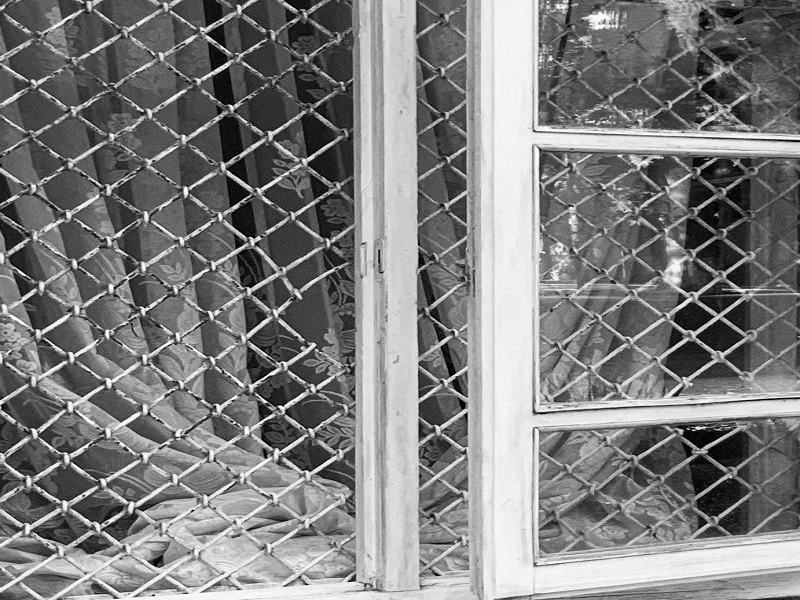
On the surface, there is the ‘new,’ reforming Uzbekistan. Then there is the Uzbekistan behind the glass and glitter. Judging from behind the glitter, it is apparent that this ‘reformist’ government failed to deliver on the loud promises it made at the beginning of the journey. It has become clear to many that this is not the leader they ‘voted for’, or wish to keep onwards. Even the most sentimental chest beating patriots are cursing the system realising this is an utter betrayal, that the rule they so trusted and rooted for is depressingly similar to the old repressive one. A rule that does not appear to give a damn about them or their wellbeing. Caring about ordinary people has never been in the agenda of autocrats anyway.


Meanwhile, Mirziyoyev congratulates the dictator Lukashenko on his ‘triumph’ in the rigged elections that have been followed by massive protests where thousands were detained and two have been killed so far.[24] It is unlikely that large-scale protests like those in post-Soviet Belarus would occur in Uzbekistan in the near future after the bloodshed of the infamous 2005 Andijan unrest, which Lukashenko warned his people that they should remember.[25] If it did, however, it is to be expected that the Uzbek government would respond the same violent way as the Belarussian dictator as the regime’s stability is the essential aim of these types of autocratic rulers, not the freedoms or welfare of the nation.


Ukraine and Belarus might have become closer to a change, which Uzbekistan is distant from as it continues to eliminate the potential for opposition or political pluralism. If the organisations like the IMF, ADB and World Bank continue to provide aid to the country to sustain their crooked regime rather than urging the establishment of transparency and the rule of law, it is unlikely that the people in this country will see a light of freedom and fairness anytime soon.


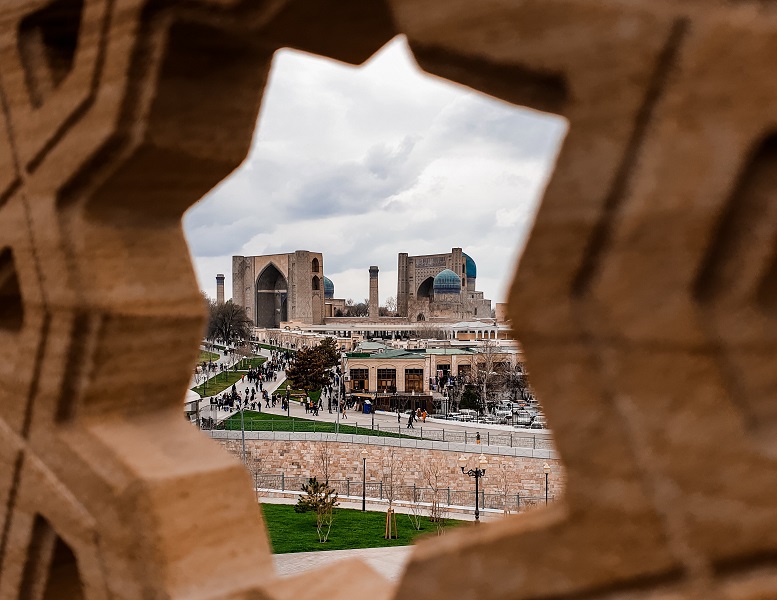
Photo: by author


[1] Islam Karimov, the first president of Uzbekistan (1991-2016)

[2] Citizens over 65 years of age strictly forbidden to leave their homes during quarantine, Kun.uz, April 2020, https://kun.uz/en/news/2020/04/01/citizens-over-65-years-of-age-strictly-forbidden-to-leave-their-homes-during-quarantine

[3] Coronavirus info, Telegram channel, August 2020, https://t.me/koronavirusinfouz. See also: https://coronavirus.uz/uz

[4] The State Security Service was interested in the blogger who called the ADB to stop giving uncontrolled loans to the government of Uzbekistan, Asia Terra, July 2020, http://www.asiaterra.info/news/sgb-zainteresovalos-blogerom-prizvavshim-abr-prekratit-beskontrolnuyu-vydachu-kreditov-vlastyam-uzbekistana

[5] Dilmira Matyakubova, The perils of rebuilding Uzbekistan: The rise of glass and glitter, The Foreign Policy Centre, July 2020, https://fpc.org.uk/the-perils-of-rebuilding-uzbekistan-the-rise-of-glass-and-glitter/

[6] Editorial, How Uzbekistan deals with the pandemic challenges: lessons for the future, CABAR, July 2020, https://cabar.asia/en/how-uzbekistan-deals-with-the-pandemic-challenges-lessons-for-the-future/

[7] Ilkhamov, “Self-isolation” regime – how lawful is it?, Ozodlik, April 2020, https://rus.ozodlik.org/a/30532690.html

[8] Measures to ease the negative effects of the coronavirus pandemic and the global crisis on economic sector, Lex.uz, March 2020, https://lex.uz/ru/docs/-4776265

[9] Khurmat Babadjanov and Ozodlik, In Tashkent, traffic police inspectors ordered to detain at least one driver every day for “disobeying” the police, Rus Ozodlik, April 2020, https://rus.ozodlik.org/a/30570967.html?fbclid=IwAR3Y-nDJXgrwtzulGwDFcvNQl8YmKfB7ws04yvghVBprS9sg0zwrvPTVcXQQ

[10] Kyrgyzstan: Don’t Return Asylum Seeker to Uzbekistan, Human Rights Watch, August 12 2020, https://www.hrw.org/news/2020/08/12/kyrgyzstan-dont-return-asylum-seeker-uzbekistan

[11] Journalist Bobomurod Abdullayev released from courtroom (video), Ozodlik, May 2018, https://rus.ozodlik.org/a/29213066.html

[12] Uzbekistan’s attempt to arrest journalist elicits concern, Eurasianet, August 2020, https://eurasianet.org/uzbekistans-attempt-to-arrest-journalist-elicits-concern

[13] Miraziz Bazarov: Open letter to IMF and ADB, July 2020, http://www.asiaterra.info/mneniya/miraziz-bazarov-otkrytoe-pismo-mvf-i-abr. See also: https://www.facebook.com/mbazarov/posts/3147666611956322

[14] ADB provides $500 million loan to mitigate health and economic impacts of COVID-19 in Uzbekistan, Tashkent Times, June 2020, https://tashkenttimes.uz/finances/5443-adb-to-provide-us-500-mln-to-uzbekistan-to-mitigate-coronavirus-impact, See also: https://www.imf.org/en/News/Articles/2020/05/18/pr20220-uzbekistan-imf-executive-board-approves-us-375m-disbursement-address-impact-covid19

[15] Mahalla officials in Shakhrikhan misappropriated 82 million soums allocated to low-income families, Kun.uz, July 2020, https://kun.uz/en/news/2020/07/23/mahalla-officials-in-shakhrikhan-misappropriated-82-million-soums-allocated-to-low-income-families

[16] Tanzila Narbayeva: Funds allocated for the fight against coronavirus are being misappropriated, Kun.uz, August 2020, https://kun.uz/en/news/2020/08/07/tanzila-narbayeva-funds-allocated-for-the-fight-against-coronavirus-are-being-misappropriated

[17] Entry of check Facebook, Twitter and Instagram, August 2020, https://netblocks.org/cost/

[18] Uzbekistan: Journalists detained for sharing link to news article, Eurasianet, July 2020, https://eurasianet.org/uzbekistan-journalists-detained-for-sharing-link-to-news-article

[19] Uzbek authorities interrogate journalists, confiscate equipment over retracted COVID-19 report, Committee to Protect Journalists, July 2020, https://cpj.org/2020/07/uzbek-authorities-interrogate-journalists-confiscate-equipment-over-retracted-covid-19-report/

[20] Mark Swenet, ‘Reputation laundering’ is lucrative business for London PR firms, The Guardian, September 2017, https://www.theguardian.com/media/2017/sep/05/reputation-laundering-is-lucrative-business-for-london-pr-firms

[21] Dinara & Co publishing, P.R. agency, Together We Make History, https://dinara.co/

[22] Shavkat Mirziyoyev reprimands Alisher Shadmanov and Jakhongir Artikhodjayev, Kun.uz, July 2020, https://kun.uz/en/news/2020/07/15/shavkat-mirziyoyev-reprimands-alisher-shadmanov-and-jakhongir-artikhodjayev

[23] Against the former acting mayor of Samarkand the criminal case is initiated, Uz.sputninews.ru, June 2019, https://sptnkne.ws/pK4a; A phone conversation with the staff of the agency for Development of Small Business and Entrepreneurship, Ministry of Economy, Tashkent, June 2020.

[24] Press-service of the President of the Republic of Uzbekistan, Twitter, August 2020, https://twitter.com/president_uz/status/1292855341600964608; Belarus election: Second Belarus protester dies as UN sounds alarm, BBC News, August  2020, https://www.bbc.com/news/world-europe-53760453

[25] For Belarus Leader, a Fading Aura of Invincibility, The New York Times, August 2020, https://www.nytimes.com/2020/08/12/world/europe/belarus-Aleksandr-Lukashenko-election.html?searchResultPosition=2

Footnotes
    Related Articles

    Uzbekistan’s slow path to democratisation

    Article by Dr Alex Folkes

    August 10, 2020

    Uzbekistan’s slow path to democratisation

    Real change in a country takes many years as populists who come to power soon find out. It cannot be achieved just by a clicking of fingers and a Picard-esque command to ‘make it so’.[1] Leaders of states emerging from authoritarianism are also experiencing this impotence and, in the case of the (relatively) new leader of Uzbekistan Shavkat Mirziyoyev, it will be up to the international community to help him decide whether or not to keep his country on course to reform.


    In 2016, in his first election since taking over from Islam Karimov, Mirziyoyev won handsomely in a contest that was generally regarded as being neither free nor fair. What made the post-election atmosphere different, however, was that the government responded positively to many of the criticisms and recommendations made by the OSCE’s election observation report and sought to engage with the most respected of the international election expert groups.[2]


    The 2019 Parliamentary election was the chance to gauge just how serious Uzbekistan was about reform. The result will have disappointed the government as much as it did the international community, but for different reasons. How the country now reacts will be the key. Will they push on with reform in the understanding that progress will be slow, or will they give it up as a failed experiment?


    In the 20+ years of observing elections in the former Soviet states, I have not seen a contest quite like the 2019 elections before. Rather than a governing party, which abuses state resources and controls the media to the exclusion of all others, the Uzbekistan elections saw five parties given equal airtime and campaigning opportunities and little evidence of any sort of official favour for any of them. The problem, however, is that these parties are not real and all support the Government. The election, at least from a political perspective, was a sham. New parties cannot get registered and there is no organised opposition. Even independent candidates are banned from standing. The only dissent allowed – in a relaxation of the old order – comes from bloggers, although most of these choose to concentrate on the relatively safe space of social reforms and local issues.


    The effect was like the contest to choose a class president in a primary school. There is no individuality, no street activity and the authorities effectively take all campaigning decisions.


    In theory, Uzbekistan’s five parties represent a wide range of ideologies. There are two parties of the centre-right – one based on more of a nationalist creed and the other a party of business and good governance. On the centre-left is a party of state professionals and a party of workers. There is also the Ecological Party (Eco-Party), the only new party to be registered in the past 20 years having previously been a movement with a guaranteed quota of 15 seats in Parliament. This last espouses green issues but also favours nuclear power.


    In my experience, having talked to many candidates over the course of the election campaign, is that, with the marginal exception of the Eco-Party, none really understood what their party is about. None could name policies that set them apart from their electoral opponents and the only way to differentiate between them is through the colour of their rosette. There was also some confusion about how they were chosen to stand, with most appearing to have been parachuted in from the capital. All claimed to have a membership of between 1500 and 4000 in each of the 150 constituencies but myself and my fellow OSCE/ODIHR observers did not observe any of these members undertaking any campaign activity on behalf of their candidate.


    When it came to the campaign, the few leaflets distributed were all designed and printed by a central government printing house and looked identical. The main campaign activity was a series of hustings, as many as three each day in each seat, which were organised by local election commissions and where each candidate gave a bland speech about their personal history. Again, none set out any real policy platform. There were few, if any, questions from the audience and those that were asked were about local social issues.


    The media campaign was hardly more grabbing. Each candidate received a regulated interview in which they said little more than their stump speech. Even in the few national ‘debates’ there was little attempt to examine the difference between the party programmes.


    Nevertheless, the overall coverage was nothing if not even-handed. In election observation, we carefully monitor the media to reveal any bias in coverage of the different parties. Even in the fairest and most pluralistic media environment, we tend to find that some parties are getting as much as 50 per cent more airtime than their rivals. In authoritarian regimes the ruling party can expect to receive as much as 20 times the amount of coverage of its rivals when airtime showing the work of the President and Parliament is taken into account. In contrast, the Uzbek election was fair to the point of being unnatural. Each of the five parties gained exactly the same airtime – to within one per cent.


    Overall, the campaign did next to nothing to educate the voters about the candidates. Discussion of electoral issues meant pre-packaged segments on local preparations and voting locations rather than policies or candidates. The lack of anything approaching an opposition and the non-existent differences between the parties meant that the authorities really did not mind which candidates got elected to Parliament, which is, in any case, largely toothless.


    Whilst the lack of political diversity was disappointing to the international community, what really disappointed the authorities was the failure to change the culture of Election Day. Exhortations to ensure that there was no cheating at the ballot box was ignored in many parts of the country, as proxy voting was rife.


    In previous polls, the government had tended to set a desired outcome for both the share of the vote and the overall turnout. The role of local polling station committees, largely dominated by the mahallas (local community councils) had been to secure these outcomes. This time the authorities wanted and expected things to be different. However, they found that all political systems have a large degree of built-in inertia and it will take several elections for an apparently genuine commitment to change to trickle down.


    What we observed were significant additions to the voter list on Election Day, mostly without any genuine reasoning, and massive proxy voting, often evidenced by a series of identical signatures on the register. We also saw many instances of one person from a household turning up with the passports of all family members. In some cases, the presence of international observers led officials to protest loudly at this attempt to break the rules, to the bemusement of the poor voter who was doing exactly as he or she had always done and had seen those ahead in the queue do just minutes before. But in many cases the individual was simply given five or six ballot papers. We also observed a few polling committee members stuffing the ballot box with a dozen or so votes at a time.


    There were some areas where change had been successfully implemented. It is a long running complaint that polling places the world over are often inaccessible to those with limited mobility despite being in schools and other government buildings. The Uzbek authorities were determined to get this area right and each building was assessed before the election with appropriate modifications made. Unlike in many ex-Soviet countries, when ramps were installed they were at a maximum of twenty degrees. We estimated that these efforts resulted in more than four out of five polling stations being accessible to Western standards. That is not ideal, of course, but is far better than anything I have seen before. Rather bizarrely, every polling place also had a white coated medical professional on duty the whole day in case a voter took ill.


    The question at the heart of this election process, as with so many other aspects of life in Uzbekistan, is how far the government really wants to go in their changes. It is clear that they place a lot of store in 20 world rankings. Around a dozen of these are related to business or the economy and it is abundantly clear that the country is looking for foreign investment.[3] Therefore, stamping out corruption and making business processes easier (or at least appearing to do so) is very important. And in Central Asia this is a significant concern. The region produces vast quantities of high quality soft fruits and other perishable crops, but these often rot before they can reach their markets due to poor logistics, red tape and corruption. There is little in the way of business sales understanding and almost no co-operation between the five countries in the region, with attempts to create a customs union derailed by external pressure. Importing foreign expertise and the money to make it happen is a key strategy of the government. Less clear, however, is the official response to demands to end the use of forced and free labour in the cotton industry.


    Global rankings are also the key to social change and human rights issues. The government has identified some indices it wishes to make progress in and it will make reforms in order to rise to a higher position.[4] Starting from a point as low as Uzbekistan means that limited reforms can produce significant rises. The government is, perhaps rightly, very proud of the award by The Economist of the status of most improved nation.[5] But sustaining such improvements can be very difficult and there is a suspicion that the authorities would rather see the country improve by one or two places every year than make a significant jump to a level from which it is very difficult (or expensive) to rise further. The task for the international community is to make it clear that being number 95 in the world may be better than being number 117, but that it is nowhere near good enough.


    So what sort of challenges face the government if it is committed to sustained progress up the rankings and real changes in the areas of freedom and speech and elections? The lack of oil and gas in the state puts it at a significant financial disadvantage compared with some of its neighbours, but also means that foreign relations will be based more on intrinsic values than access to natural resources. The attitude of the government in wanting change is clearly a very positive thing, but, especially with the pandemic and economic downturn, it may be easier to revert to an authoritarian mean than press on with progress.


    If democratic reform is to continue, there are three key areas where I hope that progress will be made, in addition to renewing the efforts to stamp out polling day corruption. All are based on developing political pluralism and the debates that go with it. But, in true Uzbek style, all can be made incrementally.


    First, there needs to be an understanding that the current system of political parties is a farce and does nothing to engender debate and the better governance that comes from having a genuine opposition. Ultimately, there needs to be the right for any concerned group of citizens to set up and register their own parties on either a local or a national basis. But the first step should be to allow candidates to run as independents at all levels of election and a light touch regulatory system to make sure that there is freedom to get a political message across and inspire electors to want to go to vote. In the process, it is likely that some or all of the existing parties will wither and die as it becomes increasingly clear that they stand for nothing.


    Second, the power of the mahallas needs to be tamed. In the most recent contest, they compiled the voter list, nominated the members of the polling station committees and ran the hustings meetings. We heard anecdotal evidence that they were also responsible in some areas for finding and choosing the candidates. To western eyes, the mahalla will look like a strange beast. It is a cross between a local council and a tenants committee. However, this underestimates just how much social control they have. We were told that a household that falls out with its local mahalla could find access to many local services restricted. Over the course of a number of elections, mahalla election controls could gradually be stripped back and handed to returning officers or the parties or simply done away with altogether.


    Finally, there needs to be more progress made in the area of media freedom. The semi-liberated blogosphere is a significant step forward, but its audience is very limited. Uzbekistan starts from a position of strength having managed such an even division of electoral coverage. But the media best serves its customers – the audience of voters – if it dives deeper and challenges candidates to speak up for their manifestos through probing questions. All candidates can still be treated equally and fairly, but a more confident media helps voters identify which are the stronger performers and which are weaker. In a country with a small oligarch class, the risk of descending into a Ukraine-style polarisation with each privately owned station promoting their own candidate and trashing all opponents is limited. In due course, there might also be debates in which more differences emerge between the party programmes, but this would be a cultural change in a country where the questioning of authority has always been a dangerous pursuit.


    Photo by OSCE Parliamentary Assembly, under the following CC license


    [1] Referencing the popular phrase uttered by Jean-Luc Picard from Star Trek the Next Generation and as used in subsequent social media memes.

    [2] OSCE/ODIHR, Republic of Uzbekistan, Parliamentary Elections 22 December 2019, ODIHR Election Observation Mission Final Report, May 2020, https://www.osce.org/files/f/documents/9/3/452170_1.pdf

    [3] Such as the Ease of Doing Business ranking: https://www.doingbusiness.org/en/rankings

    [4] Such as the Democracy Index: https://www.eiu.com/topic/democracy-index

    [5] The Economist’s country of the year, Which nation improved the most in 2019?, The Economist, December 2019, https://www.economist.com/leaders/2019/12/21/which-nation-improved-the-most-in-2019

    Footnotes
      Related Articles

      Spotlight on Uzbekistan: Russian translations

      Article by Foreign Policy Centre

      August 4, 2020

      Spotlight on Uzbekistan: Russian translations

      This new publication shines a spotlight on Uzbekistan and finds that the much talked about reform process is real, but so are the significant holes in it.

      Please see below essays from the publication that have been translated into Russian:


      Footnotes
        Related Articles

        Экономические реформы в Узбекистане: достижения, проблемы, перспективы

        Article by Юлий Юсупов

        Экономические реформы в Узбекистане: достижения, проблемы, перспективы

        Узбекская экономическая модель

        Узбекистан, как независимое государство, появился на карте мира в 1991 году. В стране начались реформы, которые должны были создать основы для функционирования рыночной экономики. Однако в 1996 году экономический курс был сильно изменен в сторону усиления государственного вмешательства в экономику и политики импортозамещения. Государство с целью ускорения индустриального развития перераспределяло огромные потоки материальных, финансовых, валютных и трудовых ресурсов через:


        • прямое распределение ресурсов, административное регулирование товарных цен, процентных ставок и обменного курса,
        • высокие налоги и государственные расходы,
        • ограниченный доступ к выгодному для покупателей валюты официальному обменному курсу (отличающегося от рыночного обычно в 2-3 раза)[1],
        • создание искусственных монополий посредством ограничения доступа на рынки новых игроков и предоставления налоговых, кредитных и прочих льгот отдельным предприятиям или группам предприятий,
        • прямое («ручное») управление предприятиями,
        • ограничение импорта тарифными и нетарифными барьерами.


        Как результат – крайне низкие уровень экономической эффективности и темпы экономического роста, высокий уровень незанятости и внешней трудовой миграции, широкое распространение коррупции.


        Таблица 1. ВВП на душу населения, в долл. США[2], номинальный рост – в разах.

        1995 2018 Рост 1995 2018 Рост
        Китай 610 9771 16,0 Молдова 477 3227 6,8
        Азербайджан 397 4721 11,9 Монголия 632 4122 6,5
        Вьетнам 277 2567 9,3 Индия 374 2010 5,4
        Армения 456 4212 9,2 Беларусь 1371 6290 4,6
        Литва 2169 19153 8,8 Россия 2666 11289 4,2
        Грузия 578 4717 8,2 Таджикистан 214 827 3,9
        Латвия 2322 17861 7,7 Кыргызстан 364 1281 3,5
        Казахстан 1288 9813 7,6 Украина 936 3095 3,3
        Эстония 3131 23266 7,4 Узбекистан 586 1532 2,6


        Из-за проводимой политики были свернуты рыночные реформы, рыночные механизмы частично были заменены на командно-административное регулирование. Ограничение конкуренции, высоки издержки ведения бизнеса, незащищенность прав собственности и сделок не позволяли создавать конкурентоспособные производства. Невероятные по размерам льготы, высокий уровень монополизма стимулировали коррупцию, получение быстрой рентной прибыли и вывоз денежного капитала.


        Искусственное удешевление капитала (для завоза оборудования предоставлялись конвертация по выгодному официальному курсу, дешевые кредиты, освобождения от налогов) и дорогой труд (из-за высоких налогов на фонд оплаты труда) привели к использованию капиталоемких производств вместо трудоемких, что среди прочих обстоятельств способствовало крайне низкому уровню занятости в официальном секторе. Так по результатам социологического опроса, проведенного летом 2018 г. (более ранних данных нет) при количестве трудовых ресурсов около 18,8 млн. человек, занятость в официальном секторе экономики составила 5,3 млн. человек (менее 30% рабочей силы), в неформальном секторе – также примерно 5,3 млн. человек (включая 1,6 млн. занятых на временных разовых и сезонных работах), число внешних трудовых мигрантов превысило 2,6 млн. человек[3].


        Был достигнут очень высокий уровень прямого государственного вмешательства в экономику. Подавляющее большинство крупных предприятий и финансовых учреждений находятся в государственной собственности. Многие предприятия контролируются государством через контрольные пакеты акций или так называемые «золотые акции». Размер государственной собственности из-за отсутствия соответствующей статистики невозможно определить, но по некоторым оценкам он превышает 50% от всех производственных активов страны. Более 80% активов банковского сектора также принадлежит государству[4]. Расходы консолидированного бюджета Узбекистана составили по итогам 2018 г. 35,2% от ВВП в 2018 г., а с учетом квазифискальных расходов государственных предприятий объем государственных расходов составил не менее 41,2% от ВВП[5]. Эти два показателя в 1,5-2 раза превышают аналогичные показатели успешно развивающихся стран с сопоставимым уровнем ВВП на душу населения и даже выше аналогичных показателей многих высокоразвитых стран мира (см рисунок 1).


        Рисунок 1. Доходы государственного бюджета и внебюджетных фондов к ВВП отдельных стран Азии, в %, в 2015 году

        Источник: www.adb.org


        Время реформ

        Экономика Узбекистана нуждается в кардинальном, системном и последовательном реформировании, смене всей системы общественных институтов. Ключевая задача – создание условий для нормальной работы эффективных рыночных механизмов.


        С приходом к власти нового президента страны в Узбекистане начались экономические реформы. Самые ключевые из них:


        • унификация обменных курсов, либерализации валютного рынка, введение конвертации по текущим операциям (лето-осень 2017 г.);
        • устранение ряда административных барьеров на пути трансграничного движения товаров и людей (прежде всего с соседями Узбекистана) и снижение таможенных платежей (2017-18 гг.);
        • реформа банковского сектора и денежного обращения (2017-18 гг.);
        • радикальная налоговая реформа (2019 г.),
        • сокращение ряда административных издержек ведения бизнеса.


        По ряду других важных направлений уже намечены реформы, которые должны были начаться в 2020 г.: административная реформа, аграрная реформа, реструктуризация и приватизация государственных предприятий, новый этап банковской реформы и пр. Однако из-за эпидемии коронавируса сроки и характер этих реформ находятся под вопросом.


        Далее о некоторых реформах, как реализующихся, так и не реализованных, более подробно.


        Либерализация внешнеэкономической деятельности

        До 2017 г. правительство Узбекистана осуществляло политику активного протекционизма, ограничивая импорт отсутствием свободной конвертации национальной валюты, высокими таможенными платежами и нетарифными барьерами. Кроме того, существовали существенные формальные и неформальные барьеры для свободного трансграничного движения людей и капиталов. Все это лишало Узбекистан возможностей полноценно участвовать в международном разделении труда, создавать конкурентоспособные производства.


        Как уже говорилось выше, в 2017-18 гг. правительство страны ввело свободную конвертацию по текущим операциям, устранило ряд административных барьеров на пути движения товаров и людей, снизило таможенные платежи, что является важнейшими достижениями проведения реформ в Узбекистане.


        Однако с декабря в 2018 г. правительство под давлением отраслевых лоббистов в определенной степени начало возвращаться к политике импортозамещения и протекционизма: были увеличены ранее сниженные таможенные платежи по определенному кругу кодов ТН ВЭД, введены новые нетарифные барьеры перед импортом[6]. Причем нулевые и низкие таможенные тарифы по одним категориям товаров сочетаются с довольно высокими тарифами по другим категориям, что позволяет удерживать средний таможенный тариф примерно на уровне сопоставимым со средними тарифами стран ЕАЭС. В результате, в отраслях с высокими тарифными и нетарифными барьерами создаются условия для монополизации рынков отельными компаниями[7].


        Весной 2020 г. в связи с эпидемией коронавируса на ряд товаров первой необходимости таможенные платежи были отменены, правительство планирует сократить таможенные платежи и на товары для бизнеса. Есть надежда, что и после эпидемии тенденция либерализации внешнеэкономической деятельности продолжится. Правительство объявило о своем желании быстрее вступить в ВТО. Вступление в ВТО неизбежно приведет к сокращению многих тарифных и нетарифных барьеров на пути импорта.


        Реформа банковского сектора

        До 2017 г. банковско-кредитный сектор был одним из самых зарегулированных секторов экономики Узбекистана. Банки не обладали какой-либо коммерческой самостоятельностью, их деятельность, включая определение размеров процентных ставок, жестко регулировалась Центральным банком, альтернативные кредитные учреждения существовали в очень ограниченном количестве. Денежная система была дефрагментирована, существовали жесткие ограничения на наличное денежное обращение, что порождало разную стоимость разных видов денег.


        За последние годы произошли дерегулирование и коммерциализация банковского сектора Узбекистана. Центральный банк существенно перестроил свою деятельность в плане контроля и регулирования коммерческих банков, регулирования денежного обращения и валютного рынка. Банки стали более клиентоориентированы, значительно снизилась стоимость, улучшилось качество и расширился спектр банковских услуг. Были сняты административные ограничения на покупку валюты и оборот наличных денежных средств.


        Однако, более 80% банковских активов все еще принадлежит государству, правительство активно выдает через банки льготные и «плохие» кредиты (навязанные государственными ведомствами) преимущественно государственным предприятиям[8]. Конкуренция в кредитном секторе все еще развита слабо, доступ новых игроков ограничен, небанковский сектор представлен лишь небольшим числом микрофинансовых организаций и ломбардами.


        При этом власти декларируют стремление провести разгосударствление сектора, приватизировать часть активов государственных банков, отказаться от практики льготного кредитования, расширить доступ зарубежных банков в сектор. Ряд важных реформ планировалось провести в 2020 г. Однако эпидемия коронавируса срывает эти планы. Особенно опасно для намеченных реформ сохранение практики льготного кредитования, административного вмешательства в выдачу и пролонгацию кредитов (что зачастую почти неизбежно в условиях острого экономического кризиса).


        Налоговая реформа

        Ключевые проблемы налоговой системы Узбекистана, сформировавшейся в предыдущие два десятилетия, были следующими[9]:


        • обременительная для бизнеса общая высокая налоговая нагрузка на экономику (об этом говорилось выше), особенно высокие налоги на фонд оплаты труда;
        • очень сложные правила налогообложения, увеличивающие издержки налогового администрирования и создающие неравные правила игры для бизнеса (большое число налогов, разных режимов налогообложения, разных правил исчисления одних и тех же налогов для разных категорий налогоплательщиков, много отличий от мировой практики в определении налогооблагаемой базы, наличие огромного количества исключений, дополнительных правил, льгот, в том числе индивидуальных, при уплате налогов);
        • крайне неравномерное распределение налоговой нагрузки между упрощенным и общеустановленным режимами налогообложения[10] (переход предприятия с упрощенного режима на общеустановленный увеличивал налоговую нагрузку в несколько раз), а также между разными отраслями экономики;
        • широкое применение налогов с выручки (с оборота), негативно влияющих на общественное разделение труда и формирование длинных цепочек создания добавленной стоимости (по мере продвижения товара по цепочке, одна и та же стоимость облагается многократно, причем чем длиннее цепочка, тем выше налоговая нагрузка).


        Данные проблемы стили ключевыми причинами низкого уровня официальной занятости населения, не позволяли осуществлять глубокую переработку сырья, создавать конкурентоспособные производства за счет использования преимуществ от экономии на масштабах и узкой специализации, заставляли бизнес уходить в «тень», дробиться на части, разрушали конкурентную среду.


        С 1 января 2019 г. в Узбекистане начата налоговая реформа, в ходе которой уже удалось решить (частично или полностью) многие из указанных выше проблем[11]. Особенно важными достижениями можно считать:


        • радикальное сокращение налогов на труд (в 1,5-2 раза);
        • существенное сокращение налоговой нагрузки на предприятия общего режима налогообложения (самые главные – снижение ставки НДС с 20 до 15%, ликвидация отчислений в Государственные целевые фонды с выручки – 3,2%);
        • существенное сокращение сферы влияния налогов с оборота (до реформы эти налоги платили практически все предприятия, теперь средние и крупные предприятия их не платят совсем, а мелкие фирмы могут выбирать между налогом с оборота и НДС);
        • начата работа по ликвидации огромного числа налоговых льгот и исключений, выравнивания условий налогообложения для всех субъектов экономики.


        Ряд ошибок подготовки и начальной стадии проведения реформы были устранены последующими корректировками во второй половине 2019 г. В частности, был снижен НДС с 20 до 15%, начался отказ от предоставления налоговых льгот и исключений, были усовершенствованы некоторые механизмы уплаты НДС.


        В тоже время сохраняются относительно высокие издержки налогового администрирования и общий высокий уровень перераспределения доходов через бюджет и квазибюджетные фонды.


        В связи с эпидемией коронавируса части бизнеса предоставлены налоговые каникулы, сокращается ряд неэффективных бюджетных и квазибюдженых расходов. Есть надежда, что после эпидемии удастся закрепить некоторые позитивные шаги в сторону сокращения участия государства в экономике.


        Административная реформа

        Текущая модель государственного управления в Узбекистане характеризуется чрезмерной централизацией принятия решений, неразвитостью институтов саморегулирования, что обуславливает “ручное управление” социально-экономическими и политическими процессами в стране. Имеют место слабая работа механизмов сдержек и противовесов, а также значительная неформальная зависимость законодательной и судебной властей от исполнительной власти.


        Ключевая проблема государственного управления и экономической политики в Узбекистане заключается в том, что органы исполнительной власти продолжают активно использовать административные методы управления, несовместимые с эффективным функционированием рыночной экономики. Активное государственное вмешательство – главный фактор высоких транзакционных издержек для национального бизнеса и широкого распространения коррупции, а, следовательно, низкой конкурентоспособности отечественной продукции. Соответственно главная цель административной реформы – значительное сокращение государственного участия, изменение функций и методов государственного регулирования в экономике.


        Узбекистан нуждается в кардинальной административной реформе, основанной на изучении международного опыта и функциональном анализе, в результате которой будут:


        • пересмотрены, перераспределены структура, задачи, функции и полномочия центральных органов власти, а также органов управления на отраслевом уровне;
        • сокращены, упрощены и оптимизированы процедуры оказания государственных услуг;
        • пересмотрены принципы финансирования социальной сферы[12] (в сочетании с реформами образования, здравоохранения и пенсионной системы);
        • кардинальным образом перестроена система государственной службы;
        • перераспределены функции, полномочия и финансовые возможности между центральными и местными органами власти. При этом необходимо провести кардинальную реформу самих местных органов управления, включая решение вопросов разделения властей на местном уровне, повышения ответственности местных органов власти перед населением.


        К сожалению, до настоящего времени в Узбекистане реализовывались лишь отдельные элементы административной реформы. В планы правительства активизировать реформу в 2020 г. неизбежно вносит корректировки эпидемия коронавируса.


        Регулирование бизнеса, защита прав собственности, развитие конкуренции

        Руководство Узбекистана в последние годы многое сделало для улучшения условий ведения бизнеса, сокращения транзакционных издержек. Это связанно прежде всего с сокращением налоговой, таможенной и административной нагрузки, с упрощением процедур экспортно-импортных операций и получения разного рода разрешений, с совершенствованием работы системы денежного обращения и банковского сектора.


        В тоже время в регулятивно-правовой сфере сохраняется много проблем, связанных с непрозрачностью, противоречивостью и неэффективностью законодательства, крайне слабой судебно-правовой защитой собственности и сделок, отсутствием реального разделения властей и механизмов сдержек и противовесов[13].


        Другая важная проблема, связанная с несовершенством регулятивно-правовой базы, – высокий уровень монополизации рынков, неравные правила ведения бизнеса. Конкуренция разрушается искусственными барьерами доступа на рынок новых предприятий, высокими тарифными и нетарифными барьерами для импорта, широким распространением индивидуальных и групповых (например, для членов отраслевых ассоциаций) льгот. Крайне медленно проходят реформы (в основном пока ограничиваются планами) так называемых «естественных монополий» (энергетика, коммунальные службы, транспорт), а также сектора добывающей промышленности. Здесь доминирую государственные предприятия и практически отсутствует конкуренция. Между тем в большинстве таких отраслей вполне можно создать здоровую конкурентную среду и привлечь туда частных инвесторов.


        Реформы аграрного сектора и системы ирригации

        Сельское хозяйство – один из ведущих секторов экономики Узбекистана. Почти половина населения страны живет в сельской местности. В 2019 году вклад аграрного сектора в ВВП Узбекистана составил 25,5%[14]. При этом сельское хозяйство – самый зарегулированный со стороны государства секторов экономики. Права собственности основных крупных сельхозпроизводителей, фермеров, защищены крайне слабо, методы регулирования их деятельности де факто взяты из советского прошлого, рынки многих видов сельхозпродукции, производственных ресурсов и услуг для сектора не развиты. Сельское хозяйство отчаянно нуждается в реформировании, однако пока никаких значимых изменений здесь не произошло[15].


        Ключевая особенность аграрного сектора Узбекистана заключается в том, что имеются две сельскохозяйственные культуры, производство которых осуществляется преимущественно для государственных нужд, – хлопок и пшеница. В последние годы произошло некоторое сокращение земель, выделяемых в обязательном порядке под хлопчатник, в пользу, прежде всего, производства плодоовощной продукции. Но при этом на хлопок и пшеницу все еще приходится около двух третей от всех земель, выделенных под посевные площади, сады и виноградники. Действующие механизмы формирования государственного заказа и система ценообразования делают выращивание хлопка и пшеницы невыгодным для значительной части фермеров. Кроме того, существующая система квотирования земли под обязательные для фермеров культуры не позволяет им оптимизировать структуру производства с учетом особенностей почв и климата, доступности воды, квалификации персонала и пр. Зачастую, на землях, отведенных под хлопчатник и пшеницу, более продуктивно выращивать другие культуры.


        Система административного регулирования отрасли распространяется и на рынки ресурсов. Сельскохозяйственная техника, горюче смазочные материалы, удобрения, корма, семена, биологические и химические средства защиты растений и пр. поставляются фермерам государственными компаниями-монополистами. Цены на некоторые ресурсы зачастую субсидируются. Количество ресурсов, которое можно приобрести по более низким (субсидируемым) ценам, ограничено. Земля, принадлежащая фермерам выведена из хозяйственного оборота, права на ее использования не могут быть перепроданы, она не может быть заложена (для получения кредита) и даже передана на законных основаниях в субаренду.


        Плодородие почв из-за неэффективного их использования постоянно падает, происходит деградация земель.


        Для доставки воды на сельскохозяйственные угодья используется сложная, дорогостоящая и находящаяся в плачевном технологическом состоянии система ирригации. При этом отсутствуют действенные стимулы для эффективного использования воды конечными потребителями, лицами и организациями, ответственными за водную инфраструктуру. Основные расходы по доставке воды для агропроизводителей покрываются из государственного бюджета. Платежи агропроизводителей за услуги по доставке воды не имеют прямой привязки к объемам ее потребления. Их размеры недостаточны, чтобы стимулировать экономное водопотребление. Как результат имеют место огромные потери воды при ее доставке и использовании.


        Сектор нуждается в кардинальной реформе, основное содержание которой следующее:


        • Отказ практики плановых заданий по производству хлопка и пшеницы, формирование и развитие свободных и конкурентных рынков этих товаров.
        • Формирование и развитие свободных и конкурентных рынков ресурсов и услуг для агропроизводителей.
        • Укрепление прав владения землей землепользователями, предоставление возможностей для перепродажи прав на владение землей, сдачу ее в субаренду и в залог.
        • Введение принципов платного водопользования, механизмов государственно-частного партнерства в управлении ирригационной системой.


        В конце 2019 г. была принята стратегия развития аграрного сектора, в которой говорится о необходимости кардинальных реформ. В начале 2020 г. президент объявил о планах отмены обязательного государственного заказа в течение 2020-23 гг. Предполагается также развитие конкурентных рынков агропродуктов, ресурсов и услуг для аграрного сектора, развитие правовой базы использования земли. Кроме того, обсуждается проект Концепции развития водного хозяйства, предполагающий реформирование сектора[16].


        В тоже время в связи с предстоящей отменой обязательного государственного заказа возникает вопрос возможности перераспределения части земель, находящихся в распоряжении фермерских хозяйств.


        В последние десятилетия произошло несколько перераспределений посевных земель бывших колхозов и совхозов. Причем все эти перераспределения осуществлялись совершенно произвольно без каких-либо общественных обсуждений и одобрений. В результате в настоящее время большая часть посевных земель находится в распоряжении (на основе договоров аренды) у очень незначительной части сельских жителей (фермеров). Подавляющее же большинство сельского населения имеют в пользовании лишь небольшие участки (дехканские хозяйства). При этом необходимо иметь в виду, что в некоторых регионах имеет место сложная демографическая ситуация, перенаселение и высокая безработица в сельской местности.


        В глазах большинства сельских жителей такое распределение земли нелегитимно. Проблема становится весьма актуальной в связи с предстоящим отказом от государственного заказа, что сделает фермеров реальными хозяевами большей части плодородной и орошаемой земли сельскохозяйственного назначения.


        Один из вариантов решения этой острой проблемы: воспользоваться тем, что в договорах аренды указывается, что фермер не имеет право свободно распоряжаться землями, выделенными под хлопок и пшеницу. По сути это не его земли. И раз государство отменяет госзаказ, есть возможность пересмотреть договора и перераспределить земли, ранее квотируемые под госзаказ, в пользу других сельских жителей (например, через аукционы).


        При перераспределении земли, особенно при определении размеров участков земли, подлежащих передаче новым хозяевам, необходимо учитывать значительное количество экономических и социальных обстоятельств, том числе: влияние размеров хозяйств на продуктивность сельскохозяйственной деятельности, занятость и доходы сельских жителей, а также интересы смежных секторов экономики, демографическую ситуацию в регионах и пр.


        Проблемы и перспективы реформ

        Руководство страны все еще находится под сильным влиянием философии и практики импортозамещения и протекционизма, а также традиций «ручного управления» экономикой. Нет понимания важности отделения функций государственного управления от практики ведения бизнеса, необходимости выполнения государством роли «арбитра», определяющего правила игры для бизнеса, а не являющегося непосредственным участником хозяйственных процессов. Нет единой команды реформаторов, четко и одинаково понимающей цели и направления реформ, методы их осуществления. Зато весьма сильны позиции отраслевых и индивидуальных лоббистов, отстаивающих корпоративные и частные интересы.


        Многие сложности связаны с крайне низким средним уровнем профессионализма, инициативности и экономической грамотности государственных служащих. Долгое время, а) действовавшая система отбора и продвижения кадров, б) отсутствие политической конкуренции, в) низкая зарплата в органах государственной власти (за исключением силовых структур), осуществляли «отрицательный отбор» чиновников, оставляя на руководящих постах безынициативных исполнителей чужой воли с низкой квалификацией и высокой степенью склонности к коррупции. С таким кадровым потенциалом крайне трудно проводить кардинальные реформы и надеяться на значительное улучшение качества государственного управления.


        И все же реформы в стране идут, пусть не всегда последовательно и системно. При относительно успешной реализации хотя бы части необходимых реформ, есть надежда на формирование более-менее действенных инклюзивных рыночных институтов, на создание условий для устойчивого экономического развития, формирование «среднего класса» и гражданского общества. «Средний класс» и гражданское общество станут в будущем социальной опорой для дальнейших экономических, правовых и политических реформ.


        В заключении хотелось бы отметить, что существует острая объективная потребность в экспертной и организационной поддержке реформ в Узбекистане со стороны международных организаций, правительств зарубежных стран, международного экспертного сообщества. Без нее стране будет довольно сложно выстроить и реализовать эффективную стратегию реформ, позволяющих сформировать принципиально новую социально-экономическую систему.


        Информация об авторе

        Юлий Юсупов. Директор Center for Economic Development – неправительственной некоммерческой организации, занимающейся исследованиями в области экономического развития, экономической политики, бизнес консалтинга (www.ced.uz). Осуществляет исследования и консультации в вопросах экономического развития и экономической политики (по широкому кругу направлений), а также маркетинговые исследования и консультации бизнесу (по широкому спектру рынков) в странах Центральной Азии. В качестве независимого эксперта нанимается различными международными организациями: UNDP, EBRD, IFC, World Bank, USAID, GIZ, JICA, OSCE, UNICEF, IFAD, UNESCO и др., в том числе активно привлекается в качестве международного консультанта, главным образом по проектам и программам EBRD (более 40 проектов). Автор ряда учебных пособий и монографий, более 20 опубликованных аналитических отчетов, более 150 статей в периодических изданиях и сборниках.


        Аннотация

        Правительство Узбекистана в 1996 году взяло курс на усиление государственного вмешательства в экономику и реализацию политики импортозамещения. Результаты весьма плачевны. Однако с 2017 г. в стране начались кардинальные реформы. За это время многое удалось сделать, но предстоят еще большие изменения. В публикации описаны достижения, проблемы реализации и перспективы реформ. Акцент делается на внешнеэкономической деятельности, банковском секторе, налоговой системе, правовом регулировании бизнеса, аграрном секторе, административной реформе.


        [1] Валюта распределялась по официальному курсу не на свободном рынке, а между «избранными» покупателями в соответствии с решениями чиновников, которые руководствовались: а) определенными государственными программами приоритетами развития тех или иных отраслей, б) коррупционными интересами.

        [2] Источник: https://databank.worldbank.org/source/world-development-indicators#.

        [3] https://kun.uz/ru/69289201. Цифра числа внешних мигрантов, видимо, существенно занижена.

        [4] https://nuz.uz/ekonomika-i-finansy/45851-transformaciya-bankovskogo-sektora-strategicheskie-vyzovy-dlya-uzbekistana.html

        [5] http://documents.worldbank.org/curated/en/556421586324506269/Uzbekistan-Public-Expenditure-Review

        [6] Дополнительные требования к свойствам импортных товаров и условиям их продажи, отличные от требований к местным товарам, либо трудно достижимые для импортеров.

        [7] http://ced.uz/publitsistika/chem-obernetsya-rost-tamozhennyh-platezhej/

        [8] http://ced.uz/vazhnoe/sushhestvuyushhaya-kreditnaya-politika-sluzhit-istochnikom-inflyatsii-delaet-dorogimi-kredity-dlya-chastnogo-biznesa-i-razrushaet-konkurentsiyu/

        [9] https://www.fergananews.com/articles/9965, см. также другие публикации: http://ced.uz/samoe-glavnoe-predstoyashhee-sobytie-2018-goda-nalogovaya-reforma/

        [10] Предприятия с небольшой численностью работников (от 25 до 200 – в зависимости от отрасли) имели право работать в упрощенном режиме налогообложения с гораздо более низкой налоговой нагрузкой, чем при общем режиме налогообложения.

        [11] Налоговая реформа проводится в соответствии с Концепцией, утвержденной Указом Президента Республики Узбекистан: http://uza.uz/ru/documents/o-kontseptsii-sovershenstvovaniya-nalogovoy-politiki-respubl-30-06-2018.

        [12] Финансирование социальной сферы в настоящее время осуществляется в соответствии с штатным расписанием и не привязано к результативности деятельности учреждений.

        [13] Публикации по теме: http://ced.uz/administrativnaya-reforma/

        [14] Данные Государственного комитета Республики Узбекистан по статистике.

        [15] http://ced.uz/issledovaniya/agrarnyj-sektor-uzbekistana-osobennosti-klyuchevye-problemy-neobhodimost-reform/, другие публикации по теме: http://ced.uz/uzbekistanu-neobhodima-agrarnaya-reforma/

        [16] http://ced.uz/sobytiya/defitsit-vody-smozhet-li-uzbekistan-sozdat-effektivnuyu-sistemu-upravleniya-vodnymi-resursami/

        Footnotes
          Related Articles

          Пороки перестройки в Узбекистане: Восхождение стекла и блеска

          Article by Dilmira Matyakubova

          August 3, 2020

          Пороки перестройки в Узбекистане: Восхождение стекла и блеска

          Страны Центральной Азии стараются построить стратегию национального брендинга путем перестройки своих столиц. Этот процесс можно повсеместно наблюдать в бывших советских республиках: Казахстан построил Астану (ныне Нур-Султан) – столицу современности и прогресса, закрепив наследие в виде имени первого президента Нурсултана Назарбаева; Туркменистан переделывает покрытый белым мрамором Ашхабад Туркменбаши – чтобы навсегда увековечить имя и фигуру «Великого руководителя туркмен», первого президента Сапармурата Ниязова. Постсоветский Узбекистан тоже не остался в стороне от тренда. Хотя предыдущего лидера создание культа личности в материальных пространствах волновало меньше, он скорее остался в памяти как непреклонный лидер, что и привело к формированию таких мест поминовения.


          Новое правительство при президенте Шавкате Мирзияеве стремится продемонстрировать свой успех, реализуя масштабные проекты по реконструкции города, которые направлены на превращение столицы в современный деловой центр. В 2017 году Кабинет министров издал Постановление «О мерах по улучшению архитектурного облика и благоустройству центральной части Ташкента, а также созданию благоприятных условий для населения и гостей столицы». Это привело к началу реализации городского проекта «Ташкент-Сити» стоимостью 1,3 млрд. долларов США, который занимает центральную часть города и занимает 80 га (3,1 кв. миль).[1]


          Мирзияев «рассматривает роль города в качестве средства для продвижения нового имиджа бренда страны, «современного» и открытого для иностранного бизнеса и инвестиций»[2]. Он ищет возможности привлечения еще большего количества иностранного бизнеса и инвестиций, создавая для них благоприятные условия в столице. Перепланировка города является одной из таких политических мер. Она направлена на перестройку страны подальше от прежнего авторитарного режима, имевшего инвестиционные ограничения и отсутствие прозрачности в управлении. Подход правительства к планировке, хотя и был направлен на привлечение и удовлетворение международных инвестиций и большего количества туристов, однако, лишен сочувствия и понимания общественной значимости этих проектов для горожан. Хотя для нового правительства представляется разумным формировать определенный имидж, который позволит стране изменить свое место в мире с помощью проектов, ориентированных на инвестиции, его политика создала серьезные социальные и возрастающие политические проблемы, которые в настоящее время являются основной причиной общественного недовольства. Снос и массовые выселения стали главной темой дискуссий в СМИ Узбекистана с конца 2017 года, с момента демонтажа Дома кино советской эпохи. По мнению общественности, многие из новых проектов строятся как фасад прогресса, предназначенный для проведения определенных «важных» мероприятий, а не для удовлетворения потребностей жителей.


          Целью проекта «Ташкент-Сити» является строительство международного делового центра с индустриальным парком, торговыми центрами, конгресс-центром, высокоэтажными гостиницами, ресторанами и жилыми комплексами. Со всеми этими крупными объектами, словно «город в городе», столица становится фасадом прогрессивной страны. Такие проекты, как «Город Ташкент», наряду с продвижением модернизма и прогресса, маскируют реальность социальных и экономических трудностей и вряд ли могут способствовать повышению экономического и социального благосостояния уязвимых слоев населения, особенно тех, кто пострадал от продолжающихся массовых сносов домов.


          Из махаллы в небоскреб


          Перепланировка территории для «Ташкент-Сити» началась со стремительного сноса домов и участков в исторических махаллях (традиционный квартал) Укчи (Лучник) и Олмазор (Яблочный сад) старого города, не оставляя жителям иного выбора, кроме как поспешно искать себе новое жилье. Махалля является местным институтом самоуправления, играющим важную социально-экономическую роль в обществе Узбекистана. Она исполняет и культурную функцию: является центром социального взаимодействия между общинами, связана с местностью и чувства товарищества прочно сохраняются в махаллях.[3] Когда людей заставили покинуть свои махаллы, они не только потеряли свои дома, но и лишились средств к существованию, своих общин, социальных сетей и памяти, связанной с местом. Принудительное выселение без всякого согласования, надлежащей компенсации или расселения широко распространено в Мирзияевском Узбекистане. Ташкент-Сити не просто расчистил пространство для современного города, он истребил эпоху из истории традиционного образа жизни в узбекских махаллях, которая имеет долгую историю, восходящую к XIV веку. Государство владеет землей и имеет право использовать ее для так называемых «государственных и общественных нужд», но имеет ли оно право искоренить историю и стереть с лица земли общественную память? Для правительства, однако, не важно, согласен ли народ на выселение или испытывает ли он эмоциональную привязанность к данному месту. Поскольку это было решение «сверху вниз», оно не предполагало какого-либо участия общественности или обсуждения в какой бы то ни было форме.


          Olmazor mahalla. Photo: Umida Akhmedova


          Закрывая двери в свое прошлое и перестраивая столицу, новые ташкентцы, переходя из коммерческих структур в состав правительственной элиты, пытаются создать себе образ, присваивая себе такие культовые названия, как Cambridge Residence, Gardens Residence, Boulevard и др. Это всего лишь имитация локаций, которые имеют сильное историческое наследие и предания, связанные с их названиями, в то время как Boulevard в Ташкент-Сити символизирует недавные и болезненные события для его жителей.


          Инвестором, который много строит в районе Ташкента, является местная упаковочная компания «Universal Packing Masters» на базе «Murad Buildings» планирует построить на этом участке 266,5-метровый небоскреб под названием «Nest One», с роскошными апартаментами, ресторанами, офисами и т.д.[4] У компании есть девиз «Murad Buildings строит счастье!»  Владелец рекламирует свой грандиозный проект по строительству так называемых «умных домов». Эти дома строятся на той самой земле, откуда до этого люди были насильно выселены из своих домов. Для многих он строит скорее потрясение, нежели счастье.


          Ситуация Даврона Халикова, бывшего жителя махалли Олмазор, отражает социальные проблемы уязвимого населения, пострадавшего от хаоса. Сидя на лавочке в центре города, Даврон тихо размышляет о том, как оплатить свою следующую арендную плату. Его нынешнего заработка в автосалоне недостаточно для того, чтобы свести концы с концами. Он снимает квартиру с женой и четырьмя детьми, потеряв свой дом во время массового сноса своей махалли в старом городе. Даврон не в состоянии снять или купить жилье на Boulevard «Ташкент-Сити», стоимость которого составила бы 100000 долларов за однокомнатную неотделанную квартиру с площадью 64 м² (квадратный метр).[5] Ему было отказано в предоставлении другого жилья по простой технической причине; он не жил в доме в момент сноса вместе с остальными членами его большой семьи. В связи с большим количеством членов семьи проживающих в одном доме, он решил снять другое жилье в городе. Он подал иск в городской суд, но затем отказался от него, так как считает, что ни правительство, ни судебная система не могут ему что-либо предложить: 


          «Эта страна для меня больше не родина. Это просто место для жизни на данный момент, пока я не найду себе место где-нибудь за границей». Сейчас меня беспокоит только одно – арендная плата за мою квартиру, которая должна быть выплачена в понедельник. Меня беспокоит судьба моих детей. Я хочу помочь им встать на ноги… Я просто надеюсь на чудо.  Я знаю, что не могу рассчитывать на помощь правительства.»[6]


          Даврон попробовал обратиться в местные органы власти за помощью в его деле, но ничего не получил. Он не единственный человек, который остался без крова из-за сносов. В ходе стремительной подготовки территории для «Ташкент-Сити», в соседней махалле Укчи были снесены 521 домов, принадлежавших 2165 семьям. По словам юрисконсульт управления «Ташкент Сити», из 2165 семей до начала сноса на этой территории проживало всего 1138 семей. Это означает, что остальные 1027 семей не получили никакой компенсации из-за того, что не проживали в этом районе де-факто.[7] Это значит, что есть такие люди, как Даврон, которые остались без дома. Юрисконсульт также утверждал, что жители махалли выразили желание переехать в многоэтажные квартиры, а не получить земельные участки схожего размера. Однако прошлые интервью свидетельствовали об обратном: многие просили предоставить им дом для проживания всей семьи, на той же или близлежащей территории, они были недовольны предлагаемыми заменами.[8] Государство не осознавало разницу в образе жизни и культуре между теми, кто живет в традиционных поселениях, и теми, кто живет в многоэтажных современных квартирах. В традиционных поселениях многодетные и расширенные семьи часто проживают в одном и том же жилище. Им предлагалось меньшее по размеру распределенное жилье – по принципу законного владельца. Те, кто проживают совместно, также имели права, но их игнорировали, и в итоге они стали бездомными, подверженными стрессу и страданиям.


          The unfinished part of the Boulevard. Photo: by author


          Наблюдается явное нарушение законодательства в этом отношении, так как согласно Положению «О порядке компенсации ущерба, причиненного гражданам и юридическим лицам в результате изъятия земли для государственных или общественных нужд», всем жителям, прописанным в недвижимости, гарантируется получение компенсации.[9] Кроме того, произошло принудительное выселение, поскольку большинство семей были вынуждены покинуть территорию в кратчайшие сроки, так как снос начался до переселения всех жильцов. Это происходило путем принуждения жителей к выселению путем создания для них невыносимых условий; они были отрезаны от коммунальных служб, в частности, от электричества и газа, что является очевидным признаком насильственного выселения в соответствии с международным правом[10].


          Новое Постановление Кабинета Министров «О порядке возмещения убытков гражданам и юридическим лицам в связи с изъятием земельных участков для государственных и общественных нужд», известное местным жителям как «Фашистская ПКМ 911», стало эксплуатационным орудием застройщиков для осуществления своей прибыльной деятельности в виде строительства бизнес-центров, недвижимости, парков развлечений и т.д.[11] Данное Постановление, в отличие от предыдущего, изменило сроки уведомления и сноса, предоставив инвесторам и строительным компаниям больше полномочий на осуществление своих действий. В нем указаны сроки уведомления от трех до пяти дней или просто «по мере необходимости». А это значит, что данные сроки настолько гибкие, что инвесторы могут использовать их в свою пользу. Она позволяет принимать решение о сносе жилого квартала, если 75% жителей дали свое согласие. Остальное инвестор может получить в судебном порядке, как это предусмотрено законодательством. В принципе, инвестор или подрядчик должен пройти ряд юридических действий, которые включают в себя ряд процедур по получению разрешения на совершение действий. Однако на практике применяется только заключительная стадия подачи заявления (получение согласия 75 процентов резидентов), в результате чего количество разрешений на снос возрастает.


          Кроме того, в постановлении использована фраза «принудительная покупка» недвижимости в случае несогласия жителей, что наделяет государство и застройщиков еще большими полномочиями. Судебные инструменты важны для выполнения на местах положений и обязательств, закрепленных в праве на достаточное жилище (ООН-Хабитат) или прямой отсылкой к Международному пакту об экономических, социальных и культурных правах. Следовательно, в законодательство следует включить положение о принудительных выселениях, приведя его в соответствие с международными нормами и соглашениями для обеспечения права личности на безопасность и права на защиту от принудительных выселений. Новое постановление не соответствует международным нормам, поскольку оно не включает в себя основные права и защиту от принудительных выселений, закрепленные в международном праве в области социально-экономических и культурных прав. Тем не менее, Узбекистан подписал эти соглашения, что налагает на него обязательства по соблюдению установленных норм по обеспечению защиты от незаконных и принудительных выселений и гарантированию достаточного жилища[12]. Судя по всему, правительство Узбекистана не намерено соблюдать подписанные им соглашения, тем самым не выполняя свои обязательства как государство-участник.


          Новые ташкентцы пытаются «продать» город как что-то, чем он не является, создавая факсимильные копии всемирных образов и популярных мегаполисов, что приводит к удручающим результатам. Ирония заключается в том, что пока население разрушенных махаллей остается без жилья, агентство недвижимости «Dream City Development», которое отвечает за продажу новой недвижимости, постоянно рекламирует продажу новых квартир. Агентство недвижимости выделяет большой пул ресурсов на продажу квартир и коммерческих зданий в «культовых» местах, таких как Boulevard и Gardens Residence на территории «Ташкент-Сити», который теперь называется Dream City. Dream City застраивается на восьми лотах; у каждого лота есть свои инвесторы, имеющие скрытые истоки, но, похоже, связанные с новоявленными бюрократами в правительстве. Источники инвестиций для этих лотов неизвестны и недоступны для общественности. Однако есть веские доводы в пользу того, что эти инвесторы используют оффшорные компании и суррогатных акционеров для сокрытия своего участия в этих лотах. Исследования, проведенные обществом «Open Democracy», выявили иностранных инвесторов, которые могут действовать в качестве прикрытия для местных бизнесменов. Были разоблачены цепочки компаний, которые находятся на передовой линии проекта и тесно связаны с мэром Ташкента Джахонгиром Артикходжаевым.[13] О неоднозначности истинных бенефициаров лотов в Ташкент-Сити, сообщает антикоррупционный активист Томас Мейн:


          Это показывает, как легко скрыть истинных владельцев проекта – бенефициаров – с помощью компаний, зарегистрированных за рубежом. Безусловно, проект поднимает много тревожных сигналов: источник средств неясен, и 19-летний парень вряд ли окажется истинным бенефициарным владельцем компании, ответственной за проект торгового центра «Ташкент-Сити»[14].


          Gardens Residence apartments. Photo: by author


          Пока жилые здания на Boulevard остаются пустыми, агентство недвижимости Dream City Development утверждает, что 80% квартир на Boulevard проданы. По данным агентства, 70 процентов покупателей – ташкентцы, 10 процентов – иностранные покупатели. Остальные 20 процентов доступны для приобретения.[15] Отсутствие социальной инфраструктуры в новом проекте, похоже, не сдерживает потенциальных покупателей. Похоже, что нувориши в «Ташкент- Сити» не будут испытывать потребности в школах или медицинских центрах в непосредственной близости от них. Обилие торговых проспектов, офисов и гостиниц будет достаточно. Предполагается, что квартиры приобретаются как инвестиции, а те, кто их приобретает, не планируют жить в этом районе.


          Алексей Улько, обозреватель по искусству и культуре, использует термин «новая бюрократия» в отношении людей, которые появились в правительстве и коммерческих структурах, связанных с правительством. По его мнению, эти городские проекты не предназначены для удовлетворения общественных потребностей, а ориентированы на удовлетворение потребностей этой новой элиты, которая стремится подняться по социальной лестнице:


          «Старые бюрократии жили в неприступных замках, застойных и душных, окруженных старыми верными слугами и выцветшими портретами славных предков». Новая бюрократия больше похожа на финансовые пирамиды, всасывающие в себя все больше и больше новых людей. Нельзя управлять таким предприятием, сидя в мрачном бараке советской постройки, изолированном от остального мира уродливой бетонной стеной. Для этого нужен городской район с высокими, блестящими, дорогостоящими и просторными офисами с тысячами людей, работающих в них, и еще многими тысячами, жаждущими туда попасть: блестящие храмы выдающегося потребления.»[16]


          Нынешнее правительство использует стратегию «Уничтожить и построить» – быстрое решение для реализации их текущего плана по выкупу земли, уничтожению старых районов и строительству новых в городе. Последствия сноса — это не только практические трудности, но и психологический стресс и сопротивление.


          Возрастающая ярость разрушения


          Степень опустошения настолько велика, что она приводит к попыткам суицидов, совершаемых гражданами в знак протеста против сноса домов или нападения на государственных должностных лиц. 14 декабря 2018 года Нозима Эргашева из Кибрайского района публично подожгла себя во время приема граждан в районной администрации, в знак протеста против решения о сносе ее дома. В результате она получила ожог 68% тела.


          Попытки самоубийства часто встречаются среди людей, чьи дома находятся под угрозой изъятия по причине незаконной застройки сельскохозяйственных угодий. В течение 2018-2019 годов в стране было зарегистрировано 23 000 случаев незаконного захвата земли.[17] Это означает, что 23 000 семей потеряют свои дома из-за того, что государство признало их незаконными и решило забрать землю для так называемых «государственных нужд». Потрясённые такими известиями, люди совершали отчаянные поступки. В феврале 2020 года Мукаддас Мустафаева из Карши подожгла себя в знак протеста против сноса ее дома, а ее отец получил серьезные ожоги в попытке потушить пламя[18].


          С другой стороны, массовые сносы породили гражданскую активность; граждане переняли иную роль, люди стали все более бдительными и стали размещать материалы, рассказывать о случаях, свидетелями которых они стали. Они стали носителями потенциальных политических изменений. Хотя ситуация со свободой слова и свободой собраний не улучшилась в пост-каримовском Узбекистане и имели место прямые угрозы жизни журналистов и блоггеров, которые открыто обсуждали самые острые проблемы в стране, например, вопросы выселения и массового сноса домов. Случай с Амиром Шарифуллиным, блогером группы Ташкент – СНОС на Facebook, стал лакмусовой бумажкой для нетерпимости правительства к публичной критике. Амир был похищен и избит двумя мужчинами, в результате чего получил серьезные телесные повреждения. Позже один из них был привлечен к административной, а не уголовной ответственности, в то время как другой остался безнаказанным. СМИ считают, что существует очевидная связь между преступниками и структурами государственной безопасности[19].


          Группа принадлежит и управляется Фаридой Чариф (Шарифуллиной), матерью Амира и активистом в области жилищных прав, которая открыто говорит о вопросах сноса домов и выселения. Группа, объединившая более 20 000 человек, является платформой, на которой ее члены размещают, делятся, обсуждают вопросы, связанные со сносом и выселением. Как считает Амир, похищение было способом угрозы и оказания давления на его мать. Называние случая насильственного похищения «административной ответственностью» и освобождение преступников, по всей видимости, свидетельствует о том, что это скорее всего был акт властей, у которых есть конфликт интересов в вопросах, обсуждаемых в группе. Видимо, лица, не обнаружившие уголовный элемент в этом деле, были недовольны публичной критикой незаконных сносов домов и хотели добиться подавления протестов.


          От Всемирного наследия к Всемирному Диснею


          Процессы городского преобразования не ограничиваются лишь переустройством столицы. По всей стране предпринимаются активные действия по развитию туристической отрасли, перестраиваются города областного значения, делая их более привлекательными для туристов. В сознании правительственных чиновников «привлекательность» заключается в строительстве блестящих высотных отелей и бизнес-центров или парков развлечений диснейлендского типа, зачастую изменяя атмосферу вокруг исторических достопримечательностей. Высотные здания появляются в исторической зоне Самарканда, где по закону запрещены здания, состоящие более чем из двух этажей, что свидетельствует о коррупции на всех этапах процесса благоустройства и модернизации во имя туризма. Подтверждением этому служит дело бывшего хокима (мэр) Самарканда Туробжона Джураева, приговоренного к 13 годам лишения свободы за получение взятки в размере 2 000 000 долларов США за разрешение строительства высотных зданий в зоне культурного наследия города, и еще четырех чиновников того же ведомства были наказаны за такое же преступление.[20] Вот что происходит, когда просто переставляешь кресла по кругу. Жураева резко раскритиковал предыдущий президент Каримов и уволил его в 2013 году; он обвинялся в коррупции. Однако в 2017 году он был назначен хокимом Бекабадского района Ташкентской области и в том же году возглавил Самарканд. Это прекрасный пример круговорота власти и непотизма среди коррумпированных чиновников в правительстве, где одни и те же лица возвращаются на новые должности и совершают одни и те же преступления.


          Samarkand. Photo: M & G Therin-Weise (UNESCO)


          Осуществление подобного благоустройства ради туризма приводит к массовым разрушениям и непоправимым изменениям. Процесс благоустройства, который, как предполагается, заворожит туристов, является ничем иным, как туристическим китчем. Это процесс массового разрушения и диснеизации исторических памятников, как, например, попытка превратить Шахрисабз в Всемирный парк Диснея, а не в объект Всемирного наследия.


          В 2016 г. Комитет всемирного наследия рассмотрел вопрос о включении исторического центра города Шахрисабз на юге Узбекистана в Список всемирного наследия, находящегося под угрозой чрезмерного развития и необратимых изменений. Затем Комитет обратился к Центру всемирного наследия ЮНЕСКО и Международному совету по охране памятников и исторических мест с просьбой оценить ущерб и рекомендовать меры по его восстановлению[21]. 


          Заключения и рекомендации


          Правительство должно признать, что отсутствие хорошо продуманного плана стало причиной пороков политики ребрендинга, направленной на лишение людей домов, их общин и их благосостояния. Для поддержания общественного благосостояния и обеспечения выгоды населения от планирования, правительство должно вести диалог с народом, чтобы изучить его желания в отношении собственного благополучия, так как представления о благополучии государства и народа, похоже, не совпадают. Похоже, что руководство пытается создать национальный бренд, стремясь побелить свою репутацию и стимулировать туризм и инвестирование в страну. Процесс национального брендинга является довольно сложным, ведь это вовсе не просто связи с общественностью и маркетинг страны для целевой аудитории. Это также означает не только создание привлекательных условий в угоду гостям, но и систематическое и непрерывное стремление к развитию. О странах судят по их управлению, политике, их новым идеям, знаковым действиям и их вкладу в глобальное развитие. До того, как инвестировать в популяризацию себя, своего туризма или новых городов, Узбекистан, как страна, отделенной от выхода к морю двумя государствами, и с тёмной репутацией, должна работать над улучшением своего имиджа посредством продуманных реформ для получения подлинного уважения на мировой сцене. Усиление и обеспечение защиты прав человека, независимости судебной системы, подотчетности, прозрачности в управлении и открытого диалога с людьми позволит ей добиться успеха в создании национального бренда. Вот такие усилия, а не сверкающая, взмывающая к небесам, вычурная столица, затем станут гарантией повышения репутации нации, а не блестящая, парящая, претенциозная столица.


          Ниже приводятся дальнейшие рекомендации:


          • Правительству следует пересмотреть действующее постановление о компенсации ущерба гражданам и изъятии земли, добавив в него важный аспект, касающийся принудительных выселений, приведя законодательство в соответствие с международными нормами и соглашениями, обеспечивающими право личности на безопасность и право на защиту от принудительных выселений;


          • Правительству необходимо обеспечить, чтобы жителям до переселения предоставлялась справедливая и адекватная компенсация и замена в соответствии с принципами права на достаточное жилище, и обеспечить их защиту от вымогательства и запугивания; и


          • Для обеспечения единогласия в принятии решений и недопущения противоречий между законодательными актами необходимо создать независимый комитет для рассмотрения принятых постановлений и поправок. Этот комитет будет следить за обеспечением соответствия внутренних законов, существенно затрагивающих права и свободы граждан, международным нормам в области прав человека.


          Photo by Mysportedithttps://creativecommons.org/licenses/by-sa/4.0/deed.en


          [1] Dilmira Matyakubova, Who Is “Tashkent City” For? Nation-Branding and Public Dialogue in Uzbekistan, Voices on Central Asia, June 2018, https://voicesoncentralasia.org/who-is-tashkent-city-for-nation-branding-and-public-dialogue-in-uzbekistan/

          [2] Dilmira Matyakubova, Nation Branding, Social Classes and Cultural Heritage in Uzbekistan, Cabar.asia, April 2019, https://cabar.asia/en/nation-branding-social-classes-and-cultural-heritage-in-uzbekistan/

          [3] Dilmira Matyakubova, Who is Tashkent City For? Nation branding and Public Dialogue in Uzbekistan, CAP Paper 205 (CAAF Fellows Papers), June 2018, https://centralasiaprogram.org/archives/12455

          [4] Про Nest One – About Nest One, https://nestuzbekistan.uz/ru/kurumsal; Murad Buildings and Ozguven announced the first skyscraper’s name in Uzbekistan, UzA, August 2019, http://uza.uz/en/society/murad-buildings-and-zg-ven-announced-the-first-skyscraper-s–29-08-2019

          [5] Dream City, A conversation with an agent of ‘Dream City Development’, February 2020,  http://dreamcity.uz

          [6] Interview with Davron Halikov, former resident of Olmazor mahalla. March 2020.

          [7] «Было много сомнений, но мы сделали это…» – интервью с представителем Дирекции Tashkent City (‘There were many doubts but we did it’…interview with a representative of Tashkent City Directorate), Podrobno.uz, December 2019, https://podrobno.uz/cat/obchestvo/-bylo-mnogo-somneniy-no-my-sdelali-eto-intervyu-s-predstavitelem-direktsii-tashkent-city/

          [8] Matyakubova. Who is Tashkent City For? Nation branding and Public Dialogue in Uzbekistan

          [9] Положение о порядке возмещения убытков гражданам и юридическим лицам в связи с изъятием земельных участков для государственных и общественных нужд – Regulation on the procedure for compensation of losses to citizens and legal entities in connection with the seizure land for state and public needs, May 2006, https://nrm.uz/contentf?doc=105171_polojenie_o_poryadke_vozmeshcheniya_ubytkov_grajdanam_i_yuridicheskim_licam_v_svyazi_s_izyatiem_zemelnyh_uchastkov_dlya_gosudarstvennyh_i_obshchestvennyh_nujd_(prilojenie_k_postanovleniyu_km_ruz_ot_29_05_2006_g_n_97)&produ

          [10] Matyakubova. Who is Tashkent City For? Nation branding and Public Dialogue in Uzbekistan; The Right to Adequate Housing, UN Habitat, Fact Sheet No. 21/Rev.1, https://www.ohchr.org/Documents/Publications/FS21_rev_1_Housing_ru.pdf

          [11] Ўзбекистон республикаси вазирлар маҳкамасининг қарори, жисмоний ва юридик шахсларнинг мулк ҳуқуқлари кафолатларини таъминлаш ҳамда ер участкаларини олиб қўйиш ва компенсация бериш тартибини такомиллаштиришга доир қўшимча чора-тадбирлар тўғрисида – Regulation on the procedure for compensation of losses to citizens and legal entities in connection with the seizure land for state and public needs, November 2019, https://lex.uz/ru/docs/4597630

          [12] The Right to Adequate Housing, UN Habitat. Fact Sheet No. 21/Rev.1.

          [13] Kristian Lasslett, Uzbekistan Ltd: private-public interests clash in flagship project, Open Democracy, January 2019,  https://www.opendemocracy.net/en/odr/uzbekistan-ltd/

          [14] OpenDemocracy Investigations, Phantom foreign investors for an open new Uzbekistan, openDemocracy, December 2018, https://www.opendemocracy.net/en/odr/tashkent-city-project-uzbekistan-phantom-foreign-investors/

          [15] Dream City, A conversation with an agent of ‘Dream City Development’, February 2020.

          [16] Interview with Aleksey Ulko, writer on Arts and Culture, February 2020.

          [17] Uzbek Justice Ministry hints at new wave of illegal buildings demolitions, Fergana News,  February 2020, https://en.fergana.ru/news/115498/

          [18] Vladimir Rozanskij, Another woman sets herself on fire to save her home,  AsiaNews, February 2020, http://asianews.it/news-en/Another-woman-sets-herself-on-fire-to-save-her-home-49359.html

          [19] AsiaTerra, Why police did not detect corpus delicti in the actions of two recidivists who attacked Amir Sharifullin?, March 2020, http://www.asiaterra.info/news/pochemu-militsiya-ne-obnaruzhila-sostava-prestupleniya-v-dejstviyakh-dvukh-retsidivistov-napavshikh-na-amira-sharifullina

          [20] Sputnik News, Ex-khokim of Samarkand region received 13 years in prison for bribes, August 2019, https://uz.sputniknews.ru/society/20190802/12158730/Eks-khokim-Samarkandskoy-oblasti-poluchil-13-let-tyurmy-za-vzyatki.html

          [21] World Heritage Convention, Historic Centre of Shakhrisabz, Uzbekistan, added to List of World Heritage in Danger, July 2016, http://whc.unesco.org/en/news/1522/

          Footnotes
            Related Articles

            Реабилитация здесь и сейчас: Обеспечение правосудия переходного периода в Узбекистане

            Article by Стив Свердлов

            July 31, 2020

            Реабилитация здесь и сейчас: Обеспечение правосудия переходного периода в Узбекистане

            Нам срочно необходима структура, не зависящая от государственной системы исправительных учреждений, которая будет иметь полномочия на разработку средств правовой защиты по отдельным делам, связанным с прошлыми и текущими злоупотреблениями. Формирование подобной комиссии стало бы сигналом о намерении правительства откликнуться на призывы своих граждан к прекращению нарушений прав человека и встать на путь, ведущий к более уважительному отношению к правам человека.

            — интервью с Агзамом Тургуновым, правозащитником, жертвой пыток, находившимся в заключении в 2009-2017 годах.


            Гораздо чаще, чем стражи демократии хотели бы признать, смерть диктатора, как правило, практически не приводит к фундаментальному изменению сущности политической системы. Вспомните сирийского Башара Асада в 2000 году, северокорейского Ким Чен Ира в 2011 году и венесуэльского Уго Чавеса в 2013 году. Однако в отдельных редких случаях это может способствовать ощутимым улучшениям в жизни миллионов простых людей. По мнению некоторых, это произошло – по крайней мере, частично и на некоторое время – в случае со смертью Иосифа Сталина в 1953 году. Несомненно, это произошло в августе 2016 года со смертью Ислама Каримова, чье жестокое 27-летнее правление (1989-2016 гг.) в Узбекистане стало синонимом худших форм репрессий, пыток и заключения в тюрьму по политическим мотивам.


            На сегодняшний день, почти четыре года спустя после смерти Каримова и прихода к власти Шавката Мирзиёева, правительство Узбекистана в рамках более масштабной и амбициозной программы реформ предприняло ряд решительных шагов для решения некоторых из наихудших нарушений прав человека, связанных с длительным правлением его предшественника.


            С сентября 2016 г., почти сразу после смерти Каримова и под многолетним давлением международного сообщества, правительство начало выпускать на свободу политических заключенных, которых по состоянию на июль 2020 г. насчитывалось около 55 человек, включая журналистов и правозащитников, находящихся на протяжении долгого времени под стражей, не говоря уже об освобождении неустановленного числа религиозных узников.[1]


            В числе освобожденных – Юсуф Рузимурадов и Мухаммад Бекжанов – двое дольше всех в мире находившихся в заключении журналиста – 19 и 18 лет соответственно, правозащитники Агзам Тургунов и Азам Фармонов, а также мирные политические диссиденты, такие как Самандар Куканов, первый заместитель Председателя парламента Узбекистана после обретения независимости. Незаконно лишенный свободы на 24 года, Куканов является одним из наиболее долго находившихся в заключении политических активистов в мире после Нельсона Манделы.


             © Steve Swerdlow, Philippe Dam, Qarshi, November 2018.


            Устраняя еще одно наследие, в августе 2019 года Президент распорядился о закрытии пресловутой тюрьмы Жаслык – долгое время являющейся символом эпидемии пыток в Узбекистане и заточения критиков правительства – в соответствии с требованием органов по правам человека Организации Объединенных Наций (ООН), выдвинутым впервые еще 17 лет назад. Рузимурадов, Бекжанов, Тургунов и Фармонов все отбывали наказание в этой тюрьме. Тем не менее, существует сохраняющаяся обеспокоенность по поводу того, что власти не закрыли этот объект окончательно и все еще могут использовать его для содержания подозреваемых.


            В январе этого года Мирзиёев объявил об отмене прописки, вида на жительство советского образца, который позволял органам власти существенно ограничивать свободу передвижения граждан внутри страны. И покончив с многолетней интернет-цензурой, он распорядился отменить запрет на некоторые сайты с критикой, и при этом ключевой представитель его правительства в СМИ практически признал, что социальные сети и блогеры сегодня являются одними из самых важных арбитров общественного мнения в Узбекистане. Однако несмотря на то, что медийный ландшафт стал более оживленным, некоторые блогеры и журналисты все еще подвергаются преследованиям, даже задержаниям, когда пытаются разглядеть коррупцию или оспаривают действия местных властей.[2] Значительные усилия правительства по искоренению принудительного взрослого и детского труда в хлопковом секторе Узбекистана являются, возможно, наиболее заметной попыткой искоренить нарушения советской и каримовской эпох.


            Вышеперечисленные шаги свидетельствуют о значительном прорыве в области прав человека. Но прошлое, особенно когда оно остается без внимания, способно отомстить за благие планы реформ и проникнуть в будущее. Единственным способом обеспечения решительного ухода Узбекистана от тяжелейших нарушений прав человека в эпоху Каримова и дальнейшего улучшения положения с правами человека является принятие правительством на себя обязательств по осуществлению осмысленного процесса оценки прошлого и обеспечения правосудия переходного периода. Правосудие переходного периода подразумевает судебные и внесудебные действия, направленные на установление истины и примирение, а также на обеспечение правосудия и ответственности с тем, чтобы признать и исправить наследие широко распространенных нарушений прав человека, которые стали систематическими при правлении Ислама Каримова.


            Помимо этого, в нарушение своих международных и внутренних обязательств, ташкент еще не создал условий для реабилитации освобожденных политических и религиозных заключенных, у многих из которых состояние здоровья остается плачевным из-за тяжелых испытаний, выпавших на их долю в заключении на протяжении десятилетий. Бывшие и до сих пор содержащиеся под стражей политические заключенные Узбекистана заслуживают правосудия и возмещения ущерба за серьезные нарушения прав человека, которым они подверглись, но данный вопрос в Узбекистане пока еще даже не стоит на повестке дня.


            В рамках международного права в области прав человека правосудие переходного периода направлено на привлечение виновных к ответственности за нарушения и признание страданий и человеческого достоинства жертв. Оно также нацелено на составление достоверного отчета по прошлому, что никогда не представлялось возможным с момента обретения Узбекистаном независимости в 1991 году. Кроме того, правосудие переходного периода важно для Узбекистана, медленно восстанавливающего после периода тяжелых репрессий, но в котором нарушения прав человека были настолько серьезными и укоренившимися на протяжении жизни целого поколения, что обычная судебная система еще не в силах обеспечить правосудие.


            В одной статье трудно детально рассмотреть каждую из них, однако меры правосудия переходного периода в Узбекистане могли бы включать в себя и такие меры: (1) публичное уголовное преследование лиц, виновных в серьезных злоупотреблениях; (2) комиссии по установлению истины, в отношении преследования критиков правительства, в том числе за массовые убийства в Андижане в мае 2005 г.; (3) компенсацию и реабилитацию жертв пыток и заключения по политическим мотивам; (4) институциональную реформу Службы государственной безопасности ( СГБ) и милиции; и (5) сохранение памяти о прошлых злоупотреблениях в виде публичных пространств, памятников и музеев.


             © Steve Swerdlow, Tallinn, Vilnius, February 2019, November 2018.


            Цель данного труда – предоставить «дорожную карту» для правосудия переходного периода в Узбекистане на основе изучения международной и местной нормативно-правовой базы, уже существующей для поддержки таких начинаний. Он обобщает отважные помыслы бывших политзаключенных, пытавшихся добиться своей юридической реабилитации, одновременно затрагивая более широкий общенациональный диалог о темном прошлом Узбекистана. В нем также упоминаются высказывания некоторых представителей власти, несмотря на свою осторожность, позволяющие дать оценку прошлым и текущим нарушениям прав человека в Узбекистане.


            Зверские пытки и смерть андижанца Алижона Абдукаримова в руках правоохранительных органов в мае 2020 года и редкий общественный резонанс, вызванный смертью Абдукаримова, наглядно показывают, насколько трудно искоренить устоявшиеся политику и практику нарушения прав человека без постоянного независимого надзора, парламентского контроля и активного участия независимых СМИ и гражданского общества.


            Правосудие переходного периода и реабилитация необходимы в Узбекистане здесь и сейчас. Несмотря на то, что некоторые из вышеперечисленных реформ дали реальные результаты и фактически свергли значительную часть наследия Каримова, правительственные чиновники, включая самого президента Мирзиёева, лишь косвенно ссылаются на репрессии прошлого, предпочитая вместо этого «смотреть в будущее». Такой подход, однако, недостаточен для решения глубинных проблем в области прав человека, которые должны быть устранены, если Узбекистан хочет двигаться вперед.


            Правосудие переходного периода и реабилитация имеют важнейшее значение для укрепления уважения к верховенству права и созданию подотчетных учреждений спустя десятилетия, в течение которых ни то, ни другое не существовало. Чрезвычайно трудно будет добиться таких процессов, и для этого потребуется большое политическое мужество. Но в отсутствие отрезвляющего общенационального диалога о прошлых нарушениях – в первую очередь основанного на голосах независимого гражданского общества – трудно представить себе амбициозную программу реформ, которую президент Мирзиёев сделал визитной карточкой успешной или стабильной работы своей администрации на долгосрочную перспективу.


            Реабилитация — это право

            В 2005 году Комиссия ООН по правам человека приняла Основные принципы и руководящие положения, касающиеся права на правовую защиту и возмещение ущерба для жертв грубых нарушений международных норм в области прав человека и серьезных нарушений международного гуманитарного права (далее «Основные принципы»).Основные принципы направлены на объединение международного гуманитарного права и права в области прав человека и подчеркивают важность соблюдения обязательства по компенсации на внутригосударственном уровне для жертв злоупотреблений.  В марте 2006 года Основные принципы были приняты Генеральной Ассамблеей ООН, что еще больше укрепило их статус несмотря на то, что формально они не имеют обязательной силы.[3]


            Следует подчеркнуть, что в Основных принципах подробно описывается круг возможных мер по компенсации – реституция, компенсация, реабилитация, сатисфакция и гарантии неповторения. Основные принципы, хотя они еще находятся в стадии разработки, уже упоминаются в правовой практике ряда договорных органов по правам человека и фигурируют в нескольких недавно принятых международных правовых документах и внутригосударственном законодательстве, а также применяются рядом комиссий по установлению истины во всем мире.  Основные принципы в значительной степени отражают уже устоявшиеся нормы международного права и вносят важный вклад в их объединение и закрепление.


            В отношении жертв грубых нарушений прав человека в Узбекистане, Новак и Макартур утверждают: «как правило, жертвы пыток заинтересованы, прежде всего, не в денежной компенсации, а в других средствах возмещения ущерба, лучше содействующих восстановлению их чести и человеческого достоинства».[4]


            В международном праве нет четкого определения реабилитации как формы возмещения. Наиболее близкое выражение данного определения, содержащегося в Основных принципах, заключается в том, что в некоторых ситуациях лица, пострадавшие от серьезных нарушений прав человека или гуманитарного права, должны получить возмещение, в частности, путем реабилитации, то есть физической и психологической помощи, а также социальных и юридических услуг.[5] Следовательно, хотя концепция реабилитации, изложенная в Основных принципах, указывает на формы реабилитации, выходящие за рамки здоровья, она не дает полного определения тому, что каждый из них означает или включает в себя.


            Диана Шелтон, ведущий ученый в области возмещения, определяет реабилитацию как право «всех жертв серьезного злоупотребления и их иждивенцев» [sic] и представляет собой «процесс восстановления полного здоровья и репутации человека после травмы в результате серьезного посягательства на его физическую или психическую неприкосновенность […] Она направлена на восстановление того, что было утрачено. Реабилитация направлена на достижение наивысшей физической и психологической способности путем взаимодействия с личностью, семьей, местной общиной и даже обществом в целом.»[6]


            Недавно Комитет ООН против пыток придал более неотложный и предметный характер обязательству Узбекистана по обеспечению реабилитации бывших политических заключенных и жертв пыток. В своих Заключительных замечаниях от декабря 2019 года, приветствуя освобождение в Ташкенте «значительного числа» политических заключенных начиная с сентября 2016 года, Комитет призвал правительство «освободить» тех, кто был осужден в ходе несправедливого судебного разбирательства или на основании пыток, предоставить им «возмещение, включая компенсацию и реабилитацию» и «рассмотреть вопрос о создании независимой комиссии для расследования этих вопросов».[7]


            © Steve Swerdlow, September 2014.


            Бывшие заключенные не имеют доступа к правосудию

            Правительство Узбекистана, не предприняло никаких конкретных действий по реабилитации около 55 освобожденных политических заключенных, включая правозащитников, политических активистов, журналистов и других общественных деятелей, а также многих других религиозных заключенных, хотя и получило признание за их освобождение. Подавляющее большинство освобожденных правительством до сих пор считаются виновными в совершении преступления.


            Освобождение осуществляется в форме помилования, досрочного освобождения или амнистии, а не успешной апелляции или каких-либо официальных действий, предпринятых для однозначного признания того, что задержание было противозаконным или необоснованным. Несмотря на то, что ряд правозащитников и журналистов, долгое время находившихся в заключении, отказались официально просить прощения, в качестве условия для освобождения, за преступления, которые они не совершали, на некоторых из них оказывалось такое давление.


            Фактически, нынешняя политика Ташкента сводится к отказу официального признания необоснованного или политически мотивированного характера первоначального задержания и последующего тюремного заключения и не дает жертвам шанса на судебное расследование в отношении лиц, виновных в серьезных злоупотреблениях, от которых они пострадали.


            Ввиду отсутствия мер со стороны правительства по обеспечению реабилитации, многие освобожденные политические заключенные сами принялись добиваться пересмотра ранее вынесенных им приговоров. В ходе этого процесса они столкнулись с серьезными препятствиями.


            «Мы с сожалением сообщаем вам, что ваше личное дело было уничтожено…»

            Ряд освобожденных заключенных сообщают, что они не могут получить материалы суда по своим собственным делам, без которых они не могут подать и оспорить свои первоначальные обвинительные приговоры.


            Например, 24 ноября 2016 года был освобожден бывший депутат Самандар Куканов, находившийся в тюрьме 23 года и 5 месяцев в наказание за свою мирную оппозиционную политическую деятельность. «Я отсидел больше, чем любой другой политзаключенный в истории Узбекистана», – сказал Куканов. «За 23 года моего тюремного заключения несколько членов моей семьи были отправлены за решетку, и здоровье моей жены было разрушено. Я больше всего хочу, чтобы меня реабилитировали, потому что я никогда не совершал тех преступлений, за которые меня осудили».


            Направив в сентябре 2018 года в Ташкентский областной суд апелляционную жалобу о пересмотре приговора по уголовному делу, Куканов получил письмо, в котором сообщалось, что 6 апреля 2017 года «материалы его уголовного дела» были «уничтожены в установленном порядке» Ташкентским областным государственным архивом. Исходя из этого, в письме говорится, что его просьбы о «полной реабилитации» не могут быть пересмотрены. Позднее это письмо продемонстрировало, что власти пытаются помешать ему начать производство по делу.


            На следующий год Куканов продолжил добиваться своей реабилитации в Верховном суде Узбекистана – примечательное слушание, на котором присутствовал автор данного материала. Его адвокаты настойчиво утверждали, что дело было сфабриковано на основе ложных доказательств, что оно являлось местью за мирную оппозицию Куканова Каримову и что обвинительный приговор должен быть отменен в соответствии с «реформами нового президента». Тем не менее, в июле 2019 года Верховный суд отклонил попытку Куканова отменить обвинительный приговор и постановил, что «все обвинения в [первоначальном] деле… были доказаны». Куканов полон решимости продолжать борьбу и вновь подаст апелляцию.


            © Steve Swerdlow, Tashkent, June 2019.


            Многочисленные правила ООН о реабилитации и компенсации игнорируются

            Сотрудник ООН и бывший государственный чиновник Эркин Мусаев был подвергнут пыткам и неправомерно лишен свободы на 11 лет. Он был освобожден 11 августа 2017 года после того, как Верховный суд принял решение о сокращении срока наказания. В своем докладе о правах человека в Узбекистане за 2007 год Государственный департамент Соединенных Штатов (США) сообщил, что Мусаев был подвергнут пыткам в заключении, в том числе жестоким избиениям по голове, груди и ногам, и в течение двух месяцев содержался без возможности встретиться с адвокатом или другими посетителями.[8] В совместном письме спецдокладчика ООН по пыткам и главы Рабочей группы ООН по произвольным задержаниям тогдашнему президенту Каримову говорится, что в результате одного избиения сотрудниками тюрьмы Мусаеву была сломана челюсть. Кроме того, власти заставили его подписать признание в том, что он занимался шпионажем за США, Великобританию (Великобритания) и ООН.


            В мае 2008 года Рабочая группа ООН по произвольным задержаниям пришла к выводу, что тюремное заключение Мусаева является «произвольным» и противоречит нескольким международным договорам, участником которых является Узбекистан. В феврале 2011 года, когда власти перевели Мусаева в тюрьму строгого режима в Навоийской области, на его теле были обнаружены следы ожогов и других травм. В июне 2012 года Комитет ООН по правам человека принял решение о том, что правительство пытало и другими способами жестоко обращалось с Мусаевым и нарушило его права на свободу, безопасность и справедливое судебное разбирательство в соответствии с Международным пактом о гражданских и политических правах (статьи 7, 9 и 14 соответственно). Комитет призвал Узбекистан предоставить ему эффективное средство правовой защиты в связи с этими нарушениями. Однако власти проигнорировали это предписание, и Мусаев оставался в тюрьме до 2017 года.[9]


            Попытки Мусаева добиться юридической реабилитации неоднократно срывались. Судебные органы отказывают ему в выдаче приговора по уголовному делу и отказывают в праве на обжалование на том основании, что он не приобщил его к материалам дела. Как и другие бывшие заключенные, Мусаев из-за судимости сталкивался с большими трудностями в поисках достойной работы. За ним следили спецслужбы, и он столкнулся с большими трудностями при реинтеграции в общество после долгих лет заключения.


            Примечательно, что наличие двух отдельных предписаний от органов ООН по правам человека, признающих его осуждение незаконным и призывающих предоставить ему компенсацию и средство правовой защиты, не заставило власти Узбекистана полностью оправдать Мусаева, или даже начать новый судебный процесс. И они должны сделать это незамедлительно.


            Ограничение движения, слежка

            Другие бывшие заключенные, получившие «условно-досрочное освобождение» по статье 73 Уголовного кодекса Узбекистана, сообщили, что их свобода передвижения ограничена, что за ними ведется наблюдение, и что они обязаны периодически являться в милицию для «профилактических бесед».


            Мухаммад Бекжанов, один из наиболее долгое время находившийся в заключении журналистов в мире до своего освобождения в феврале 2017 года, в течение целого года не мог выезжать за пределы своего родного региона – Хорезма на северо-западе Узбекистана. Позже он покинул Узбекистан для воссоединения со своей семьей в США. Но, по его словам, власти не предоставили ему никаких законных способов оспорить обвинительное заключение и вернуть имущество, конфискованное после его ареста и насильственного вывоза из Украины в 1999 году.


            Правозащитник Агзам Тургунов и независимый журналист Бобомурод Абдуллаев, оба бывшие политзаключенные, заявили, что с момента их освобождения спецслужбы и милиция ведут за ними слежку и подвергают их даже запугиванию. Тургунов неоднократно задерживался и подвергался штрафам с момента своего освобождения – один раз в августе 2018 года за использование своего телефона для записи мирной акции протеста перед Верховным судом и второй раз в 2019 году. Абдуллаев был задержан службами безопасности в сентябре 2017 года и подвергался пыткам в период предварительного заключения по обвинению в попытке свержения правительства. В мае 2018 года по итогам судебного заседания, на котором присутствовал автор, он был условно освобожден и оштрафован. Хотя судебный процесс над Абдуллаевым создал прецедент в плане степени его открытости и транспарентности, власти так и не провели расследование убедительных утверждений Абдуллаева о применении пыток.


            Правозащитник Азам Фармонов, 14-летний срок заключения которого был сокращен при его освобождении в октябре 2017 года, заявил, что в рамках условно-досрочного освобождения он по-прежнему обязан ежемесячно выплачивать правительству часть своей зарплаты, а также, что крайне сложно получить оплату за медицинскую помощь, которую правительство обязано выплачивать бывшим заключенным. «Получение денег, выделяемых правительством на оплату медицинской помощи, настолько сложно, что я просто сдался», – сказал мне Фармонов.


            Освобожденные женщины-заключенные также сталкиваются со стигматизацией и трудностями.

            К сожалению, огромные юридические, психологические, физические и финансовые трудности, которые испытывали бывшие политзаключенные Узбекистана, не ограничиваются только мужчинами. Несколько бывших заключенных-женщин, с которыми я встречался, рассказали о жизни после освобождения, в которой они чувствуют себя невидимыми, маргинализированными и еще менее способными получить доступ к правосудию за выпавшие на их долю испытания. В июне 2018 года я встретился с Дилором Абдукодировой в ее доме в Андижане. В 2010 году Абдукодирова была приговорена к 18 годам лишения свободы по возвращении в Узбекистан, для воссоединения со своими детьми. Пятью годами ранее она покинула страну после того как стала свидетелем жестокой бойни в Андижане, когда узбекские правительственные войска застрелили сотни в основном безоружных демонстрантов недалеко от центральной площади города. Абдукодирова отбыла наказание в единственной женской тюрьме Узбекистана в Зангиоте Ташкентской области. Во время пребывания в тюрьме Абдукодирова начала испытывать сильные боли в ногах и бедрах. Когда я беседовал с ее семьей у нее дома, она из-за боли не могла даже посидеть дольше нескольких минут. Абдукодирова заслуживает справедливости, поддержки и финансовой компенсации за неправомерное заточение вдали от семьи. Структуры социальной поддержки и медицинские, психосоциальные услуги, в которых она и другие бывшие заключенные нуждаются, в значительной степени отсутствуют и их необходимо создать без промедления.


            Ранние успехи

            Несмотря на многочисленные препятствия на пути достижения справедливости и подотчетности, в Узбекистане были достигнуты некоторые ранние, важные юридические успехи на пути к реабилитации.


            Статья 83 предусматривает «Основания для реабилитации»

            Правозащитник Чуян Маматкулов, проживающий в южном узбекском городе Карши, обладает впечатляющей уникальностью: он единственный человек, который когда-либо пытался подать в суд на Ислама Каримова. В ответ на это и многие годы защиты простых граждан в суде в качестве правозащитника, милиция и службы безопасности подбросили Маматкулову наркотики во время его ареста в 2012 году, и в конечном итоге приговорили его к 12 годам лишения свободы. Как и некоторые другие, упомянутые здесь, Маматкулов провел время в Жаслыке, где подвергался жестоким пыткам. Он был освобожден в марте 2018 года.[10]


            На вопрос о том, как он оценивает пробные реформы в Узбекистане за последние четыре года, Маматкулов отвечает, что они изменили его жизнь и жизнь его семьи.[11] Однако те годы, что были украдены у него репрессивным государством, разлучая его с женой и двумя дочерями, он никогда не сможет вернуть. Тем не менее, не утратив смелости, Маматкулов возобновил свою правозащитную деятельность и настойчиво добивается собственной реабилитации в судах.


            В декабре 2018 года, создавая прецедент для Узбекистана, Верховный суд предоставил Маматкулову право на новый судебный процесс – это был первый случай, когда бывший политзаключенный получил право на новый судебный процесс. Более важная победа наступила в марте 2020 года, когда Каршинский апелляционный суд полностью снял с Маматкулова все обвинения и присудил ему номинальную денежную компенсацию.[12] В решении установлено, что доказательства по делу Маматкулова, в том числе ложные показания сотрудников правоохранительных органов и показания, полученные под давлением от свидетелей, были сфабрикованы. Таким образом, суд постановил, что никаких доказательств, подтверждающих совершение преступления, нет.


            На основании статьи 83 Уголовно-процессуального кодекса Узбекистана («Основания для реабилитации») дело Маматкулова представляет собой потенциальную «дорожную карту» в будущих делах. Статья 83 гласит:


            Подозреваемый, обвиняемый, подсудимый признается невиновным и подлежит реабилитации, если, в частности:  отсутствует событие преступления, по поводу которого было возбуждено уголовное дело и производилось расследование или судебное разбирательство; отсутствует в его деянии состав преступления; он непричастен к совершению преступления.[13]


            Основываясь на полном оправдательном приговоре, Маматкулов в настоящее время добивается полной компенсации по гражданскому делу. Его случай свидетельствует о том, что узбекское законодательство уже дает основание для реабилитации лиц, лишенных свободы на ложных, произвольных или политически мотивированных основаниях. Данная практика может быть систематизирована и применена через механизм или комиссию правосудия переходного периода к более широкой группе бывших политических заключенных.


            © Steve Swerdlow, Qarshi, November 2018.


            Оправдательный приговор по «шпионскому» делу дает надежду

            Другой случай, дающий луч надежды, – это дело Андрея Кубатина, тюрколога, который был задержан за шпионаж в 2017 году по статье 157 (измена государству).[14] Статья 157 неоднократно использовалась в политических целях для преследования и заключения в тюрьму десятков, возможно, сотен лиц, включая бывших правительственных чиновников, сотрудников ООН, ученых, военных, журналистов и других лиц за шпионаж, якобы совершенный в интересах чередующихся групп стран (США, Великобритания, Россия, Турция, Таджикистан и т.д.). Вызывает озабоченность тот факт, что значительное число лиц были арестованы по обвинению по статье 157 с 2016 года, судимы на закрытых судебных процессах и подвергались пыткам или жестокому обращению.[15]


            Благодаря бесстрашной активности его сестры Клары Сахаревой органы власти и суд Ташкента согласились пересмотреть его приговор, сначала смягчив наказание, а в сентябре 2019 года оправдав Кубатина по всем пунктам обвинения.


            После оправдательного приговора Элис Уэллс, исполнявшая в то время обязанности главного помощника госсекретаря США по Южной и Центральной Азии и ведущего дипломата Вашингтона по Центральной Азии, написала в твиттере: «Освобождение ученого Андрея Кубатина из тюрьмы – долгожданное событие. Я призываю правительство Узбекистана продолжить тщательный пересмотр предыдущих приговоров по статье 157. AGW».[16] К сожалению, узбекское правительство до сих пор не последовало этому совету. Родственники многих других заключенных по статье 157, все еще находящихся за решеткой, борются за освобождение своих родственников и их последующее оправдание.[17]


            Хотя власти не предприняли прямых действий по реабилитации, в марте месяце после трех попыток регистрации местной правозащитной группы «Huquqi Tayanch» («Правовая поддержка»), первой независимой правозащитной неправительственной организации (НПО), зарегистрированной в Узбекистане с 2002 года, появилась надежда на то, что она будет зарегистрирована. Huquqi Tayanch, созданная бывшими политическими заключенными Азамом Фармоновым и Дилмуродом Саидовым, установила реабилитацию и социальную реинтеграцию бывших политических заключенных и жертв пыток в качестве одного из своих ключевых направлений деятельности.[18] Регистрация единственной критичной независимой НПО, к сожалению, является исключением, а не правилом в Узбекистане Мирзияева. Один из основателей Huquqi Tayanch, правозащитник Агзам Тургунов, говорит, что власти настаивали на его исключении из организации в качестве условия ее регистрации. Многочисленным НПО, таким как Гуманитарно-юридический центр в Бухаре и группа мониторинга принудительного труда «Чирок», базирующаяся в Каракалпакстане, было отказано в регистрации Министерством юстиции по надуманным основаниям, несмотря на большую заинтересованность правительства в развитии роли гражданского общества. Давно назрела необходимость перемен в этой области.


            Правосудие переходного периода и Андижан

            Любое обсуждение вопросов правосудия переходного периода в Узбекистане было бы неполным без учета самой коллективной травмы в новейшей истории страны и определяющего события 27-летнего правления Ислама Каримова – Андижанской резни.


            13 мая 2005 года правительственные войска открыли огонь по тысячам преимущественно мирных демонстрантов на центральной площади города Андижана, расположенного в Ферганской долине на востоке Узбекистана. Протестующие собрались, чтобы выступить против бедности, безработицы и репрессий со стороны правительства и призвать правительство отреагировать на их бедственное положение.


            Ранее в день протеста вооруженные люди освободили 23 местных бизнесмена, осужденных за «религиозный экстремизм», и захватили здания местных органов власти. По мере того, как собирались тысячи протестующих, правительственные силы на бронетранспортерах (БТР) и снайперы вели огонь по толпе гражданских лиц без всякого предупреждения и разбора, перекрывая площадь, когда люди пытались спастись бегством, в результате чего погибли сотни людей. Хотя на площади находилась небольшая группа боевиков, подавляющее большинство демонстрантов были безоружны. Затем правительственные войска прошли через площадь и казнили раненых там, где они лежали.


            Представители правительства не предприняли никаких очевидных усилий для того, чтобы применение смертоносной силы было сведено исключительно к ситуациям, в которых оно строго неизбежно для защиты жизни людей, как этого требует международное право. Организация Объединенных Наций и другие межправительственные организации установили, что правительство применяло смертоносную силу в чрезмерной степени.


            После этой резни узбекское правительство, в стремлении переписать историю того дня и жестоко пресекая любые попытки раскрыть правду о зверских убийствах или добиться привлечения к ответственности, отвергло все усилия, направленные на проведение независимого расследования. Хотя свидетельства очевидцев и другие доказательства указывают на более чем 700 убитых, узбекские власти утверждали, что было убито только 187 человек и обвиняли исламистов и неназванные западные державы в планировании переворота. В последующие месяцы сотни людей были приговорены к лишению свободы до 22 лет в ходе судебных процессов, которые были названы критиками как заказные со стороны правительства, и каждый, кого подозревали, что он участник или свидетель тех событий, становился мишенью для преследований.


            Яростное сопротивление Каримова призывам к независимому расследованию резни заставило США и Европейский Союз (ЕС) ужесточить санкции в отношении Узбекистана на несколько лет, что привело к масштабному изгнанию из страны международных неправительственных организаций и глубокой политической и экономической изоляции миллионов простых узбеков. Только со смертью Каримова в августе 2016 года Узбекистан начал медленно выходить из стагнации и глубокой атмосферы страха, последовавшей за андижанскими событиями.


            Раскрытие правды и общественная дискуссия об андижанской резне имеют большое значение и спустя 15 лет после событий. В своем публичном выступлении во время исторического визита в Ташкент в мае 2017 года тогдашний Верховный комиссар ООН по правам человека Зейд Раад аль-Хусейн также подчеркнул важность установления ответственности за «ужасные события», произошедшие в тот день в Андижане. «Хотя очень важно смотреть вперед, также важно разобраться с событиями прошлого и добиваться того, чтобы жертвы не были забыты, а их жалобы были удовлетворены», – сказал он.[19]


            Небольшое смещение акцента в официальном тоне произошло в начале текущего года, когда заместитель генерального прокурора Светлана Артыкова дала интервью местному отделению Qalampir.uz, в котором она, судя по всему, признала, что была применена чрезмерная сила.  Замечания Артыковой, которая была пресс-секретарем прокуратуры в мае 2005 года, могли быть сделаны только с одобрения сверху.


            Отвечая на вопрос о том, применялось ли оружие правительственными силами против гражданского населения, Артыкова ответила, что между войсками и руководством страны не было четкой координации, и что именно поэтому «во время митинга погибло определенное количество граждан».


            По словам Артыковой, несколько должностных лиц, признанных виновными в противозаконных убийствах, были осуждены, а некоторые уже вышли из тюрьмы. Это был первый случай, когда какой-либо чиновник Узбекистана утверждал, что какие-либо должностные лица были заключены в тюрьму из-за причастности к андижанским событиям. В минувшем месяце, после ужасной гибели от пыток андижанского бизнесмена Алижана Абдукаримова, депутат парламента Узбекистана от партии «Адолат» (Справедливость) Гулрух Агзамова также упомянула андижанские события, осуждая действия сотрудников органов внутренних дел, применивших пытки.[20]


            Эти упоминания об Андижане исходят из официального запроса, но могут свидетельствовать о готовности официальных лиц пересмотреть болезненную историю Андижанской резни. Наряду с важностью обеспечения справедливости и подотчетности в отношении жертв и их семей необходимо создать беспристрастную, независимую комиссию по расследованию и установлению истины для составления достоверного исторического документа, который мог бы способствовать национальному оздоровлению и сплочению. Осмысление трагедии Андижана в открытом, доступном формате имеет важное значение для содействия Узбекистану в переходе к более открытому и демократическому обществу.


            Дорожная карта действий: Рекомендации

            Реабилитация и правосудие переходного периода имеют основополагающее значение для всеобщего успешного осуществления программы реформ, которую президент Мирзияев неоднократно делал главной задачей своего правительства на протяжении последних четырех лет. Это объясняется тем, что в основе правосудия переходного периода лежит обязательство признавать человеческое достоинство, устанавливать уважение к верховенству закона путем предоставления возмещения и признания нарушений прав человека, а также предотвращать их повторение.


            Президент Мирзиёев и правительство Узбекистана должны официально признать прошлые нарушения, обеспечить конкретные возможности для восстановления нарушенных прав и дать четкий сигнал, что мирная критика политики правительства и исследование прошлого будут действительно цениться в Узбекистане. Политика правосудия и реабилитации в переходный период должна сделать центральной задачей привлечение жертв пыток, правозащитников и независимого гражданского общества, а также обеспечить тесное сотрудничество с парламентом (Олий Мажлисом), Омбудсменом по правам человека, Национальным центром по правам человека, правоохранительными структурами, Министерством юстиции и международными экспертами в области прав человека.


            Бывшие политзаключенные призывают власти Узбекистана создать специальную комиссию, состоящую из правительственных чиновников, представителей неправительственных групп и международных экспертов, для решения вопросов реабилитации бывших политзаключенных, изучения дел лиц, все еще находящихся в тюрьме по политически мотивированным обвинениям, и предоставления рекомендаций соответствующим государственным органам. Настало время прислушаться к их призывам и предоставить им комплексную реабилитацию, которая является их правом в соответствии с законодательством Узбекистана и международным правом. По словам правоведа Дианы Шелтон, реабилитация в Узбекистане должна « обеспечить максимальную физическую и психологическую форму, предоставляя возможность каждому человеку, семье, местной общине и даже обществу в целом» и охватывать бывших политических заключенных, жертв пыток и «всех жертв тяжких злодеяний».


            Статья 83 Уголовно-процессуального кодекса Узбекистана и дела Чуяна Маматкулова и Андрея Кубатина являются примерным проектом, к которому узбекские суды могли бы прибегнуть при рассмотрении многих дел во всех инстанциях. Парламенту также следует рассмотреть вопрос о принятии отдельного закона о реабилитации. Более полное изучение того, что будет включать в себя этот закон о реабилитации, какие сроки и какие виды жертв он будет охватывать, а также сравнительная международная практика будут предметом отдельной научной статьи.


            Правительству следует также внести изменения в расплывчатые и излишне обобщенные положения Уголовного кодекса, касающиеся шпионажа и экстремизма, которые обычно используются для криминализации инакомыслия – статьи 157, 159, 216, 244-1, 244-2 Уголовного кодекса – и привести их в соответствие с международными обязательствами Узбекистана в области прав человека.


            Ташкенту следует разрешить проведение независимого мониторинга тюрем и других мест содержания под стражей в Узбекистане для искоренения практики пыток и других форм жестокого обращения, а также ратифицировать Факультативный протокол к Конвенции против пыток. Протокол предусматривает создание системы мониторинга и требует, чтобы независимые органы, ответственные за проведение такого мониторинга, имели возможность в любое время без предварительного уведомления входить в места содержания под стражей. В 2013 году Международный Комитет Красного Креста (МККК) прекратил мониторинг пенитенциарных учреждений Узбекистана, ссылаясь на вмешательство со стороны властей.


            Правосудие переходного периода в Узбекистане будет успешным только в том случае, если независимое гражданское общество сможет играть более активную роль в продвижении и осуществлении перемен. Это означает, что Министерство юстиции должно немедленно устранить многочисленные бюрократические препоны, которые препятствуют регистрации многих правозащитных организаций, средств массовой информации и других критически важных НПО, а также нормативные акты, ограничивающие деятельность и деятельность местных НПО, работающих над такими политически чувствительными вопросами, как пытки.


            Стив Свердлов является юристом-правозащитником и экспертом по вопросам прав человека в постсоветском регионе. С 2010 по 2019 год Свердлов был старшим исследователем по Центральной Азии в отделе Европы и Центральной Азии Хьюман Райтс Вотч (Human Rights Watch, HRW). Являясь юристом, обладающим двадцатилетним опытом исследовательской и правозащитной деятельности на постсоветском пространстве, Свердлов руководил работой HRW по Узбекистану и Таджикистану, был одним из директоров-основателей представительства HRW в Бишкеке (Кыргызстан) и был одним из первых независимых правозащитников, проводивших обширную полевую работу на территории Узбекистана с момента принятия правительством Узбекистана решения о возвращении правозащитных организаций в страну в 2017 году. В настоящее время он является консультантом Программы развития ООН и Международной организации труда, где проводит тренинги по повышению уровня подготовки правозащитников и журналистов в Центральной Азии. Ранее Свердлов был участником программы Госдепартамента США «Молодые лидеры для государственной службы в России» и работал в качестве наблюдателя за соблюдением прав человека в Союзе советов для советских евреев и Международной организации по миграции в России. До прихода в HRW компания Свердлов занимался юридической практикой в Сан-Франциско в Lieff Cabraser Heimann & Bernstein, LLP, а также работал судебным клерком у Почетного судьи Дина Прегерсона в Окружном суде США Центрального округа Калифорнии.


            Cover Photo © Steve Swerdlow, Andijan, June 2018.


            [1] Должностные лица правительства сообщили, что тюремные власти также освободили сотни независимых мусульман – людей, исповедующих ислам вне рамок строгого государственного контроля, – которые были заключены в тюрьму по обвинению в экстремизме на длительные сроки тюремного заключения. Однако невозможно независимо подтвердить заявления об этих освобождениях или опросить кого-либо из них, не имея доступа к списку лиц, отбывающих эти приговоры. Власти должны предоставить список всех лиц, которые в настоящее время отбывают наказание по обвинению в экстремизме.

            [2] Амнести Интернэшнл, Блоггинг в Узбекистане: приветствие туризма, глушение критики, июнь 2020 г. https://www.amnesty.org/en/latest/campaigns/2020/06/blogging-in-uzbekistan-welcoming-tourism-silencing-criticism/

            [3] Основные принципы и руководящие положения, касающиеся права на правовую защиту и возмещение ущерба для жертв грубых нарушений международных норм в области прав человека и серьезных нарушений международного гуманитарного права, Преамбула, принятая Комиссией ООН по правам человека в 2005 году, Документ ООН E/CN.4/RES/2005/35 и принятая Генеральной Ассамблеей 16 декабря 2005 года, документ ООН A/RES/60/147.

            [4] Новак, Манфред и МакАртур, Элизабет. 2008. Конвенция Организации Объединенных Наций против пыток, Комментарий. Оксфорд: Пресса Оксфордского университета, стр. 483.

            [5] Основные принципы и руководящие положения, касающиеся права на правовую защиту и возмещение ущерба для жертв грубых нарушений международных норм в области прав человека и серьезных нарушений международного гуманитарного права, Преамбула, принятая Комиссией ООН по правам человека в 2005 году, Документ ООН E/CN.4/RES/2005/35 и принятая Генеральной Ассамблеей 16 декабря 2005 года, документ ООН A/RES/60/147.

            [6] Шелтон, Дайна. «Средства защиты прав человека в международном праве». Оксфорд: Пресса Оксфордского университета. стр. 275.

            [7] Комитет ООН против пыток, Комитет против пыток, Заключительные замечания по пятому периодическому докладу по Узбекистану, https://tbinternet.ohchr.org/Treaties/CAT/Shared%20Documents/UZB/CAT_C_UZB_CO_5_39781_E.pdf

            [8] Государственный департамент США, Отчеты о правах человека по странам, 2007 г, https://2009-2017.state.gov/j/drl/rls/hrrpt/2007//index.htm

            [9] Мусаева против Узбекистана, Сообщения № 1914, 1915 и 1916/2009, Международный пакт ООН о гражданских и политических правах, июнь 2012 года, http://www.worldcourts.com/hrc/eng/decisions/2012.03.21_Musaeva_v_Uzbekistan.pdf

            [10] Стив Свердлоу и Эндрю Стролейн, За Самаркандом, Лос-Анджелес Отзыв о книгах, март 2019 г., https://lareviewofbooks.org/article/beyond-samarkand/

            [11] Интервью с Чуяном Маматкуловым, Карши, ноябрь 2018 г.; интервью по телефону 22 марта 2020 г.

            [12] Radio Ozodlik, Суд в Кашкадарье полностью оправдал экс-политзаключенного Чуяна Маматкулова, March 2020, https://rus.ozodlik.mobi/a/30496604.html?withmediaplayer=1; Gazeta.uz, “Правозащитник Чуян Маматкулов полностью оправдан,” March 2020, https://www.gazeta.uz/ru/2020/03/20/mamatkulov/?utm_source=push&utm_medium=telegram

            [13] Статья 83, Уголовно-процессуальный кодекс Республики Узбекистан, https://www.legislationline.org/documents/action/popup/id/8932

            [14] Агнешка Пикулицка-Вильчевска, Почему ученый по тюркским языкам заключен в тюрьму в Узбекистане, Аль-Джазира, август 2019 г., https://www.aljazeera.com/indepth/features/turkic-languages-scholar-imprisoned-uzbekistan-190801120104671.html

            [15] Среди нынешних заключенных по статье 157 – бывший узбекский дипломат Кадыр Юсупов, журналист-аналитик Владимир Калошин, нынешние или бывшие военнослужащие Равшан Косимов, Алишер Ачилдиев, Виктор Шин, бывшая сотрудница милиции Алена Ким и бывший директор Института стратегических и межрегиональных исследований при Президенте Рафик Сайфулин..

            [16] См. твит Элис Г. Уэллс, исполняющая обязанности Главного помощника Государственного секретаря по Южной и Центральной Азии, 27 сентября 2019 г., https://twitter.com/State_SCA/status/1177630285644607491

            [17] Недавний подкаст Радио Свободная Европа / Подкаст Меджлиса Радио Свобода рассказывает о многих из этих дел и включает в себя беседу с родственниками заключенного журналиста Владимира Калошина и бывшего дипломата Кадыра Юсупова. См. RFE/RL, Меджлис Подкаст: Шпионские игры в Узбекистане, июнь 2020 г, https://www.rferl.org/a/majlis-podcast-spies-in-uzbekistan/30670139.html  

            [18] См. Eurasianet, Узбекистан дает надежду на регистрацию НПО, март 2020 года, https://eurasianet.org/uzbekistan-sparks-hope-with-registration-of-ngos

            [19] УВКПЧ, Вступительное слово Верховного комиссара ООН по правам человека Зейда Раада аль-Хусейна на пресс-конференции во время его миссии в Узбекистан, Ташкент, май 2017 г, https://www.ohchr.org/EN/NewsEvents/Pages/DisplayNews.aspx?NewsID=21607&LangID=E

            [20] См. Гулрух Агзамова, Ichhki Ishlar – ichichimizdagi ishkalmi yoxud xiyonat?, Adolat, June 2020, http://adolat.uz/partiya/ichki-ishlar-ichimizdagi-ishkalmi-yohud-xiyonat 

            Footnotes
              Related Articles

              Russian Empire: between Historic Myth and Contemporary Reality

              Article by Dr Kevork Oskanian

              July 24, 2020

              Russian Empire: between Historic Myth and Contemporary Reality

              Little more than a century ago, one of Russia’s most famous painters – an active participant in the imperial army’s conquest of Central Asia – caused a scandal in London’s artistic and political circles. Vasily Vereshchagin’s paintings had up to then been exhibited to great general acclaim in various European galleries, but one particular work caused an outcry when shown in the capital of the world’s then most powerful Empire in the 1880s. ‘Suppression of the Indian Revolt by the English’ was particularly brutal in its portrayal of one of the more violent episodes in the British subjugation of India; uniformed soldiers were – anachronistically – depicted assassinating Indian insurgents by ‘blowing them from a gun’. The painting was reportedly purchased by the British government, and made to disappear into the mists of colonial artistic history.[1]


              Entangled in the ‘Great Game’, Britain and Russia had been engaged in a long-running power play in the Middle East and Central Asia; and both laid claim to the superior ability of handling, and bringing civilisation to the ‘Asiatic’. Instances of ‘uncivilised’ behaviour – like Vereshchagin’s painting – served to discredit that ability. Such propaganda worked two ways. In fact, in the run up to, and following the Crimean war, and Russia’s bloody forays into the North Caucasus, the British press was replete with accounts of Russia’s ‘oriental’ propensity towards a cruelty and corruption from which its brave noble savages deserved to be saved. A narrative driven in no small part by the rampant Russophobia of a section of British society exemplified by individuals like the 19th-century diplomat, publicist and politician, David Urquhart.[2]


              Russia’s confrontation with the British was complicated by a civilisational factor; the Russians’ claim to be part of Western civilisation had always been ambiguous, at best. Since the 18th century’s Petrine reforms, its rulers had craved recognition as a part of an incipient modernity dominated by the West. Their late entry into European International Society made that claim to equal standing suspect, even into the early 20th century. Except during brief periods where interests coincided – for instance, during and immediately after the Napoleonic wars – Russians were always ‘imperfectly civilised’, always part-oriental, a Western perception perhaps best captured in Rudyard Kipling’s 1903 assertion that…


              …the Russian is a delightful person until he tucks in his shirt. As an Oriental he is charming. It is only when he insists on being treated as the most easterly of western peoples instead of the most westerly of Easterns that he becomes a racial anomaly most difficult to handle.[3]


              The resulting ‘ressentiment’ resulted in the Russians doubling down on their, and their empire’s civilisational specificity;[4] always stuck in a never-ending debate on their identity, conscious of the vast structural impediments to their empire being accepted as a fully civilised equal to Britain’s, or France’s, its policymakers and intellectuals frequently spun this ambiguity into an asset. In fact, they turned this Western argument on their difference, and inferiority, on its head. From the late 19th century, its administrators and scientists claimed that Russia’s familiarity with the ‘Orient’ bolstered its claim to a superior ability to civilise his Eastern kin, a claim that would be voiced by none other than Fyodor Dostoevsky himself:


              In Europe we were hangers-on and slaves, whereas we shall go to Asia as masters. In Europe we were Tatars, whereas in Asia we, too, are Europeans.  Our mission, our civilising mission in Asia will bribe our spirit and drive us there.[5]


              The imagining of a distinct civilisational space over a vast, culturally diverse territory thus became an indelible part of Russia’s imperial practice. And, after various permutations – not least in 1917 and 1991 – it would reach the 21st century’s, ostensibly post-imperial world. If Tsarist Russia placed itself, and its empire between the West and the East, the Soviet Union adopted a distinctly Russian variation on a Western Enlightenment ideology, Marxism-Leninism. Meanwhile, Putin’s Russia defines its civilising mission in terms of an ‘authentic’ conservatism that sets it apart from a Europe that has descended into decadence, but entitles it to culturally, politically and economically dominate a claimed sphere of influence with a shared history, and common values, seen as lying in an elusive space between East and West.


              The Power of Imperial Myths


              The world has moved on. Or has it? If empires competed ideologically and geopolitically in their day, their heirs often engage in the whitewashing of their imperial pasts today. In that sense, Britain and Russia are not that different: apologists of Empire in both societies tell themselves myths about their imperial pasts, myths that minimise their own Empires’ exploitative nature by creating and upholding selective, self-servingly distorted versions of history.


              In British apologias, what matters is not the transatlantic triangular trade; the looting of India; the drugs trade in China; or the genocidal extermination of native populations in North America and Australia. Instead, when talking about Empire, the formerly conquered are told they should thankfully remember the abolition of slavery, ‘gifts’ like parliamentary democracy, railways, free trade, the rule of law, and the creation of English-speaking former colonies as beacons of civilisation.[6] It is also often heard that other Empires – the French, the Dutch, and, of course, the Russians – were more exploitative, corrupt, and cruel in the administration of their ‘charges’, a narrative partly reflected in the belief of 32 per cent of the British population that the imperial experience is ‘more something to be proud of’.[7]


              Russian apologists, for their part, frequently claim that they – unlike the British – had a greater affinity with ‘their’ subjects of empire, or that the USSR’s stated anti-colonial, emancipatory mission made it, and its leading ethnos – the Russians – fundamentally different from the Western overseas empires, which, following this logic, were more exploitative, more intrusive, more alien and therefore more malignant to their colonies. In fact, as some versions of the myth have it, Russia was a victim rather than perpetrator of empire, at once the driving force behind, and the main loser in the last manifestation of its imperial might: the Soviet Union.


              This myth of Russian imperial benevolence and self-sacrifice was repeated in no uncertain terms within a recent report by the Higher School of Economics in Moscow – on the future of Russian foreign policy – where it was confidently stated that:


              Support for cultural and civilizational diversity is also a deeply ingrained feature of Russian people who built their empire through integration, rather than conquest, by blending with the elites of component of Russian identity, namely the desire to make the world a better place, and to the best Soviet-era foreign policy tradition, that is, support for anti-colonialism.[8]


              The same myth can be heard when Putin states that former Soviet republics left the USSR with gifted Russian lands in their luggage;[9] or when the Russian embassy to Estonia tweets that the Baltic states ‘were privileged’ within a USSR they freely joined (rather than the reality of being annexed after the carve up of Eastern Europe with Nazi Germany under the Molotov-Ribbentrop Pact);[10] and also when Russian politicians present Chechnya as a success story, having pacified its population through brutal war and by subjecting it to the arbitrary rule of Ramzan Kadyrov.[11]


              Historic Myths and Realities


              These claims are just as much the stuff of mythmaking as the more exculpatory versions of British imperial historiography. For while it is true that Russia’s multi-ethnic pre-modern empire frequently co-opted the elites of conquered peoples – most notably those of the Tatars, Ukrainians, and Baltic Germans – and also maintained a complex system of ethnically specific privileges, including for Muslim ethnic groups, Russia’s Tsarist empire remained intensely hierarchical, with Jews and indigenous peoples designated ‘inorodtsy’ – literally, ‘aliens’ – at the lowest rung of a complex ethno-cultural ladder.[12]


              Tsarist Russia’s empire did display some measure of tolerance, and its territorial contiguity did provide for a more gradual transition from its metropole into its peripheries than in the case of Britain’s, or France’s overseas empires. However, as in any empire, this did not preclude sometimes violently enforced claims of hierarchical authority over often unwilling subalterns. If anything, the move away from purely monarchic legitimacy in the early 19th century, towards an environment increasingly marked by modern nationalism – including Russian nationalism – led to culturally more intrusive policies.


              The latter half of the 19th century, therefore, saw a severely repressed revolution in Poland; the banning of the written Ukrainian language; and the genocidal relocation of the Circassians – judged unsuitable for continued incorporation into the Russian empire, all ironically under the rule of a Tsar best known for his freeing of the serfs.[13] The later Romanov empire was thus one that enforced linguistic and cultural Russification in many of its non-Russian regions, and – in contrast to previous periods – inserted an element of what Lenin would refer to as ‘Great Russian Chauvinism’ into its policies.[14]


              The 1917 revolution did away with Tsarist Russia’s ‘official imperialism’, but kept Russia – now in its Soviet guise – in an ambiguous relationship to the West. On the one hand, its new ‘civilising mission’ – Marxism-Leninism – was based on a particular version of Western enlightenment thought, with its specific universal claims. On the other hand, it set the USSR apart – and, in fact, against – an imperialist, capitalist, fascist West. But when it comes to the Soviet Union, its characterisation as ‘anti-colonial’, and generous to its non-Russian minorities – eagerly taken over by some in contemporary Russia and beyond – also tells a half-truth.


              While its foundational ideology, Marxism-Leninism, indeed rejected and resisted both biological racism and imperialism, that did not preclude a hierarchical world-view from shaping its interactions with what even the early Bolsheviks freely referred to as ‘backward peoples’.[15] The problem was three-fold: (1) a vanguard view of political activity, which reserved judgment on the finer points of ideology to a small, in-the-know party elite; (2) a progressive view of human historical development – which implied that some peoples were more ‘advanced’ than others; and (3) a rigid, essentialist approach to the issue of ethnicity, not least due to the great influence on nationalities issues during the defining first decades of Soviet rule by one Joseph Stalin.[16]


              These three elements combined to pervert the Soviet national experiment into the very thing it had opposed at the outset: a hierarchical, at times coercive imposition on often unwilling subjects. Even at the very beginning, those minorities that did not behave according to the expectations of the Marxist-Leninist template were deemed to have been under the nefarious, distorting influence of their bourgeois or feudal overlords. Pliable ‘vanguard’ elites were installed in a manner not much different from what would have been seen in more traditional imperial practice, to legitimise a ‘gathering of the lands’ by the Bolsheviks from Ukraine to Central Asia.


              While it is true that during the first decade or so of the Soviet experiment, these co-opted elites did have a major say in the development of ‘their’ particular territories, their autonomy did remain within the strict boundaries of a Marxist-Leninist civilising mission; and, with the advent to power of Stalin, it was curtailed in favour of a move towards centralisation. Before and during World War II, this combined with hierarchy and essentialism, into the at times genocidal mistreatment of minorities deemed – just like their hapless Circassian predecessors in the 19th century – collectively unreliable, or unreceptive to this particular iteration of civilisational progress.[17] A return to Russo-centrism rehabilitated the Russians at the top of a civilisational pyramid,  as the Union’s, and the world’s ‘progressive’ nation, whose earlier imperialism paved the way for the 1917 revolution and the ‘emancipation’ of its charges, a paternalistic vision expanded globally during the Cold War – first towards Central and Eastern Europe, then towards the ‘Third World’.


              Russians therefore had a ‘special relationship’ with the USSR; in fact, by the final decades of the experiment, Russian and Soviet identities had largely amalgamated into one. In contrast to other ethnic groups – whose allegiance to the USSR was mediated through their identity as the titular ethnos of ‘their’ territorial sub-divisions – they identified most directly with the Union, and its precepts, as the most prototypical of homo sovieticus.[18] After the fall of the USSR, and the discrediting of liberalism during the tumultuous 1990s, for many Russians this identification, and the leading role in which they had exalted, turned into a resentment at having born a ‘white man’s burden’ in civilising and industrialising its neighbouring brethren, and defeating Nazism, while having nothing to show for it except a weak, corrupt state fraying at its seams.


              It is a combination of this resentment, this broken pride, and the connected ‘stab-in-the-back’ myth, with the notion that Russians were ‘born to lead’, that Putin ultimately taps into when writing rather fantastical version of second world-war history, grabbing Crimea from Ukraine, or taking insult at the removal of statues representing Soviet ‘liberators’ of CEE states.[19] From the start of his presidency, Putin understood the importance of restoring Russia’s great power status, the one goal around which there was a broad consensus in the years following the Soviet collapse. Having failed to achieve that great power status by joining the West, he harked back to the patterns exhibited in Tsarist and Soviet times – eking out a distinct civilisational sphere of influence over which Moscow would retain a leading, civilising role.


              Again, the smaller nations in that sphere would be shaped according to a template set by Russia, one that put them in a zone between Orient and Occident, within a regional hegemony distinct from the global order dominated by an elite of Western, liberal states. Myths of shared destiny, cultural affinity and Russian self-sacrifice turned any diversions from that template into a to-be-disciplined anomaly, an ungrateful or ignorant deviation. This ideological truth was loosely assembled in the Kremlin from disparate building blocks of Tsarist and Soviet history and identity: Christian Orthodoxy, Soviet Superpower status – but without the Marxist-Leninist aspect – with some old-fashioned nationalism increasingly mixed in as a consequence of a growing alienation between the regime and the West.


              From Mythmaking to Policymaking


              What makes Russia’s contemporary myths of empire fundamentally different in their contemporary salience from their British counterparts is not their moral inferiority, or relative inaccuracy; after all, imperial apologia is not a Russian monopoly. Instead, it is their full-throated embrace by an authoritarian government and geography that make Russia’s forms of imperial mythmaking and nostalgia more immediately challenging in the present, not least to Moscow’s former imperial subalterns, and, rather counter-intuitively, Russians themselves.


              One first crucial difference between the Russian and British post-imperial experiences lies in the possibilities for critique: British imperial myths have long been subject to an open, and increasingly frank, intellectual and broader public debate. The more sinister legacies of Empire can be, and are, actively questioned and challenged, as the latest Black Lives Matter protests clearly show. Such debates existed in Russia during the tumultuous 1990s, but the space for them has now narrowed considerably and perhaps even closed – and not just at the level of stated government policy.


              For not only does the Putin regime now engage in propaganda masquerading as historiography, it has inserted a ‘patriotic education’ into its recent constitutional changes as well, and made the upholding of a ‘correct’ view of history the business of the state.[20] That same constitution’s elevation of Russian into the ‘language of Russia’s state-forming people’ moreover uncomfortably harks back to the more ancient Russian imperialist claims as to the Russians’ superior political abilities, a claim repeated both during the Tsarist and Soviet eras, often in arguments against nations deemed incapable of independent statehood – like the Ukrainians.[21] In Russia, imperial apologia has thus been elevated to the level of constitutionally sanctioned orthodoxy.


              As an overseas empire, Britain moreover had the advantage of definitively withdrawing from its colonies and dominions, and the option of forgetting about them, at least in terms of existential geopolitics. With its territorial empire, Russia did not have this advantage: it could not simply pack up its archives, lower its flag, withdraw its navies and forget, stuck merely with a post-imperial hangover. In that sense, the claim that its empire, by gist of being territorial, was more ‘organically constituted’ is a double-edged sword. Alongside the dubious claim that a ‘civilisational affinity’ somehow made the mostly forced incorporation of peoples into its territory somehow more acceptable, the territorial nature of its empire also makes its imperial nostalgia much more geopolitically salient.


              Former Soviet republics thus cannot be as relaxed as Commonwealth members about memberships in Russian-dominated organisations like the Eurasian Economic Union and the Collective Security Treaty Organization; and Russia itself cannot be as aloof and distant from what happens in Tajikistan, or Georgia, as the UK could be about Sri Lanka, or Ghana. And this may very well be part of the reason for Russia clinging onto its imperial nostalgia in the way described above: Russia’s imperial nostalgia will likely maintain a direct, geopolitical relevance long after the formal dissolution of Soviet Empire.


              Conclusion


              How is this problem to be approached? Many would point to NATO membership, and gradual European integration, as one way out of this post-imperial conundrum for Russia’s neighbours. However, even if these propositions were realistic in the short- to medium-term – given Russia’s willingness to act as a spoiler – they would not change attitudes where they matter most: in Moscow. The problem is precisely that Russian elites are perfectly comfortable playing the geopolitical game; to talk in terms of spheres of influence – even in terms of their denial – arguably validates their status as participants in the business of great power statecraft. It does not question their fundamental precepts. After all, the push and pull of alliances and allegiances was part of the imperial condition to begin with.


              NATO and all that can easily be seen as its continuation, are not truly challenging the attitudes underlying claims to hierarchy. Its infringement on Russia’s claimed sphere of influence may actually have hardened attitudes in Moscow towards the maintenance of a great power status cast in distinctly imperious terms, as the maintenance of influence – however imperfect – over a distinct civilisational-geopolitical space. And the West’s current crisis has merely reinforced this belief in a coming ‘polycentric’ world order, however unreasonable that might seem to some Western observers.


              Instead, much will depend on measured, long-term pushback on the part of Russia’s former imperial possessions: a dogged insistence on their independent statehood, combined with a realistic assessment of both the possibilities inherent in Western assistance, and the genuine security concerns that keep Russia within its geopolitical mindset. Russia’s rose-tinted imperial narrative – where subalterns are implicitly denied an inherent right to independent political existence, and a myth of a distinct contemporary civilisation based on ‘shared historical experience’ is upheld – can only be fundamentally disrupted through its contradiction by those onto whom it is, first and foremost, projected: Russia’s former subalterns throughout the former Soviet Union.


              While myths tend to have a remarkable staying power even in the most open of societies, nothing should be seen as permanent. Russian history in particular has been full of the unexpected, of occasional openings that might have provided openings for such redefinitions in the past – notably in the 1990s – if not for hubris and impatience. At some point, they are bound to recur. In the meantime, such a long-term approach to tackling its ideological detritus of empire will necessitate commodities that have become as rare as they are desirable in the tumultuous early 21st century: prudence, and strategic patience.


              No known copyright restrictions on cover photo.

              [1] The Culture Trip, An Introduction to Vasily Vereshchagin in 10 Paintings, updated 20 April, 2018,  https://theculturetrip.com/europe/russia/articles/introduction-to-vasily-vereshchagin-in-10-paintings/; Natasha Medvedev, The Contradictions in Vereshchagin’s Turkestan Series: Visualising the Russian Empire and Its Others (University of California, 2009).

              [2] John Salt, Local Manifestations of the Urquhartite Movement, International Review of Social History 13, no. 3 (1968), https://doi.org/10.1017/s002085900000691x, https://dx.doi.org/10.1017/S002085900000691X; Charles King, Imagining Circassia: David Urquhart and the Making of North Caucasus Nationalism, The Russian Review 66, no. 2 (2007), www.jstor.org/stable/20620535

              [3] As cited in Alexander Morrison, Russian Rule in Turkestan and the Example of British India, c. 1860-1917 The Slavonic and East European Review 84, no. 4 (2006): 666, https://doi.org/10.2307/4214360, https://dx.doi.org/10.2307/4214360

              [4] Ayse Zaraköl, After Defeat: How the East Learned to Live with the West (Cambridge: Cambridge University Press, 2010), 201-39.

              [5] Fyodor Dostoevsky, A Writer’s Diary: Volume Two 1877 – 1881 (Evanston: Northwestern University Press, 1994), 1374.

              [6] e.g. Stephen Glover, If the Left and its BBC cheerleaders have their way, Britain will be forced to renounce its past. So why is no one fighting back, not least our supposedly Tory government?, Daily Mail (London), 11 June 2020, https://www.dailymail.co.uk/debate/article-8408587/If-Left-way-forced-renounce-past-no-one-fighting-back.html; Imogen Braddick, David Starkey facing backlash over slavery comments as he’s slammed as ‘racist’ by Sajid Javid, Evening Standard (London), 2 July 2020, https://www.standard.co.uk/news/uk/david-starkey-slavery-comments-sajid-javid-a4487111.html

              [7] Niall Ferguson, Empire: How Britain Made the Modern World (London: Penguin Books, 2004), 294-95.;

              Robert Booth, UK more nostalgic for empire than other ex-colonial powers, The Guardian, 11 March 2020, https://www.theguardian.com/world/2020/mar/11/uk-more-nostalgic-for-empire-than-other-ex-colonial-powers

              [8] Sergei Karaganov, Protecting Peace, Earth and Freedom of Choice for All Countries. New Ideas for Russia’s Foreign Policy: Report of the HSE University (Moscow: Higher School of Economics National Research University, 2020), 34-45.

              [9] Marko Mikhelson, Putin’s Plan Is A Threat To The Baltic States, UpNorth: the Northern European, 1 July 2020, https://upnorth.eu/putins-plan-is-a-threat-to-the-baltic-states/

              [10] EU vs Disinfo, Being Occupied as a Privilege, updated 24 June, 2020, https://euvsdisinfo.eu/being-occupied-as-a-privilege_baltic_states/.

              [11] AFP, Ramzan Kadyrov: Putin’s feared Chechen strongman, Al Jazeera, 21 May 2020, https://www.aljazeera.com/news/2020/05/ramzan-kadyrov-putin-feared-chechen-strongman-200521210718045.html

              [12] Eli Weinerman, Racism, Racial Prejudice and Jews in Late Imperial Russia, Ethnic and Racial Studies 17, no. 3 (1994).

              [13] Walter Richmond, The Circassian Genocide (New Brunswick: Rutgers University Press, 2013).

              [14] Alexander Semyonov and Jeremy Smith, Nationalism and Empire Before and After 1917, Studies in Ethnicity and Nationalism 17, no. 3 (2017).

              [15] E.g. Draft Theses on National and Colonial Questions For The Second Congress Of The Communist International, 1920, https://www.marxists.org/archive/lenin/works/1920/jun/05.htm; “Minutes of the Congress of the Peoples of the East,  Baku, September 1920,” s.d., 2016, https://www.marxists.org/history/international/comintern/baku/ch01.htm

              [16] Not least because of his highly influential definition of a nation as ‘a historically constituted, stable community of people, formed on the basis of a common language, territory, economic life, and psychological make-up manifested in a common culture’; see Marxism and the National Question, 1913, https://www.marxists.org/reference/archive/stalin/works/1913/03.htm

              [17] Terry Martin, The Origins of Soviet Ethnic Cleansing, The Journal of Modern History 70, no. 4 (1998).

              [18] L. D. Gudkov, “Soviet Man” in the Sociology of Iurii Levada, Sociological Research 47, no. 6 (2008).

              [19] Pavel Baev, Three Controversial Articles by Top Officials Distort Russia’s Past, Present and Future, Eurasia Daily Monitor 17, no. 89 (22 June 2020). https://jamestown.org/program/three-controversial-articles-by-top-officials-distort-russias-past-present-and-future/

              [20] Polnyi Tekst Popravok v Konstitutsiyu: Za Chto Myi Golosuem?, updated 14 March 2020, http://duma.gov.ru/news/48045/

              [21] Katarzyna Kaczmarska, ‘But in Asia We Too Are Europeans’: Russia’s Multifaceted Engagement with the Standard of Civilisation, International Relations 30, no. 4 (2016).

              Footnotes
                Related Articles

                Religion and Forced Displacement in the Eastern Orthodox World: Executive Summary

                Article by Lucian N. Leustean

                July 23, 2020

                Religion and Forced Displacement in the Eastern Orthodox World: Executive Summary

                This Policy Report examines the relationship between religion-state relations, forced displacement, religious diplomacy and human security in Eastern Europe and Eurasia, with a focus on eight countries in the region, Armenia, Bulgaria, Georgia, Greece, Moldova, Russia, Serbia and Ukraine. It engages with four areas: 1) the circulation of ideas on human security between religious and secular courts, monastic settlements, pilgrimage sites and educational establishments; 2) religious strategies in relation to violence, tolerance, transitory environments and resettlement; 3) religious support, protection and mechanisms towards displaced populations, and 4) channels of religious diplomacy advancing human security.


                The Policy Report summarises the findings of two British Academy projects running at Aston University that have collected a dataset on ‘Eastern Orthodoxy and Human Security’ composed of 70 interviews with officials in Armenia, Bulgaria, Georgia, Moldova, Serbia and Ukraine belonging to three main categories, namely: 1) religious practitioners (lay people, lower and higher clergy) in charge of humanitarian programmes; 2) governmental and civil society organisations; and 3) academics working in national universities and academies of sciences.[1] Findings from the interviews have been included in this collection.


                This publication seeks to answer a number of important questions:


                1. What happens when states fail to support migrants and forcibly displaced populations? How do religious actors (national churches, religious institutions, national and internationally affiliated organisations) and state bodies engage with human security in Armenia, Bulgaria, Georgia, Greece, Moldova, Russia, Serbia and Ukraine?
                2. What are the mechanisms of Orthodox support towards forcibly displaced communities in these countries? How does displacement impact upon religious practices, values and political structures?
                3. How does Orthodox diplomacy impact upon state relations in Eastern Europe and Eurasia and, most importantly, between Eastern and Western Europe?


                The publication finds that:


                1. First, European Union (EU) migration policies and forced migration are highly contentious and have been politicised in predominantly Orthodox countries, entailing a long-term impact on East-West relations. At times, the EU’s approach to migration has been presented as a sign of an ideological clash between East and West.


                1. Second, when states fail to offer support for populations affected by violence, religious communities have been one of the first actors to take over state functions and act as providers of human security. In the first months of the Russia-Ukraine conflict, Christian and Muslim communities crossed the faith divide mobilised themselves nationally in support of internally displaced people before the Ukrainian government issued a national strategy. In Serbia, faith-based organisations supported Syrian refugees following the Balkan route by working with local authorities and the government before an organised policy response had been implemented. In many cases, authorities turned to religious communities to provide support for migrants as the state did not have the necessary mechanisms to address humanitarian emergencies.


                1. Third, in the Donbass region, the ‘buffer zone’ is not just one between military forces but a spiritual and geographical space between religions not only generating violence but also supporting tolerance and reconciliation. In Ukraine, competing Orthodox churches have their own humanitarian networks supporting local populations and displaced population. One of them, the local Orthodox Church (Moscow Patriarchate), regards the Russia-Ukraine conflict as a civil war and has been involved in the release of prisoners of war.


                1. Fourth, the competition between Orthodox churches continues to reverberate, having an impact not only on relations between religious communities but also directly affecting state support and engagement with human security. The rivalry between the national Orthodox churches in Ukraine, the support of the Ukrainian government for religious independence outside Moscow, and the increasing anti-Westernism of Orthodox clergy faced by a dramatic number of Syrian migrants and migrant camps along the Balkan route, are directly linked to the ways in which state structures address and manage violence, security and social cohesion.[2]


                1. The topic of forced displacement is highly contentious not only in countries directly affected by the refugee crisis but also in others in the region. The refugee crisis has led to an internationally-linked Orthodox conservatism characterised by five components: defending a mythical past; fostering close relations with state authorities; anti-Westernism; building conservative networks at local, national and geopolitical levels; and, presenting Orthodox churches as alternative governance structures. For example, in Bulgaria, the Holy Synod of the Orthodox Church, the highest religious authority in the country, stood out as the first religious body in the region to publicly challenge the government’s policy towards refugees. In Moldova, during debates in the run up to the presidential elections, the Orthodox Church endorsed the fake news that 30,000 Syrians were about to arrive in the country affecting the balance between the pro-Russian and pro-EU candidates.


                1. The exact figures of forcibly displaced populations remain unclear. In many cases, people in need refuse to register with state bodies due to fears of violence and deportation, and they find the means of support from other civil society sources. Contradictory figures are provided by a wide range of national and international organisations, for example, in Greece, Bulgaria, Russia and Ukraine.


                1. Religious diversity remains one of the most challenging issues in Eastern Europe and the former Soviet states. It is without doubt that many religious communities have provided support to populations in need, particularly at local level. However, fear of the ‘other’ and proselytism remain dominant and characterise the ways in which religious communities have responded to humanitarian crises. Religion-state relations are different for each country in the region going back to the role of religious communities in the establishment of modern nation states. Understanding the intricacies of religion-state relations is fundamental to the ways in which religious communities and state authorities support each other in times of both ‘peace’ and ‘crisis’.


                1. As a general rule, Eastern Christian churches do not publicise their social activities, putting forward theological arguments that humanitarian activities should not be made public. The transparency of funds used in social programmes has been linked to the social and political legitimacy of each religious confession. This has been particularly poignant in Armenia, Georgia and Moldova, with the lack of large-scale humanitarian programmes linked to the ways in which religion-state relations have evolved after the fall of communism.[3]


                Based on these findings the publication makes a number of policy recommendations:


                1. Religious literacy among political elites in Europe would help counter the politicisation of religion. There should be wider public and policy awareness of the ways in which political messages are delivered by religious channels of communication. The politicisation of religion in the Eastern Orthodox world will continue to shape relations between Russia and the EU. The ongoing conflict in Donbass and increasing regional instability will lead to further employment of religious symbols.


                1. There is no (or in a number of cases, very limited) dialogue between Orthodox churches and their social departments working on humanitarian issues. A refugee entering a country on the Balkan route or one of the former Soviet states experiences varied levels of religious and state solidarity and humanitarian support. Cooperation between religious communities (as for example, the support of people in need by religious practitioners from the Serbian Orthodox Church and the Catholic Church) has produced a tangible result for the migrants in state-run camps. Inter-religious cooperation on humanitarian issues should be encouraged and followed up not only internationally, but also at the national level. External funding to humanitarian programmes should include a wide range of religious actors, not only favouring the predominant religious confession in the country.


                1. Religious education in this region should include more references to and examples of both violence and reconciliation. Many clergy depict the EU as an ideological bloc opposing Orthodox values. Opportunities should be funded encouraging religious practitioners and students of theology/religion to travel and study in the EU, which would lead to greater openness and understanding among not only religious leaders but also, and more importantly, within local communities affected by conflict.


                1. Religious communities remain key to both violence and reconciliation. Policy makers should be aware of the potential of religious communities to aggravate violence. They should work with both local and top-level religious leaders to generate greater cooperation between state and religious structures benefiting populations in need. For example, the high degree of support since 2014 among the Ukrainian population for the former Ukrainian Orthodox Church – Kyiv Patriarchate, now mostly incorporated into the new Orthodox Church of Ukraine, was not only due to the church leadership’s welcoming of European values but also due to its support for Ukraine’s military forces in Donbass.[4] The numbers of military chaplains accompanying the troops has been reflected by the population’s trust in the Kyiv Patriarchate at the expense of the Ukrainian Orthodox Church (Moscow Patriarchate).


                Lucian N. Leustean is Reader in Politics and International Relations at Aston University where he has been teaching since 2007. He studied international relations, law and theology in Bucharest, Romania, and completed his PhD in Political Science at LSE. His research has been supported by fellowships from the Netherlands Institute for Advanced Studies in the Humanities and Social Sciences, Amsterdam (Fellow in residence, 2018-19), the Westminster Abbey Institute (Fellow, 2015-16), and the Transatlantic Academy of the German Marshall Fund of the United States (Senior Fellow, 2014-15), and grants from the British Academy, the European Commission and the Economic and Social Research Council. In 2018-21, he is Principal Investigator of a British Academy grant on ‘When States Fail. Forced Displacement, Religious Diplomacy and Human Security in the Eastern Orthodox World’. The project draws on the findings of the 2018 British Academy Grant on ‘Forced Migration‘.


                Cover photo: ‘Cathedral of Talin, Armenia, May 2019’. Copyright: Lucian N. Leustean


                [1]The two projects are 2018-2020: ‘Forced Migration, Religious Diplomacy and Human Security in the Eastern Orthodox World’ (IC2\100047), awarded under the Tackling the UK’s International Challenges 2017 Programme; and ‘When States Fail: Forced Displacement, Religious Diplomacy and Human Security in the Eastern Orthodox World’ (SDP2\100014), the Sustainable Development Programme, as part of the UK Government’s Global Challenges Research Fund. The projects have organised workshops which brought together academics and policy practitioners in Belgrade, Serbia (June 2018), Kyiv, Ukraine (September 2018) and Yerevan, Armenia (November 2019).

                [2] Findings 1-4 stem from the first British Academy project (2018) which focused on Serbia and Ukraine.

                [3] Findings 5-8 are based the second British Academy project (2018-2020) which focused on Armenia, Bulgaria, Georgia and Moldova.

                [4] Most of the Ukrainian Orthodox Church – Kyiv Patriarchate has merged with the Ukrainian Autocephalous Orthodox Church, to create the Orthodox Church of Ukraine following the Tomos (decree) of autocephaly (decree of ecclesial independence) by the Ecumenical Patriarchate of Constantinople in Istanbul on January 5th 2019. The Ukrainian Orthodox Church – Kyiv Patriarchate was subsequently revived in 2019 by former UOC (KP) Patriarch Filaret (following the election of Epiphanius I as Metropolitan of the new church).

                Footnotes
                  Related Articles

                  Religion and Forced Displacement in the Republic of Armenia

                  Article by Jasmine Dum-Tragut

                  Religion and Forced Displacement in the Republic of Armenia

                  Introduction

                  After the collapse of the Soviet Union and its newly gained independence in 1991, the Republic of Armenia (RA) underwent profound demographic changes. Since the late 1980s, the country has experienced waves of migration caused by the devastating earthquake of 1988 and the armed conflict with neighbouring Azerbaijan over the Nagorno-Karabakh (NK) region, which resulted in border blockades and harsh economic conditions. Since then, Armenia has been characterised by one of the highest migration rates worldwide, as more than one third of the population lives permanently outside the country. From 2008 to 2012, Armenia was one of the main countries of origin of asylum seekers and economic refugees entering the European Union (EU).[1] The emigration of an estimated one million Armenians since 1988 has been offset by the influx of ethnic Armenian refugees from Azerbaijan and NK, and, in the last five to six years, from Iraq, Iran and Syria. In addition, repatriated diaspora Armenians have started to return home. In addition, a relatively small proportion of incomers is formed by non-ethnic Armenians, such as refugees from Ukraine, the Far East and a number of African states.


                  Religion, ethnicity and population

                  As part of the Soviet Union, Armenia was the smallest (29,800 km2) but ethnically most homogenous republic. In the last Soviet census in 1989, Armenia, having already been affected by the 1988 earthquake, had a de jure population of 3,304,776 million, of whom two thirds were urban and one third rural. Ethnic Armenians represented the majority of the population (93.5 per cent), followed by Azerbaijanis, Kurds and Yezidis.


                  After independence, the first Armenian census in 2001 already reflected drastic demographic changes with a population of 3,213,011, composed of 97.9 per cent Armenians with Yezidis as the largest ethnic minority (1.2 per cent). The Azerbaijanis had left or been expelled from the country.[2] After 2001, even greater demographic homogenisation was caused by the emigration of Russian-speaking Armenians and ethnic minorities as a consequence of strict language policies, and a wave of repatriation on the part of incoming diaspora Armenians. The census of 2011 counted 3,018,854 inhabitants, of whom 98.1 per cent were ethnic Armenians, followed by 1.1 per cent Yezidis and 0.3 per cent Russians.[3] In both censuses, the answer to the optional question of ethnic affiliation was recorded according to the respondent’s self-identification.


                  Table 1: Population decrease in the Republic of Armenia, total numbers[4]


                  Armenia is also labelled the last Christian bulwark in this region. The oldest Christian state in the world looks, at least in terms of official figures and statistics, to have a predominantly Christian population, with more than 90 per cent belonging to the Armenian Apostolic Church. In the census of 2011, the population was asked about its faith and religious affiliation for the first time after 70 years of Soviet atheist indoctrination. 95.97 per cent of the population described themselves as believers, with 96.55 per cent of these belonging to the Armenian Apostolic Church, the national church of Armenia. The next largest religious groups with 1.01 per cent were the Evangelicals and with 0.87 per cent the followers of Shar-fadin (Yezidism). [5]


                  The question of religious affiliation was again based on self-identification with a religion or religious denomination, and cannot not be equated with official membership in the respective religious or denominational community or with active practicing of the given faith.


                  Table 2: Religious affiliation in the Republic of Armenia, Census 2011[6]


                  However, there is some doubt about the official population figures of Armenia. Due to population movements, mainly from Armenia (caused by both significant labour migration to Russia and Turkey and ongoing emigration), and to a much lesser extent also to Armenia (repatriation or naturalisation of diaspora Armenians), the number of people residing permanently in Armenia appears to be much smaller than the stated figures. The declining birth rate also contributes to the ongoing population decline.[7]


                  The figures reflecting population distribution in terms of ethnicity, mother tongue and religious affiliation should also be critically examined. Information provided by representatives and associations of the respective ethnic and religious groups differ significantly from the census data.


                  Religion-state relations

                  At various times in the history of Armenia, the Armenian Apostolic Church (AAC) clearly held the position of national leader, and was strongly committed to preserving national culture and values. In the 1980s, the AAC was also involved in the movement towards regaining independence for Armenia and for the liberation of NK. With the country having achieved independence, the leadership of the republic had to redefine the balance of power in the state, and to formulate internationally recognised legislation concerning religion and religious groups. The 1988 earthquake provided fertile grounds for various ‘foreign’ religious organisations, with some arriving bearing humanitarian aid, and some regarding post-Soviet Armenia as a suitable market place for Evangelisation. Thus, even before the adoption of the first post-Soviet constitution in 1995, the law on the Freedom of Conscience and Religious Organisations (FCRO) was passed on June 17th 1991 and amended in 1997, 2001 and 2011.[8] This law, the RA Constitution of July 5th 1995, amended in 2005 and 2015, and the Law regarding the relationship between the Republic of Armenia and the Holy Armenian Apostolic Church (RAHAAC) of February 2nd 2007, form the most relevant legal documents regulating the religious affairs of the republic.[9] They also address the distribution of power between state and church, while also emphasising the role of AAC for the Armenian people:


                  • The FCRO begins declaring the AAC as the “national Church of the Armenian people” and “an important bulwark for the edification of its spiritual life and national preservation“, but establishes in Article 6.17 the separation of church and state.[10]
                  • Article 18 of the Armenian Constitution provides for the separation of church and state, but also defines the “exclusive historical mission” of the AAC.[11]
                  • The RAHAAC 2007 recognises in Article 2 the special relationship between the AAC and the state and the AAC as national church, as “an important and indivisible part of the foundation of the national identity“.[12]


                  The new government following the ‘velvet revolution’ of 2018 declared on various occasions the strict separation between state and government and its will not to interfere in church matters regarding religions minorities. It suspended, however the process of adopting a new draft of the law on religious freedom.[13]


                  Religion and forced displacement

                  The Republic of Armenia is generally regarded as a traditional emigration country. The figures for the last 30 years indicate a continuing trend. This high level of emigration was initially a consequence of the 1988 earthquake, the armed conflict over NK in the 1990s, and economic factors ongoing since independence, and only to a limited extent due to discrimination or persecution based on political, religious or sexual orientation.


                  The displaced population in RA consists largely of ethnic Armenians, and is composed only of a relatively small proportion of non-Armenian refugees and asylum seekers. In the early 1990s, the young republic was already overwhelmed by the mass influx of 360,000 ethnic Armenian refugees from Azerbaijan as a consequence of the NK conflict between 1988 and 1992. Since 2004, Armenia has welcomed hundreds of ethnic Armenian refugees from Iraq, as well as small numbers of ‘alien’ asylum seekers and refugees from the Middle East and Asia. The conflict in the Ukraine has led to a noticeable wave of arrivals since 2014. Since 2012, however, the most significant influx has come from Syria. Some 20,000 people sought shelter in Armenia, mainly ethnic Armenians, and by 2018 about 15,000 of them remained in the country. Following a short escalation of the conflict in NK in April 2016, about 2000 people were displaced from the NK villages of Talish and Mataghis.


                  Table 3: Total number of asylum applications in the Republic of Armenia, 1999-2018[14]


                  The Armenian authorities have reacted to the growing issue of displaced persons (DPs) and refugees by implementing corresponding laws and international agreements. In addition, Armenia quickly adopted various regulations to facilitate the status of ethnic Armenian DPs. Nevertheless, the majority of displaced ethnic Armenians, who came mainly from NK, Iraq and Syria, chose the administratively simpler and socially more prestigious residence permit or citizenship. Thus, while more than 15,000 displaced Armenians from Syria had received Armenian citizenship by 2015, just a few of them actually registered officially as asylum seekers or have the status of refugee.[15] Nevertheless, the majority of ethnic Armenians with residence or citizenship status live in refugee-like conditions. Officially, there are 18,085 refugees and asylum seekers registered in Armenia, among them 14,718 from Syria, 1,354 from Azerbaijan, 1092 from Iraq and 573 from NK.[16]


                  Table 4: Citizenships of asylum seekers arriving in the Republic of Armenia, 2014-18[17]


                  The relevant legal framework is mainly provided in the Armenian Law on Refugees and Asylum and in the law ‘On the citizenship of the Republic of Armenia’ of 1995 and amended in 2011, laws providing legislation for refugees from Azerbaijan and for ‘foreigners’ in general.[18] The State Migration Service, the National Security Service, Border Guards Troops, the Passport and Visa Department, the Ministry of Foreign Affairs and the office of the president of the RA and others are the primary responsible governmental entities.


                  It is challenging to briefly summarise the role and position of the AAC on the DP issue. The AAC, which for centuries was the most important supporter of displaced Armenians in the diaspora, has significant difficulties in maintaining this function in the RA. Whereas until the early 2000s the precarious economic situation and the deficit of priests were cited as the main causes of inadequate humanitarian aid to DPs, in recent decades serious efforts by individual church NGOs and organisations have been repeatedly hampered due to ‘hunting for souls’ – proselytism – on the part of other churches. The AAC feels threatened in its role as national church by many religious groups, but above all by those who could win numerous ethnic Armenians for their religious communities, according to the AAC, mainly thanks to humanitarian aid campaigns and the active support of both internally displaced persons (IDPs) and DPs who crossed national borders. The mass influx of Syrian Armenians demonstrated that the AAC in Armenia is not prepared for far-reaching humanitarian programs, but still has to rely on both the financial help and the organisational experience of the AAC in the diaspora.


                  Due to the dearth of coverage of AAC-initiated efforts for DPs in the media and on social media, many of the AAC’s successful refugee projects were and are simply not perceived – either by governmental organisations or by the average Armenian citizen. For example, the efforts of the Armenia Inter-Church Charitable Round Table Foundation (ART), an ecumenical organisation collaborating closely with churches and NGOs with the aim of actively involving the church in social work, are almost unknown.[19] Furthermore, there are many other, smaller NGOs and private initiatives of AAC priests and members that are engaged in supporting displaced Armenians from Syria, but likewise suffer from a lack of public awareness.


                  Thus, in public opinion, the AAC is involved neither in supporting DPs, IDPs and returnees, nor does it maintain any cooperation with governmental institutions on refugee issues. Allegedly there is also a lack of clear statements by the AAC regarding DPs. The AAC also seems to barely cooperate with foreign, religious NGOs or organisations (e.g. CARITAS), but rather tries to compete with them. This may be due to the fact that in recent years the AAC has claimed to be the sole church of every ethnic Armenian, and that ‘apostates’ are often perceived as less truly Armenian. Thus, while the Armenian state, being bound by international treaties and laws, seeks to treat all DPs equally regardless of ethnic origin or religion, the behavior of the AAC tends to share widespread xenophobia with the population of the RA paired with nationalistic narrowmindedness.


                  Policy perspectives

                  Despite the variety of activities directed at migration and DPs in Armenia, migration policy and above all humanitarian aid are characterised by a lack of coherence, a dearth of accessible information and limited cooperation, particularly regarding interaction between the state and church, or church organisations.


                  The strict separation between church and state, strongly propagated by the post-revolutionary government of Nikol Pashinyan, should better be limited to political issues in foreign and domestic policy, national security and decisions in education and science, but should not refer to issues of universal human rights, tolerance and humanitarian support for ALL persons living in Armenia.[20]  Better information exchange as well as targeted, joint programmes for refugee and DP aid must be ensured.


                  In addition to fighting poverty and preventing further large-scale emigration, the support of DPs in Armenia should also be an important issue and priority for the AAC. This help must also reach all DPs, regardless of their origin, religion, language or cultural values. The Church should not fight a battle against proselytism at the expense of the needy; rather clerics must make every effort to support those in need of help and offer them an open ear. This would without doubt also strengthen the position of the AAC in Armenian society, showing that Christian humanitarian action is not limited to one’s own people, but also to strangers and followers of other religions.


                  Thus, the demand for better coherence, information flow and joint programmes also applies to the AAC and other religious organisations. The AAC should reconsider its opinion about relations with those ‘other’ churches and religious communities in the country, particularly with regard to those which have also committed themselves to helping refugees and DPs in Armenia. The AAC, which has not established comparable humanitarian programmes in its history and pastoral activities, can only profit and learn from the long humanitarian experience of these ‘others’. Though the Armenian saying “Armenians rescue Armenians first and foremost” was very true of Armenian history in the 20th century, it should not prove so not in the history of 21st century Armenia, which is an increasingly multicultural, multi-religious and highly diverse society, in which mutual respect and tolerance are the most important attributes.


                  Jasmine Dum-Tragut, Armenologist, is head of the Center for the Study of the Christian East and the Department for Armenian Studies, senior scientist at the Department of Biblical Study and Ecclesiastical History, and docent at the Department of Linguistics at the University of Salzburg, Austria. Her latest publications include Far from the Fatherland, in the Fatherland. Fates of Armenian Soldiers in WWI. Exhibition Catalog, AGMI, Tigran Mets, Yerevan 2019; (with D. Winkler) Monastic Life in the Armenian Church, Peter Lang, 2018; and (with U. Bläsing, T.M. van Lint) (eds). A Commemoration Volume for Jos J.S. Weitenberg, Hebrew University Armenian Studies, 15, Peeters Publishers 2019.


                  Cover photo: ‘Syrian Armenian refugee child praying in Etchmiadzin Cathedral, April 2015’. Copyright: Asadour Guzelian. Printed with author’s permission.


                  [1] Regional Migration Report: South Caucasus 2013, 121pp. ‘European Asylum: 90% of Armenia’s Citizens Filing Requests Have Been Rejected’ published in the Armenian online newspaper HETQ, February 2017, https://hetq.am/en/article/75451. ‘The number of asylum applicants from Armenia to the EU is declining”, published in Newsworthy, July 2018, https://www.newsworthy.se/en/dashboard/newslead/13072/?token=31b93580-eab2-4924-91ed-55066b5049c0

                  [2] ‘Results of Armenian Census 2001’ available at https://armstat.am/census2001/pdfs/12.pdf  (population in general) and https://armstat.am/census2001/pdfs/52.pdf  (Ethnic composition of population).

                  [3] ‘Results of the Armenian Census 2011’ available at https://armstat.am/file/doc/99486108.pdf and https://armstat.am/file/doc/99486108.pdf (population in general), https://armstat.am/file/doc/99486253.pdf (Ethnic composition of population).

                  [4] For figures of 2001 Census and 2011 Census see footnotes 2) and 3). For figures of all-Soviet census see http://www.demoscope.ru/weekly/ssp/sng_nac_89.php?reg=13. For 2019 estimate, with live numbers, see https://www.worldometers.info/world-population/armenia-population/

                  [5] ‘Results of the census of 2011. Religious belief and affiliation’ https://armstat.am/file/doc/99486288.pdf

                  [6] Ibid.

                  [7] After a short-term increase in 2013-2014, the crude birth rate has been dropping annually over the last five years, down to 12.3 births per 1,000 capita of population in 2018. For more information see https://www.ceicdata.com/en/armenia/vital-statistics/vital-statistics-crude-birth-rate-per-1000-population. The de jure population in 2018 was estimated at 2,927,700 inhabitants according to the demographic yearbook of the Armenian Statistical Bureau, The Demographic Yearbook of Armenia, 2018, https://www.populationof.net/armenia/

                  [8] Law for Freedom of Conscience and Religious Organisations, full text available at https://www.legislationline.org/download/id/5744/file/Armenia_law_freedom_conscience_religious_orgs_1991_am2011_en.pdf

                  [9] Constitution of the Republic of Armenia, adopted on December 6th 2015, full text available at https://www.president.am/en/constitution-2015; Law regarding the relationship between the Republic of Armenia and the Holy Armenian Apostolic Church, 2007, full text available at: https://www.armenianchurch.org/index.jsp?sid=3&nid=724&y=2007&m=4&d=5&lng=en

                  [10] ‘Being cognizant of the Armenian Apostolic Church as the national Church of the Armenian people and as an important bulwark for the edification of its spiritual life and national preservation’, available at https://www.legislationline.org/download/id/5744/file/Armenia_law_freedom_conscience_religious_orgs_1991_am2011_en.pdf

                  [11] Article 18 of the Armenian Constitution states that ‘The Armenian Apostolic Holy Church. 1. The Republic of Armenia shall recognise the exclusive mission of the Armenian Apostolic Holy Church, as a national church, in the spiritual life of the Armenian people, in the development of their national culture and preservation of their national identity. 2. The relations between the Republic of Armenia and the Armenian Apostolic Holy Church may be regulated by law’. https://www.president.am/en/constitution-2015/. The wording of the first version of 1991 ‘unique mission’ was changed in the amendment as response to the criticism of the Council of Europe.

                  [12] ‘Article 2 – Holy Armenian Apostolic Church, 1. The Republic of Armenia recognizes the Holy Armenian Apostolic Church as the national church, with the Mother See of Holy Etchmiadzin as its headquarters and its hierarchal sees of the Catholicosate of the Great House of Cilicia and the Armenian Patriarchates of Holy Jerusalem and Constantinople; and the exceptional mission of the Holy Armenian Apostolic Church in the spiritual life of the Armenian people, their national cultural development and preservation of their national identity. […]  Article IV – Legislation Regulating the Relationship between the Republic of Armenia and the Holy Armenian Apostolic Church. The regulating principles of the relationship between the Republic of Armenia and the Holy Armenian Apostolic Church are delineated by the Constitution of the Republic of Armenia; its general relationship as delineated by the RA law “On Freedom of Conscience and Religious Organizations” and other laws and international agreements; and its special relationship – as a relationship between the state and national church recognized by the state – as delineated by this law’. https://www.armenianchurch.org/index.jsp?sid=3&nid=724&y=2007&m=4&d=5&lng=en

                  [13] This process was also stimulated by a joint paper by the Venice Commission and the OSCE. See: ‘Venice Commission Opinion No. 909/2017, OSCE/ODIHR Opinion No. FORB ARM/319/2018: Joint Opinion on the Draft Law Amending the Law on Freedom of Conscience and on Religious Organizations. Adopted by the Venice Commission at its 114th Plenary Session (Venice, March 16th-17th 2018)’ available at https://www.venice.coe.int/webforms/documents/?pdf=CDL-AD(2018)002-e

                  [14] Official figures published by the Ministry of Territorial Administration and Development of the Republic of Armenia, Migration Service. http://www.smsmta.am/?menu_id=146 (figures 1999-2009); http://www.smsmta.am/?menu_id=145 (figures 2010-2013); and http://www.smsmta.am/?menu_id=144 (figures 2013-2019).

                  [15] ‘15,465 displaced Armenians from Syria were granted Armenian citizenship between 2012 and June 2015’, in Economic integration of Syrian Armenians in Armenia, 2017, 17.

                  [16] ‘UNHCR Fact Sheet Armenia’, September 2019, available at https://www.un.am/up/file/UNHCR_Armenia_FactSheet-September2019_ENG.pdf

                  [17] Official figures published by the Ministry of Territorial Administration and Development of the Republic of Armenia, Migration Service. http://www.smsmta.am/?menu_id=146 (figures 1999-2009); http://www.smsmta.am/?menu_id=145 (figures 2010-2013); and http://www.smsmta.am/?menu_id=144 (figures 2013-2019).

                  [18] See ‘Law on refugees and asylum’ available at https://www.legislationline.org/download/id/7181/file/Armenia_law_on_refugees_asylum_am2011_en.pdf; See ‘Law on citizenship in Republic of Armenia’ available at http://parliament.am/legislation.php?sel=show&ID=1731&lang=eng; ‘On legal and socio-economic guarantees of the refugees from the Republic of Azerbaijan from 1988-1992 who acquired the citizenship of the Republic of Armenia’, adopted on December 6th 2000. ‘On allocating the apartments built for the refugees displaced from the Republic of Azerbaijan in 1988-1992 to the refugees with ownership right’, adopted November 20th 2002. For a more detailed and complete overview of all Armenian regulations and legislation regarding refugees and asylum please see the website of the Armenian State Migration Service at http://www.smsmta.am/?menu_id=2; Armenian law ‘On Foreigners’, December 15th 2006, mainly for residence permits for foreigners working and studying in Armenia.

                  [19] The website of the Armenia Inter-Church Charitable Round Table Foundation is available at http://www.roundtable-act.am/en/

                  [20] Nikol Pashinyan assumed the office as the 16th Prime Minister of the Republic of Armenia on May 8th 2018.

                  Footnotes
                    Related Articles

                    Religion and Forced Displacement in Bulgaria

                    Article by Daniela Kalkandjieva

                    Religion and Forced Displacement in Bulgaria

                    Introduction

                    The modern Bulgarian state emerged on the map of Europe in 1878. Since then, it has experienced a series of forced displacement acts, either as the receiving state or as the country of origin. Yet whereas the political and economic aspects of these displacements have attracted serious scholarly attention, the religious ones remain unexplored. This knowledge gap is largely the result of the militant atheism that until recently dominated in Bulgarian social sciences. Although the collapse of communism triggered a growing interest in religion, researchers continued to neglect its role in cases of forced migration. The situation changed in 2015 when the influx of thousands of migrants to Bulgaria provoked intense public debates centred on the religious identity of newcomers. Careful reading reveals that the host society is inclined to approach this identity through the prism of historical memories about the experience of its traditional religious communities rather than through the lens of abstract theology. Furthermore, Bulgarian citizens, living in a globalised world, have also been influenced by images and notions stirred by the 9/11 attacks in the United States and the more recent Islamist terrorist acts in Europe.


                    Religion, ethnicity and population

                    The modern Bulgarian state was created as a tributary principality of the Ottoman Empire, with the population of two million inhabiting a territory of 64,000 square kilometres situated between the Danube River and the Balkan mountain range. In 1885, the Principality of Bulgaria united with Eastern Rumelia – an Ottoman autonomous province where the majority of the population was also Bulgarian. This act augmented the territory of Bulgaria to 95,704.5 square kilometres and its population to 3,154,375.[1] Later, the Balkan Wars (1912-1913), the First World War (1914-1918), the Treaty of Craiova (1940), and the Paris Peace Treaty (1947) caused further modifications to the state borders. Today, Bulgaria has a territory of 110,371.8 square kilometres and is inhabited by a population of 7,000,000.[2]


                    The territorial changes were not the only factor determining the dynamics of Bulgaria’s religious and ethnic demography. No less important were the minority policies of the national governments as well as those of neighbouring states towards the Bulgarian minorities there. All these factors have left their imprint on the development of the ethnic and religious composition of modern Bulgaria (Tables 1 and 2). Interpretation of the numbers presented, however, needs to take into account the specific methodologies used in the date gathering. Until 1905, the censuses did not register the ethnic profile of citizens, but only their religious affiliation and mother tongue, e.g., as it used to be under the censuses conducted by the Ottoman authorities. In its turn, the communist regime excluded information about religion from the census.


                    Finally, the 1992 Census introduced the collection of such data but approached religion as ‘a historically determined belonging of a citizen or that of his/her parents and ancestors to a given group with a specific religious worldview’. Therefore, it is unclear whether the figures registered reflect the family background or the personal religious identity of citizens. In 2001, the census methodology was harmonised with European Union (EU) legislation, and Bulgarians were no longer obliged to register their ethnicity, mother tongue, or religion. Due to the insufficient publicity given to this new situation, however, they took advantage of this right only in 2011, when 21.8 per cent of them declined to answer the questions concerning religion in the census questionnaire. At the same time, Bulgarian citizens were much more open to declaring their ethnicity and mother tongue; less than ten per cent of them omitted the corresponding sections in the questionnaire.[3]


                     Table 1. Ethnic Demography[4]


                    Table 2. Religious Demography[5]


                    Church-state relations

                    The role of religion in acts of forced displacement has varied throughout the history of modern Bulgaria, just as the status of local religious traditions and their institutions altered under the successive political regimes. An essential factor in social life after the Liberation of 1878 but suppressed under communism (1944-1989), religion has been gradually regaining its position in society after the fall of the atheist regime. If pre-communist legislation distinguished explicitly between the majority and minority faiths by granting the status of ‘dominant religion’ to Eastern Orthodoxy (1879 Constitution, Article 37), post-communist law-making has adopted a different approach. It expresses a respect for religious freedoms (1991 Constitution, Articles 13.1 & 37), while considering Eastern Orthodoxy as the ‘traditional religion’ of Bulgaria (Article 13.3).[6]  In this regard, the Bulgarian Orthodox Church (BOC) deserves special attention as the local institutional representative of this religious tradition. Before the communist takeover, its holy synod had exceptional authority in not only within its community of believers, but also generally in the religious affairs of the Bulgarian Kingdom (1879 Constitution, Article 39). Although the communist regime introduced the constitutional separation of the church and state (1947 Constitution, Article 78.2; 1971 Constitution, Article 53.2), it defined the local Orthodox church as a body linked with the history and traditional faith of the Bulgarian people (1949 Law on Religions, Article 3). This vision underwent a further development in 2002 when the newly adopted Religious Denominations Act emphasised ‘the special and traditional role of the Bulgarian Orthodox Church in the history of Bulgaria to establish and develop its spirituality and culture’ in its preamble. Moreover, the Bulgarian Orthodox Church was granted ex lege the status of judicial entity (2002 Religious Denominations Act, Article 10.1), while other religious minorities can obtain this status only via court registration (Articles 14-20).


                    The new legal status allows the Bulgarian Orthodox Church to act as a partner of the state in the sphere of social policies. The position of this religious institution in society is additionally enhanced by its image as the saviour of the Bulgarian people throughout history, especially during the five-century Ottoman rule. This new capacity became evident during the recent refugee crisis when the call of the BOC’s holy synod to stop incoming migrants, who were framed as a threat to Bulgarian national identity and state sovereignty, found broad support in society. The BOC has also emerged as an essential player when it comes to shaping the attitudes of people on issues linked with legislation on family affairs, and played a substantial role in blocking the ratification of the Istanbul Convention on preventing and combating violence against women and domestic violence by the National Assembly of Bulgaria.


                    Religion and forced displacement

                    An analysis of the role of religion in forced displacement would be incomplete without taking into consideration the previous experience of Bulgarian society. Between 1878 and 1945, 806,000 people found asylum in Bulgaria; 698,000 of them were ethnic Bulgarians who had remained outside the borders of their kin state upon the disintegration of the Ottoman Empire.[7] Initially, they continued living in their settlements in the hope that these territories would be unified with Bulgaria in the future. Later on, however, they abandoned their homes due to persecution or military conflicts. As national refugees, all of them were granted Bulgarian citizenship and received significant material support from the Bulgarian state. In its turn, the Bulgarian Orthodox Church took care of their spiritual needs. If they belonged to a different faith, however, they often became subjects of attempts at forceful conversion to Orthodoxy.


                    This division of labour between church and state was also used in the case of foreign refugees. They consisted mostly of Armenians and Russians. The former sought asylum in Bulgaria after the massacres initiated by the Ottoman authorities in the mid-1890s and the early 1920s, while the latter fled the Bolshevik regime established in Russia. Both were met with empathy by Bulgarian society: the former shared a similar destiny with Bulgarians as victims of Ottoman rule, while the latter were exiles from Orthodox Russia that had liberated Bulgaria from that rule and was now suffering under the godless Bolsheviks.


                    The Bulgarian state also reached out to help these incomers. It assisted them in receiving Nansen passports (internationally recognised travel documents issued to stateless refugees by the League of Nations from 1922 to 1938). It also offered them the opportunity to obtain Bulgarian citizenship. At the same time, the diverse profile of these refugees resulted in different policies targeting the various groups. The Armenians had generally emigrated with their families and often with their neighbours and priests, and were thus able to establish self-reliant parish-based communities. Their members additionally benefited from the financial support of Armenian diaspora organisations and the Armenian Apostolic Church. They were also skilful craftsmen, who easily found a place in the domestic economy.


                    The Russians presented a different case: two-thirds of them were former military personnel who lacked the skills necessary for integration in a predominantly agrarian society. Their survival became possible thanks to annual subsidies secured by the Bulgarian state. The money was transferred to such organisations as the Russian Red Cross and the Union of Russian Military Veterans, which in turn distributed this aid among their members in the form of free soup kitchens, medical and educational services, housing and accommodation, etc. After having been defeated in World War I, however, Bulgaria was no longer able to provide the necessary financial support to the hundreds of thousands of refugees who were arriving. Thus, many Russians and Armenians continued to the west to settle in the wealthier victorious states.


                    In its turn, the Bulgarian Orthodox Church provided moral and material support to both groups of foreign refugees, even though the Armenians belonged to a different branch of Christianity. At the same time, due to its schismatic status, the BOC was not able to offer pastoral care to Orthodox Russians. Therefore, it allowed them to establish a parallel network of parishes under the jurisdiction of the Russian Synod Abroad, which had been set up in interwar Yugoslavia. Additionally, the Bulgarian Church provided them with the churches and monasteries necessary for their religious life.


                    Table 3. Major Immigration Waves (1878-1945)[8]


                    Another type of forced migration appeared as a result of the bilateral population exchange agreements which Bulgaria had concluded with Turkey (1913), Greece (1919, 1927) and Romania (1940). They were facilitated by the reciprocal presence of Turkish, Greek, and Romanian minorities in Bulgaria, and of minorities of the corresponding countries in Bulgaria. As a result, the ethnic and religious profile of the displaced persons had a twofold effect: it facilitated their integration in the host state and increased the ethnoreligious homogeneity of its population. In the case of the Orthodox displaced persons (DPs), this exchange also allowed them to leave the jurisdiction of an ‘alien’ Orthodox Church and to join the national one, where they were able to attend liturgy in a familiar language. A no less noteworthy feature of this type of displacement is the settlement of the DPs alongside the state border that was closest to their previous homes.


                    Table 4. Population Exchange and Forced Resettlement[9]


                    The next form of forced displacement was influenced by the anti-Semitic policy of the Nazi regime. As an ally of Hitlerite Germany, Bulgaria was involved in the deportation of Jews to extermination camps. During World War II, Bulgarian citizens of Jewish origin were taken from their homes, although their deportation was blocked by the active opposition of the Orthodox Church and many Bulgarians. Unfortunately, this resistance did not prevent the deportation of 11,343 Jews from the areas under Bulgarian occupation (Aegean Thrace, Vardar Macedonia, and Eastern Serbia).


                    Finally, religion also played a role in cases of forced emigration. According to Bulgarian scholars, about 954,000 people left Bulgaria from 1878 to 1945; about 574,000 of them were Muslims who sought a better standard of living, first in the Ottoman Empire and later in the Turkish republic.[10] Initially motivated by the disadvantageous change in their social status, their exodus continued over the next years for various reasons (discrimination, war, and population exchange), causing constant annual flows amounting to several to tens of thousands of DPs. Most of these émigrés were Turks, but there were also many Tatars, Circassians, Pomaks and Roma. After the Treaty of Neuilly (1919), however, the Bulgarian state started limiting the emigration of Pomaks (Bulgarian speaking Muslims), and took measures to integrate them by means of education. In parallel, the Orthodox Church abandoned its previous policy of forceful conversion of Pomaks to Orthodoxy and focused its efforts on diminishing the influence of Islam on them.


                    Despite subscribing to a different ideology, the communist regime continued the policies of previous Bulgarian governments towards the Turkish minority, which it regarded as threatening state sovereignty. The Cold War closure of the Bulgarian-Turkish border did not stop Turkish emigration but replaced the annual flows with several big refugee waves. The last of them occurred in the mid-1980s when Bulgarian citizens of Turkish origin were forced to adopt Bulgarian names. Officially justified as a means to recover of some alleged Bulgarian roots of this minority, the so-called ‘revival process’ aimed at the assimilation of this group. As a result, in the summer of 1989, 320,000 Turks left Bulgaria; half of them returned after the fall of communism.


                    Table 5. Major Waves of Turkish Minority Emigration and Forceful Displacement[11]


                    The fall of communism stimulated a new type of emigration from Bulgaria. In the last 30 years, about 1,300,000 citizens of working age (20-59 years) have left Bulgaria, mostly for economic reasons.[12] This high level of net emigration has caused a serious demographic imbalance, which has affected the age profile of the population and its labour force potential. Thus, the quality of immigrants to Bulgaria has become a burning issue. In this regard, special attention is paid to such potential resources for solving the demographic crisis as the post-1989 Bulgarian emigrants, the historical Bulgarian diaspora (especially from Ukraine, Moldova, and North Macedonia), and highly skilled third-country nationals.[13]


                    From this perspective, the educational level of refugees is far from optimal. According to the Bulgarian State Agency for Refugees, in 2016 only 23 per cent of migrants over the age of 14 had secondary or higher education.[14] Also, they regard Bulgaria as a transit country. Until 2012, there was a low influx of migrants, and the annual number of asylum applications was below 1,000. In 2013, however, the refugee crisis caused a rapid growth in the number of asylum seekers, which reached 20,391 applications in 2015. Under these circumstances, Bulgaria’s responsibility as a country that has an external EU border grew as well. The change had a significant impact on the local political elite, shifting its attention to the security aspects of the migration pressure rather than the humanitarian ones. It also stimulated the spread of anti-immigrant rhetoric: initially used by the populists to expand their influence on society, it was soon adopted by mainstream parties as well. Meanwhile, the drop in the migration levels to the pre-crisis ones in the last three years has not stopped the misuse of the refugee issue for political ends.[15]


                    Table 6. Bulgarian State Agency for Refugees: Data on Asylum Seekers (01.01.1993 – 31.12.2019)[16]


                    The recent refugee crisis also pointed to a return of religion as a factor in forced displacement. On the one hand, the statements issued by the BOC’s holy synod and individual bishops between 2015 and 2017, played a substantial role in shaping a reserved, and even hostile, attitude towards refugees in Bulgarian society.[17] In particular, the church’s call to close the state borders to migrants from the Middle East and North Africa as religiously alien people who could present a threat to the national identity and state sovereignty of Bulgarians found significant support in society.[18] The impact of this vision was increased by the intertwining of the historical memory of Bulgarians about the five-century subjection of their forefathers to the Ottoman Empire with more recent impressions of the acts of Islamic terrorism in Europe and other parts of the world.


                    At the same time, the Bulgarian case reveals an alternative involvement of religion in the recent refugee crisis, which was motivated by the ethos of Christian hospitality. It was associated mostly with minority religious communities. Especially active was the Catholic community, where the priests, believers, and religion-based structures such as Caritas played an active part in alleviating the suffering of refugees by providing humanitarian aid. Furthermore, the migrants received moral and material support from non-religious civil society structures such as the Council of Refugee Women in Bulgaria or local branches of international organisations such as the UN Refugee Agency.[19]


                    Policy perspectives

                    The analysis of the role played by religion in forced displacement acts throughout the history of modern Bulgaria outlines three major patterns: pre-communist, communist, and post-communist.


                    The first of them took shape between 1878 and 1945 when the incoming and outgoing flows of refugees in the Balkans emerged as after-effects of the collapse of the Ottoman Empire and the establishment of young independent states whose governments pursued the creation of ethnically and religiously homogenous nations. As a rule, these processes of migration affected neighbouring states and concerned communities whose centuries-old coexistence had brought about specific modes of collaboration as well as of religious tensions. Besides, the discussed displacements often embraced entire parish/mosque-based neighbourhoods. As a result, their members were able to reproduce their religious and social infrastructure in their new settlements. The fact that most refugees were agrarians who moved together with their families from one rural society to another allowed them to establish self-reliant communities which thus needed less support from the host state and/or international organisations. The refugees from Bolshevik Russia presented the main deviance from this pattern.


                    From a comparative perspective, the experience described might offer new insights into the understanding of post-Cold War migration as an outcome of the decolonisation process and the collapse of the Soviet Union and Tito’s Yugoslavia. In this regard, the Bulgarian experience points to new directions of research linked with: a) the potential of refugee religious structures to assist or impede the sustainable socialisation of asylum seekers in the host society; b) the role of the institution(s) of the majority faith in the host country as a factor shaping public attitudes towards the newcomers; and c) the division of labour between the state and the religious authorities in dealing with refugees.


                    Furthermore, while the previous cohorts of refugees contributed towards greater ethno-religious homogeneity of Bulgarian society, the new ones would increase its diversity. This new phenomenon presents a serious challenge to many Eastern European societies, whose pluralist traditions were uprooted under communism. At the same time, the post-1989 democratisation and EU membership of Bulgaria have established a new balance between the local majority and minority religions, thus allowing the development of alternative responses to the refugee challenge.


                    Daniela Kalkandjieva is a Bulgarian scholar affiliated with Sofia University St Kliment Ohridski. She is the author of The Russian Orthodox Church, 1917-1948: From Decline to Resurrection (Routledge 2015); ‘Russian Ecclesiastical Geopolitics between the Two World Wars’, CAS Sofia Working Papers Series, No. 10 (2018); ‘Eastern Orthodoxy and its Churches in Central and Eastern Europe’ in András Máté-Tóth and Gergely Rosta (eds.), Focus on Religion in Central and Eastern Europe: A Regional View (De Gruyter, 2016), ‘The Bulgarian Orthodox Church at the Crossroads: Between Nationalism and Pluralism’ in Andrii Krawchuk and Thomas Bremer (eds.), Orthodox Christian Encounters of Identity and Otherness: Values, Self-Reflection, Dialogue (Palgrave Macmillan, 2014); and ‘А Comparative Analysis on Church-State Relations in Eastern Orthodoxy: Concepts, Models and Principles’, Journal of Church and State, 2011, 53 (4), pp. 587-614.


                    Cover photo: ‘’Clergy and faithful pleading for mandatory religious education in Bulgarian public schools, St Nevski Cathedral, Sofia, September 2010′. Copyright: Daniela Kalkandjieva.


                    [1] Annuaire statistique du Royaume de Bulgarie, 1909 (I’année), Sofia: Imprimerie d’état, 1910, pp. 4 & 38.

                    [2] Statistical Reference Book 2019, Sofia: National Statistical Institute of the Republic of Bulgaria, 2019, pp. 14 & 21, available at https://www.nsi.bg/sites/default/files/files/publications/StatBook2019_en.pdf. All websites accessed on 12 December 2019.

                    [3] Dimitar Arkadiev, ‘Nyakoi problemi okolo dannite za etnicheskiya sastav na naselenieto v Balgariya ot preboryavaneto 2011 godina’ [The 2011 Census: Some problems related to the ethnic composition of Bulgaria’s population], Paper presented at the National Statistical Institute Conference on the 2011 Census (Sofia, June 17th 2014), available at http://da.uni-vt.bg/pubinfo.aspx?p=6047

                    [4] The 1887 Census did not collect data related to ethnicity but only about the mother tongue; Table 1 includes information about the major ethnic groups in Bulgaria which have been affected by acts of forced displacement. Sources: Annuaire statistique du Royaume de Bulgarie, 1909 (I anneé), Sofia: Imprimerie d’état, 1910; Ibid., 1923-1924 (XV-XVI années), Sofia: Imprimerie d’état, 1925; Ibid., 1929-1930 (XXI-XXII années), Sofia: Imprimerie d’état, 1930; Rezultati ot prebroyavane na naselenieto na 31.XII.1946 godina [1946 Census results], Sofia: Darzhavno upravlenie za informatsiya, 1970; Struktura na naselenieto po veroizpovednie [An overview of Bulgaria’s religious demography (1887-2001)], Sofia: National Statistical Institute of the Republic of Bulgaria, available at https://www.nsi.bg/Census/StrReligion.htm; 2011 Population Census: Main Results, Sofia: National Statistical Institute of the Republic of Bulgaria, [2012], available at https://www.nsi.bg/census2011/PDOCS2/Census2011final_en.pdf

                    [5] Table 2 uses the same sources as Table 1.

                    [6] Daniela Kalkandjieva, ‘The Bulgarian Orthodox Church: Authoring New Visions About the Orthodox Church’s Role in Contemporary Bulgarian Society’ in Sabrina P. Ramet (ed.), Orthodox Churches and Politics in Southeastern Europe: Nationalism, Conservativism, and Intolerance, London: Palgrave, 2019, pp. 53-83.

                    [7] Vesselin Mintchev, ‘External Migration and External Migration Policies in Bulgaria’, South East Europe Review for Labor and Social Affairs, 1999, 2 (3), p. 125.

                    [8] Data collected from the following sources: Mintchev; Detelina Dineva, ‘Bulgarian migration in a historical perspective’ in Anna Mazurkiwicz (ed.), East Central European Migrations During the Cold War: A Handbook, Berlin: De Gruyter, 2019, p. 74; Tsvetana Kyoseva, ‘Ruskata emigratsiya i balgarskata darzhava (20-te – 50-te godini na XX v.)’ [Russian Emigration in Bulgaria in the 1920s –1950s], in Georgi Markov, Tatyana Shamray, Luiza Revyakina, Lizbet Lyubenova, Ganka Rupcheva, Ani Zlateva (eds.), Byalata emigratsia v Balgariya [The White Emigration in Bulgaria], Sofia: IK ‘Gutenberg’, 2001, p. 52.

                    [9] Data collected from the following sources: Nikola Stanev, Nay-nova istoriya na Balgariya, 1912-1920 [The newest history of Bulgaria, 1912-1920], vol. 2 ‘Voyni za obedinenie’ [Unification wars], Sofia: Pechatnitsa S.M. Staykov, 1925, p.140; Dineva, pp. 70-71.

                    [10] Mintchev, p. 125.

                    [11] Data collected from Valeri Stoyanov, Turskoto naselenie v Balgariya mezhdu polyusite na etnicheskata politika [Turkish population in Bulgaria between the poles of ethnic policy], Sofia: Lik, 1998.

                    [12] Anna Krasteva, The Bulgarian Migration Paradox: Migration and Development in Bulgaria, [issued within the MIND Project and with the support of Caritas Bulgaria, Caritas Europe, and Global Migration Policy Associates (GMPA)], Sofia: Caritas Bulgaria, May 2019, p. 9, available at https://www.caritas.eu/wordpress/wp-content/uploads/2019/06/CommonHomeBulgariaEN.pdf

                    [13] National Strategy for Migration, Asylum and Integration (2011-2020) of the Republic of Bulgaria, p.12, available at https://www.legislationline.org/download/id/7202/file/Bulgaria_National_Strategy_Migration_Asylum_Integration_2011_2020_en.pdf

                    [14] Albena Nikolova and Nina Chernicheska, Refugees in Bulgaria: Labour Market and Budgetary Costs, Sofia: Ministry of Finances of the Republic of Bulgaria, August 2016, pp. 9-11.

                    [15]A.  Krasteva, pp. 16, 34-35; Daniela Kalkandjieva, ‘The Bulgarian Orthodox Church and the Refugee Crisis’ in Lucian N. Leustean (ed.), Forced Migration and Human Security in the Eastern Orthodox World, London: Routledge 2019, p. 243.

                    [16] The presented data is announced by the Bulgarian State Agency for Refugees with the Council of Minister of the Republic of Bulgaria on its official website at http://www.aref.government.bg/sites/default/files/uploads/docs/2020-01/Charts-website-bg_12.pdf

                    [17] D. Kalkandjieva, ‘The Bulgarian Orthodox Church and the Refugee Crisis’, p. 243.

                    [18] Special Address of the Holy Synod of the Bulgarian Orthodox with Reference to the Migration Crisis, September 25th 2015, available at https://bg-patriarshia.bg/index.php?file=appeal_20.xml

                    [19] https://caritas.bg/; crw-bg.org; https://www.unhcr.org/bg/

                    Footnotes
                      Related Articles

                       Join our mailing list 

                      Keep informed about events, articles & latest publications from Foreign Policy Centre

                      JOIN