Skip to content

From paperwork to digital protocols: how exile rewrites citizenship

Article by Ray Svitla

July 25, 2025

From paperwork to digital protocols: how exile rewrites citizenship

Bureaucracy still moves at the speed of fax, but exile communities are prototyping governance technologies at the speed of necessity. This opens new possibilities for host countries of those in exile to learn from their innovations, while building democratic values and resilience.


As someone exiled twice – first from Belarus due to political persecution, then from Ukraine due to war – I have come to see home not as a place, but as a protocol, where new digital governance tools enable active citizenship.  Diasporas are building these protocols under fire. Displacement breeds innovation: those in exile are not merely adapting to digital governance; they are pioneering it because their old institutions have collapsed.


Diaspora communities should be taken seriously because they have the power to influence change at home. We saw this in action when voters from abroad tipped the scales in Moldova’s October 2024 EU accession referendum. The decisive votes were not cast in Chișinău – they came from WhatsApp groups in Italy, community centres in Germany and kitchen tables in Dublin[1]. One in four Moldovans now lives abroad[2]; their ballots turned a domestic stalemate into constitutional change.


The Belarusian diaspora pushed even further, electing a parliament in exile. Despite cyber harassment and threats to relatives, we held block chain audited elections for a Coordination Council in May 2024[3]. Six thousand verified votes out of a million strong diaspora is not regime toppling, but it is a proof of concept that democratic processes can outlive failed states[4].


In the shadow of authoritarianism, new technologies are making democratic engagement possible.  Zero knowledge proofs (ZKPs) are one promising approach. Projects like Freedom Tool let citizens prove passport validity without revealing personal data[5].


Zero knowledge voting sounds dystopian until your polling station becomes a prison cell. Then it becomes a tool for building democratic resilience. Early pilots in Russian, Iranian and Georgian contexts suggest the method can scale, even under authoritarian pressure[6]. It deserves rigorous security audits and a clear path to legal recognition.


Policymakers in Western democracies must understand that digital innovations by exile communities are more than fringe experiments – they are stress testing governance under extreme conditions. The UK should observe carefully, not as saviour but as strategic learner.


One quick win is improved administrative efficiency. For example, the Foreign, Commonwealth & Development Office takes weeks to certify official documents, but secure digital credentials could streamline verification. Pilot schemes would surface real world obstacles early.


As authoritarian states weaponise diasporas, the UK could partner with democratic exile networks on standards and sandbox trials, that test new technologies in safe environments[7].


Low-risk pilots could include a sandbox test for diaspora credentials as supplementary evidence for specific visa categories[8].  Think tanks could convene Belarusian, Moldovan, Ukrainian, Hong Kong and Taiwan tech teams with MPs, regulators and the FCA sandbox to swap playbooks.


The government could also fund independent open-source audits of diaspora governance tools to understand security threats and vulnerabilities before deeper institutional engagement.


These technologies might eventually reshape citizenship and belonging. However, the transition from paperwork to digital protocols demands careful navigation. The question is not whether exile communities will innovate, but whether established democracies can learn from their experiments without repeating their mistakes.


Ray Svitla is a Belarus-born entrepreneur, fractional CMO and governance strategist working at the nexus of Web3, civil-society tech and frontier finance. He has mobilised $25 M+ in capital and unlocked $200 K in equity-free grants from USAID, the NEAR Foundation and others. As co-founder of WAKA he scaled the matchmaking platform to 100 000 users at one-tenth typical CAC. He also led a research department producing more than 80 publications that drew tier-1 clients including Blockchain.com. Today he stewards the 404embassy.com network, hosting salons with visionaries such as Vitalik Buterin. A John Smith Trust Fellow, Ray applies value-driven governance insights to build more resilient, inclusive futures.


Disclaimer: The views expressed in this piece are those of the individual author and do not reflect the views of The Foreign Policy Centre.


[1] Wikipedia, ‘2024 Moldovan European Union membership constitutional referendum’, October 2024, https://en.wikipedia.org/wiki/2024_Moldovan_European_Union_membership_constitutional_referendum

[2] Tiina Kaukvere, Emerging Europe, ‘Is Moldova’s diaspora ready to return home?’, May 2025, https://emerging-europe.com/analysis/is-moldovas-diaspora-ready-to-return-home/

[3] Kamil Kłysiński, OSW Centre for Eastern Studies, ‘Belarus: elections to the opposition parliament’, May 2024, https://www.osw.waw.pl/en/publikacje/analyses/2024-05-29/belarus-elections-to-opposition-parliament

[4] Ray Svitla, Embassy.Svit.la, ‘Pavel Liber: Building a New Belarus in Exile (An Interview)’, June 2025, https://embassy.svit.la/p/pavel-liber-building-a-new-belarus

[5] Rarimo, Medium, ‘Introducing Freedom Tool’, February 2024, https://rarimo.medium.com/introducing-freedom-tool-15709e9eaa73; Ray Svitla, Embassy Svit.la, ‘Kitty Horlick (Rarimo): ZKDemocracy & Privacy’s Future’, July 2025, https://embassy.svit.la/p/kitty-horlick-rarimo-zk-democracy

[6] Oleksandr Kurbatov and Lasha Antadze, Medium, ‘Building ZK passport-based voting’, September 2024, https://rarimo.medium.com/building-zk-passport-based-voting-3f6f97ebb445

[7] Citizen Lab, UK Parliament Foreign Affairs Committee, ‘Written evidence to UK Parliament Foreign Affairs Committee – Transnational Repression (TRUK0112)’, 2025, https://committees.parliament.uk/writtenevidence/138042/html/

[8] Office for Digital Identities and Attributes, GOV.UK, ‘About us’, November 2024, https://www.gov.uk/government/organisations/office-for-digital-identities-and-attributes

Topics
Regions
Footnotes
    Related Articles

    Legal certainty could boost Ukrainians’ economic contribution in the UK

    Article by Nataliia Danova

    July 23, 2025

    Legal certainty could boost Ukrainians’ economic contribution in the UK

     Displaced Ukrainians in the UK are highly educated, with strong professional backgrounds and well placed to contribute economically and socially. However, to do this, they need greater certainty about their future in the country.


    More than three years into Russia’s full-scale invasion, the UK has provided refuge to over 218,600 displaced Ukrainians under humanitarian visa schemes.


    Government data shows 68% of Ukrainian adults are employed or self-employed[1]. Yet only about one-third are working in their original professions, with 20% employed in the hospitality sector, indicating that there are opportunities to make much better use of their skills[2].


    Many Ukrainians are also proactively contributing to community life, establishing cultural associations, grassroots organisations, and volunteer initiatives that provide language classes, cultural events, and mental health support.


    Last year, I joined the John Smith Trust’s Ukrainian Women’s Leadership programme in Scotland and I met many women who are contributing to the UK economy and whose efforts have strengthened both Ukrainian and local communities.


    One Fellow, Hanna Tekliuk, is an active member of the Education Working Group of the CPG on Ukraine. She has also established the Ukrainian St Margaret’s Saturday School for relocated Ukrainian children. These schools are vital for maintaining a deep connection to their heritage.


    Anna Kulish is another of the many women and John Smith Fellows making a vital contribution. She is the Secretary of the Scottish Parliament Cross-Party Group on Ukraine and chairs its business and economy working group, which promotes economic ties between Scotland and Ukraine.


    With the CPG, she led the first trade visit from Ukraine to Scotland in over a decade, with 60 delegates including community leaders and mayors of Ukrainian cities. They came to Scotland not to ask for aid, but to present investment projects.


    However without a clear pathway to permanence in the UK, many displaced Ukrainians face limited opportunities. The three-year visas under the Ukraine schemes are now approaching expiry. The Ukraine permission extension grants an additional 18 months’ stay, offering temporary reassurance. However, this extension does not guarantee indefinite leave to remain, leaving long-term status unresolved.


    Career advancement, housing stability, and family planning are all shaped by legal uncertainty. Policy choices now will influence whether integration efforts continue to yield social and economic dividends—or risk stagnation under prolonged precarity.


    While some Ukrainians intend to return when conditions allow, most are laying down roots and wish to remain long term[3]. However, a sense of belonging remains constrained.


    As one displaced Ukrainian reflected: “We came here to survive, but we’ve built lives. Now we need to know whether we’re staying as guests—or neighbours.”


    As the UK navigates this next phase, there is an urgent need for clarity. Policymakers may consider how temporary protection could transition into more secure residency for those who would like to remain, aligning with broader migration and integration objectives.


    Ukrainians in the UK have a great deal of untapped potential, with the skills and motivation to contribute more to the economy.  Targeted investment in credential recognition, bridging programmes, and language support could address underemployment and better align Ukrainian skills with labour market needs. This is a clear win for both Ukrainians and the UK communities that have welcomed them. Meanwhile, strengthening partnerships with Ukrainian-led organisations could enhance community integration and complement formal support services.


    Integration is shaped by opportunity and agency. Policy decisions taken now will influence whether displaced Ukrainians can contribute through work, taxes, and civic engagement or remain constrained by temporary status.


    Three years on, the UK faces a pivotal policy moment: whether the welcome extended in 2022 becomes a pathway to belonging or remains a temporary refuge.


    Nataliia Danova is a John Smith Trust alumna, currently working for Edinburgh City Council. She is the co-founder of Help Ukraine Scotland, an organisation providing informational support and resources to displaced Ukrainians across Scotland. Nataliia is a creative practitioner, cultural mediator, and advocate for refugee and migrant rights, committed to building pathways for integration and community support through grassroots initiatives.


    Disclaimer: The views expressed in this piece are those of the individual author and do not reflect the views of The Foreign Policy Centre.


    [1] Migration Observatory, University of Oxford, ‘Ukrainian migration to the UK’, December 2024, https://migrationobservatory.ox.ac.uk/resources/briefings/ukrainian-migration-to-the-uk/

    [2] Chatham House, ‘Ukrainian refugees and their shifting situation’, part of Ukraine’s fight for its people, February 2025, https://www.chathamhouse.org/2025/02/ukraines-fight-its-people/ukrainian-refugees-and-their-shifting-situation

    [3] Migration Observatory, University of Oxford, ‘Ukrainian migration to the UK’, December 2024, https://migrationobservatory.ox.ac.uk/resources/briefings/ukrainian-migration-to-the-uk/


    Regions
    Footnotes
      Related Articles

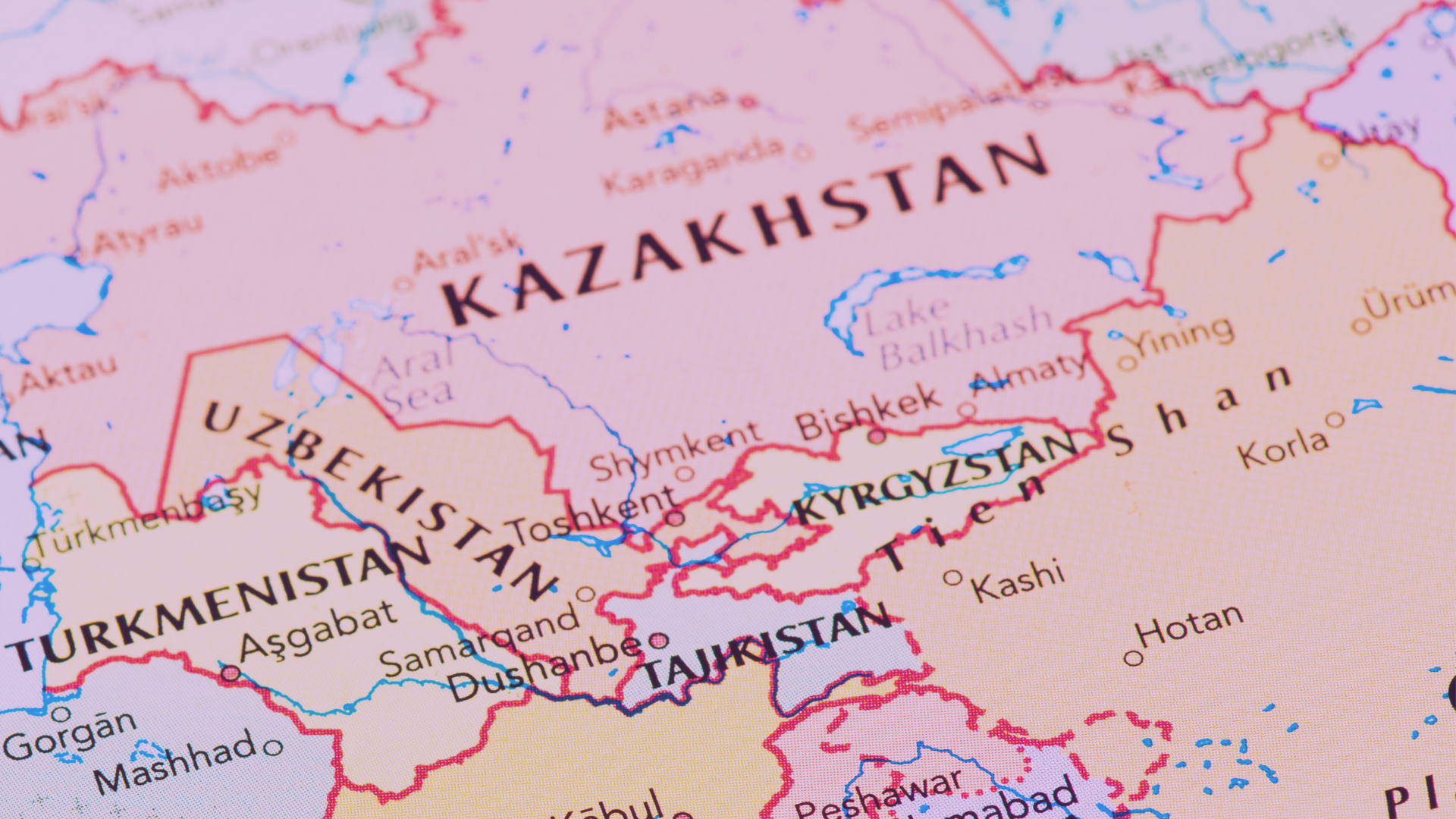
      Beyond transactions to rebuilding trust with Central Asia

      Article by Ainur Kanafina

      July 21, 2025

      Beyond transactions to rebuilding trust with Central Asia

      As global power dynamics shift, Central Asia’s strategic relevance is rising, but so too is the need for a reset in engagement by international partners. Could a more principled, values-driven approach unlock lasting stability and democratic resilience in the region? 


      Central Asia stands at a peculiar crossroads. Decades after gaining independence, a common refrain echoes: “Everything has changed, but nothing has changed.” 


      On the surface, new infrastructure rises, economies evolve, and geopolitical alignments shift. Yet, beneath this veneer, the fundamental nature of international engagement often remains stubbornly familiar, characterised by a transactional approach that prioritises short-term gains over long-term partnership. What was once subtly implied is now glaringly apparent: a pervasive lack of genuine interest in the region’s holistic development, with compromises frequently driven by the pursuit of trade and resources.  


      Deepening regional integration is paramount. Initiatives like the Central Asian Summit are fostering greater cooperation among the republics themselves, building a collective identity and reducing reliance on external powers for regional stability. This internal cohesion makes the region a more attractive and reliable partner for others. 


      To truly move forward, a fundamental shift is required: a transition towards a more principled and value-driven approach to diplomacy. This means moving beyond the immediate gratification of trade deals or security pacts and embracing a long-term vision rooted in genuine partnership. 


      A key opportunity lies in enhancing regional connectivity and integration. As global supply chains are re-evaluated and diversified, Central Asia’s geographic position as a land bridge between East and West becomes even more critical. Investing in modern transport corridors, logistics hubs, and digital infrastructure can transform the region into a vital transit artery, generating substantial transit revenues and stimulating local economies.  


      Firstly, a principled approach entails consistent investment in human capital and civil society. This includes supporting independent media, educational exchanges, and grassroots initiatives that empower citizens and foster critical thinking. Such investments, though not immediately yielding economic returns, are foundational for resilient societies and accountable governance. 


      Secondly, diplomacy must be predicated on shared values like the rule of law, transparency, and sustainable development. Instead of overlooking governance issues for the sake of a trade agreement, international partners should consistently advocate for reforms that strengthen institutions and combat corruption. This does not mean imposing Western models, but rather supporting Central Asian efforts to build systems that serve their own people effectively and justly. 


      Thirdly, fostering regional integration that benefits all citizens, not just elites, should be a priority. Supporting cross-border initiatives in areas like water management, energy, and transport can build trust and interdependence, creating a more stable and prosperous region. 


      A principled approach is not merely altruistic – it is strategically sound. By investing in the long-term stability and genuine development of Central Asian nations, international partners build more reliable and resilient allies. It counters malign influences by offering a compelling alternative rooted in mutual respect and shared prosperity. It acknowledges that true security and economic growth stem from strong institutions, empowered citizens, and a commitment to universal values. 


      The time has come to shed the transactional shadows and embrace a brighter, more principled path for diplomacy in Central Asia. Only then can “everything truly change” for the better, fostering a future of genuine partnership and lasting progress. 


      Ainur Kanafina is a Programme Specialist in Population and Development at United Nations Population Fund (UNFPA) Regional Office for Eastern Europe and Central Asia in Istanbul, Türkiye. Previously, Ainur served at the World Health Organization (WHO) in Amman, Jordan and the United Nations Development Programme (UNDP) in Kazakhstan. She has also worked at the British Embassy in Astana KAZGUU Higher School of Economics, Global Center for Cooperative Security and the Institute for Strategic Development. Ainur holds a MSc in public policy from University College London and a BSc in information technology and business from Indiana University. She is an alumna of various programmes organised by Council of Europe, Foreign, Commonwealth and Development Office, Riga Graduate School of Law and the Organization for Security and Co-operation in Europe (OSCE) Academy. Ainur is also a Bolashak scholar and a PMP certified project manager. 


      Disclaimer: The views expressed in this piece are those of the individual author and do not reflect the views of The Foreign Policy Centre.

      Footnotes
        Related Articles

        Europe and Central Asia can benefit from changing migration patterns

        Article by Meder Dastanbekov

        Europe and Central Asia can benefit from changing migration patterns

        High unemployment and limited economic opportunities in Central Asian countries have traditionally driven millions of people to migrate to Russia in search of work[1]. Where the region’s historical, cultural and linguistic links with Russia have been a major factor in migrants’ choice of destination,  new migration patterns are however emerging, influenced by geopolitical shifts in the region. These present opportunities for Central Asian governments, the receiving countries, and the migrants themselves[2].


        Since Russia launched its full-scale invasion of Ukraine in 2022, life has become more difficult for Central Asian migrants who live and work in Russia. Those who hold Russian passports are compelled to join the armed forces, and tens of thousands have been sent to the war zone[3]. Some returned to their home countries to avoid the draft.


        Then there are undocumented migrants. Since the terrorist attack on Moscow’s Crocus City Hall by Tajik nationals, Russia’s attitude towards Central Asian migrants has become more hostile[4]. Combined with military mobilisation, this has led to new regulatory frameworks and tools for registering undocumented migrants.


        From the perspective of Central Asian countries like Kyrgyzstan and Tajikistan, whose economies rely heavily on remittances, dependence on a single country as a migration destination is a high-risk strategy[5]. It gives the destination country a disproportionate influence over policies and leaves you vulnerable to changes in theirs.


        That is why governments in Central Asia need to pursue a strategy to diversify the migration destinations of their citizens. We are seeing opportunities to expand mutually beneficial agreements on labour migration with countries such as the UK, Germany, Japan and South Korea [6]. These countries offer workers better conditions than Russia, with proper contracts that reduce the risk of exploitation and better legal protections.


        The UK’s Seasonal Workers Scheme is a good example[7]. The UK has a quota system, which allocates a specific number of places for each country. In 2024, Great Britain allocated 45,000 seasonal work visas for Central Asia, with approximately 30% going to citizens of Kyrgyzstan[8]. Central Asian migrants view the scheme as a valuable opportunity for legitimate, well-paid and well-regulated work. The scheme benefits the UK by filling a seasonal labour shortage in the agricultural and poultry sectors. The same is true in Japan and South Korea.


        For the governments of receiving countries such as the UK, labour migration schemes offer opportunities for cultural exchange and stronger relations in the region[9]. Central Asian governments appreciate the UK’s scheme because it helps them to resolve their unemployment issues. So, if UK policy is to increase its influence in Central Asia, this is received more positively.


        The temporary and seasonal nature of these schemes suits Central Asian citizens themselves, as they are not looking to emigrate but to resolve an economic need.  For host societies, Central Asian seasonal workers present minimal integration challenges, as their temporary stay avoids long-term social or economic strain. As long as the scheme is well-regulated, everybody wins.


        Meder Dastanbekov is the former country director for Winrock International in the Kyrgyz Republic, where he led initiatives to promote safe migration and combat human trafficking in the Kyrgyz Republic and wider Central Asia region. His work addresses the critical challenges faced by migrants, particularly in light of evolving geopolitical dynamics, such as the war in Ukraine and its impact on migration patterns. With extensive experience fostering collaboration between governments, international organisations, and civil society, Meder helps in developing inclusive policies and practices that prioritise human rights and empower vulnerable populations.


        Disclaimer: The views expressed in this piece are those of the individual author and do not reflect the views of The Foreign Policy Centre.


        [1] Kommersant, ‘Мы реально не знаем, кто к нам едет’, September 2024, https://www.kommersant.ru/doc/7166241

        [2] University of Central Asia Institute of Public Policy and Administration, How War in Ukraine Has Shaped Migration Flows in Central Asia, policy brief, c. 2023, https://ucentralasia.org/media/psdnh1p1/pbmigration-flow-change-in-central-asia-en.pdf

        [3] Kaktus.media, ‘Бастрыкин заявил, что десятки тысяч мигрантов с гражданством РФ находятся на передовой’, May 2025, https://kaktus.media/doc/524105_bastrykin_zaiavil_chto_desiatki_tysiach_migrantov_s_grajdanstvom_rf_nahodiatsia_na_peredovoy.html

        [4] BBC News, ‘Ukraine war: US and UK to supply longer‑range missiles to Kyiv’, June 2024, https://www.bbc.co.uk/news/world-europe-68665896

        [5] Азаттык Радиосу (RFE/RL), ‘Рублдин курсу борбор азиялык мигранттарга кандай таасир этти?’ (How the ruble exchange rate affects Central Asian migrants), April 2025, https://www.azattyk.org/a/33394657.html

        [6] Farangis Najibullah, Radio Free Europe/Radio Liberty, ‘Happy To Be In Britain, Central Asian Migrants Want More Work To Cover Expenses’, August 2022, https://www.rferl.org/a/britain-central-asia-migrants-more-work-expenses/31997221.html; Radio Free Europe/Radio Liberty, ‘“This Is Not My World”: Central Asian Migrants in Russia Say They Could Never Return Home’, April 2023, https://www.rferl.org/a/russia-migrants-centralasia-uzbekistan/33261194.html; and, Akchabar.kg, ‘Kyrgyzstan and Japan deepen cooperation in employment and social projects’, n.d., https://www.akchabar.kg/en/news/kirgizstan-i-yaponiya-uglublyayut-sotrudnichestvo-v-sfere-trudoustrojstva-i-sotsialnikh-proektov-pdhtnmeblegahkmk

        [7] Association of Labour Providers, ‘Seasonal Worker Scheme’, n.d., https://www.labourproviders.org.uk/seasonal-worker-scheme/

        [8] Akchabar.kg, ‘Великобритания выделяет 45 тысяч квот для сезонных работников из ЦА — 30 получат граждане Киргизстана’ (Britain allocates 45,000 quotas for seasonal workers from Central Asia — 30 will go to Kyrgyzstan citizens), n.d., https://www.akchabar.kg/en/news/velikobritaniya-videlyaet-45-tisyach-kvot-dlya-sezonnikh-rabotnikov-iz-tsa-30-poluchat-grazhdane-kirgizstana-mdphrmumvuomxzgj

        [9] The Economist, ‘Why Central Asians are flocking to Britain’, July 2023, https://www.economist.com/britain/2023/07/24/why-central-asians-are-flocking-to-britain

        Footnotes
          Related Articles

          How can we start conversations to shift colonial mindsets?

          Article by Aigulle Sembaeva

          July 18, 2025

          How can we start conversations to shift colonial mindsets?

           When speaking about Russian and Soviet colonialism, the first step is to agree on the terminology. Why do we continue to define the region by referencing that it ‘formerly’ belonged to the Soviet Union more than 30 years ago? To move on from the Soviet identity, we should refer  instead to Eastern Europe, Central Asia and the South Caucasus.


          Yet this solution does not reflect the commonality of problems countries in this region face, exactly because of their tumultuous history and present circumstances. Given ‘post-socialist’, ‘post-communist’ or ‘post-anything’, present the same definitional problem as the ‘former soviet union’. One suggestion is to call the region the “Global East”[1]. The second step is to realise that not all countries that were the republics of the Soviet Union and before that parts of the Russian Empire, necessarily agree that they were “colonised”. Some reject the term as degrading and not reflecting the economic and cultural reality they lived in. Some Georgians, for example, prefer to talk about it in terms of an occupation.


          We also need to recognise that experiences vary hugely by country. Armenia, Azerbaijan and Georgia kept their cultural identities and language. However, in Kazakhstan and Kyrgyzstan, due to the influx of Slavic and other non-Asian populations, Russian remains the lingua franca and an official language until this day. In Estonia and Latvia, the large Russian-speaking populations form parallel social structures. In Belarus, Lukashenko’s regime actively promotes russification, and speaking Belarusian is perceived as a sign of being in the opposition.


          Ukraine and Kazakhstan suffered starvation under Stalin in the 1930s. In Ukraine, memorialising the Holodomor is one of the foundations of modern Ukrainian identity[2]. Meanwhile, the Kazakh famine (Asharshylyk), which was equally devastating, is less well-remembered and less researched[3].


          So, how can we start to shift colonial mindsets? We need to have conversations between different nations and ethnic groups about their experiences, including national minorities from Russia and ethnic Russians. Failing to do so allows propaganda to build. The consequences of failing to challenge false narratives can clearly be seen in Russia’s invasion of Ukraine.


          A good place to start is for decolonial activists from across the region to find spaces where we can share our experiences and build a common understanding. Independent media are ideally placed to support this process. For example, the Kyrgyz podcast O’decolon (English version Yurt Jurt) brings people together from almost all the countries in the region to discuss their experiences[4].


          When we are ready to reach a bigger audience, a series in the mainstream media exploring these issues in a more engaging way could be a good way to breakthrough. Just as Adolescence sparked conversations about teenagers, social media and misogyny, a series tackling colonial issues could help shift mindsets on a large scale.


          Shifting mindsets within Russian society is an important component too, and not only with the involvement of civil society and independent media in exile. Hundreds of thousands of people fled Russia to avoid being mobilised[5], with many ending up in Georgia, Armenia and Kazakhstan and other countries of the region.


          For those who have left Russia at least, there is an opportunity to see their country from another perspective. It could be the beginning of some overdue reflection on the Soviet legacy and Russian colonialism.


          Aigulle Sembaeva is an experienced civil society professional, Aigulle’s area of expertise is in leading and designing education, capacity building and youth participation programmes. Throughout her career she has brought together students, activists, journalists, reformers, and researchers from Central Asia and Eastern Europe to share their experiences and innovative ideas. She is a strong believer in the power of people’s networks to effect change.


          Disclaimer: The views expressed in this piece are those of the individual author and do not reflect the views of The Foreign Policy Centre.


          [1] G. John Ikenberry, International Affairs, ‘Three Worlds: the West, East and South and the competition to shape global order’, vol. 100, no. 1, January 2024, pp. 121–138, https://doi.org/10.1093/ia/iiad284

          [2] National Museum of the Holodomor‑Genocide, ‘The History of the Holodomor’, n.d. https://holodomormuseum.org.ua/en/the-history-of-the-holodomor/

          [3] Elliott School of International Affairs, George Washington University, ‘Remembering Kazakhstan’s Great Famine of the 1930s’, https://ieres.elliott.gwu.edu/project/remembering-kazakhstans-great-famine-of-the-1930s/

          [4] Bashтан, Подкаст О’Деколон, YouTube playlist, 43 episodes, last updated 19 December 2024, https://www.youtube.com/playlist?list=PLjI-VRWtNFhNoA45bMJhPzqY82-smpeZF;  and, Bashтан, Yurt Jurt, Spotify podcast, hosted by Dr. Diana Kudaibergen, https://open.spotify.com/show/51uxvx3yDWujSSBPykPZYR

          [5] The Bell, ‘Russia’s 650,000 wartime emigres’, July 2024, https://en.thebell.io/russias-650-000-wartime-emigres/


          Topics
          Regions
          Footnotes
            Related Articles

            We must make the connection between diversity and peace

            Article by Nino Gogoladze

            July 16, 2025

            We must make the connection between diversity and peace

            All societies are diverse, even if some people have got used to thinking that their country should be homogeneous, where everyone looks the same, speaks the same language, and follows the same religion.It is this mindset that enables authoritarian and populist leaders to divide their societies into “us and them”.


            Globally we are seeing a pushback against the diversity, equality and inclusion (DEI) agenda, not least of all in the United States under the second Trump administration. Yet DEI is crucial to maintaining a peaceful society.My work, as the national coordinator in Georgia for the Organization for Security and Co-operation in Europe High Commissioner on National Minorities,is mostly about preventing ethnic conflict and promoting a diverse society. Inclusive decision-making is one of the ways to make this happen.


            When minorities take part in the decision-making process, they take ownership of those decisions[1]. It gives the process more legitimacy because it represents the interests and needs of the whole society. This is relevant for all groups, whether ethnic, religious minorities or the LGBTQI community.


            This is extremely important for democracy, especially today, as politicians all over the world revert to divisive rhetoric , fostering distrust among communities and attempting to manipulate  and try to manipulate us.


            It’s never easy. You make certain steps forward, but then you must go back and start over again. In Georgia right now, where civil society is under unprecedented pressure from the government, there are fewer opportunities to implement a diversity agenda[2]. When there is a rise in authoritarianism, minorities try to stay silent to weather the storm and survive this pressure. This further alienates them.


            Despite this,  there is still an opportunity to show people why diversity is important. We can do this by making the connection between diversity and peace. When there is too much pressure on minority communities, people start resisting, and that could lead to tensions and then even conflict. But when you foster diversity, there is less friction and a greater chance of different communities living together peacefully. Thus, exclusion is not an answer; societies need to find their own way to embrace diversity so that it reflects the needs and aspirations of their members.


            Diversity matters more than ever because it’s about individual dignity and security for everyone. It’s about creating avenues which enable people to become part of society so that they do not have to fight every single day to get a job, an education, medical help. National governments need to design inclusive policies to address these issues.


            In Georgia, I would like us to reach a point where ethnic minorities feel confident and welcome to speak up, not only about their own issues, but also about issues that affect the whole country.


            For this to happen, we need inclusive leadership and role models in high-level positions. And we need to see this from our partners in Western democracies. The UK could lead by example, including diversity not only in policies but also in their actions when interacting with Georgian politicians. It sends an important message.


            I want society and politicians to understand that diversity is not a danger to our identities. You do not have to build barriers between different groups to keep people safe. Instead, you celebrate diversity and benefit from it. It creates opportunities for us all.


            Nino Gogoladze is a national programme coordinator for the Organization for Security and Co-operation in Europe High Commissioner on National Minorities (OSCE HCNM) in Tbilisi, Georgia. She manages the work of the HCNM in Georgia seeking to prevent ethnic conflict in the country and promote integration of diverse society. Nino previously worked as a project coordinator at the UN Population Fund (UNFPA), a programme coordinator at the Heinrich Boell Foundation, and national anti-trafficking officer for the OSCE Mission to Georgia. She holds an LLM degree from London School of Economics and Political Science; and an MA in international relations and European studies from the Central European University, Budapest.


            Disclaimer: The views expressed in this piece are those of the individual author and do not reflect the views of The Foreign Policy Centre nor those of the OSCE HCNM.


            [1] OSCE, ‘The Lund Recommendations on the Effective Participation of National Minorities in Public Life’, September 1999, https://www.osce.org/hcnm/lund-recommendations

            [2] Nini Gabritchidze, ‘Georgian Dream’s FARA Takes Effect’, Civil.ge, May 2025, https://civil.ge/archives/684669


            Topics
            Regions
            Footnotes
              Related Articles

              How democracies can leverage Ukraine’s resistance for a global reset

              Article by Kateryna Musienko

              July 14, 2025

              How democracies can leverage Ukraine’s resistance for a global reset

              Ukraine is not just a battlefield – it is democracy’s most critical frontline. It is misleading to treat war as a regional conflict – the spillover of Russian aggression beyond Ukraine’s borders is not just possible, but likely.


              What we are witnessing now is the global shift from a rules-based to a power-based order. The outcome of this confrontation will decide the politics of the future. We have a window of opportunity to create a global alliance based on democratic values and we must not miss it.


              The cooperation between Russia, China, Iran and North Korea becomes more strategic than ever, as they prepare to undermine the Western-led, rule-based order. For Europe and the democratic world, it is crucial to break the endless cycle of appeasing the aggressor and to adopt a firm, practical policy of isolating Russia.


              While some think about possible concessions to the aggressor, it is important  to understand that what is being sacrificed is not only territory but also our values and freedom. Appeasement encourages further aggression. In this context, democracies must show they have the strength and tools to counter authoritarian power. And while we cannot change our existing institutions – such as NATO and the European Union (EU) – overnight, we can adapt.


              There are still instruments that have not been fully utilised. Despite Russia’s hybrid aggression and energy blackmail costing hundreds of billions, Europe has hesitated to confiscate Russian assets for Ukraine’s benefit. Seizing the Russian Central Bank’s assets to create a European defence fund would provide crucial resources and demonstrate Europe’s commitment to countering ongoing threats[1]. Building on this, there must be a policy shift towards total economic isolation of Russia by ending all trade with it.


              The ‘Coalition of the Willing,’ led by the UK and France, provides the decisive leadership Europe needs[2]. This coalition has the potential to evolve into a broader security mechanism, with existing institutions like the EU taking on a greater role. In this context, the UK can further support a humanitarian operation to protect Ukraine’s airspace over the north-western sector of the Black Sea and western Ukraine.


              Building on Ukrainian practical experience of modern warfare with new technologies, the UK could also develop initiatives like Sky Shield[3]. This could protect the sky in Europe and the UK using the Ukrainian example to build air superiority.


              Ukrainian military experience is highly beneficial for Europe and NATO because they can better understand what they’re dealing with. Looking beyond our traditional allies, we must make space for new partners and security alliances, such as Japan and South Korea.  A values-based alliance is our real strategic advantage.


              The partnerships between Russia, China, Iran and North Korea are based on mutual benefits and goals but there is no trust.  On the contrary, Ukraine is paying with its blood for choosing Europe. That is why our accession to the EU remains a top priority. With Russia watching, it sends a powerful message that Europe supports our aspirations. It’s more than integration. It’s about the strategic perspective and common security.


              If we stay firm on our common values, we can build greater trust and unity based on a shared vision. A consensus-based approach takes time, and there is a need to move quickly in this fast-changing environment. However, in the long term,  it will be more reliable than the transactional-based approach of the autocracies.


              Kateryna Musiienko is a Kremenchuk City Council member and deputy head of the Committee for Foreign Relations, Education and Youth. She is a Head of the Foreign Affairs, Strategic Partnerships and Innovations at ANTS NGO. Kateryna was an advisor to a member of the European Parliament and former advisor to the head of the Foreign Affairs Committee of the Ukrainian Parliament. Her educational background is in political science (Passau University) and diplomacy (University of Oxford). 


              Fellow Photo (c) Sarah Oughton, The John Smith Trust


              Disclaimer: The views expressed in this piece are those of the individual author and do not reflect the views of The Foreign Policy Centre.


              [1]  Ukrainian Victory, Confiscation of Russian State-Owned and Affiliated Property in Ukraine: Path to Justice and Recovery, n.d., https://ukrainianvictory.org/wp-content/uploads/Confiscation.pdf

              [2] UK Government, ‘Coalition of the Willing: Joint UK–France statement following 10 April meeting’, April 2025, https://www.gov.uk/government/news/coalition-of-the-willing-joint-uk-france-statement-following-10-april-meeting

              [3]Dan Sabbagh, The Guardian, ‘European‑led Ukraine air protection plan could halt Russian missile attacks’, March 2025, https://www.theguardian.com/world/2025/mar/06/european-led-ukraine-air-protection-plan-could-halt-russian-missile-attacks


              Footnotes
                Related Articles

                Geopolitical shifts: crisis or opportunity for democracy?

                Article by Baroness Alison Suttie

                Geopolitical shifts: crisis or opportunity for democracy?


                We are living through the biggest shift in geopolitical power since the Second World War, accelerated by Russia’s illegal invasion of Ukraine, China’s economic ascendency, and the US retreat from guaranteeing Europe’s security.  


                A new multipolar power-based order is emerging. And in many countries, democracy is under threat as populist leaders exploit false and divisive narratives to gain and maintain power. In these turbulent times, we can see all too clearly that democracy is fragile and precious, and not to be taken for granted. We must have the courage to defend it in the face of growing authoritarianism. 


                Amid these shifts and crises, it has never been more important for UK policymakers to listen to a wide range of voices and perspectives, especially those we often don’t hear from. And where there are crises, there are also sometimes opportunities if you are willing to look for them and keep an open mind. 


                In this mini-series, John Smith Fellows from Eastern Europe, the South Caucasus and Central Asia discuss opportunities for transformation and development in their societies. We hear from Fellows in Ukraine, Georgia and  Kyrgyzstan, as well as Fellows exiled from Belarus and Russia, on topics including changing colonial mindsets, looking beyond traditional alliances, keeping the diversity agenda alive and opportunities for displaced people and local communities to thrive together. 


                Our Fellows are leaders and changemakers in their fields, who are committed to tolerance, openness and rules-based, people-focused governance. Together, they bring diverse perspectives and embody the value of connection and shared ‘sense-making’ in moments of crisis. 


                During our 30-year history, the John Smith Trust has built a network of more than 500 Fellows from across the region. This means that together we are well-placed to develop cross-regional and cross-sectoral connections, create space for new ideas and share expertise at a time of increasing polarisation.  


                The UK still excels at open discussion and respectful disagreement, which our Fellows value highly and take back to their societies. And while hard security cooperation – such as that proposed by the ‘Coalition of the Willing’ – is becoming increasingly important, the UK’s soft power diplomacy approaches are also crucial in the defence of democratic values in Europe and beyond. 


                For UK policymakers and advisors, it’s well worth spending time exploring emerging opportunities for local action and identifying where there’s potential for new alliances and collaborative relationships.  


                We can find strength in our shared values and focus on what unites us, not what divides us. 


                Baroness Suttie is a Member of the House of Lords since October 2013, Alison is currently the Liberal Democrat Northern Ireland Spokesperson in the House of Lords and is also a Party Whip. She served on the EU Select Committee in the House of Lords from 2015-19. She currently is a member of the Constitution Committee. 

                Alison was Head of the Liberal Democrat Leader’s office from 2006 to 2010 and was Deputy Chief of Staff to the Deputy Prime Minster for the first 18 months of the Coalition Government from 2010 to 2011. 

                In addition to being a working peer, Alison also works as an independent consultant in developing parliaments around the world. She has worked in Jordan, Iraq, Sudan, Ukraine, Uzbekistan, Kyrgyzstan and Tunisia. 

                Having studied Russian and French at Heriot-Watt university in Edinburgh as well in Voronezh State University in Russia in 1988, she continues to enjoy speaking both languages. 


                Disclaimer: The views expressed in this piece are those of the individual author and do not reflect the views of The Foreign Policy Centre. 


                Footnotes
                  Related Articles

                  Expert Briefing: ‘Central Europe at a time of European and transatlantic challenges’

                  Article by Foreign Policy Centre

                  July 11, 2025

                  Download PDF
                  Expert Briefing: ‘Central Europe at a time of European and transatlantic challenges’


                  As war, political instability, and democratic erosion continue to reshape Europe’s trajectory, experts recently gathered in Westminster to examine where Central Europe stands and where it may be heading.


                  On 24th June 2025, the Aston Centre for Europe, the Foreign Policy Centre and UK in a Changing Europe co-hosted a high-level expert roundtable exploring the current political and geopolitical landscape of Central Europe. The event was chaired by the Rt Hon Anneliese Dodds MP and featured speakers from academia, policy, and journalism: Dr. Monika Brusenbauch Meislová, Masaryk University (Czechia); Prof. Aleks Szczerbiak, University of Sussex (Poland); Vladimir Bilčík, Senior Fellow, GLOBSEC (Slovakia); and Alexander Faludy, Journalist (Hungary).


                  “The geopolitical roles of Czechia, Hungary, Poland and Slovakia have always been important but are even more crucial given the war against Ukraine. It is essential that we develop strong people-to-people bilateral relationships, especially to support and promote democracy and security in the face of threats from illiberal actors.”

                  Rt Hon Anneliese Dodds MP


                  The panel focused on developments in Poland, Hungary, Slovakia, and Czechia. As war continues in Ukraine and global power dynamics shift, Central Europe has become a frontline for democratic resilience and foreign policy fragmentation. While united in their proximity to the war, the four countries diverge significantly in their internal politics, stance towards Russia, relations with the European Union (EU) and the United States (US), and their approaches to regional cooperation and defence. Included below is a snapshot of the panel’s discussion by country:


                  • Poland faces institutional deadlock following the election of Karol Nawrocki as president. Nawrocki’s predecessor from the Law and Justice party blocked legislative progress by the government under Prime Minister Donald Tusk and more of the same can be expected. However, while judicial reform and domestic governance are stalled, foreign and defense policy remain largely stable. A broad public consensus supports military aid to Ukraine, but Nawrocki has expressed scepticism about its NATO and EU membership ambitions and foresees a more instrumental relationship. UK-Poland defence ties, especially in arms procurement and shared threat assessment, are expected to continue regardless of internal political friction or transatlantic uncertainty.


                  “Poles have mixed views about Donald Trump, and many are concerned about the possible weakening of the trans-Atlantic alliance, but whatever their views most of them see the US as Poland’s only military security guarantor and are wary of any EU defence identity that is separate from NATO.”

                  Aleks Szczerbiak, Professor of Politics, University of Sussex


                  • Hungary is entering a politically volatile phase. The ruling Fidesz party is under pressure from the emerging TISZA party. This has prompted Fidesz, variously, to propose and enact a wave of restrictive legislation aimed at entrenching its power ahead of the 2026 elections. These include constitutional changes, media crackdowns and foreign interference laws. Hungary maintains close ties with China, Iran, and Belarus. Orbán‘s government continues to obstruct EU consensus on critical issues such as sanctions on Russia and resists rule of law standards.[1] The political climate in Hungary is increasingly shaped by shifts in Washington. With President Trump’s administration in the United States taking a more transactional and ambiguous stance toward Europe, Hungary enjoys greater political cover to resist EU pressure.


                  “Hungary under Orbán is a headache for EU and NATO partners: a country from which Russian intelligence operates with impunity inside Schengen and which issues residents permits and passports to persons associated with those same intelligence services. The concern is multi-dimensional, given security and nuclear energy agreements with China and Iran.”

                  Alexander Faludy, Journalist


                  • Slovakia has seen moves to roll back democratic norms by the current government, though so far without the same degree of traction as in Hungary. Despite attempts by the government to control criminal investigations and to sideline independent media, public opinion remains broadly pro-EU and pro-NATO, and opposition forces are polling strongly ahead of the next election. Official rhetoric has increasingly challenged Slovakia’s commitments to NATO and EU norms, with Prime Minister Robert Fico raising the prospect of neutrality and distancing the country from Western consensus on Ukraine and Russia.[2] The country’s trajectory remains uncertain, compounded by the government’s inability to address structural, economic, and social weaknesses. While civic resistance and electoral competition offer space for political change in Slovakia, continued UK and European engagement will be important to support conditions for democratic politics and economic modernisation.


                  “The current government in Slovakia is Prime Minister Fico’s weakest and most rudderless government so far. While conditions for democratic political change are still prevailing, a future Slovak government will have to address the most daunting social and economic tasks since EU and NATO accessions in 2004.”

                  Vladimir Bilčík, Senior Fellow, GLOBSEC


                  • Czechia presents a paradox. The country has a firmly pro-Western government, competitive elections, independent judiciary, and a pro-democracy president, yet there is growing electoral volatility ahead of the 2025 parliamentary elections. The ruling coalition is polling poorly amid public frustration over economic hardship, soaring living costs, and housing crisis. In this context, former populist Prime Minister Andrej Babiš is resurging, offering a technocratic, business-first message that sidelines foreign policy and questions Czechia’s continued support for Ukraine[3]. His return could shift the country toward transactional neutrality, weakening its strong alignment with EU and NATO partners.


                                 “Czechia might look like the diligent pupil on democracy indices, but beneath the surface, there is growing political volatility and disillusionment. A return of Andrej Babiš would not just reshape domestic politics — it could steer Czechia towards a more transactional, inward-looking foreign policy, marked by greater readiness to play both sides.”

                  Dr. Monika Brusenbauch Meislová, Associate Professor , Masaryk University, Brno


                  To read the full country analyses and explore key thematic takeaways from this expert discussion, you can download the full briefing here.


                  [1] Gabriel Gavin, Politico, ‘Hungary, Slovakia stall new Russia energy sanctions over gas ban proposal’,   June 2025,https://www.politico.eu/article/hungary-slovakia-block-new-russia-energy-sanctions-ukraine-war-invasion-eu-viktor-orban/; International Bar Association, ‘Rule of law: EU blocking €18bn funding to Hungary over legislation concerns’, June 2025, https://www.ibanet.org/Rule-of-law-EU-blocking-18bn-funding-to-Hungary-over-legislation-concerns?utm_source=chatgpt.com

                  [2] Jan Lopatka, Reuters, ‘PM Fico says neutrality would benefit NATO member Slovakia’, June 2025, https://www.reuters.com/business/aerospace-defense/pm-fico-says-neutrality-would-benefit-nato-member-slovakia-2025-06-17/

                  [3] Jan Lopatka, Reuters, ‘Czech populist opposition leads as election set for October’,  May 2025, https://www.reuters.com/world/europe/czech-populist-opposition-leads-election-set-october-2025-05-13/


                  Footnotes
                    Related Articles

                    What’s Behind Trump’s Upending of the Global Economy?

                    Article by Dr Andrew Gawthorpe

                    April 3, 2025

                    What’s Behind Trump’s Upending of the Global Economy?

                    Yesterday, Donald Trump announced a shift towards protectionism, the likes of which the world has not seen since the Great Depression.


                    For decades, global prosperity has been underpinned by a system of open trade without parallel in history. That system has enabled the creation of vast wealth in the Western world and lifted hundreds of millions of people out of poverty in the Global South. It has also arguably contributed to global peace, as countries have more to gain by trading than warring with one another.


                    At a stroke, Trump brought that system to an end. By signing an executive order last night, he imposed a base tariff of 10% on imports from nearly all nations and additional steep levies on many.[1]  The United Kingdom faces only the base rate, but many other countries were not so fortunate. For American allies Taiwan and Israel, the rates are 32% and 17% respectively. For the European Union, the rate is 20%.and for China, 54%. For Vietnam and Cambodia – where many international companies moved production in order to avoid becoming victims of a US-China trade war – the rates are 46% and 49% respectively.[2]


                    Trump’s moves are just the beginning of what will now become a global trade war. Although the Trump administration has suggested that other countries not retaliate, they surely will – leading to an increase in trade barriers which is likely to be catastrophic for the global economy.[3]  In the West, consumer goods will become more expensive, interest rates will rise, and jobs will be lost. Elsewhere in the world, economic models which poorer nations were using to lift themselves up will cease to function. Geopolitical instability is likely to follow in the wake of economic instability, as it so often does.


                    Why is Trump doing it? There are at least three theories, some more persuasive than others. The first holds that this is simply the opening gambit in an epic negotiation, one that will end with most of these tariffs being swept away. The affected countries will come to the table and offer to reshape their trading relationship in a way that is more favourable to the United States, and the world will go back to (more or less) normal.


                    There are a few problems with this theory. Firstly, what exactly the administration even wants from other countries is not clear. It claims to have based its tariff rate for each country on the mixture of tariff and non-tariff barriers (for instance, subsidies and taxes) that the country in question imposes on the U.S. This is why Trump calls the tariffs “reciprocal”. But if that is the case, then something as simple as VAT would count towards the administration’s calculation. Unless the European Union and other economies are going to abolish VAT, there’s not much they can do to address the administration’s grievance.


                    The plot thickens when we examine the numbers more closely.[4]  The tariff rate the US has imposed on other countries appears not to be based on any plausible mixture of tariffs and non-tariffs barriers. Instead, the calculation seems to be based on that country’s trade deficit with the United States, meaning that only a complete collapse in its exports to the US could satisfy Trump. Only the complete unstitching of the modern global economy could achieve that. Even if it were possible, it implies a world radically different – and poorer – than the one we now inhabit.


                    Another problem is that the US government lacks the administrative capacity to engage in this many trade negotiations at once. Even the crude back-of-the-envelope way in which its tariff rates have been calculated betray that. Trump’s rambling, incoherent delivery of his speech at the White House yesterday – which badly misstated numerous facts about the economy and economic history – will also do little to inspire confidence amongst either the markets or US trading partners.[5]


                    A second theory for why Trump is doing this is that he genuinely is seeking a major rebalance of the world economy. He has stated repeatedly that he wants to see a renaissance of manufacturing in the United States, that he believes trade amounts to other countries ripping America off, and that US consumers should be willing to bear some pain in pursuit of economic rebalancing.[6]  During his speech yesterday, he once again raised the idea of tariffs becoming a major source of revenue for the US government, implying that they are here to stay.


                    This theory has plenty of problems too. The economic pain which would be involved in such an adjustment would be catastrophic for the US and global economies, not just a transient period of a little pain. The resultant trade wars could easily get out of control, depressing global economic activity and destroying trust between the United States and its economic partners. There would also be numerous unintended consequences, the type which have bedevilled state economic planners throughout history.


                    Trump’s idea to fund the US government through tariffs also makes little sense.[7]  In his speech yesterday, Trump decried the government’s shift from funding itself through tariffs to doing so through income taxes, a move which occurred in the early twentieth century. But this move was made for a simple reason: tariffs simply cannot generate enough revenue to fund a modern state. Trump’s vision implies a dramatically smaller US state, one that would not be up to the job of containing the geopolitical instability which results from its trade war.


                    A third theory of Trump’s motives views this whole affair as a power play. By holding a gun to the head of both the American and global economies, he forces everyone to come to him with their cap in their hands. Both foreign countries and domestic industries will have to grovel for relief, and to receive it they will be forced to pledge their allegiance to him. In this view, tariffs aren’t really about economics. They’re about building the structures of a more autocratic state, one based on blackmail and coercion rather than consent and trust.


                    Already, many countries around the world are debating whether to band together to resist Trump or try to cut their own separate deals. The United Kingdom received a lower tariff rate than the EU, which UK ministers are touting as a success.[8]  But trying to negotiate with Trump separately plays into his hands because each country is weaker individually than they would be if they banded together. Such moves are also corrosive of trust between allies and threaten to plunge the world even further into zero-sum thinking.


                    Which of these three theories best suits events? Given the chaotic nature of policymaking in the Trump administration, there’s likely some truth in all of them. What the administration does next will depend on the reaction of other countries, and of financial markets. By adopting such a maximalist course, Trump has made it more likely that the blowback will be so intense that he will be forced to adjust. But he has also dramatically raised the potential of a global economic catastrophe if he does not.


                    Andrew Gawthorpe is an expert on US foreign policy and politics at Leiden University and author of the newsletter America Explained. He was formerly a research fellow at the Harvard Kennedy School, a teaching fellow at the UK Defence Academy, and a civil servant in the Cabinet Office.


                    Disclaimer: The views expressed in this piece are those of the authors and do not reflect the views of The Foreign Policy Centre.


                    Photograph courtesy of The White House from Washington, DC, Public domain, via Wikimedia Commons.


                    [1] The White House, ‘Regulating Imports with a Reciprocal Tariff to Rectify Trade Practices that Contribute to Large and Persistent Annual United States Goods Trade Deficits’, April 2025, https://www.whitehouse.gov/presidential-actions/2025/04/regulating-imports-with-a-reciprocal-tariff-to-rectify-trade-practices-that-contribute-to-large-and-persistent-annual-united-states-goods-trade-deficits/

                    [2] Kayla Epstein, ‘Trump’s Tariffs on China, EU and more, at a Glance’, BBC News, April 2025, https://www.bbc.com/news/articles/c1jxrnl9xe2o

                    [3] Daniel Flatley and Annmarie Hordern, ‘Bussent Urges Against Reliation, says ‘Wait and See’ on Talks’, Bloomberg, April 2025, https://www.bloomberg.com/news/articles/2025-04-02/bessent-urges-against-retaliation-says-wait-and-see-on-talks

                    [4] Tony Romm, Ana Swanson and Lazaro Gamio, ‘How Are Trump’s Tariff Rates Calculated?’, The New York Times, April 2025, https://www.nytimes.com/2025/04/02/business/economy/trump-tariff-rates-calculation.html

                    [5] Daniel Dale, ‘Fact Check: Trump’s False Claims About Tariffs and Trade’, CNN, April 2025, https://edition.cnn.com/2025/04/02/politics/fact-check-trump-tariffs-trade/index.html

                    [6] Jeff Stein and David J. Lynch, ‘Trump Aides Draft Tariff Plans as some Experts Warn of Economic Damage’, The Washington Post, April 2025, https://www.washingtonpost.com/business/2025/04/01/trump-tariffs-draft-recession-projection/

                    [7] Andrew Gawthorpe, ‘On Tariffs, Trump Resurrects 18th Century Economics’, America Explained, November 2024, https://amerex.substack.com/p/on-tariffs-trump-resurrects-18th

                    [8] Eleni Courea, ‘Why Starmer’s Trade Diplomacy May Still Bear Fruit Despite 10% Tariffs on UK’, BBC News, April 2025, https://www.theguardian.com/politics/2025/apr/02/why-starmers-trade-diplomacy-may-still-bear-fruit-despite-10-tariffs-on-uk

                    Footnotes
                      Related Articles

                       Join our mailing list 

                      Keep informed about events, articles & latest publications from Foreign Policy Centre

                      JOIN